

Arrival Flow & Capacity
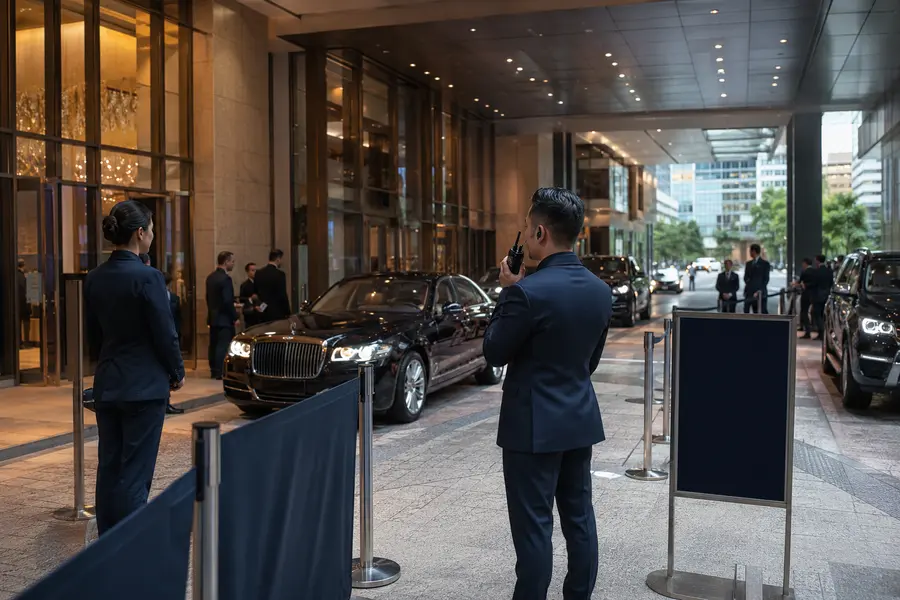
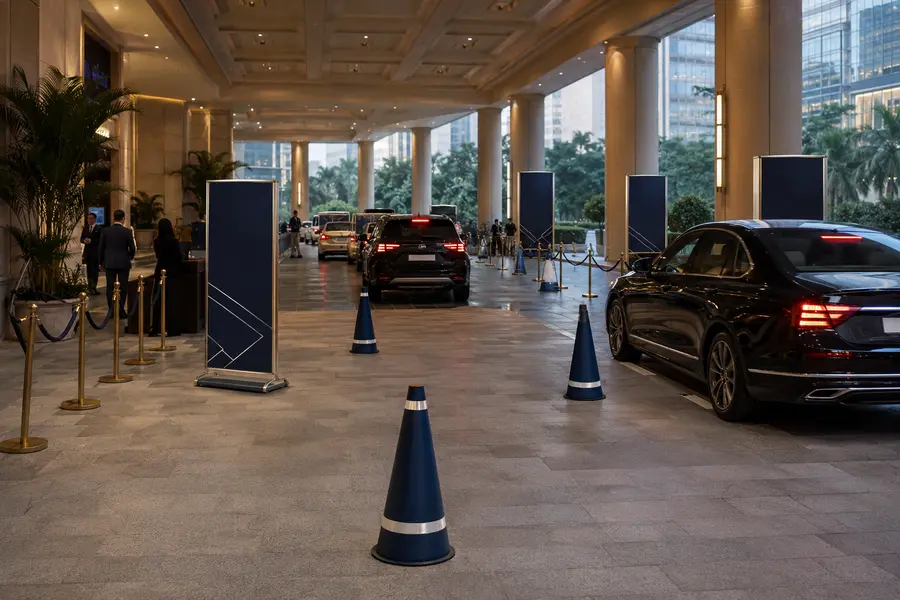
Map vehicle volume, queue space, podium position, handoff points, and peak-event staffing before selecting equipment.
Hotel arrival operations, organized
Source coordinated valet stations, key-control equipment, traffic-safety products, vehicle-protection supplies, and guest-transport accessories through one organized procurement path.

Start with the arrival operation
Start with the operating scenario, then align key control, traffic flow, weather protection, communication, and guest transport around the same service plan.
Map vehicle volume, queue space, podium position, handoff points, and peak-event staffing before selecting equipment.
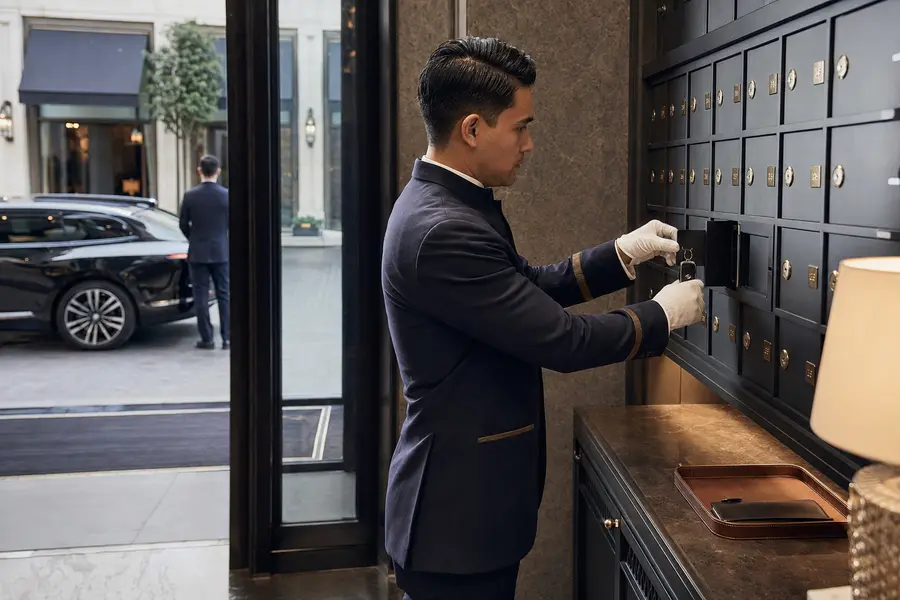
Match cabinets, hooks, tags, claim tickets, permissions, and exception procedures to every shift.
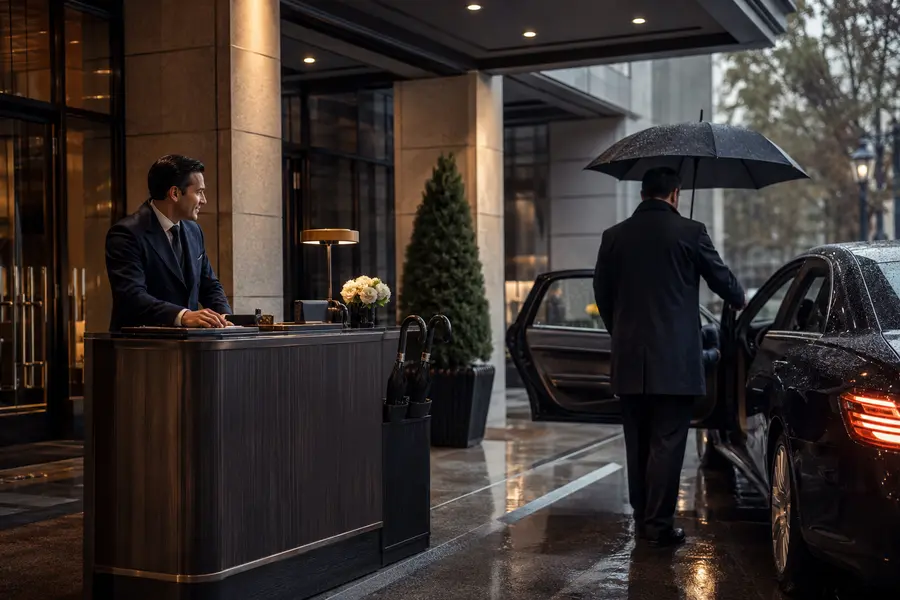
Plan shelter, umbrellas, lighting, reflective apparel, traffic wands, and slip-aware staging for changing conditions.
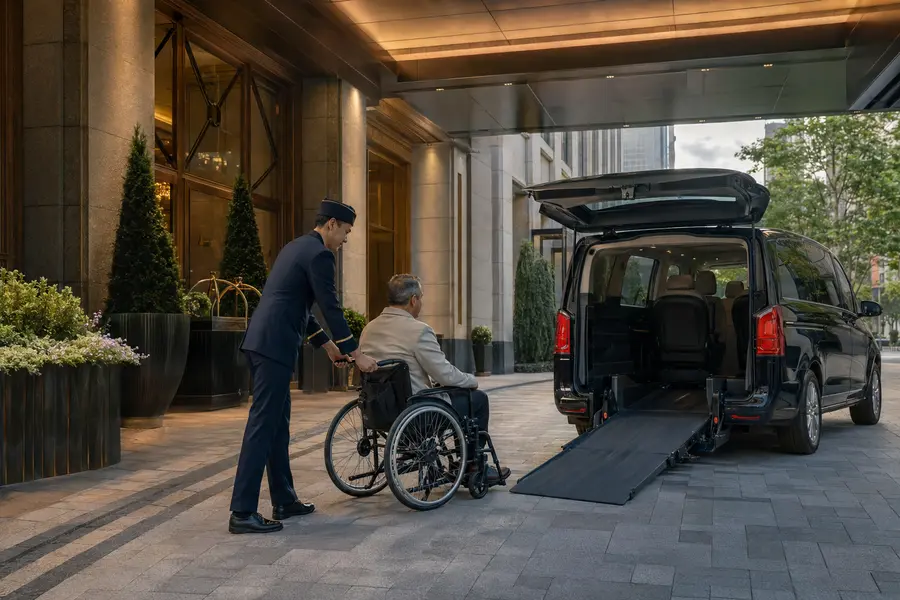
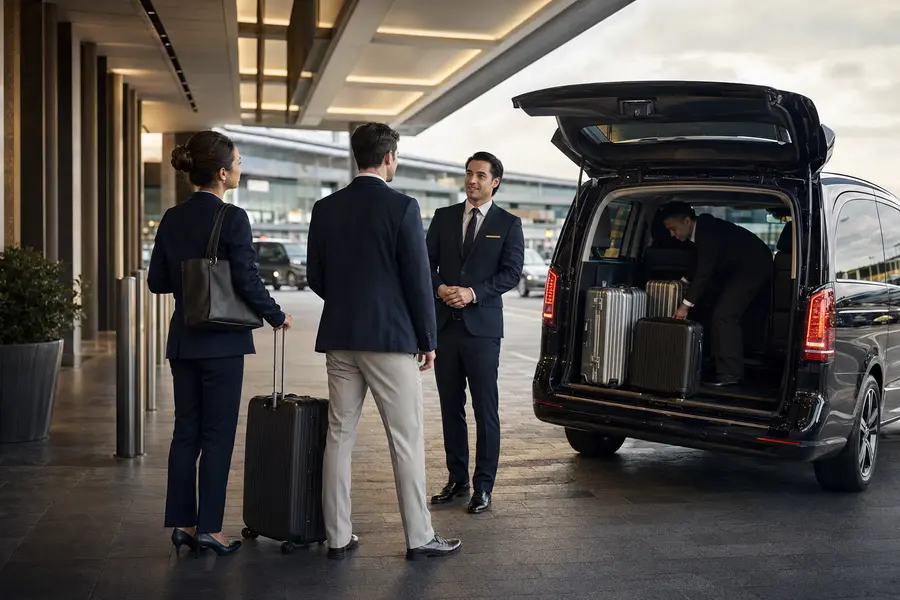
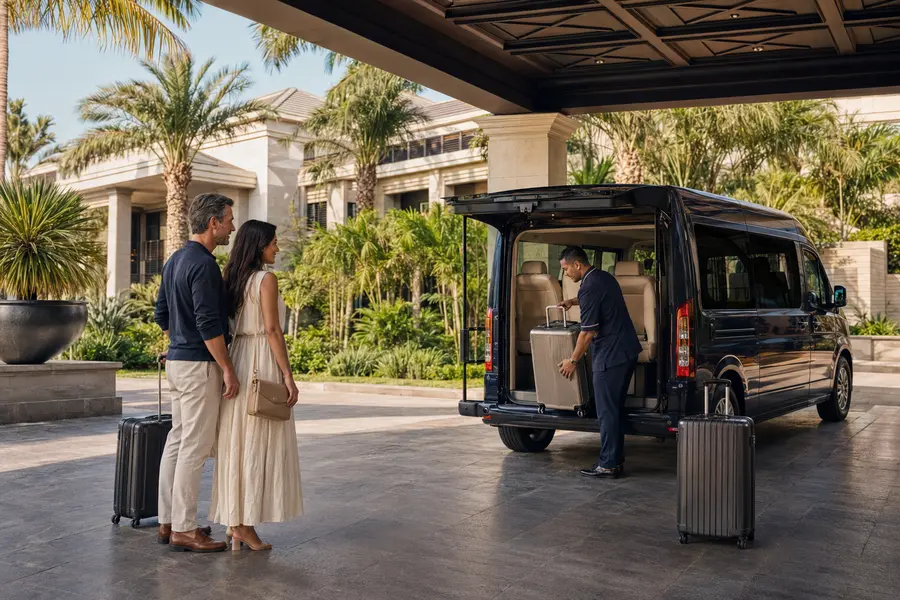
Coordinate wheelchair transfer equipment, shuttle accessories, luggage movement, and staff procedures as one guest journey.
Complete product directory
Search all 22 product families or narrow the directory by operational area. Each card can connect to its own dedicated landing page.
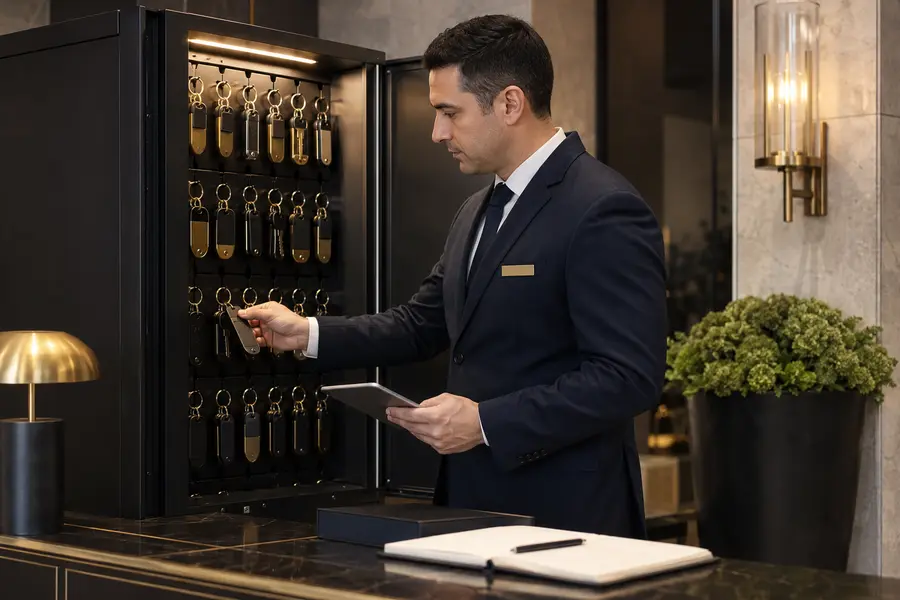

Showing all 22 product families
 01
Key Control
01
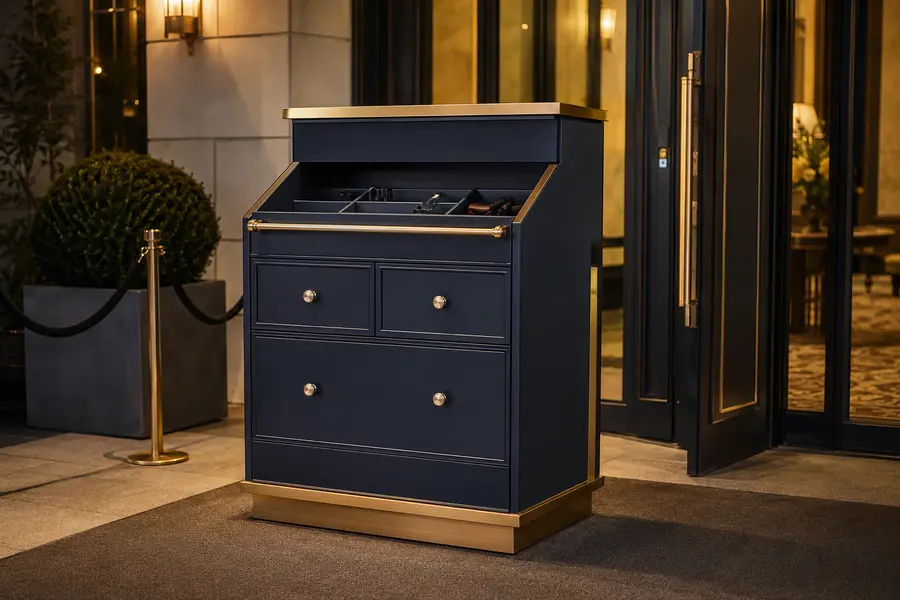
Key ControlWeather-ready workstations · Lockable storage · Brandable front panels
 02
Key Control
02
Key ControlNumbered hook layouts · Controlled access · Shift-ready organization
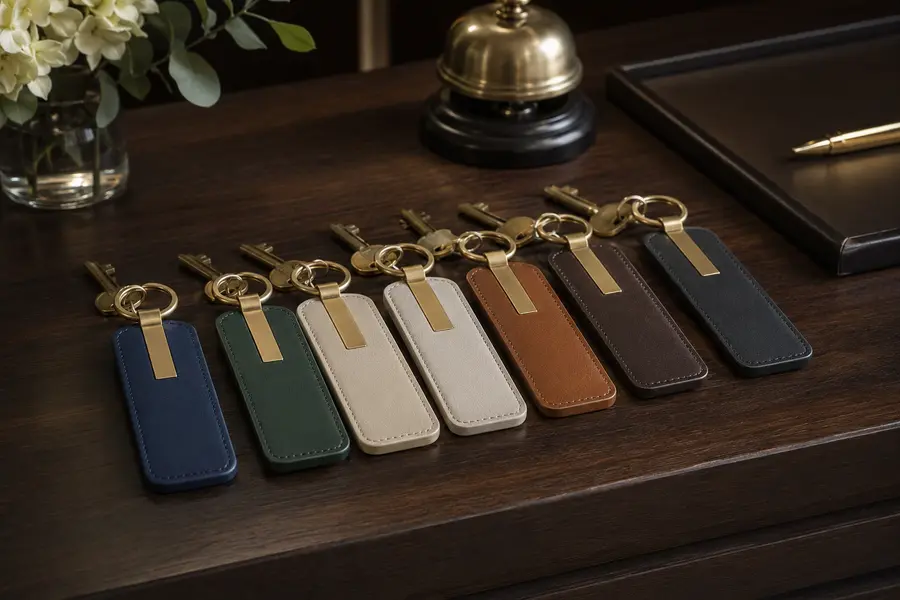 03
Key Control
03
Key ControlCoded identification · Durable materials · Fast key matching
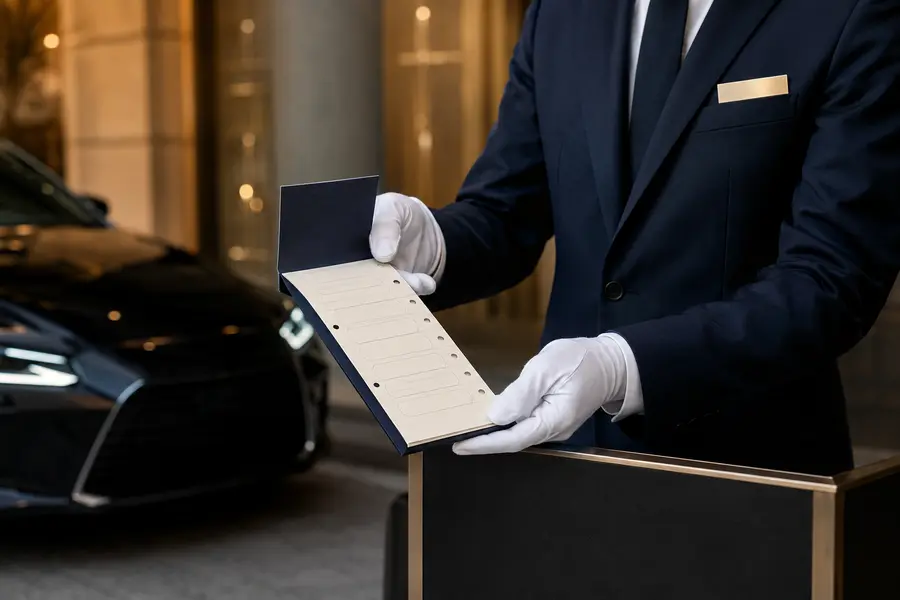 04
Key Control
04
Key ControlMulti-part formats · Sequential numbering · Custom printing
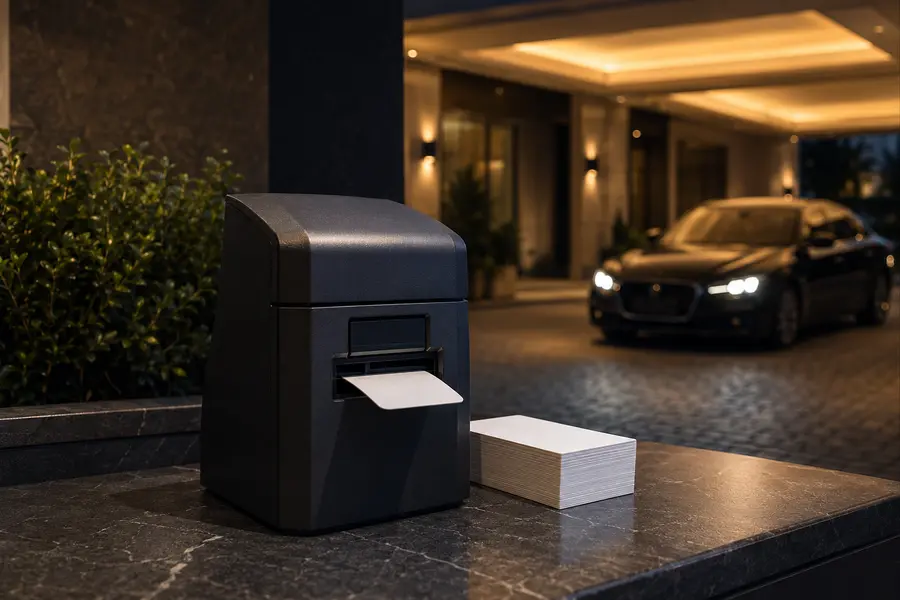 05
Key Control
05
Key ControlTime and location fields · Numbered control · Property branding
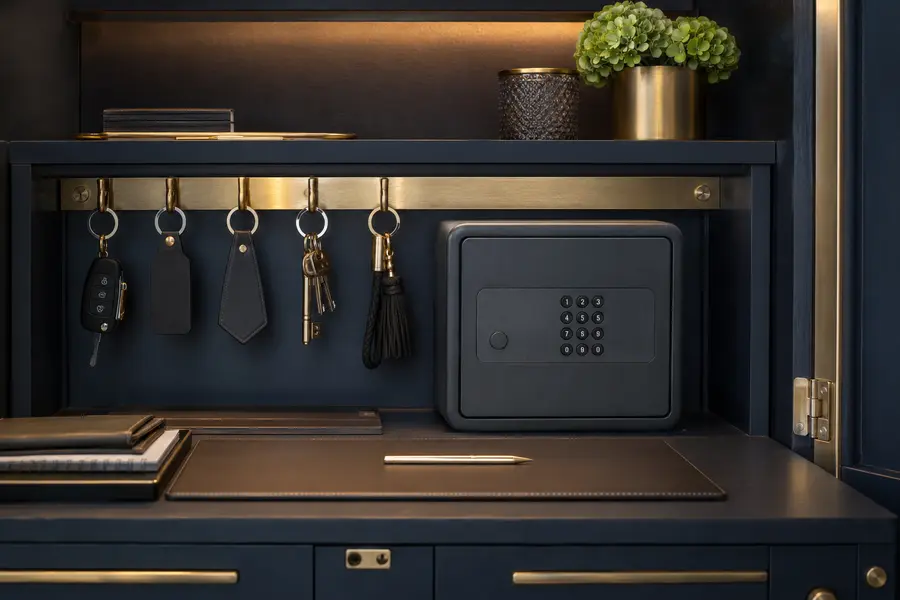 06
Key Control
06
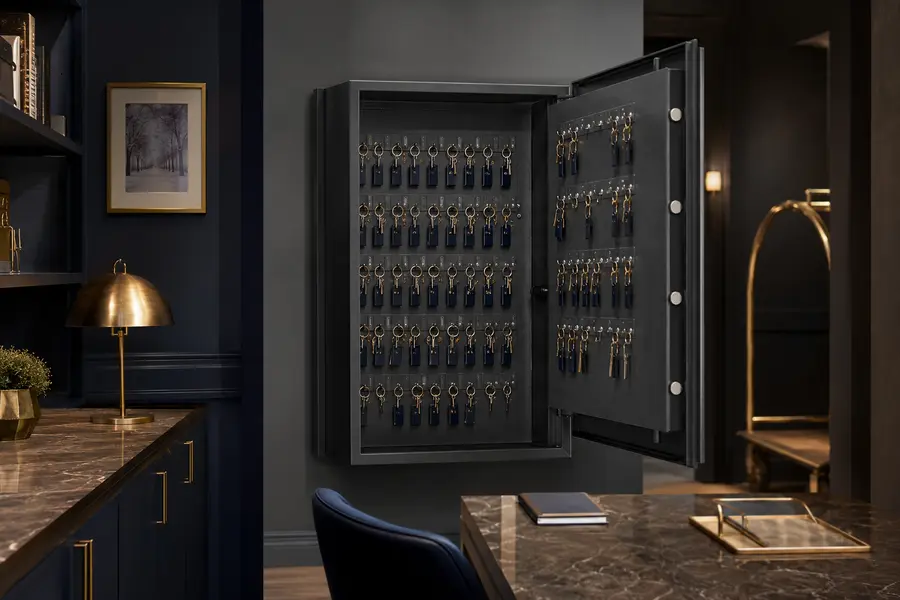
Key ControlSecure wall storage · After-hours access · Scalable hook capacity
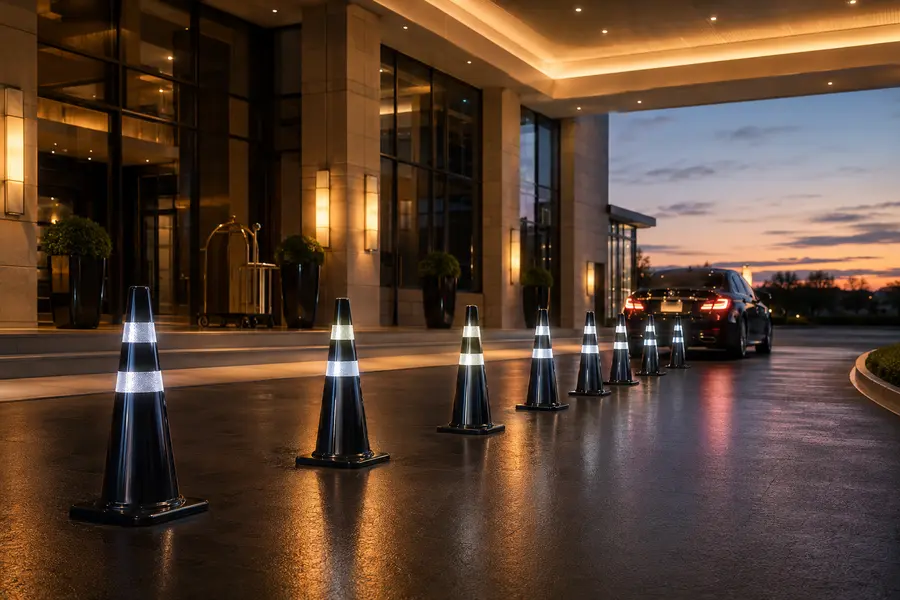 07
Traffic & Safety
07
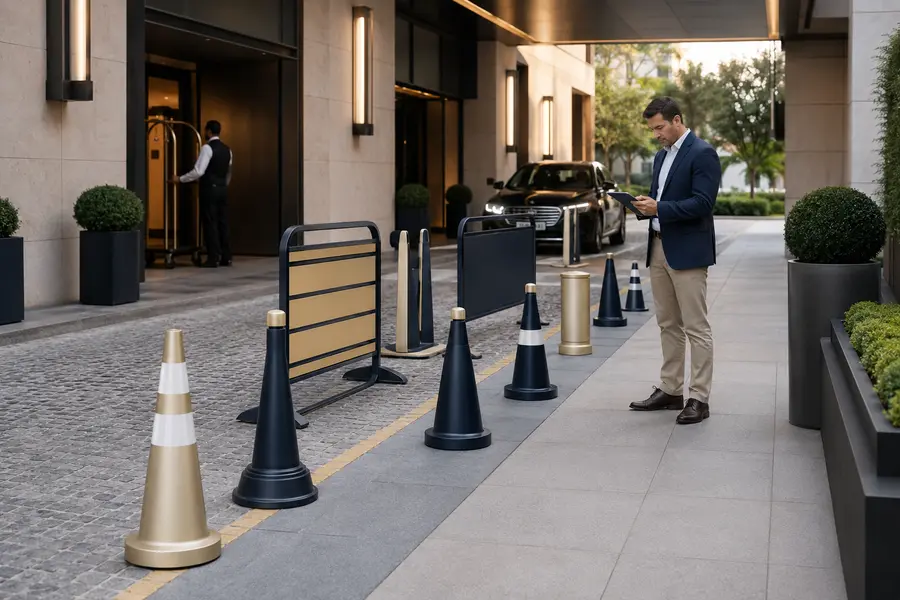
Traffic & SafetyHigh-visibility bodies · Reflective collars · Weighted bases
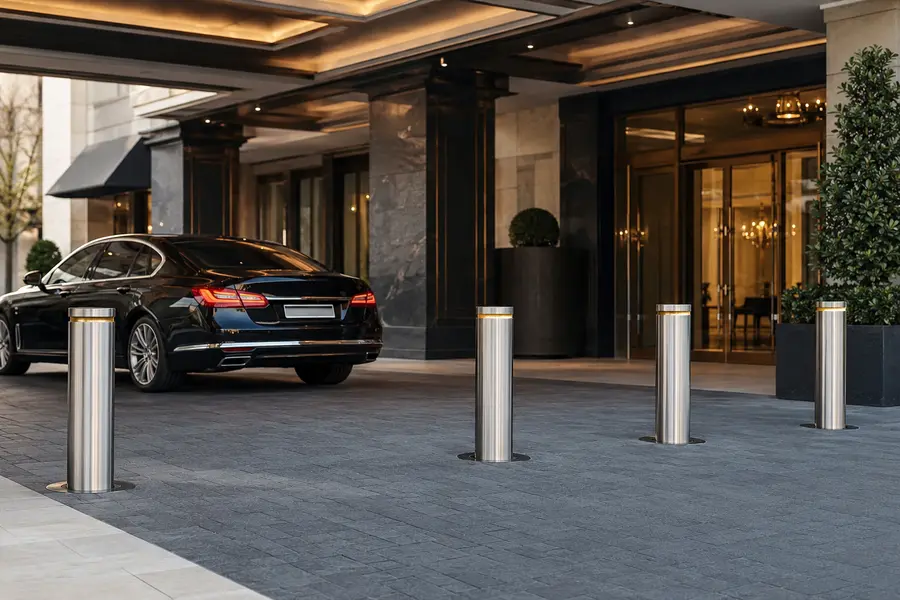 08
Traffic & Safety
08
Traffic & SafetyQueue guidance · Drive-lane separation · Portable placement
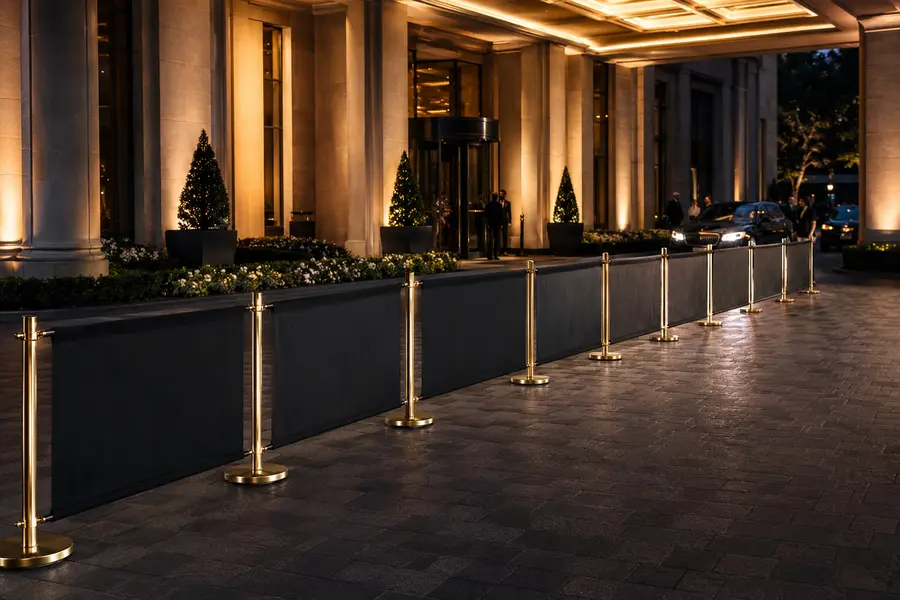 09
Traffic & Safety
09
Traffic & SafetyTemporary lane control · Expandable formats · Fast deployment
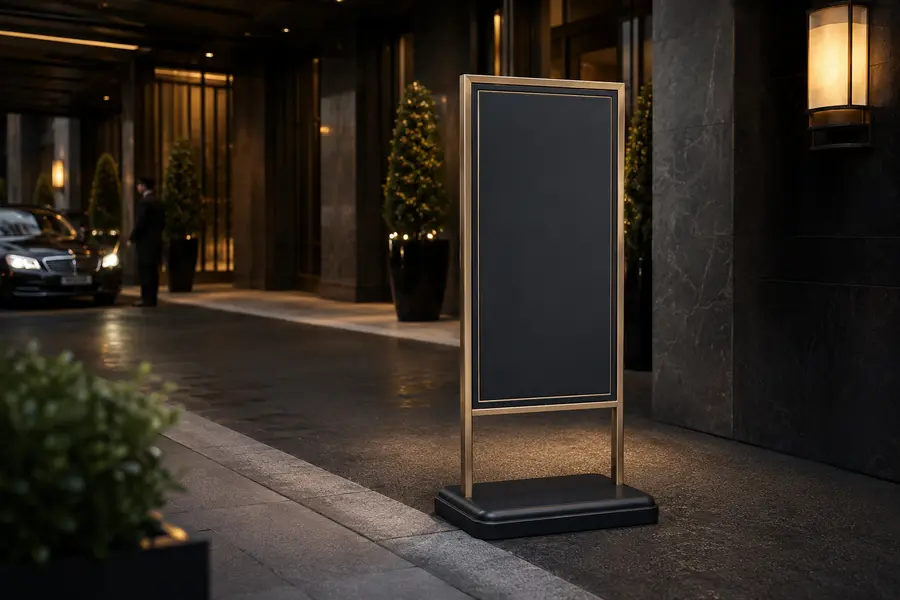 10
Traffic & Safety
10
Traffic & SafetyArrival directions · Rate displays · Custom property graphics
 11
Traffic & Safety
11
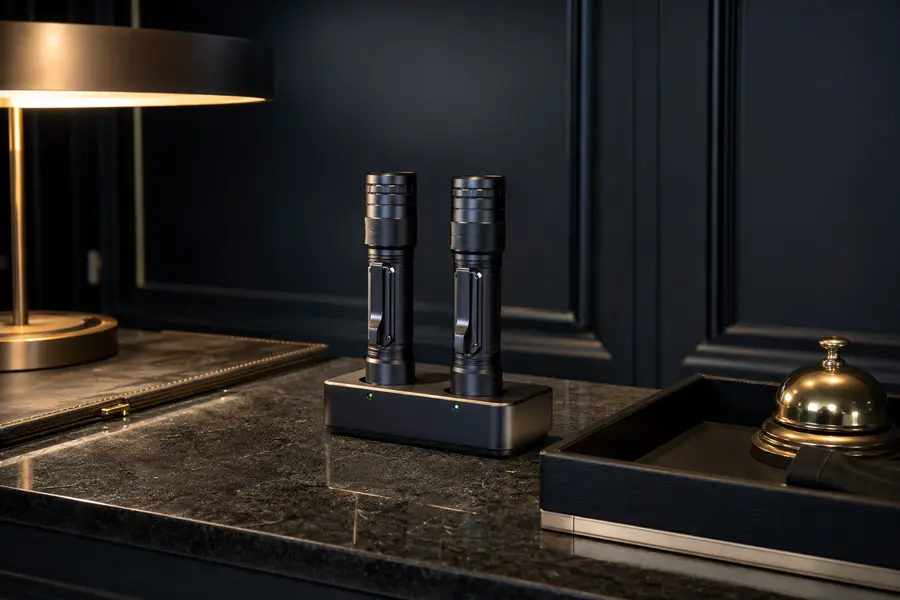
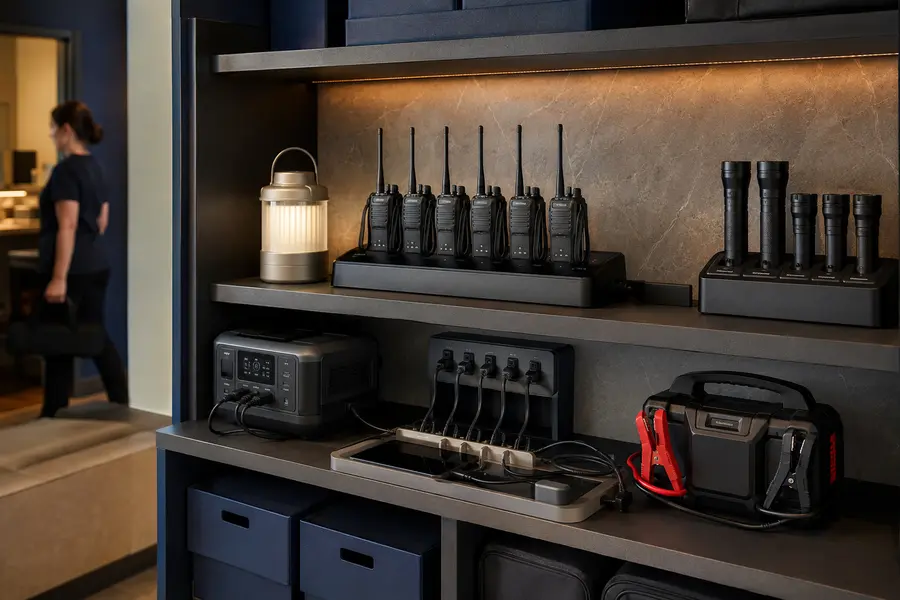
Traffic & SafetyNight-shift lighting · Rechargeable options · Weather resistance
 12
Traffic & Safety
12
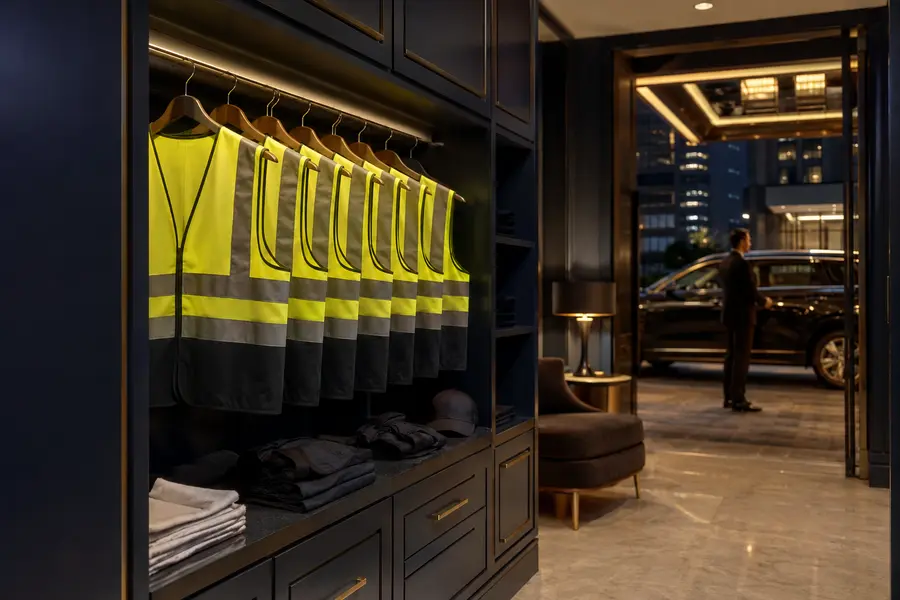
Traffic & SafetyHigh-visibility panels · Staff sizing · Role identification
 13
Traffic & Safety
13
Traffic & SafetyIlluminated direction · Day and night modes · Rechargeable models
 14
Vehicle Care
14
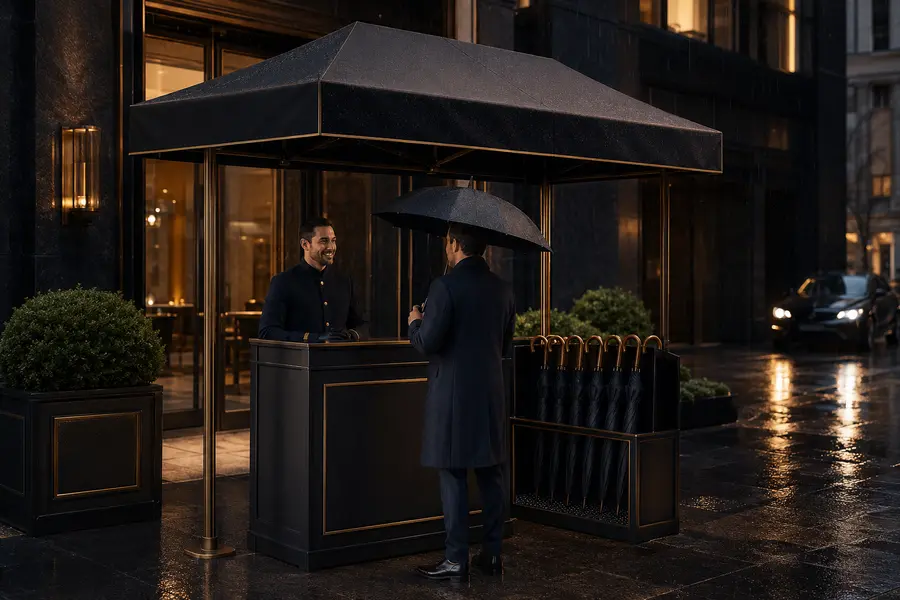
Vehicle CareGuest rain protection · Podium weather cover · Portable shelter
 15
Vehicle Care
15
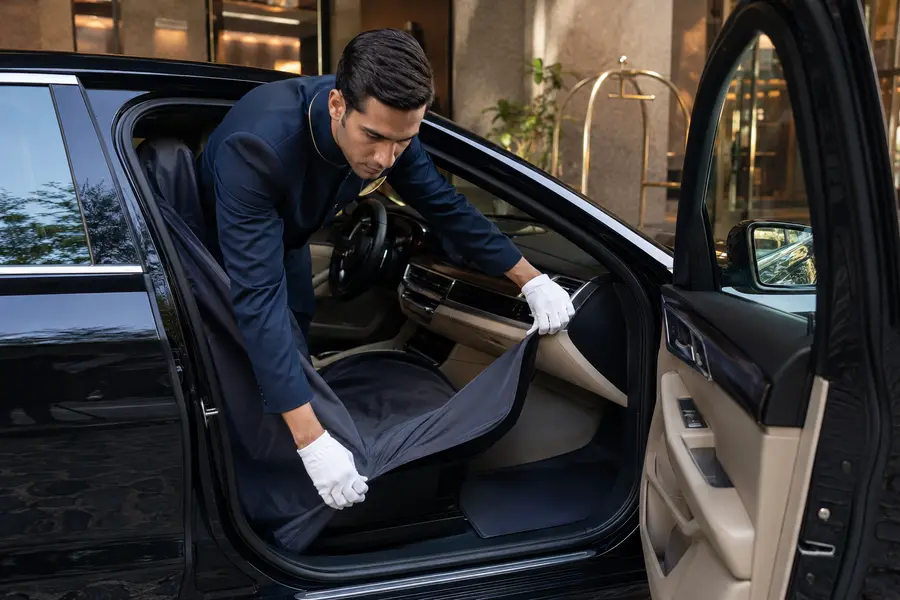
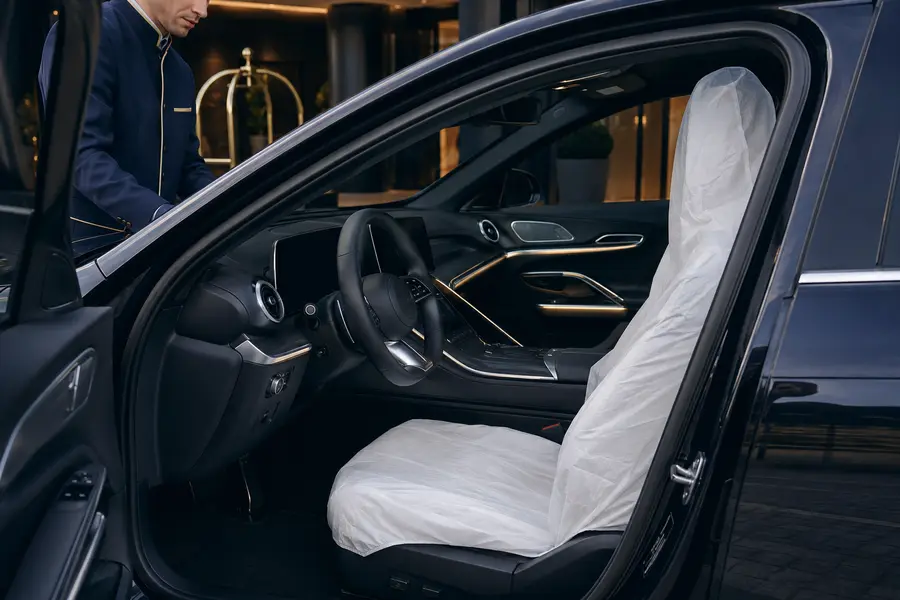
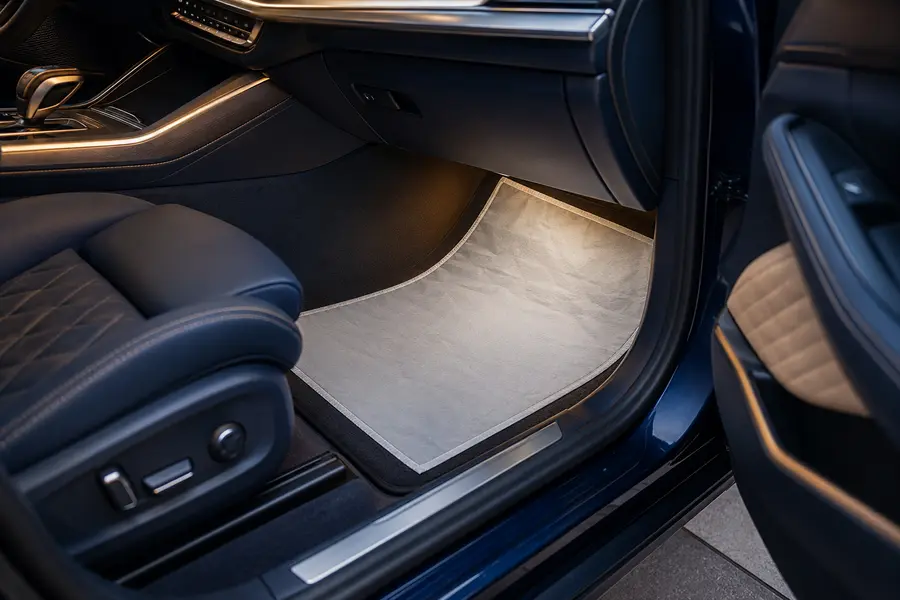
Vehicle CareTemporary upholstery protection · Disposable or reusable · Fast installation
 16
Vehicle Care
16
Vehicle CareVehicle interior protection · Water-resistant surfaces · Disposable options
 17
Vehicle Care
17
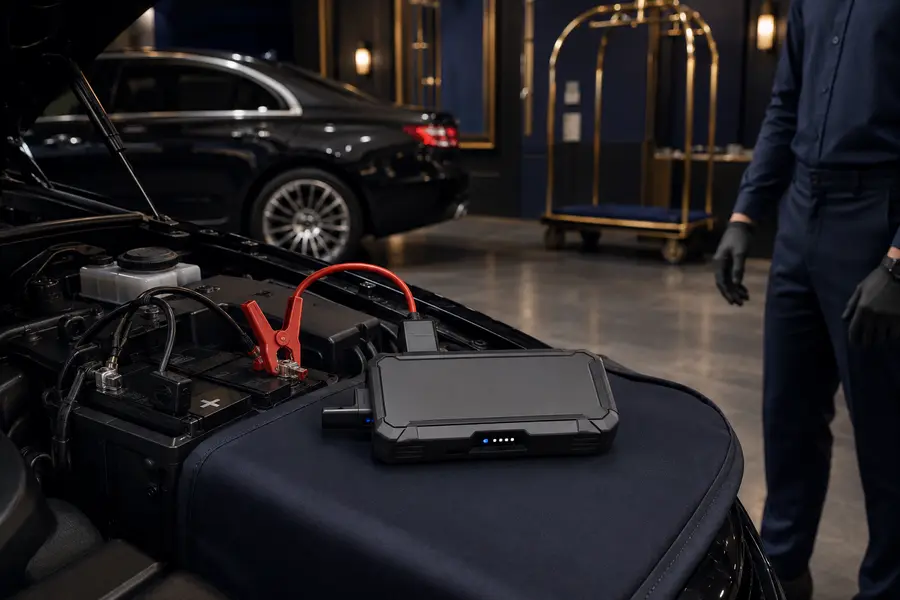
Vehicle CareEmergency starting power · Portable charging · Fleet-ready storage
 18
Vehicle Care
18
Vehicle CarePortable air delivery · Pressure monitoring · Emergency readiness
 19
Guest Transport
19
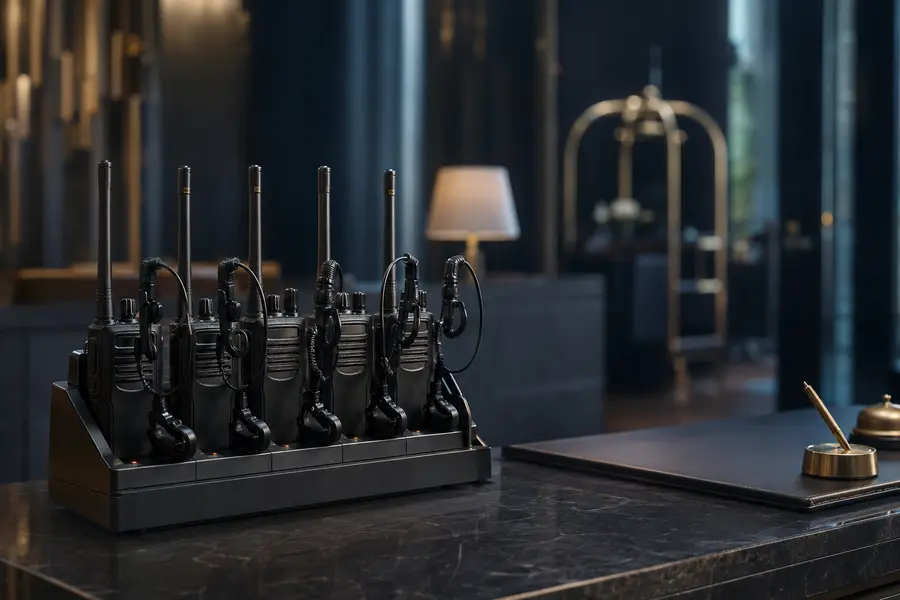
Guest TransportDispatch communication · Charging stations · Headset compatibility
 20
Guest Transport
20
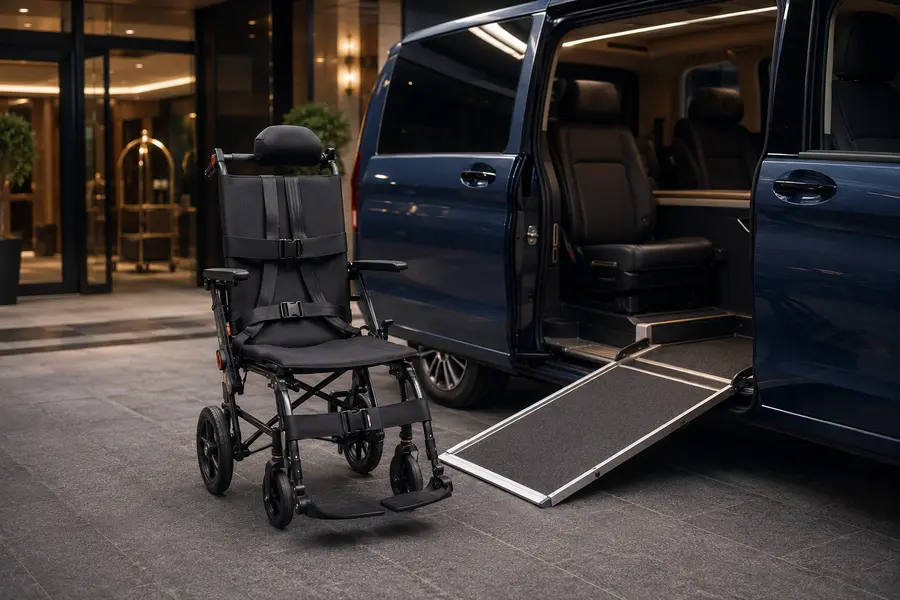
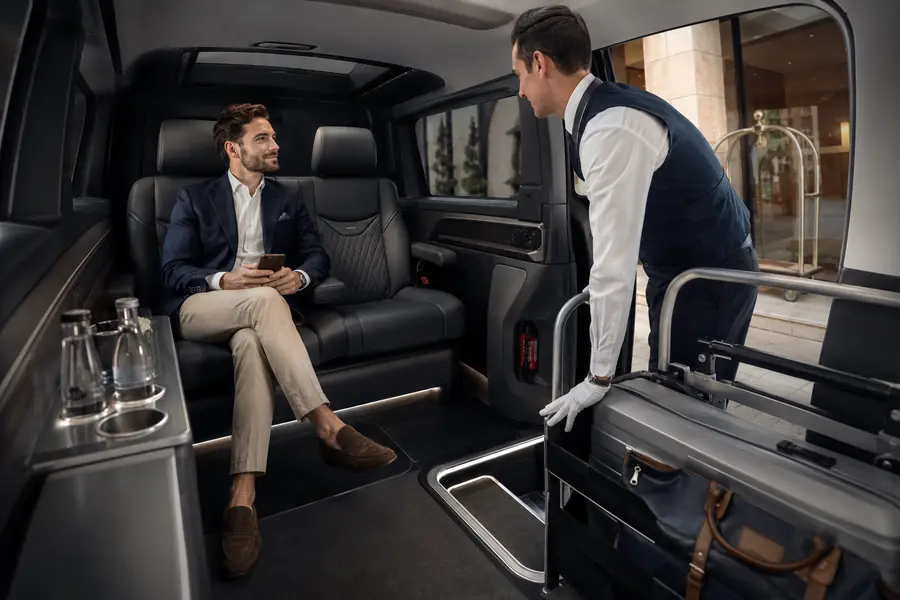
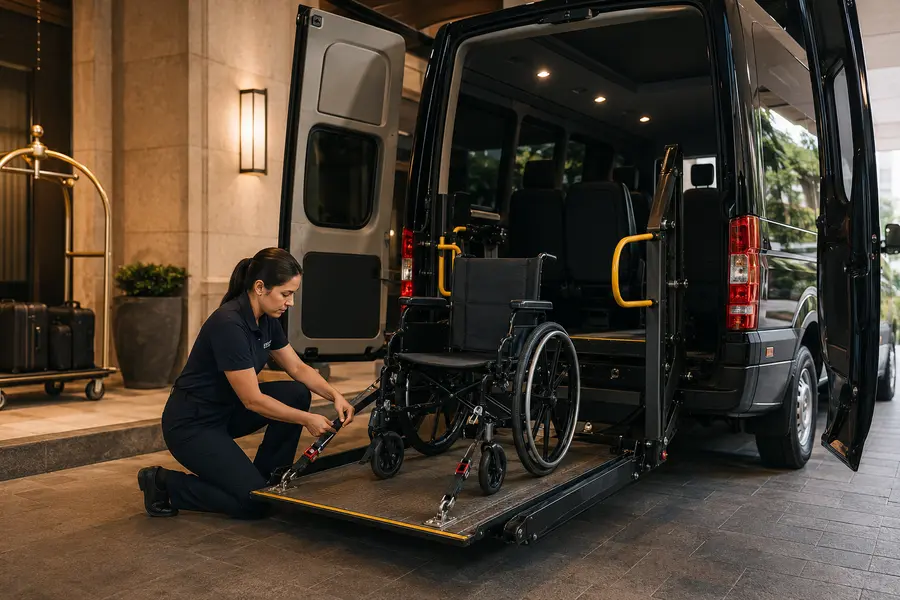
Guest TransportAccessible transfers · Securement accessories · Guest assistance
 21
Guest Transport
21
Guest TransportPassenger organization · Safety accessories · Driver support
 22
Guest Transport
22
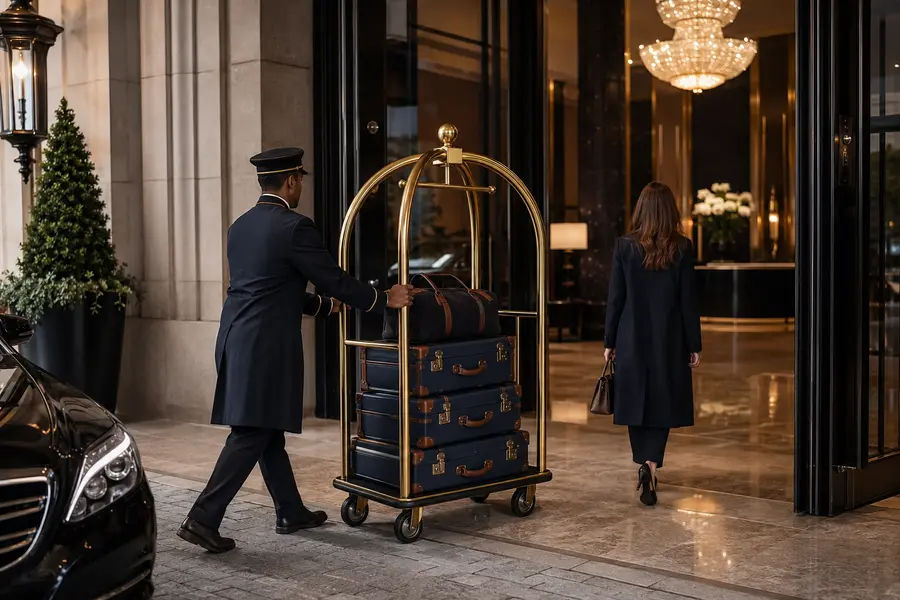
Guest TransportShuttle loading · Terminal transfers · Durable rolling frames
Try a broader product term or reset the procurement-area filter.
A clearer arrival-operations workflow
A useful valet RFQ connects traffic volume, key accountability, equipment placement, staff communication, weather exposure, vehicle protection, and guest-transport needs.
 01
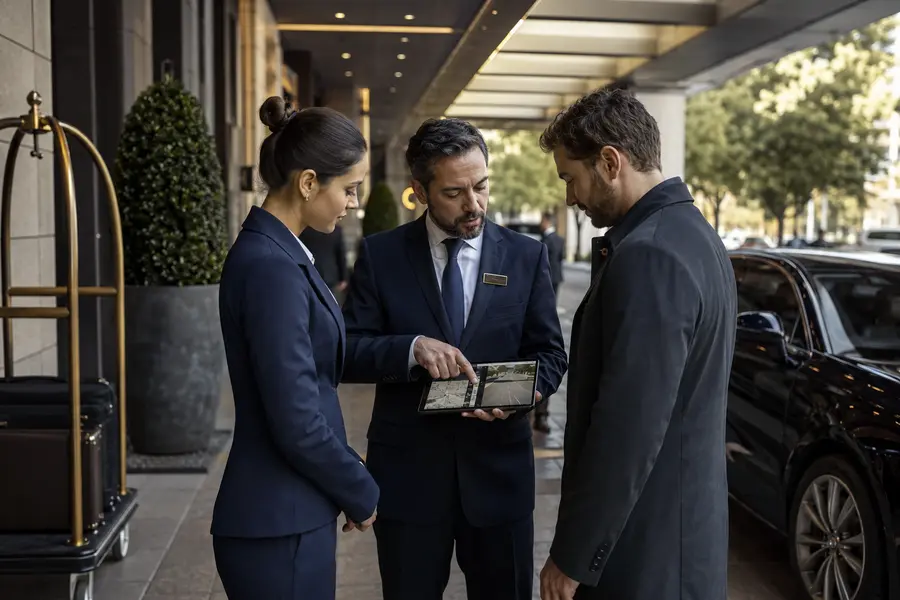
01Property type, drive-lane layout, service hours, peak vehicles, staffing, shuttle use, and guest-assistance requirements.
 02
02Set podium capacity, hook count, ticket format, visibility, weather resistance, power, dimensions, materials, and branding.
 03
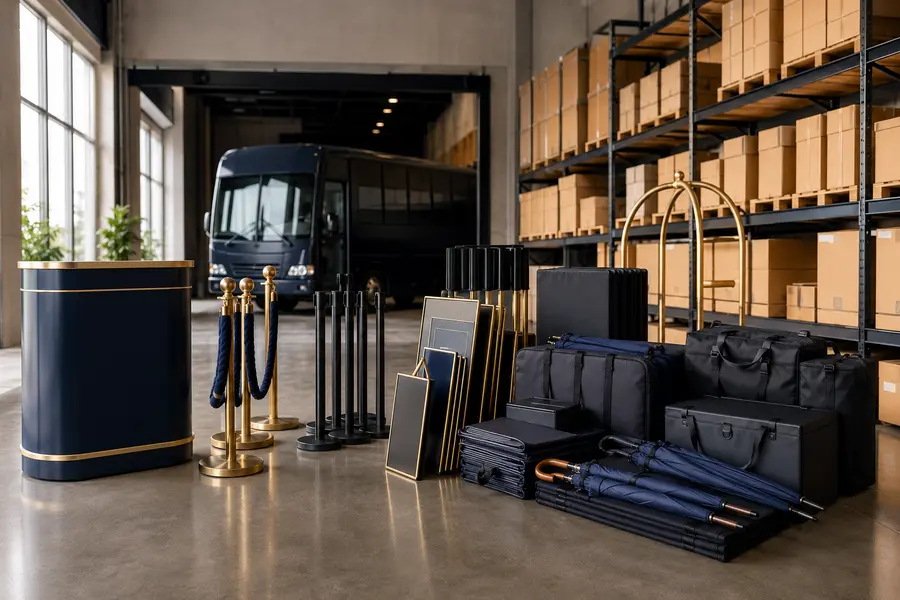
03Align all 22 product families, quantities, spare allowances, customization, samples, packaging, and delivery priorities.
 04
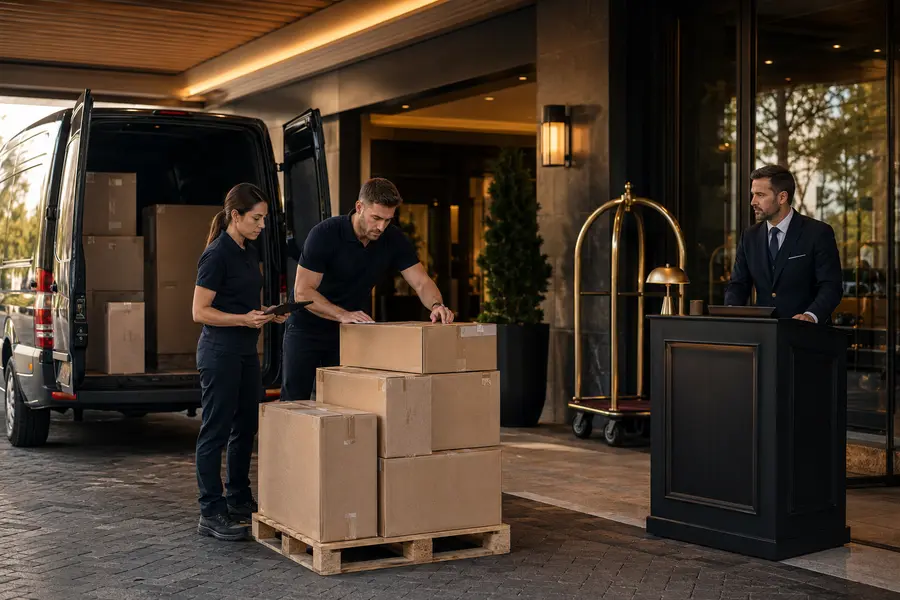
04Confirm samples, commercial terms, production milestones, shipment labels, receiving contacts, and opening-date buffers.
Practical valet buyer toolkit
Make every proposed option answer the same questions about security, visibility, durability, weather exposure, vehicle compatibility, staff workflow, and guest accessibility.

Define daylight and night visibility, reflective surfaces, lane width, wind exposure, base weight, viewing distance, and storage location.
Buyer prompt: Can drivers understand the route before reaching the handoff point?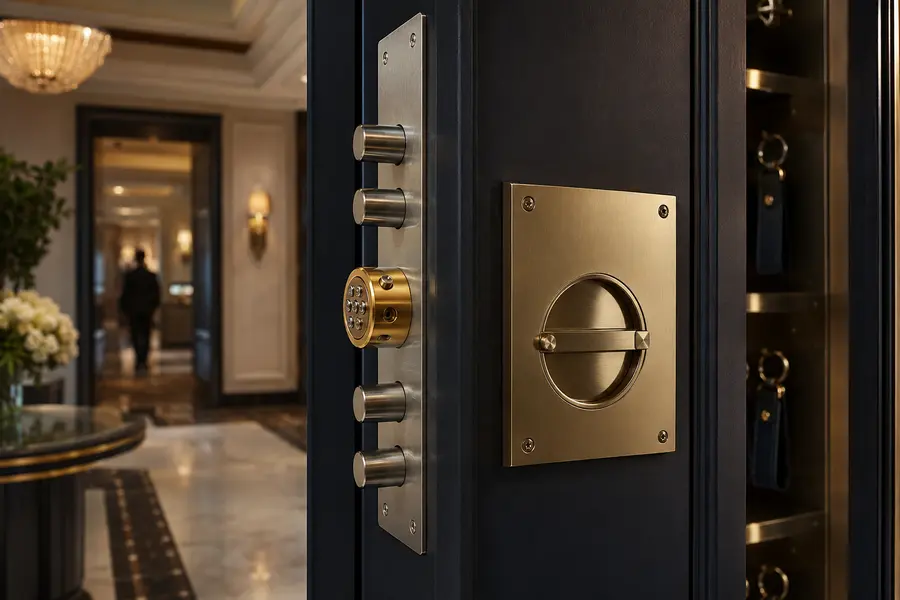
Record hook capacity, cabinet construction, lock type, authorized roles, after-hours access, duplicate-key policy, and missing-ticket procedure.
Buyer prompt: Who can reach each key, and how is every handoff reconciled?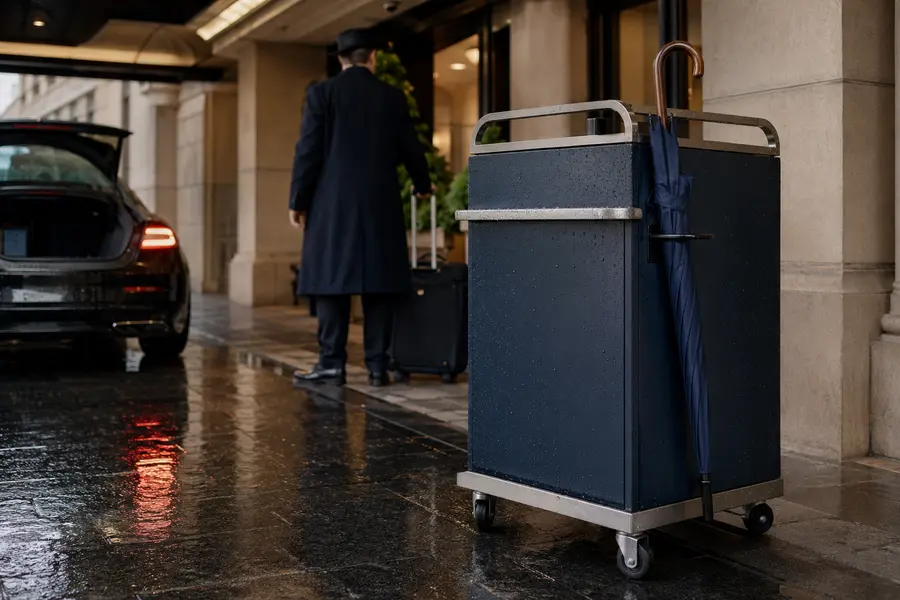
Specify rain, UV, corrosion, temperature, wind, cleaning, charging, consumable replacement, spare parts, and off-season storage conditions.
Buyer prompt: What will remain outdoors, and what must move inside after each shift?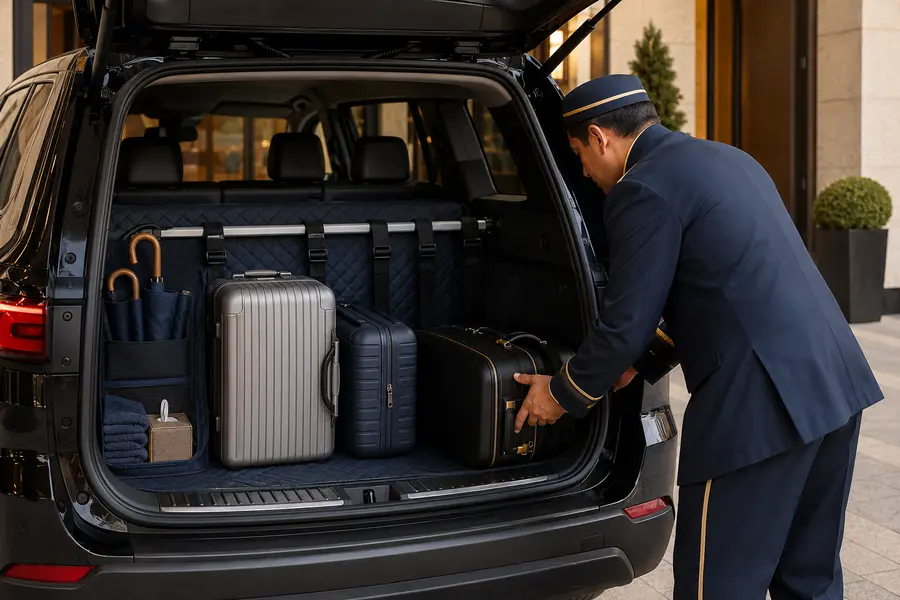
List vehicles, shifts, lanes, podiums, staff, opening par, spares, case packs, customization, delivery address, receiving limits, and required date.
Buyer prompt: Is the quantity sized for a normal shift, a peak event, or both?Purchase-order control
Small mismatches can interrupt a live shift. Confirm that the approved quote, samples, artwork, charging plan, purchase order, and delivery instructions describe the same operating system.
Request a specification-based quote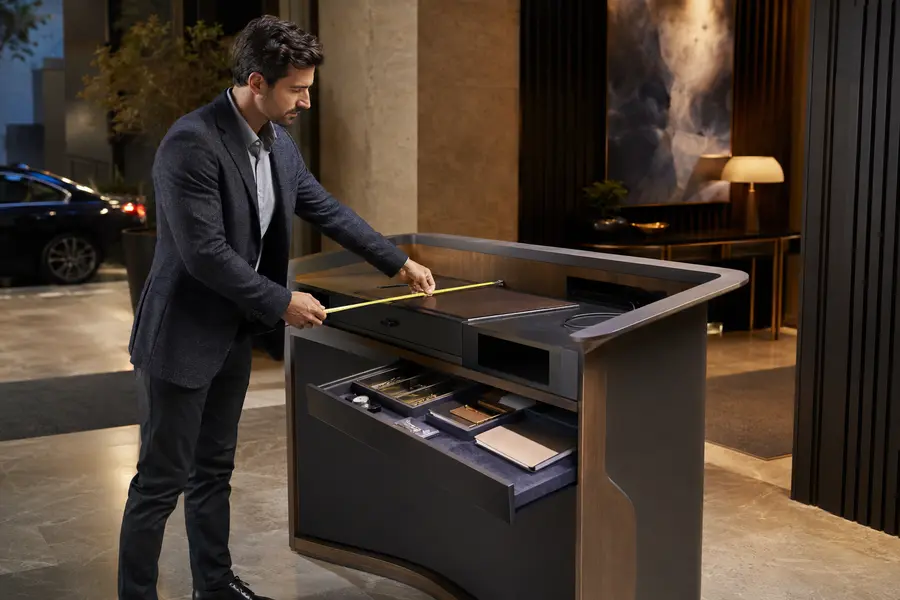

Receiving & damage control
Give the receiving team the purchase order, packing list, inspection checklist, setup plan, operating owner, and escalation route before equipment arrives.
 01
01Verify podium placement, lane visibility, barrier stability, ticket sequence, and key-storage capacity in daylight.
 02
02Test flashlights, traffic wands, reflective apparel, radio clarity, charging, and sign legibility after dark.
 03
03Rehearse canopy, umbrella, wet-floor, vehicle-protection, and equipment-storage procedures in bad weather.
 04
04Run a peak-volume exercise for queues, ticket handoffs, radio calls, overflow keys, and staff role changes.
 05
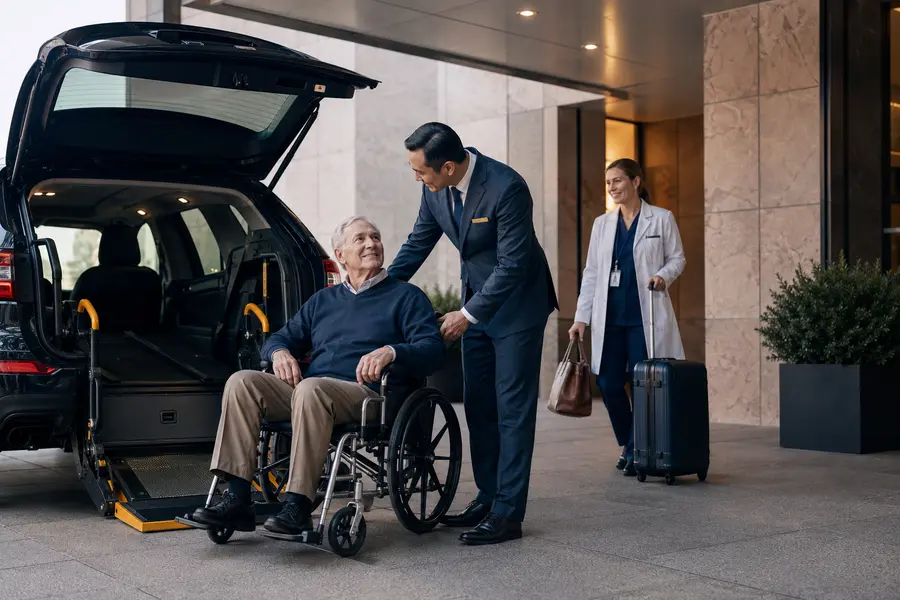
05Confirm accessible transfer equipment, luggage handling, shuttle loading, and staff assistance procedures.
Designed for live arrival operations
The directory connects the guest-facing arrival standard with the security, traffic, weather, communication, vehicle, and logistics realities behind every shift.
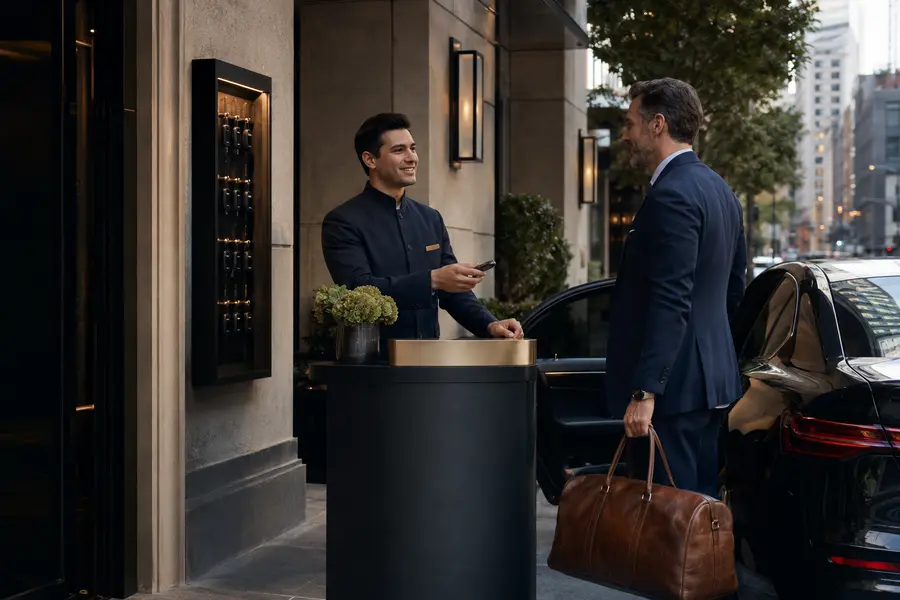
Connect podiums, tickets, keys, radios, lane-control products, protection supplies, and transport equipment.
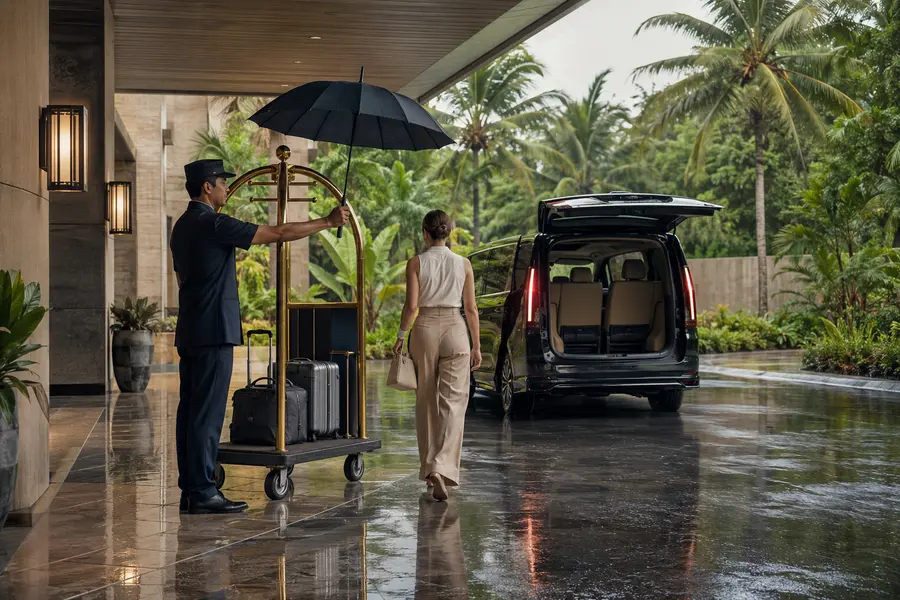
Align colors, finishes, signage, ticket artwork, staff visibility, and guest touchpoints with the service environment.
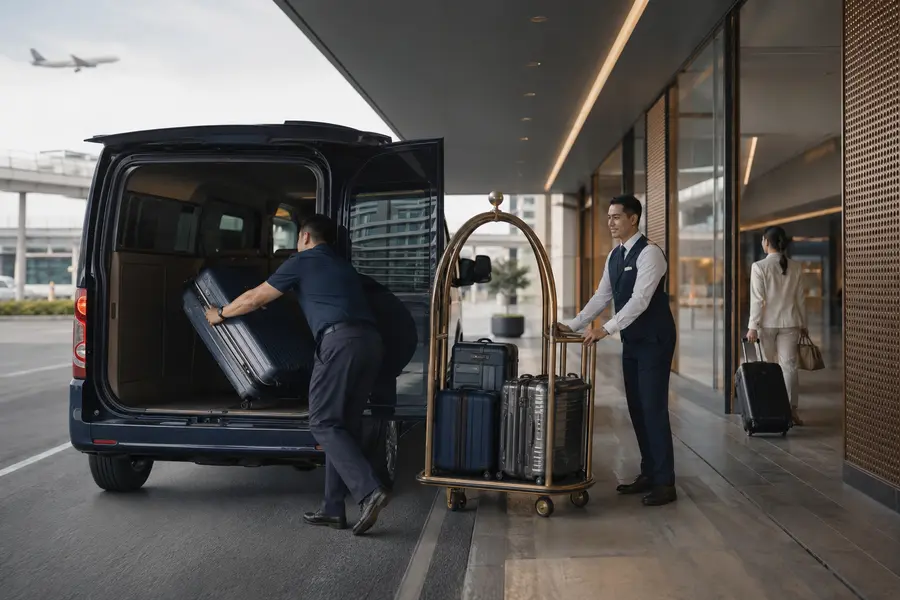
Support shuttles, accessible transfers, terminal movements, luggage staging, and rapid vehicle changeovers.
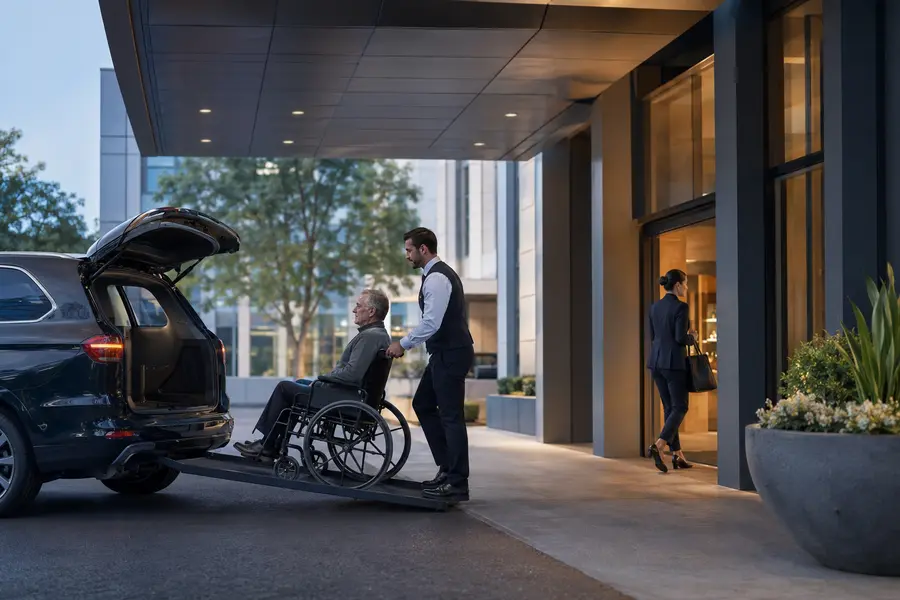
Include transfer equipment, securement, communication, luggage handling, and staff readiness in one purchasing scope.

Valet procurement questions
Use these starting points to size the operating system, reduce avoidable clarification, and compare supplier proposals on the same basis.
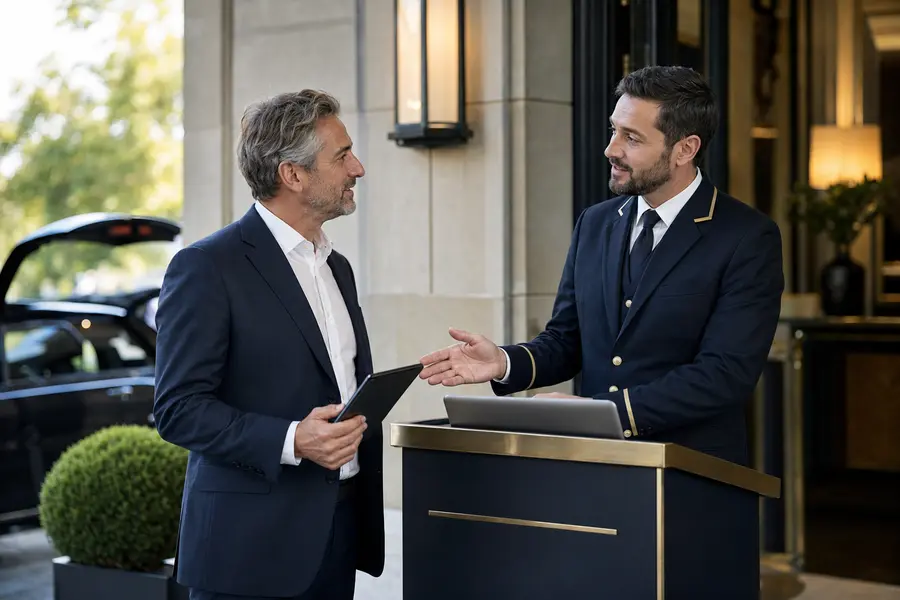
Include the property type and location, drive-lane layout, service hours, peak vehicle count, staffing, podium and key capacity, required product families, quantities, branding, weather exposure, delivery destination, and target date.
Use the peak number of vehicles and keys held at one time, shift overlap, ticket workflow, staff positions, storage needs, weather exposure, electrical requirements, and available footprint. Add a documented allowance for peak events and operational growth.
Capture only what is needed to connect the guest receipt, key tag, vehicle, parking location, and service event. The exact fields should follow the property workflow and privacy policy.
Many products can support custom colors, finishes, printed artwork, numbering, logos, or property-specific wording. Confirm minimum quantities, artwork format, color tolerance, setup costs, samples, and production lead time.
Define exposure to rain, sun, salt, wind, temperature, dust, impact, and cleaning chemicals. Confirm corrosion resistance, UV stability, drainage, base weight, covers, storage, electrical protection, and the conditions covered by warranty.
Start with lane width, vehicle speed, sight lines, pedestrian paths, deployment frequency, wind, storage, day and night visibility, local requirements, and the exact message drivers must understand.
Confirm required range in the actual property, building and garage obstructions, channel plan, battery duration, charging capacity, headset compatibility, licensing obligations, weather resistance, spare batteries, and replacement support.
Size the order for the largest shift, supervisors, relief staff, simultaneous lanes, charging rotation, cleaning, damage, and emergency spares. Record size distribution and ownership or shared-use policy for wearable items.
Seat covers and protective floor mats can reduce contact with wet, dirty, or work-worn clothing and footwear. Select materials, fit, installation time, disposal or cleaning method, storage, and guest-facing presentation for the operating context.
They may support a documented assistance policy, but equipment capacity, battery chemistry, inspection, storage, charging, staff training, vehicle compatibility, authorization, and liability procedures should be reviewed before use.
Define the vehicle, boarding method, wheelchair dimensions, securement, ramps or lifts, transfer aids, luggage handling, staff training, inspection, storage, cleaning, and applicable destination-market and property requirements.
Compare load capacity, platform dimensions, wheel type, brake, turning radius, elevator and vehicle fit, frame finish, bumpers, weather exposure, storage footprint, and the luggage volume expected per shuttle movement.
Yes. Organize the request by key control, traffic and safety, vehicle readiness, and guest transport. Identify shared finishes, branding, delivery dates, approval owners, and any technically sensitive items that require separate samples.
Samples, finish chips, printed-ticket proofs, signage artwork, podium materials, vest sizing, or pre-production units may be appropriate. Define the approver, tolerance, deadline, and effect of approval on production lead time.
Normalize the specification, quantity, unit, customization, packaging, included accessories, warranty, delivery basis, taxes, duties, freight, lead time, samples, and exclusions. A lower unit price is not comparable when capacity or commercial basis differs.
Stock status, order volume, podium construction, printing, custom colors, sample approval, electronics, packaging, production capacity, export documents, freight, customs, and delivery appointments can all affect timing. Confirm when the quoted lead time starts.
Photograph cartons, count units, inspect impact and moisture, verify models, dimensions, finishes, numbering, artwork, accessories, keys, chargers, manuals, and visible damage. Test the operating system before discarding packaging or opening the service.
Confirm warranty duration and start date, covered parts, exclusions, claim process, service territory, replacement locks or keys, chargers, batteries, lamps, printed consumables, wear parts, manuals, and support after a model is discontinued.
Direct contact
Choose the office and channel that work best for your valet or guest-transport project. Both teams can help route specifications, sampling, quotation, customization, and delivery questions.
+1 514 907 1637
+86 155 2127 1637

Your valet sourcing brief starts here
Share the property type, lane layout, vehicle volume, key capacity, product families, quantities, customization, and target delivery date for a reviewable sourcing request.