
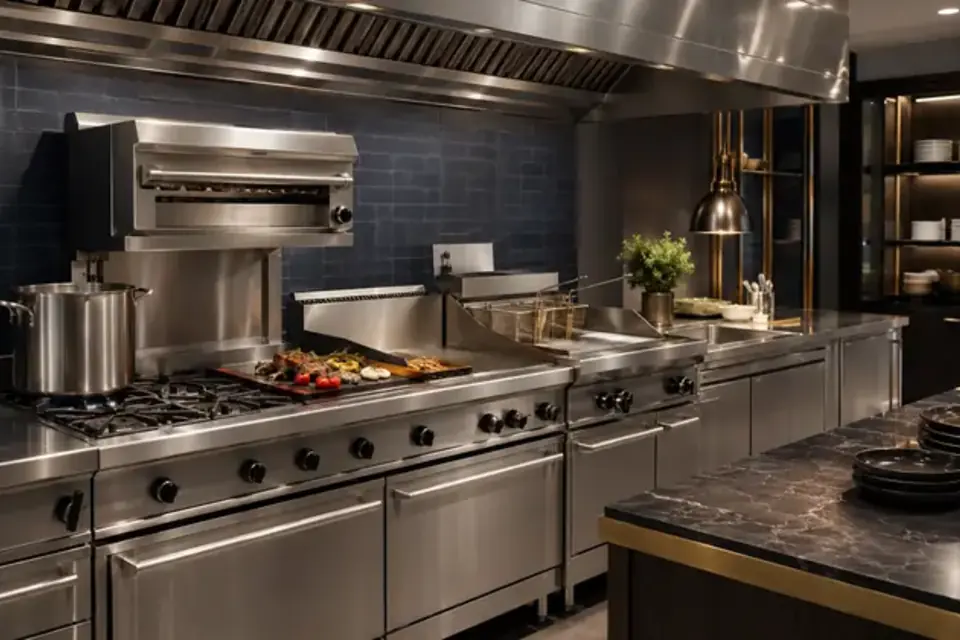
New Kitchen Opening
Build a preparation-equipment schedule around menus, stations, production volume, training, and opening-day spares.
Commercial kitchen preparation, specified clearly
Source processing, cutting, mixing, meat-preparation, refrigerated-prep, packaging, and control equipment through one specification-led buying path.
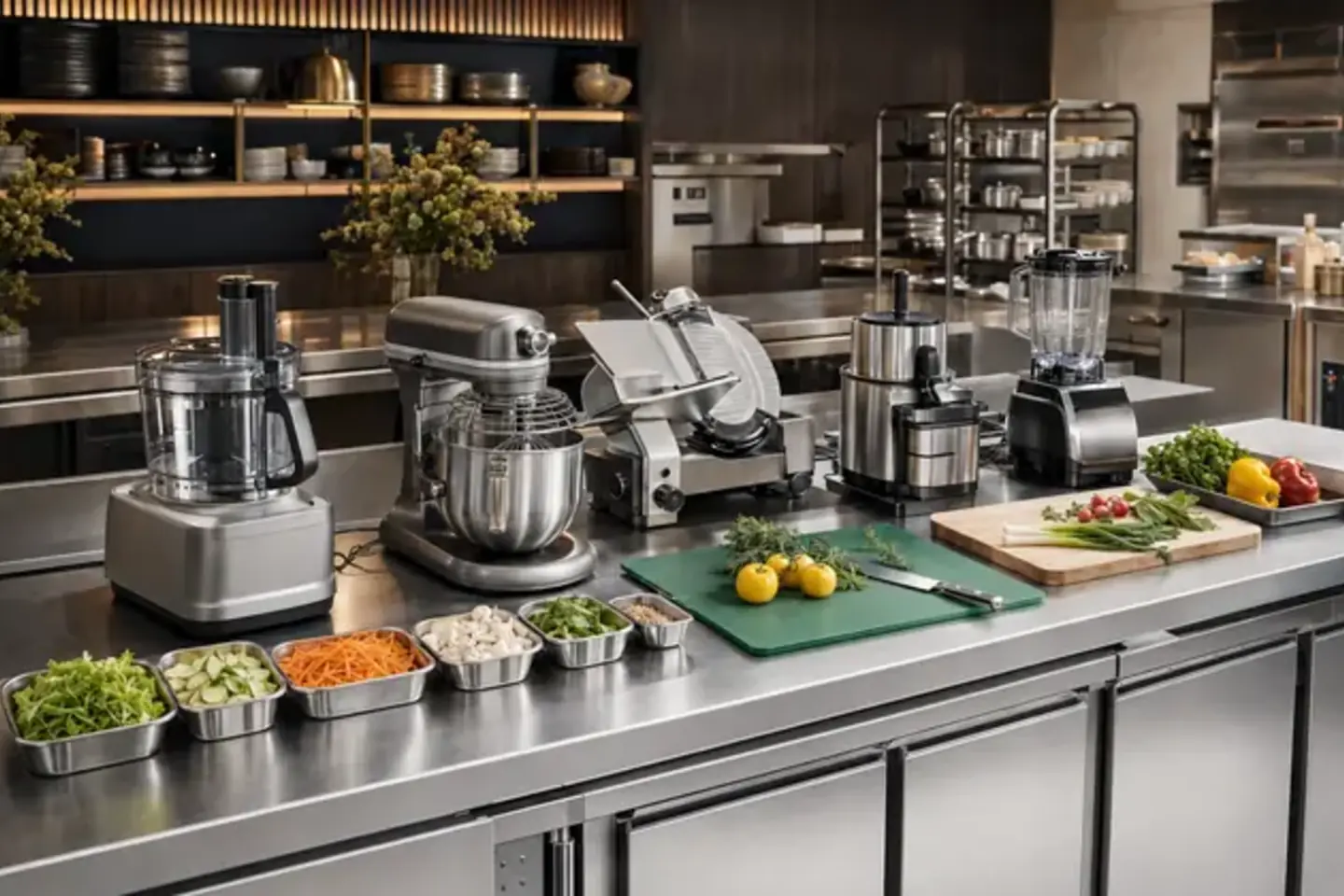
Start with the preparation workflow
Begin with the food-preparation task and operating volume, then narrow the category by capacity, duty cycle, sanitation, operator safety, and available services.
Build a preparation-equipment schedule around menus, stations, production volume, training, and opening-day spares.
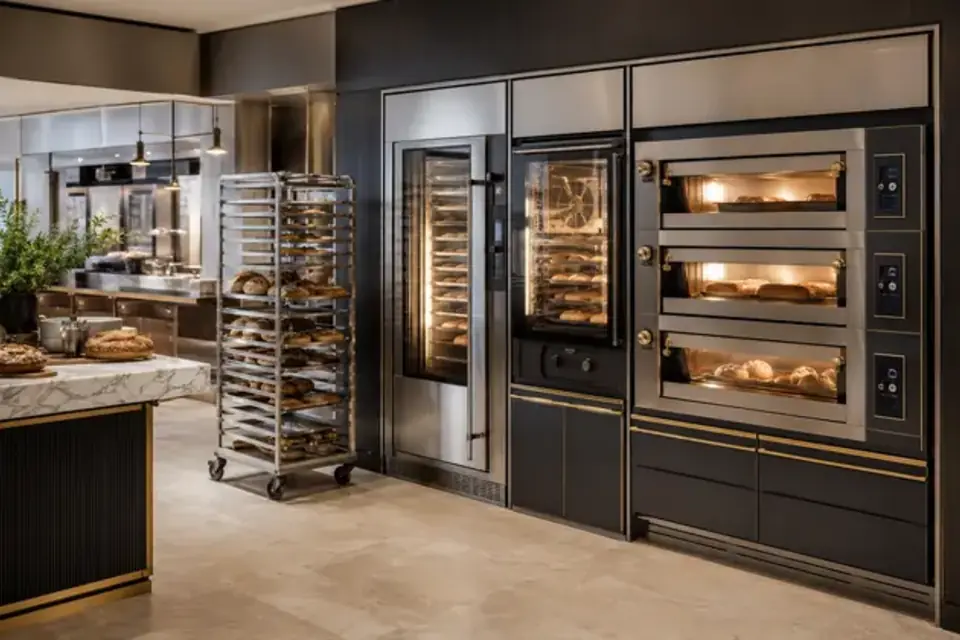
Replace or relocate equipment while checking clearances, utilities, ventilation, workflow, and service access.
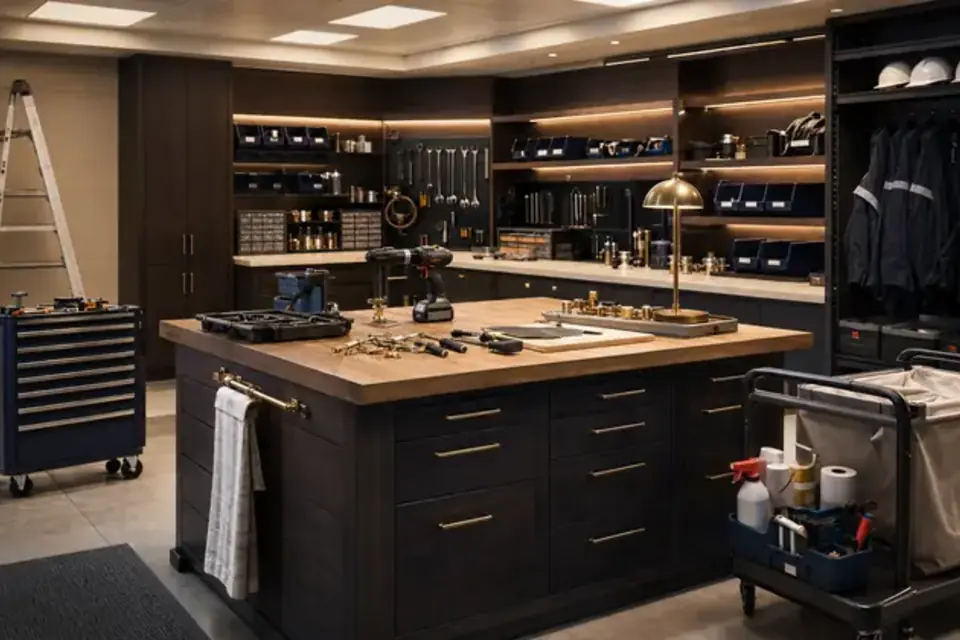
Compare the installed model with a compatible replacement before downtime, capacity loss, or utility mismatch escalates.
Standardize approved capacities, controls, materials, accessories, replacement parts, and operating procedures.
Complete equipment directory
Search the directory by equipment family. Every card is ready to connect to its own dedicated commercial landing page.

Showing all 25 categories

Batch Bowl Processors · Continuous-Feed Processors · Combination Processors

Disc Vegetable Cutters · Dicing Machines · Julienne Cutters

Bowl Choppers · Buffalo Choppers · Vertical Cutter Mixers

Planetary Mixers · Spiral Mixers · Floor Mixers

Manual Slicers · Automatic Slicers · Heavy-Duty Slicers

Countertop Grinders · Floor Grinders · Mixer-Grinders

Countertop Bone Saws · Floor Bone Saws · Safety-Guarded Saws

Strip Cutters · Blade Tenderizers · Combination Tenderizers

Abrasive Peelers · Bench Peelers · Floor Peelers

Centrifugal Juicers · Citrus Juicers · Cold-Press Juicers

High-Performance Blenders · Sound-Enclosure Blenders · Bar Blenders

Light-Duty Stick Blenders · Heavy-Duty Stick Blenders · Detachable-Shaft Blenders

Portion Scales · Receiving Scales · Washdown Scales

Undershelf Worktables · Backsplash Worktables · Mobile Worktables

Single-Bowl Prep Sinks · Drainboard Sinks · Produce Prep Sinks

Sandwich Prep Counters · Pizza Prep Counters · Salad Prep Counters

Manual Table-Mount Openers · Electric Can Openers · Crown Punch Openers

Chamber Vacuum Sealers · External Vacuum Sealers · Double-Chamber Sealers

Cabinet Dehydrators · Tray Dehydrators · Programmable Dehydrators

Immersion Circulators · Sous-Vide Baths · Temperature-Controlled Tanks

Manual Salad Spinners · Electric Salad Spinners · Floor-Standing Spinners

Probe Thermometers · Infrared Thermometers · Data-Logging Thermometers

Multi-Channel Timers · Digital Kitchen Timers · Water-Resistant Timers

Ingredient Containers · Food Pans · Lidded Prep Boxes

Replacement Blades · Seals & Gaskets · Couplers & Attachments
Try a broader product term or reset the procurement-area filter.
A clearer equipment workflow
Reliable selection starts with the menu, batch size, peak output, operator skill, cleaning method, utilities, footprint, and service plan—not a machine name alone.
Menu items, ingredient condition, desired cut or texture, batch size, peak-hour volume, and production schedule.
Footprint, counter or floor location, voltage and phase, water, drainage, ventilation, clearances, and access route.
Normalize capacity, duty cycle, materials, safety controls, sanitation, accessories, certifications, warranty, and lead time.
Align the approved model, utilities, accessories, spare parts, manuals, delivery, installation, training, and service contacts.
Practical equipment toolkit
Comparable quotations require the same performance target, utility basis, safety expectation, accessory scope, and delivery terms. Capture those requirements before supplier outreach.
State the ingredient, starting condition, desired result, batch or continuous-feed requirement, hourly output, peak demand, and acceptable processing time.
Buyer prompt: What must this machine produce during the busiest hour?Record installed dimensions, working clearances, feed and discharge space, access route, mounting conditions, voltage, phase, amperage, water, drainage, and ventilation.
Buyer prompt: Can it reach, fit, connect, and be serviced in place?Define food-contact materials, removable parts, tool-free disassembly, washdown limits, sanitation procedure, guards, interlocks, emergency stops, and operator training needs.
Buyer prompt: How will staff clean and operate it safely every shift?List bowls, blades, discs, jars, stands, lids, adapters, opening spares, manuals, certifications, warranty scope, service territory, and required commissioning or training.
Buyer prompt: What must arrive with the base machine for day-one operation?Purchase-order control
Small model, voltage, blade, bowl, guard, or accessory differences can stop commissioning. Make the approved quote, purchase order, technical sheet, and delivery instructions agree.
Request a specification-based quoteReceiving & damage control
Give the receiving team the purchase order, packing list, delivery contact, inspection priorities, and escalation route before the truck arrives.
Photograph the load, pallet wrap, carton condition, labels, and any visible impact before unpacking.
Count cartons and compare item numbers and quantities with the packing list and purchase order.
Note visible shortage or damage on the carrier delivery record before signing; avoid an unqualified clean receipt.
Separate affected goods, retain packaging and labels, and do not install or use items awaiting claim instructions.
Send a documented claim packet promptly with order references, delivery record, photos, item numbers, quantities, and requested resolution.
Designed for commercial buying teams
The directory separates the machine families buyers often confuse, then connects each one to the operational details that determine fit, output, sanitation, and serviceability.
From cutting and mixing to meat preparation, cold prep, preservation, measurement, containers, and spare parts.
Guide buyers toward throughput, duty cycle, utilities, food-contact materials, cleaning, controls, and compatibility.
Searchable, keyboard-accessible, and responsive for office comparison, site walks, and mobile equipment checks.
Connect every card to a focused commercial page as the Food Preparation Equipment library grows.

Procurement questions
Use these questions to clarify equipment fit, throughput, utilities, sanitation, safety, accessories, and after-sale support before requesting prices.
Include the property and outlet type, menu or ingredient, desired preparation result, batch size, hourly throughput, duty cycle, quantity, available utilities, installation location, sanitation requirements, required accessories, certifications, delivery destination, and target date.
Compare capacity using the same ingredient, starting condition, cut or texture, batch definition, feed rate, operator assumptions, processing time, recovery time, and duty cycle. A bowl size or motor rating alone does not establish usable output.
Verify voltage, frequency, phase, amperage, plug or hardwire requirement, water pressure and quality, drainage, ventilation, heat rejection, clearances, floor or counter loading, and any local connection or disconnect requirements for the exact quoted model.
Identify every food-contact surface, material grade, removable component, seam or crevice, approved cleaning method, chemical compatibility, washdown limit, tool-free disassembly requirement, and sanitation document needed by the destination market and operating plan.
Review fixed and interlocked guards, feed tools, blade exposure, emergency stop, restart protection, overload protection, braking, safe cleaning access, lockout procedure, stability, operator instructions, and the exact configuration covered by required safety documentation.
Provide the existing manufacturer and model, nameplate data, dimensions, utilities, mounting, accessories, output, photos, serial or revision details when useful, service clearances, and whether an exact match or a documented compatible alternative is acceptable.
List every bowl, lid, blade, disc, plate, jar, shaft, feed pusher, stand, tray, adapter, rack, container, cord or plug option, cleaning tool, opening spare, installation item, and optional attachment so the base-machine price is not mistaken for an operational package.
Requirements depend on the destination, product category, utilities, and intended use. Identify applicable electrical, sanitation, machinery-safety, material, energy, pressure, radio, or local authority requirements before sourcing, and verify that documents cover the exact model and configuration.
Confirm warranty duration and start date, covered parts and labor, service territory, authorized technicians, response process, preventive maintenance, wear-part availability and pricing, recommended opening spares, manuals, and support after model discontinuation.
Lead time can depend on stock status, voltage or control configuration, accessories, fabrication, production capacity, certification documents, testing, packaging, export preparation, freight, customs clearance, delivery appointments, and site-readiness dependencies.
Define who receives, positions, connects, tests, and signs off the machine; who verifies utilities and safety devices; who trains each shift; which manuals and cleaning procedures are required; and how defects or setup questions are escalated before production use.
Compare the substitute against every mandatory requirement: process result, throughput, duty cycle, dimensions, utilities, food-contact materials, sanitation, safety, certifications, controls, included accessories, spare parts, warranty, serviceability, availability, and total delivered cost. Approve deviations before changing the order.
Direct contact
Choose the office and channel that work best for your project. Both teams can help route product, sourcing, quotation, and delivery questions.
+1 514 907 1637
+86 155 2127 1637

Your next sourcing brief starts here
Share the property and outlet type, menu, batch sizes, throughput, available utilities, preferred equipment categories, quantity, and target delivery date.