
Hotels & Resorts
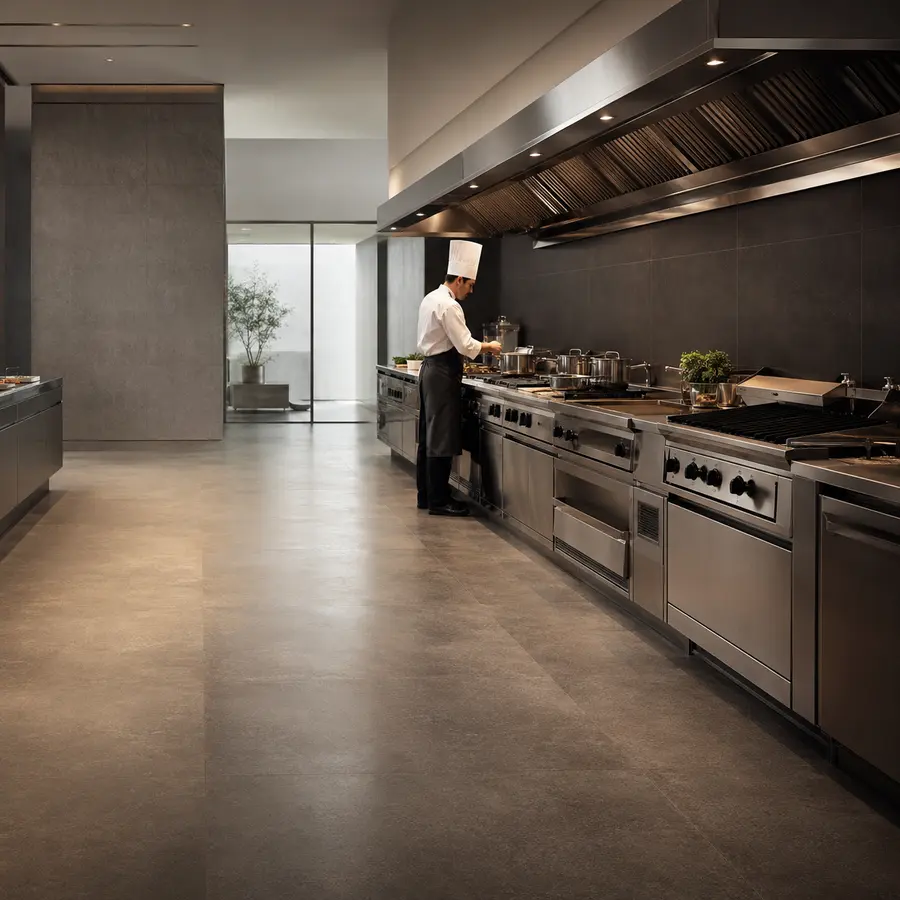
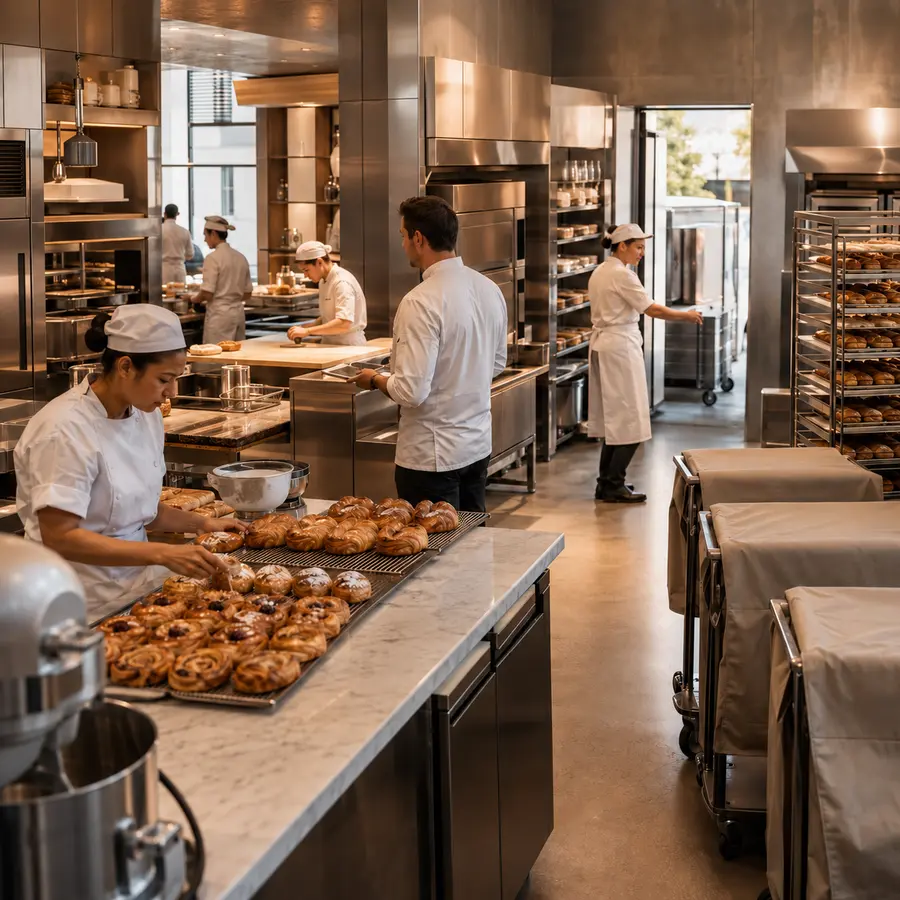
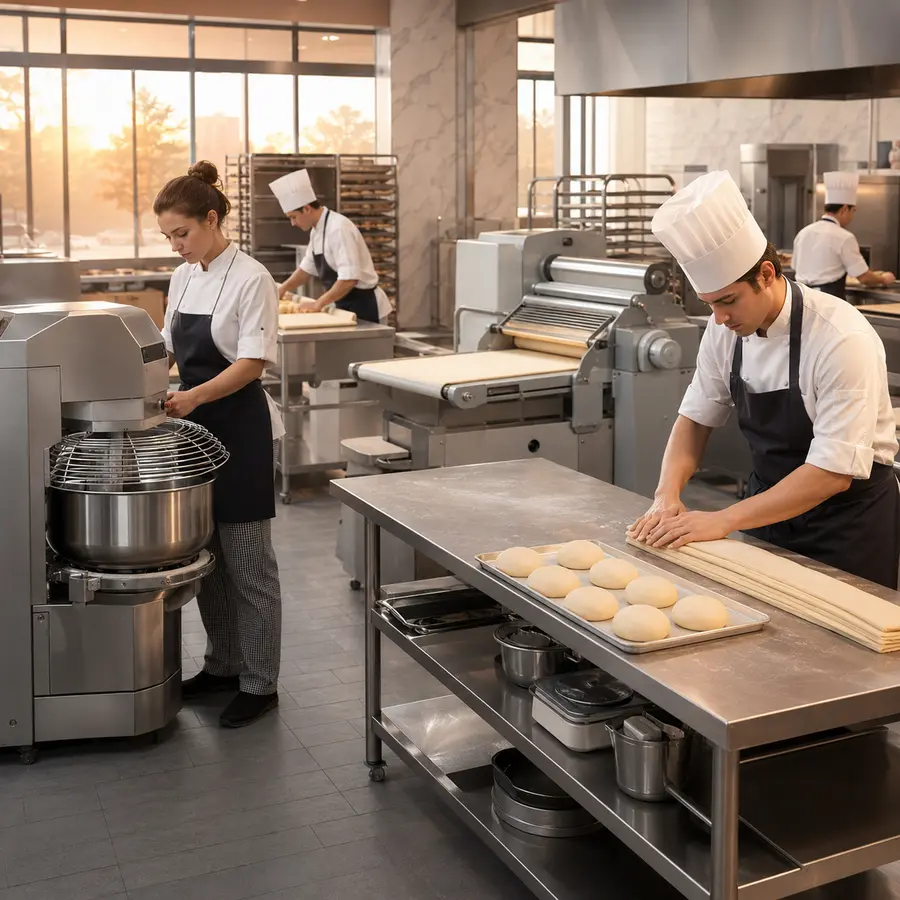
Coordinate breakfast breads, banquet desserts, room-service pastries, amenities, and specialty outlets within one property-wide bakery plan.
Bakery production, specified and sourced
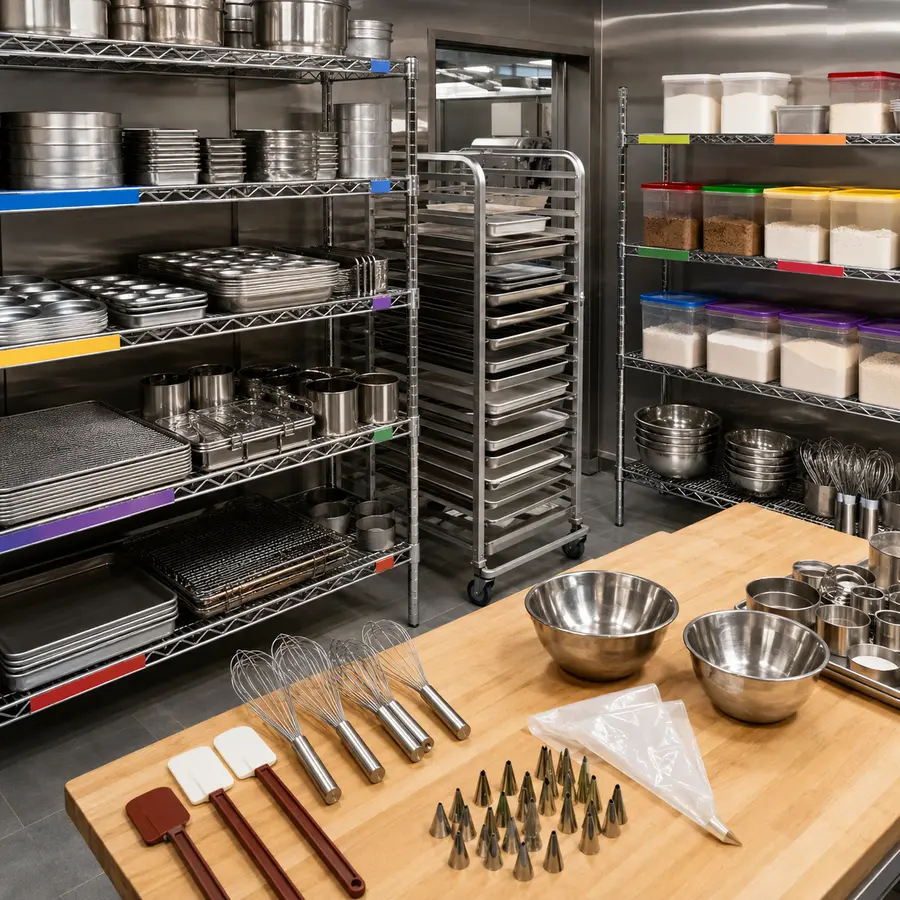
Source commercial bakery ovens, dough equipment, bakeware, pastry tools, storage, cooling, and display systems through one specification-led procurement path.
Start with the bakery operating model
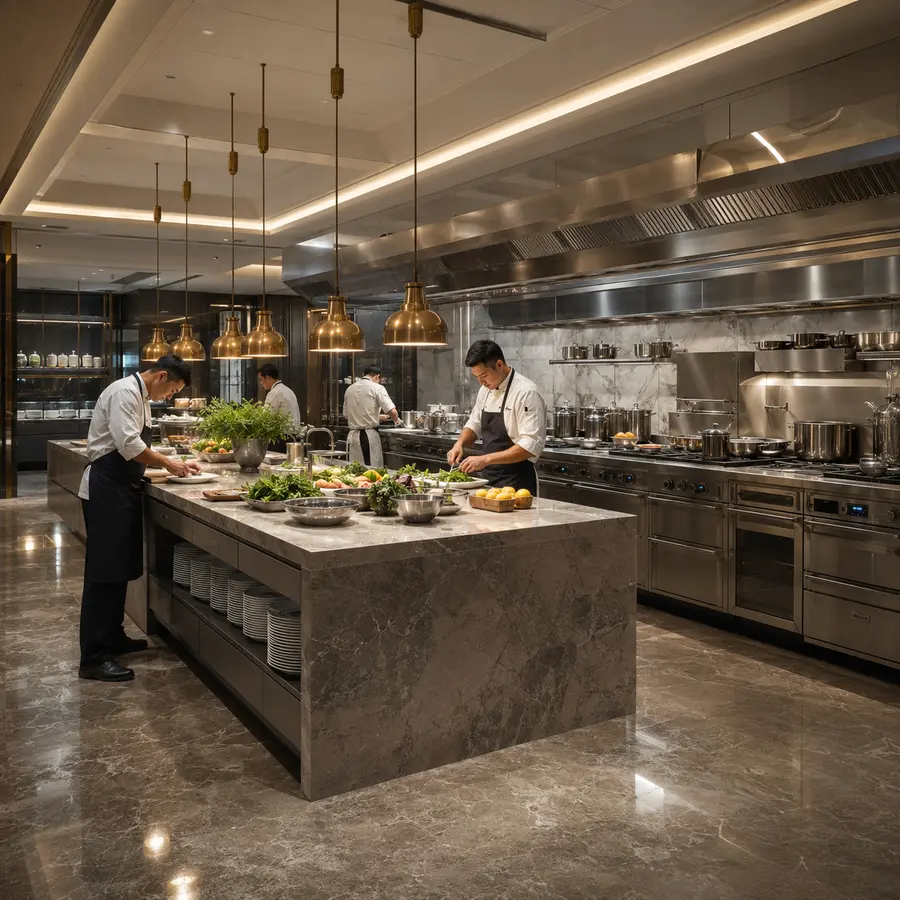
Product range, daily output, batch rhythm, labor, pan format, utilities, storage, finishing, and available footprint shape the right bakery supply mix.
Coordinate breakfast breads, banquet desserts, room-service pastries, amenities, and specialty outlets within one property-wide bakery plan.
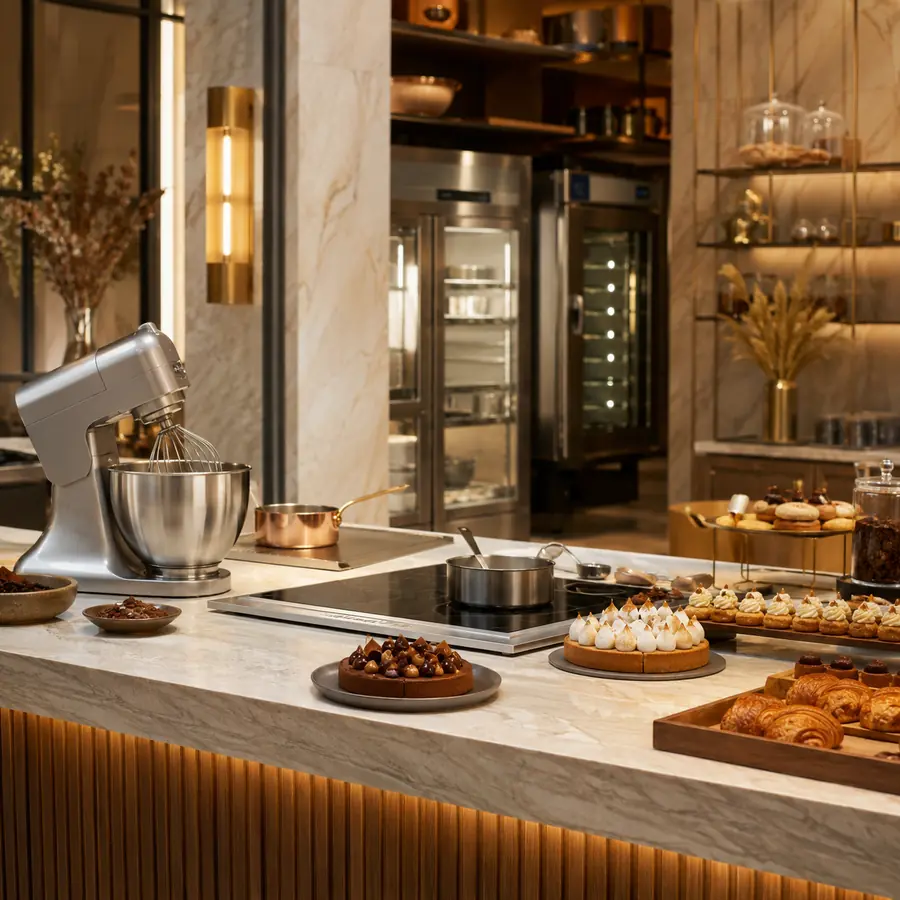
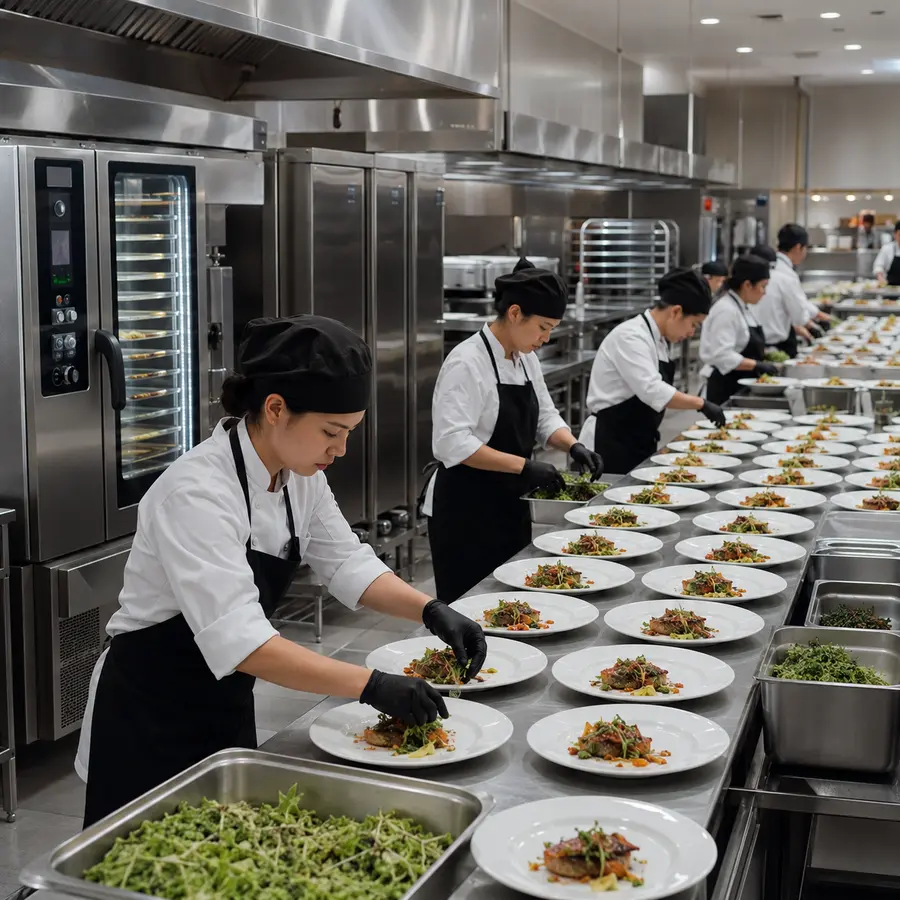
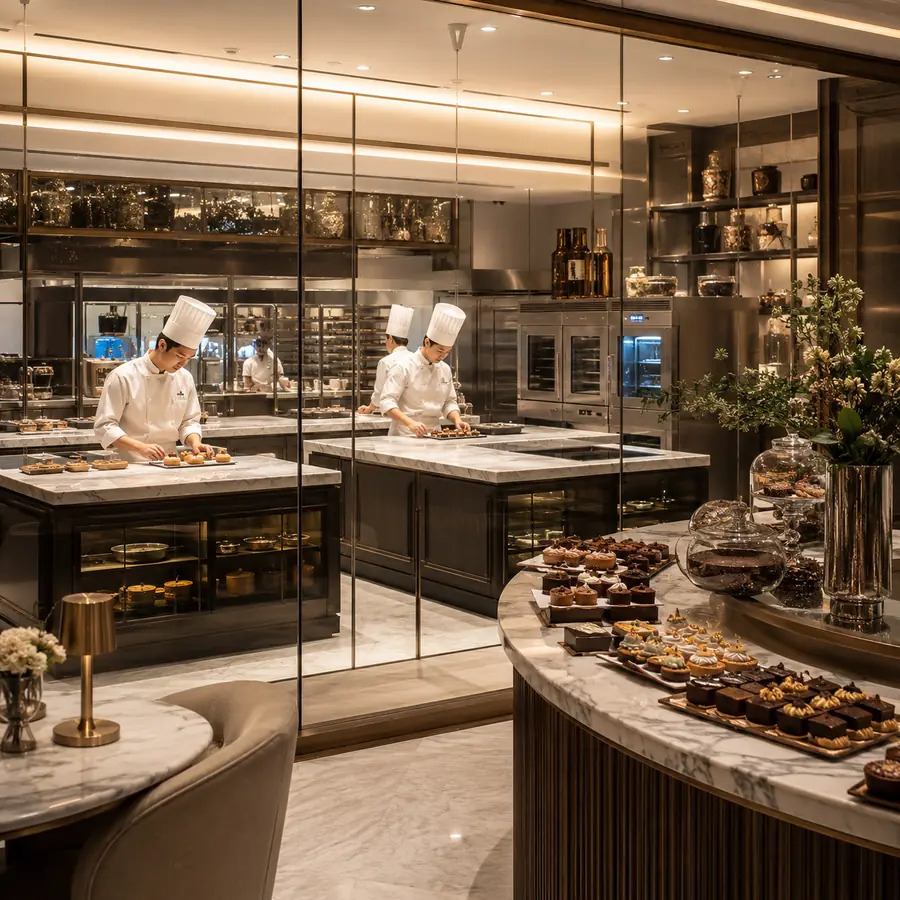
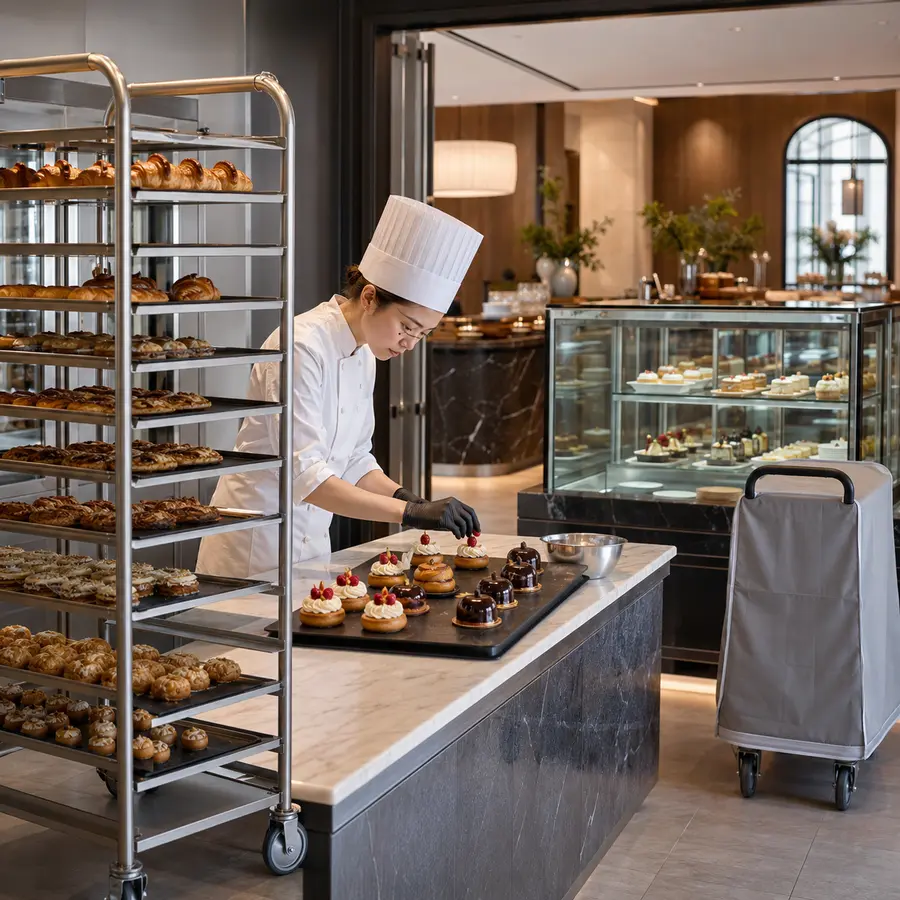
Support bread service, plated desserts, laminated pastry, and finishing around covers, mise en place, refrigeration, and service pace.
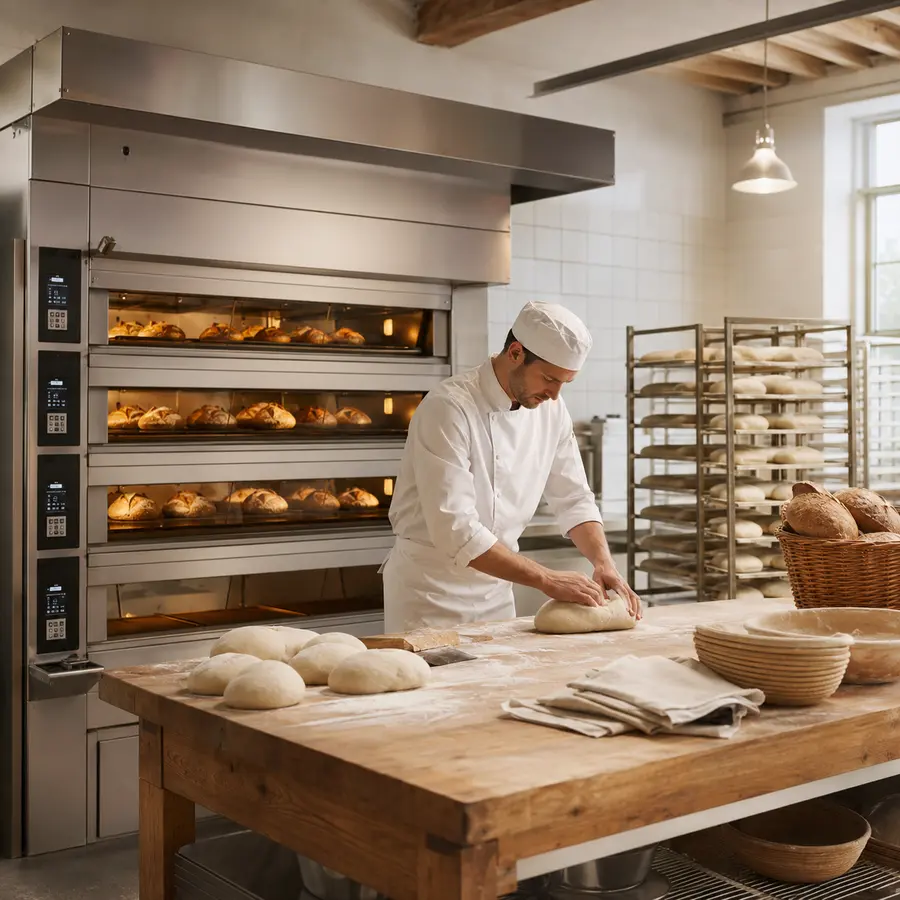
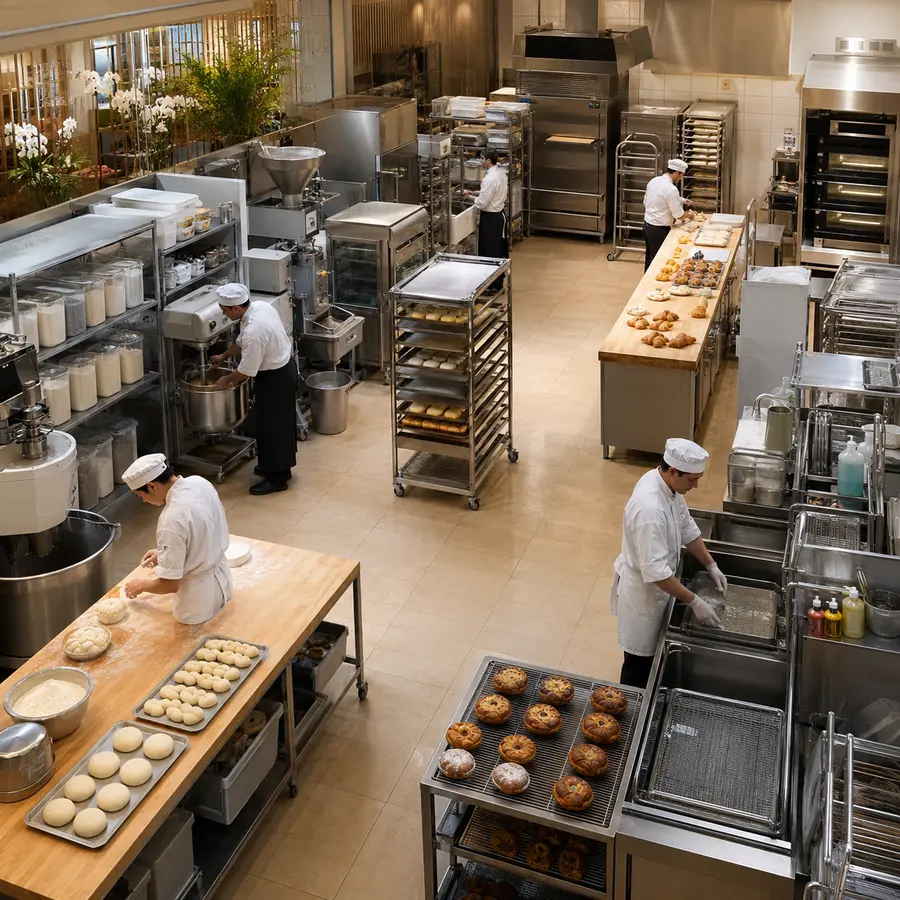
Match mixing, dividing, proofing, baking, cooling, slicing, and display capacity with product mix and batch cycles.

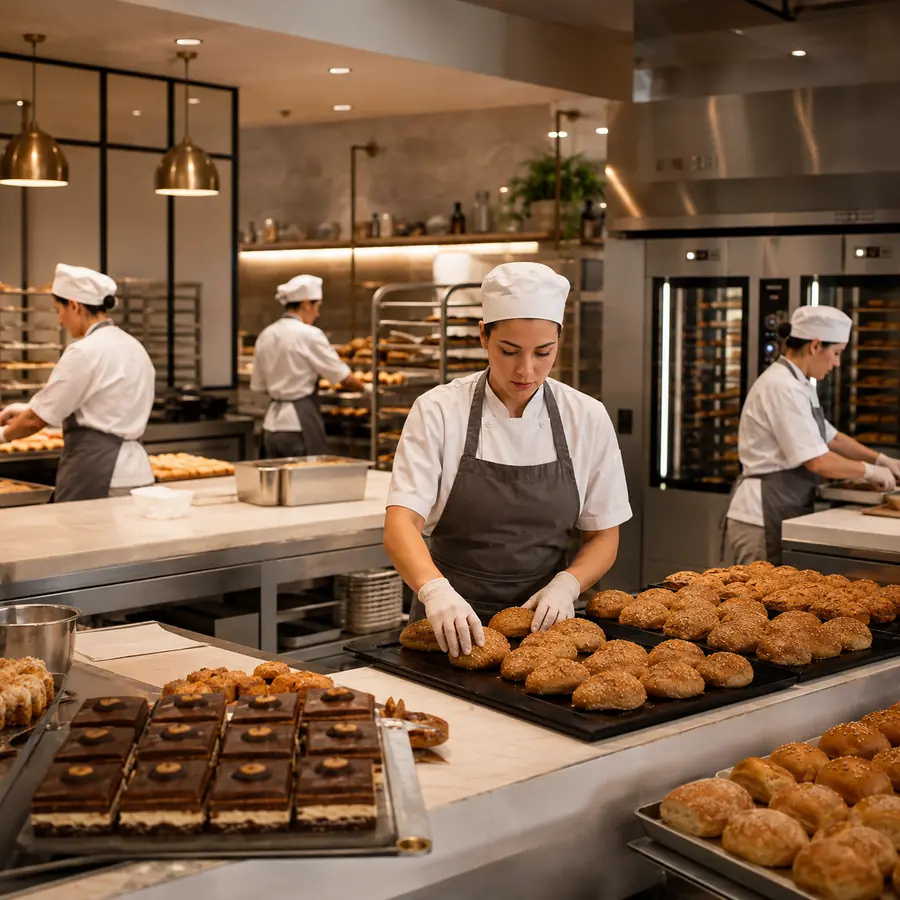
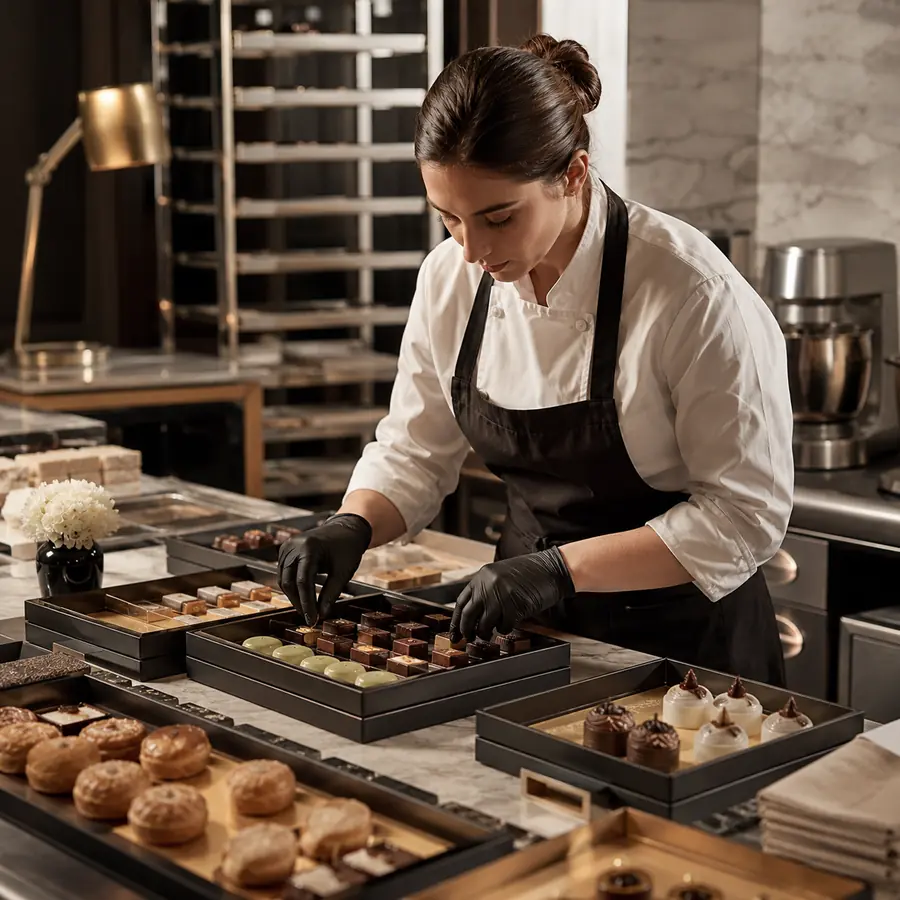
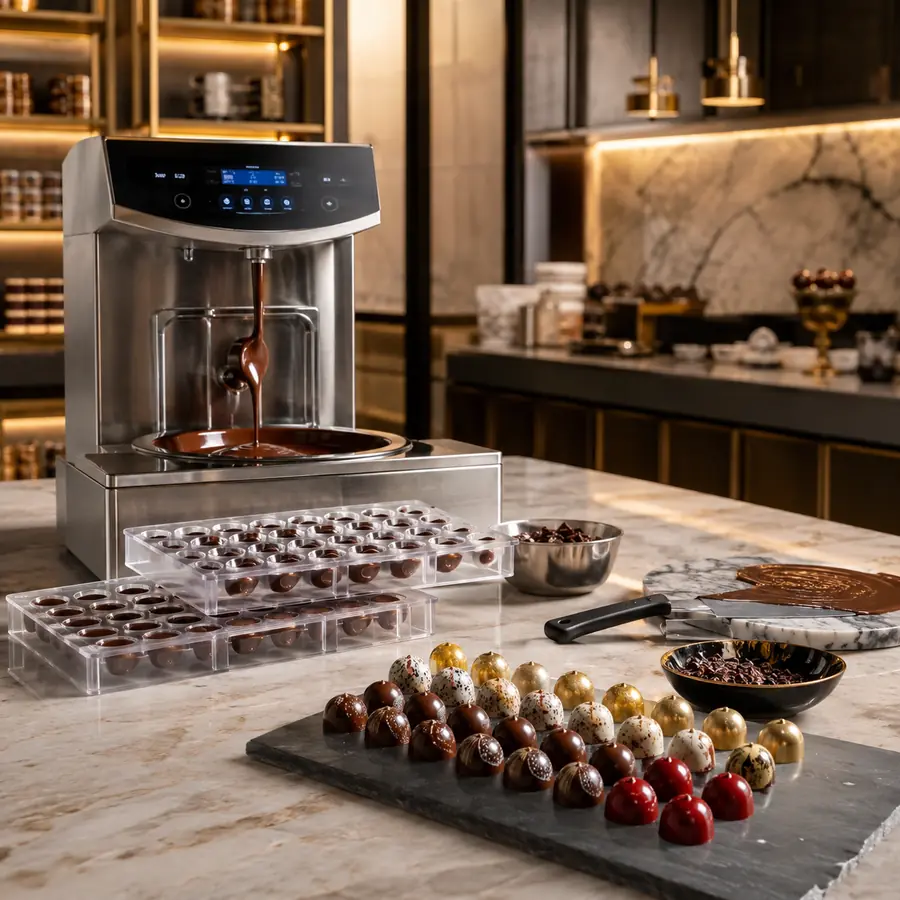
Coordinate compact production, finishing, refrigeration, display, and counter replenishment for high-value pastry service.
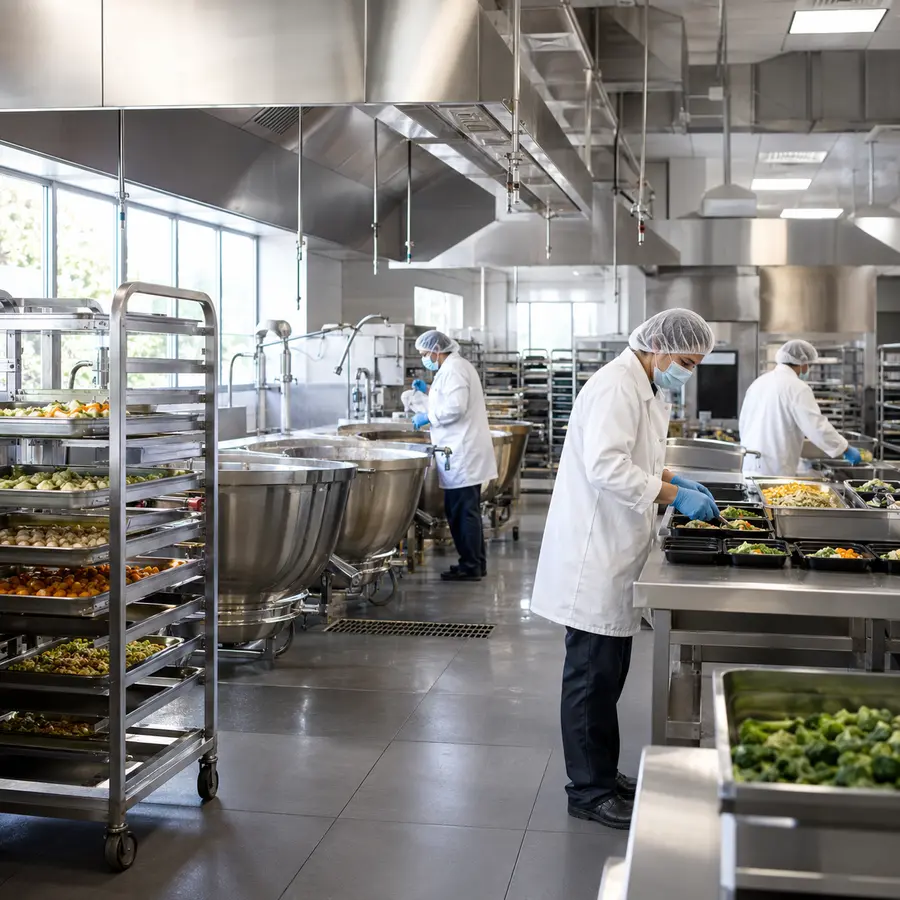
Plan high-volume mixing, forming, proofing, baking, cooling, packing, and transport-ready output across locations.
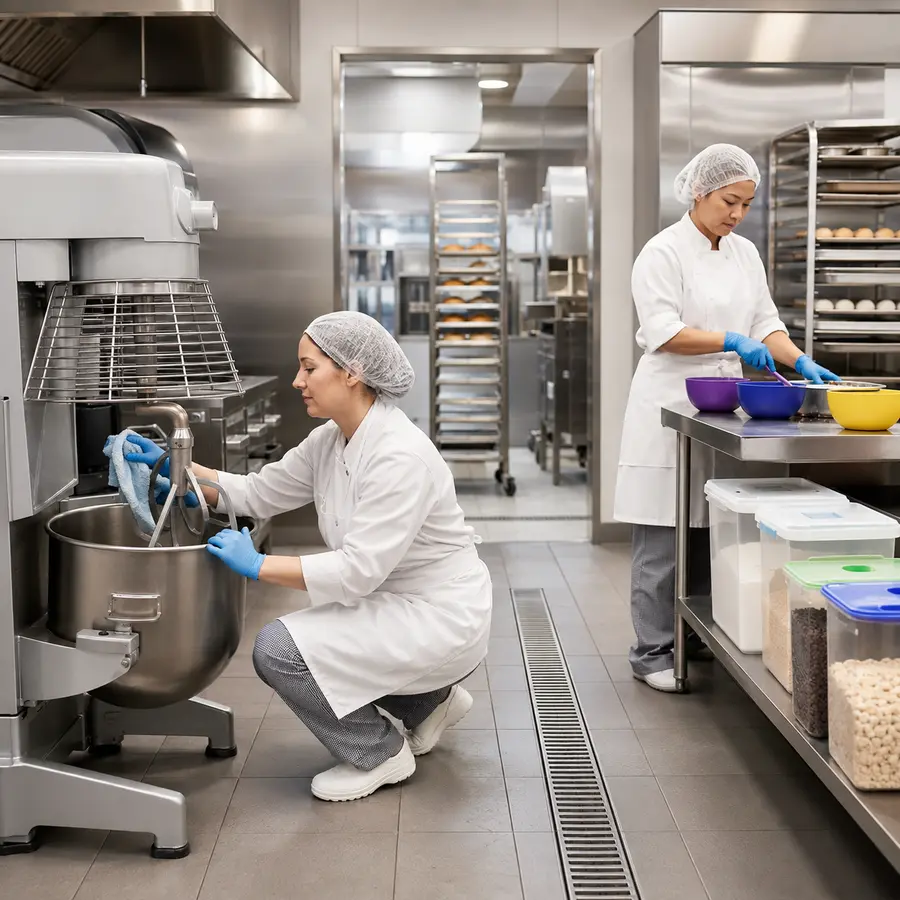
Support scheduled meal programs with repeatable recipes, portion control, hygiene, allergen separation, and documentation.
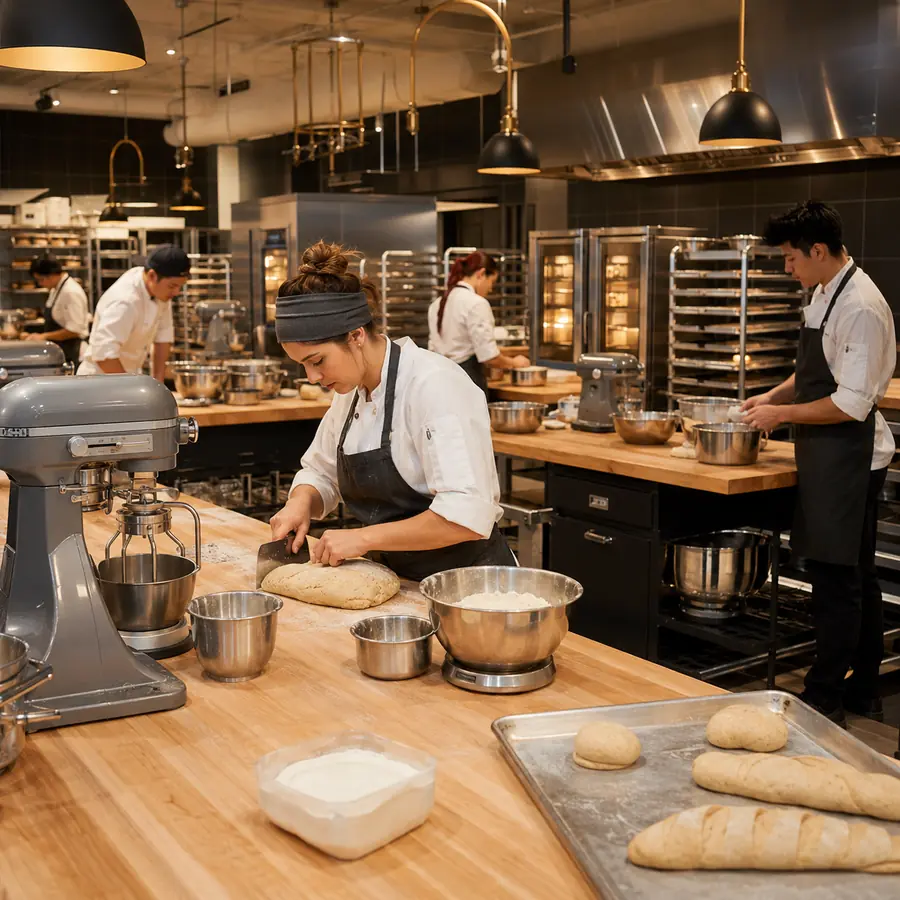
Specify versatile, durable equipment for teaching bread, viennoiserie, cake, pastry, decorating, and production fundamentals.
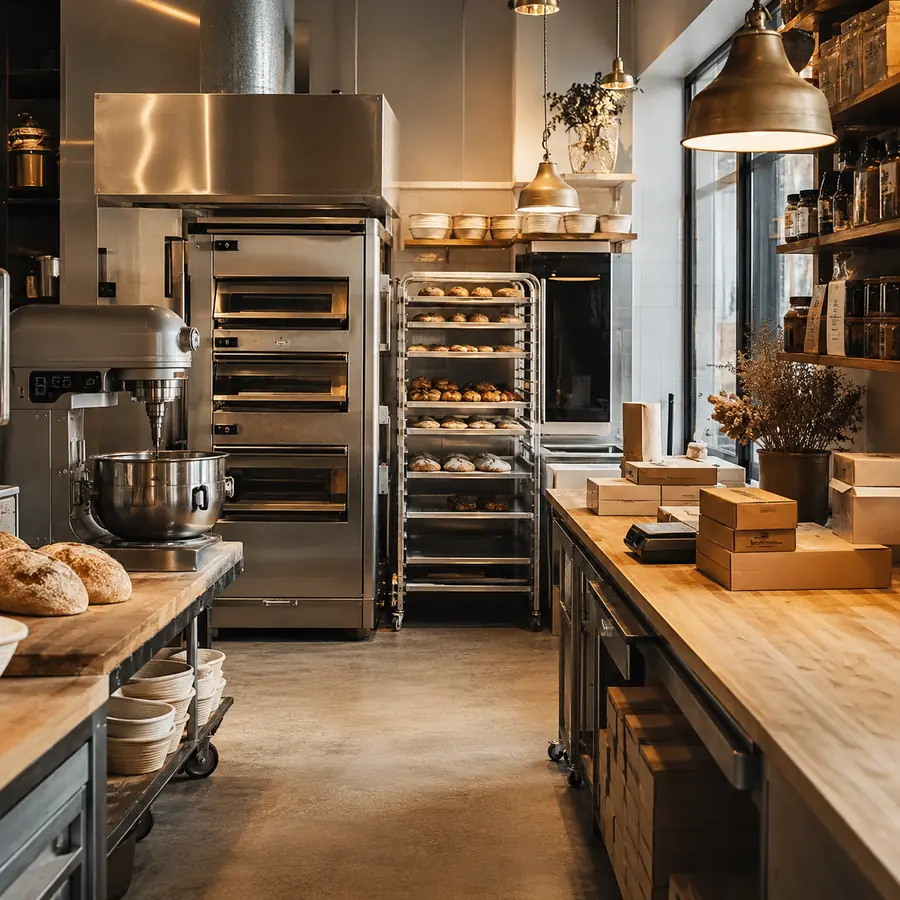
Use compact, modular bakery equipment to support focused menus, preorders, delivery peaks, and limited footprints.
Complete bakery supply directory
Search the complete directory or filter by bakery family. Each card can connect to its own dedicated category landing page when published.


Showing all 25 categories
 01
Production
01
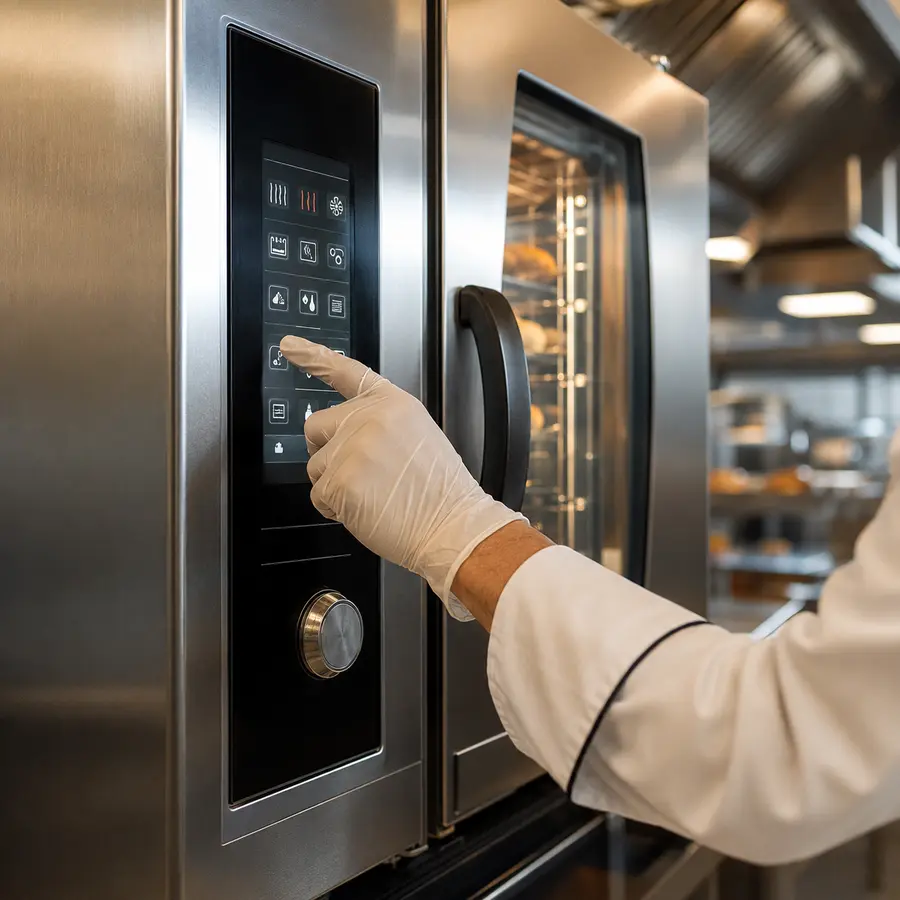
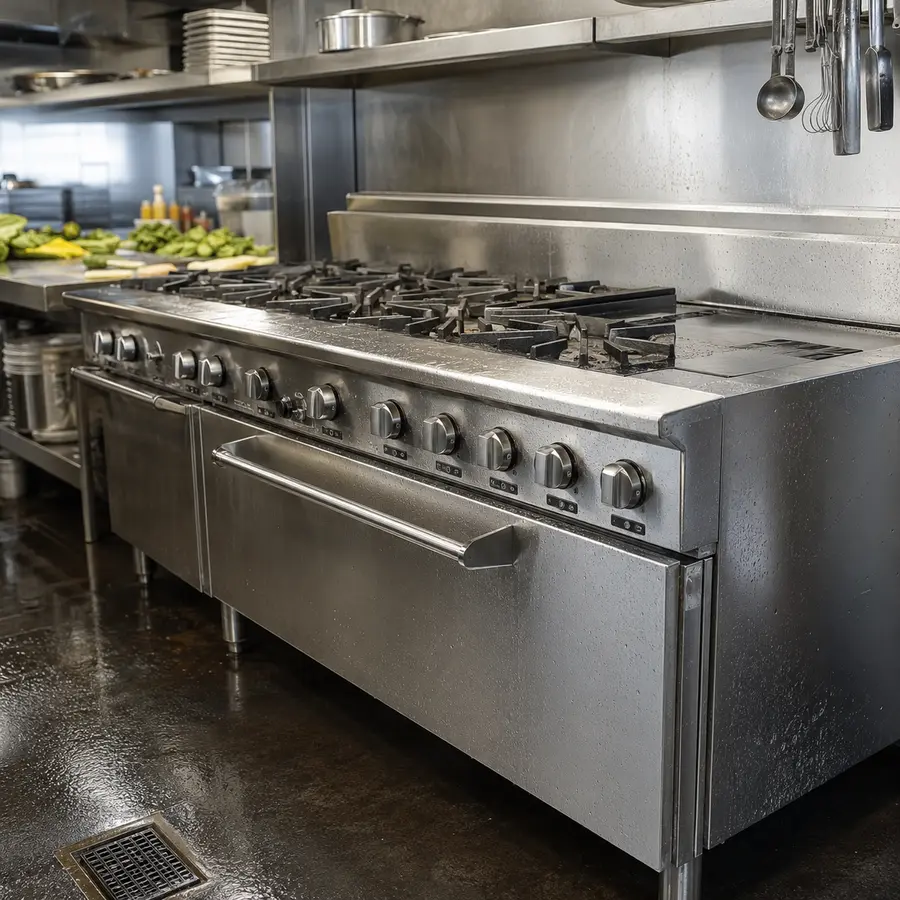
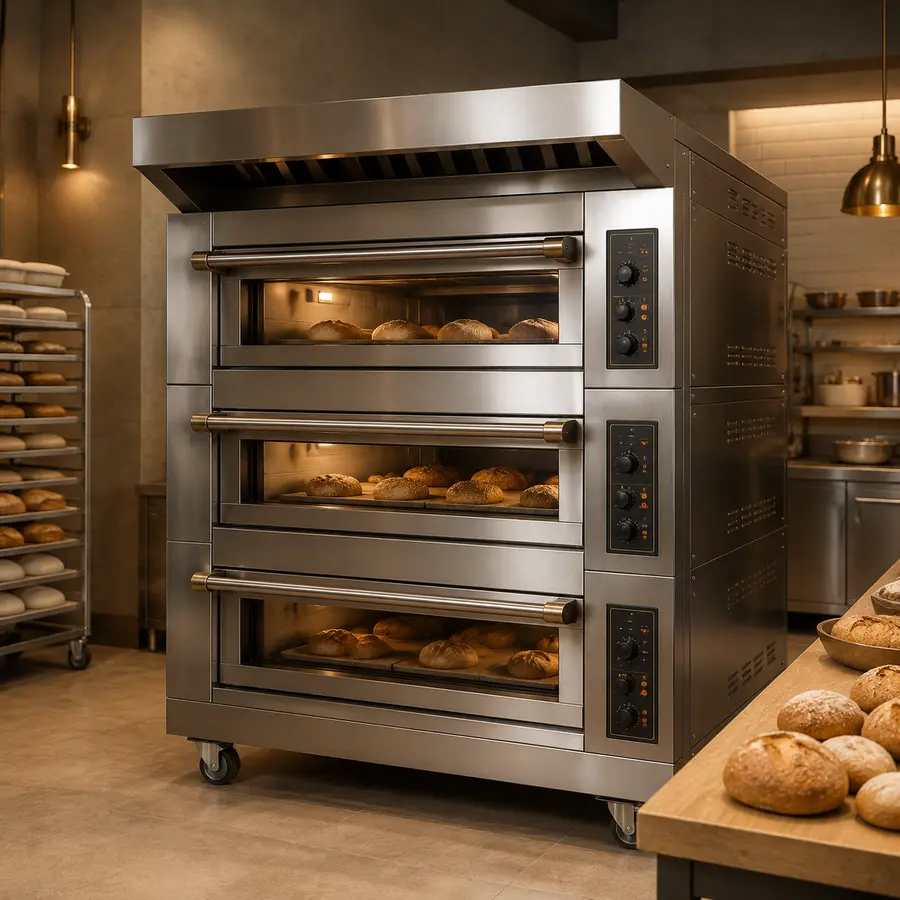
ProductionDeck Ovens · Convection Ovens · Rack Ovens
 02
Production
02
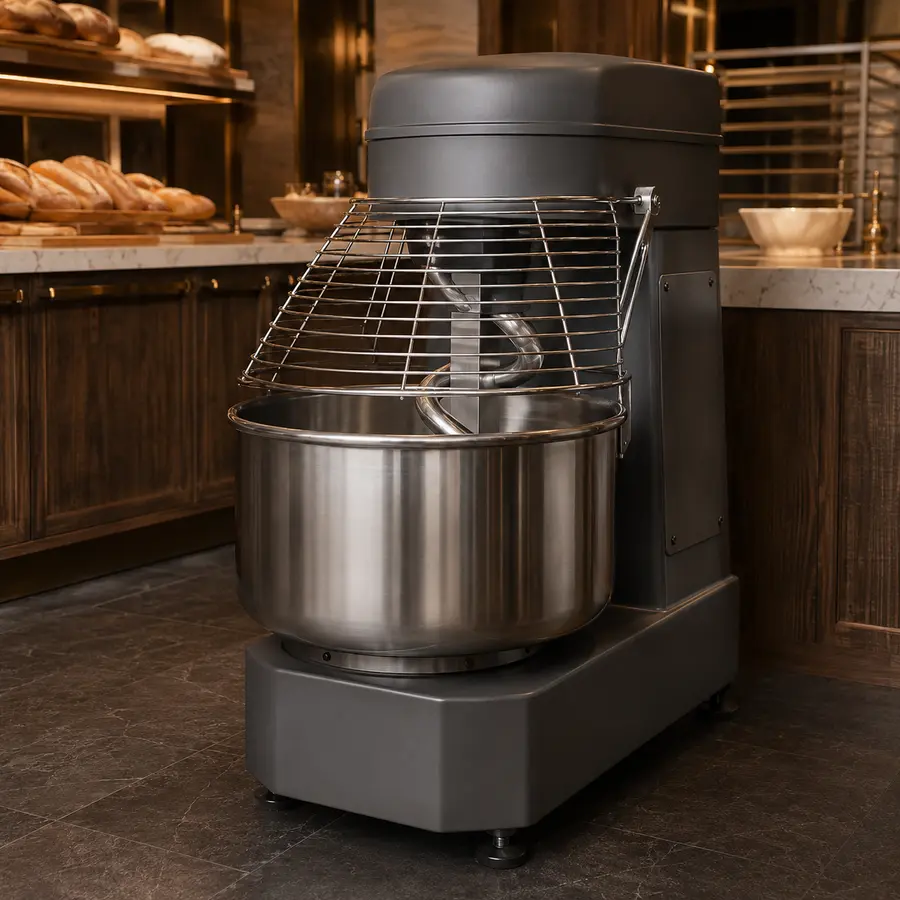
ProductionSpiral Mixers · Planetary Mixers · Fork Mixers
 03
Production
03
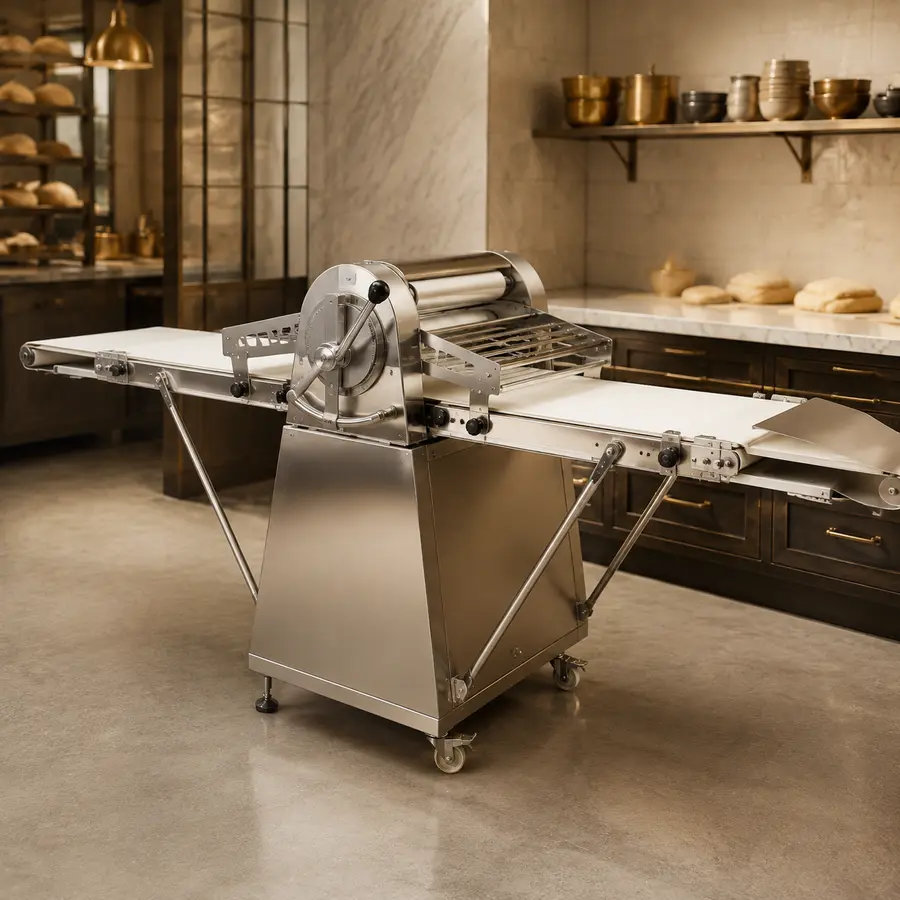
ProductionFloor Sheeters · Bench Sheeters · Reversible Sheeters
 04
Production
04
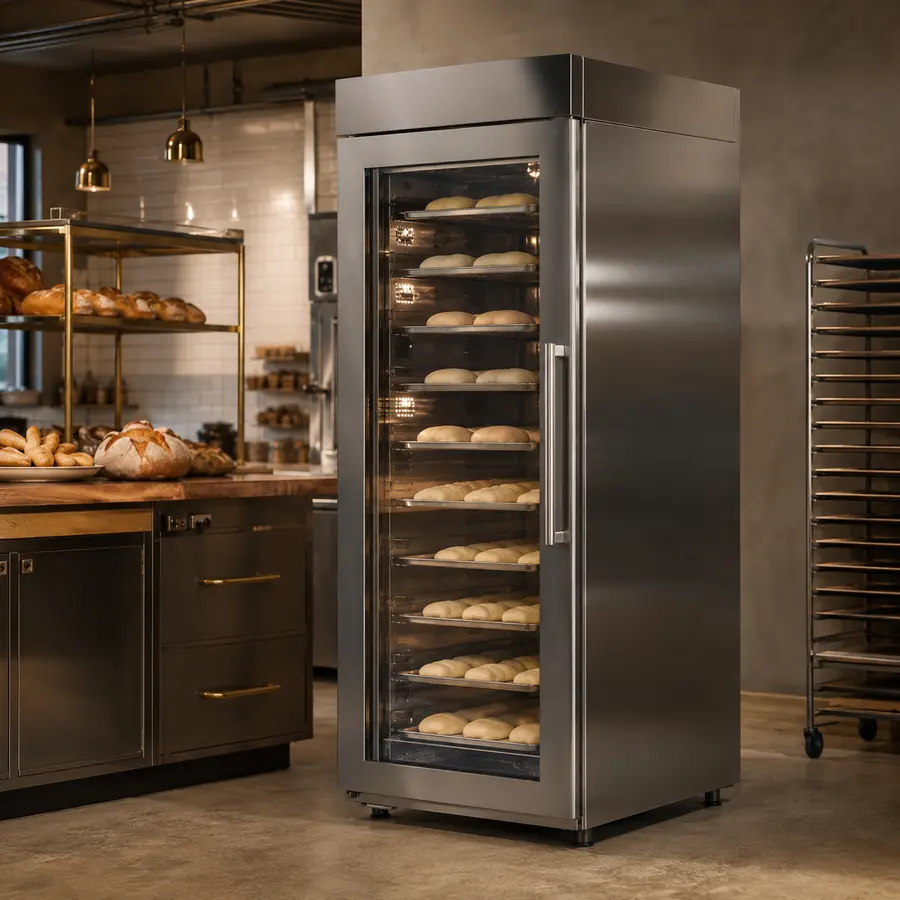
ProductionHeated Proofers · Retarder-Proofers · Roll-In Proofers
 05
Production
05
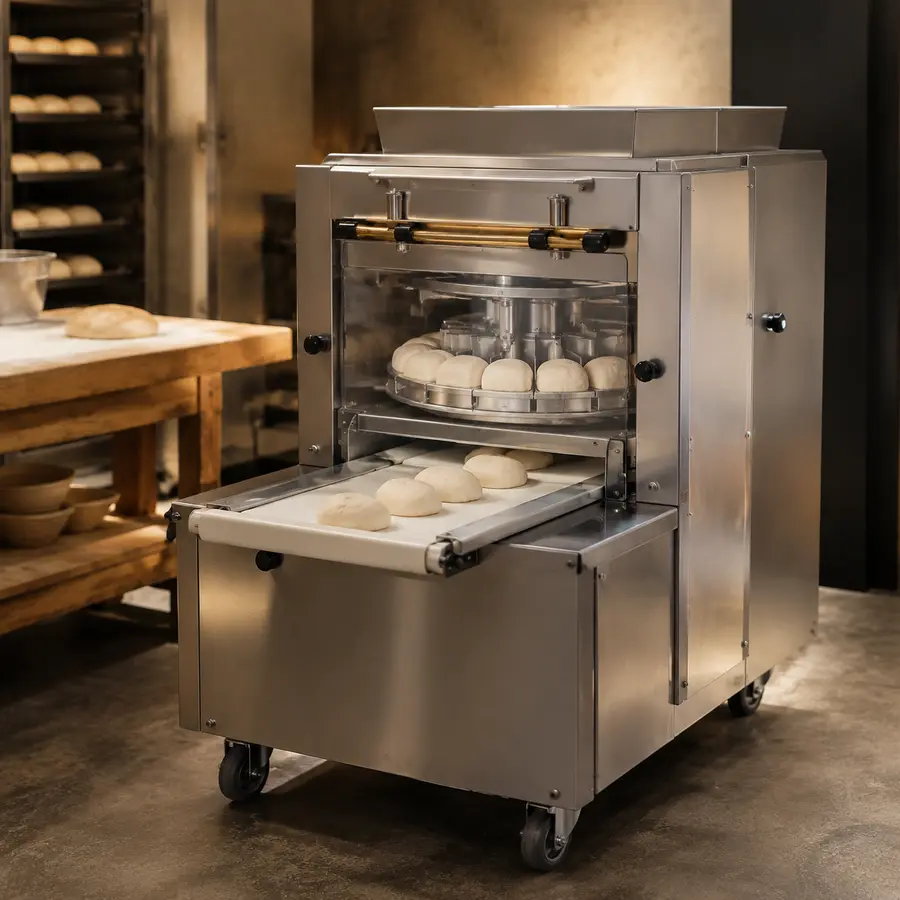
ProductionHydraulic Dividers · Divider-Rounders · Volumetric Dividers
 06
Production
06
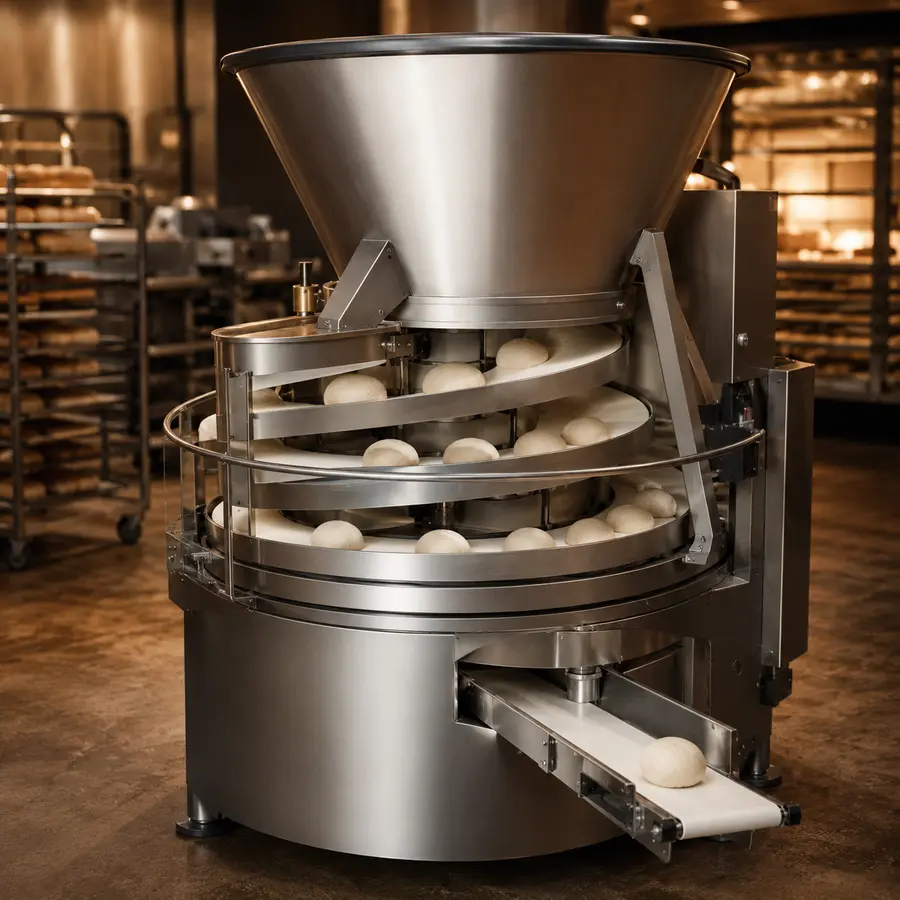
ProductionConical Rounders · Belt Rounders · Compact Rounders
 07
Production
07
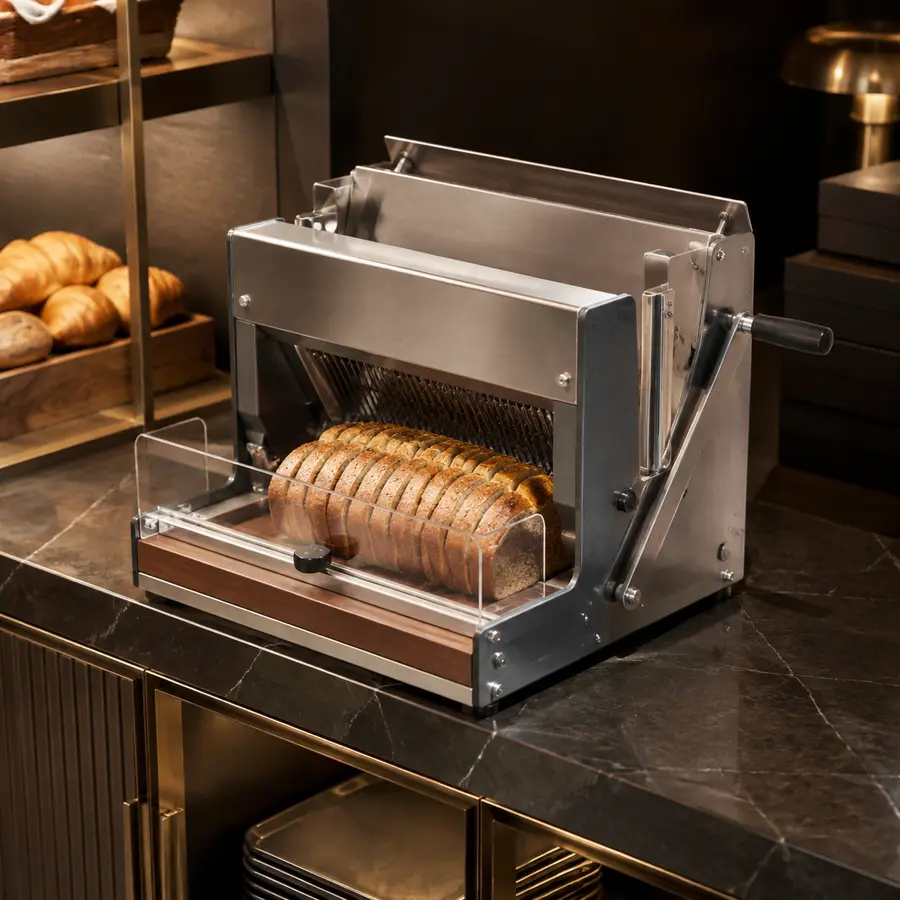
ProductionCountertop Slicers · Floor Slicers · Bagging Slicers
 08
Work & Storage
08
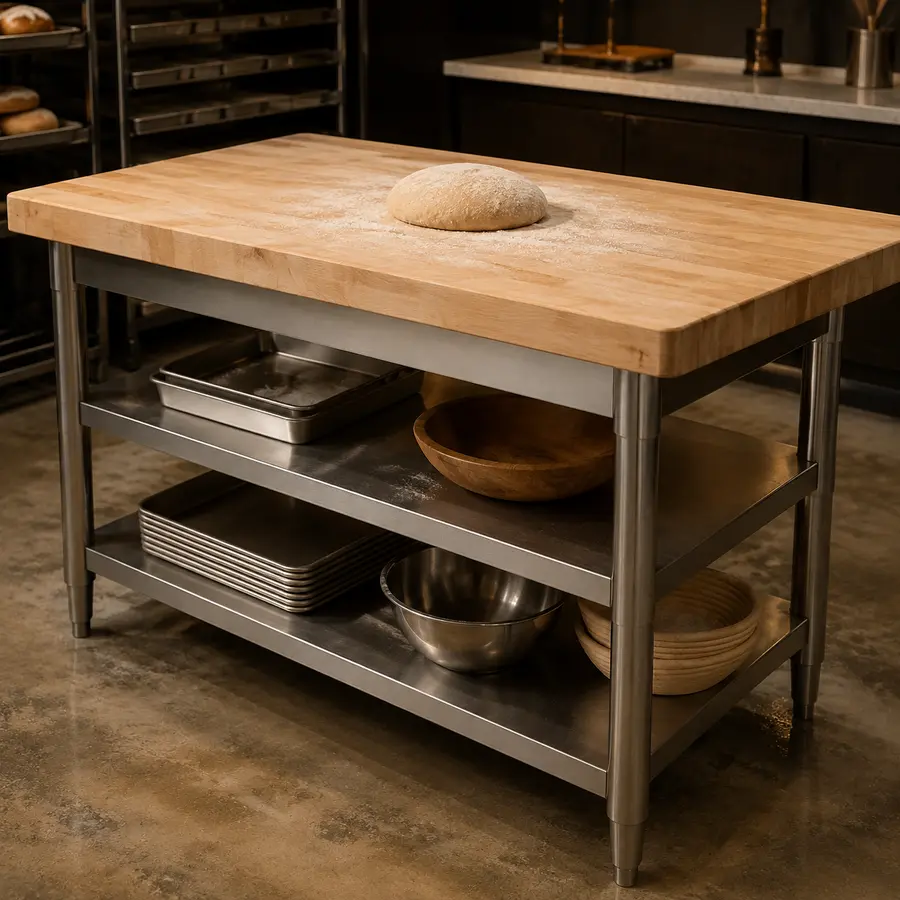
Work & StorageMaple-Top Tables · Stainless Tables · Mobile Prep Tables
 09
Work & Storage
09
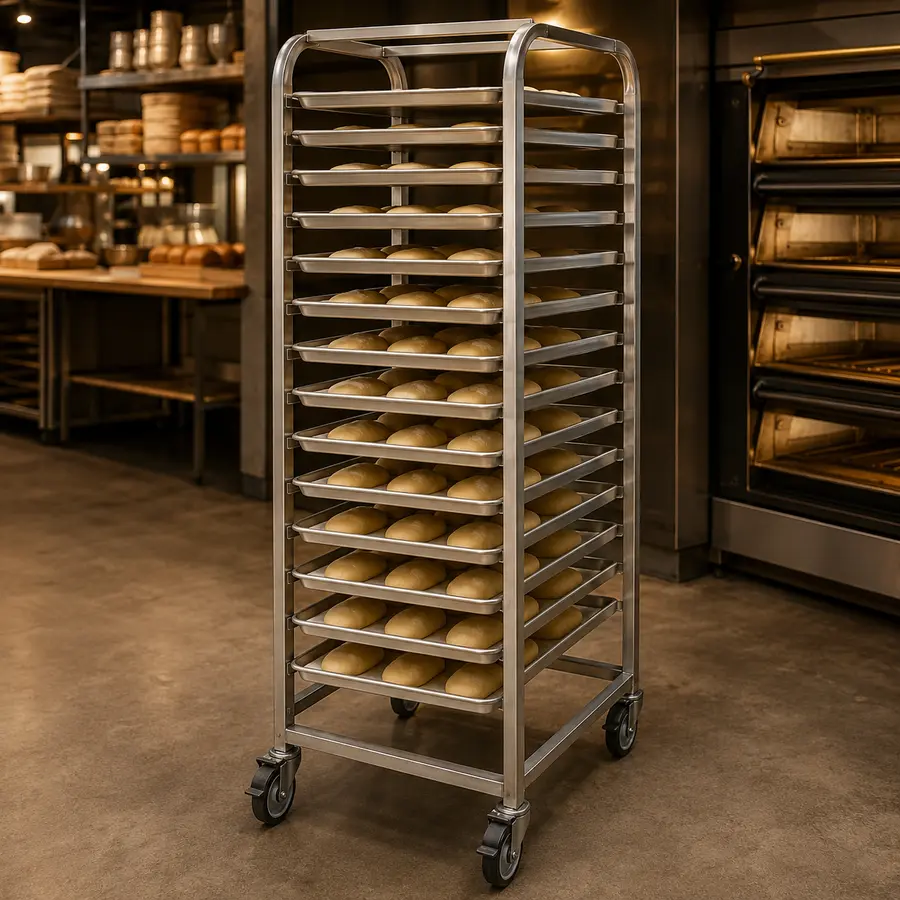
Work & StorageFull-Height Racks · Half-Height Racks · Nestable Racks
 10
Bakeware
10
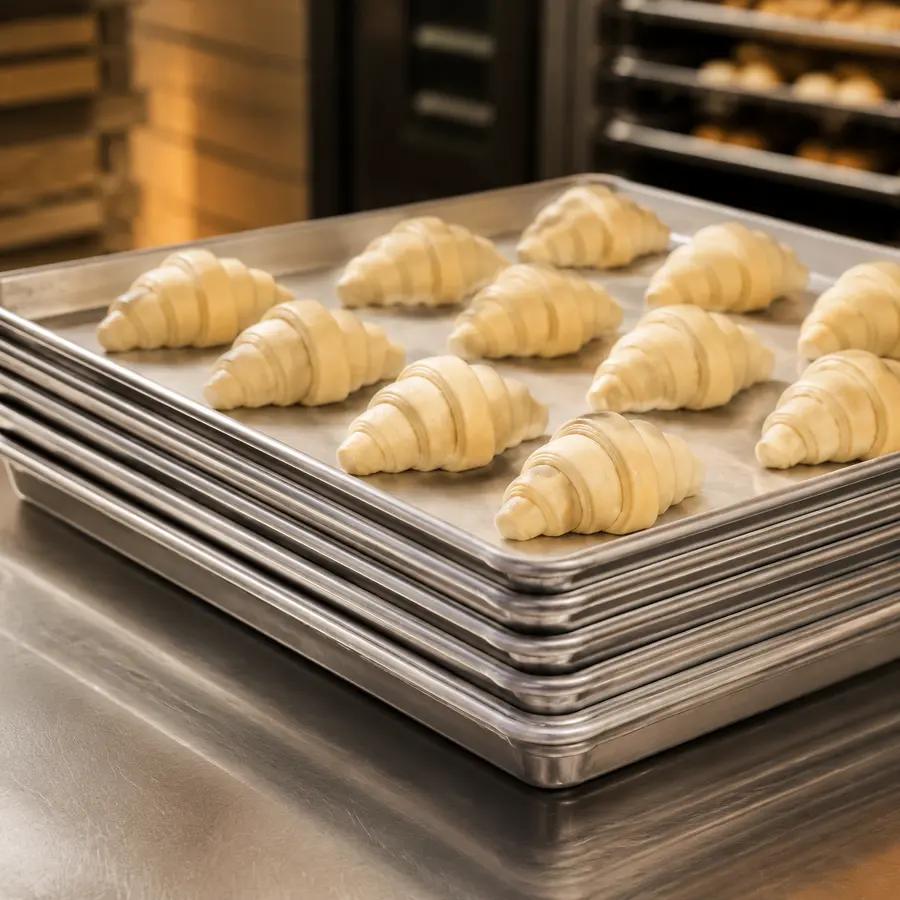
BakewareFull-Size Pans · Half-Size Pans · Perforated Pans
 11
Bakeware
11
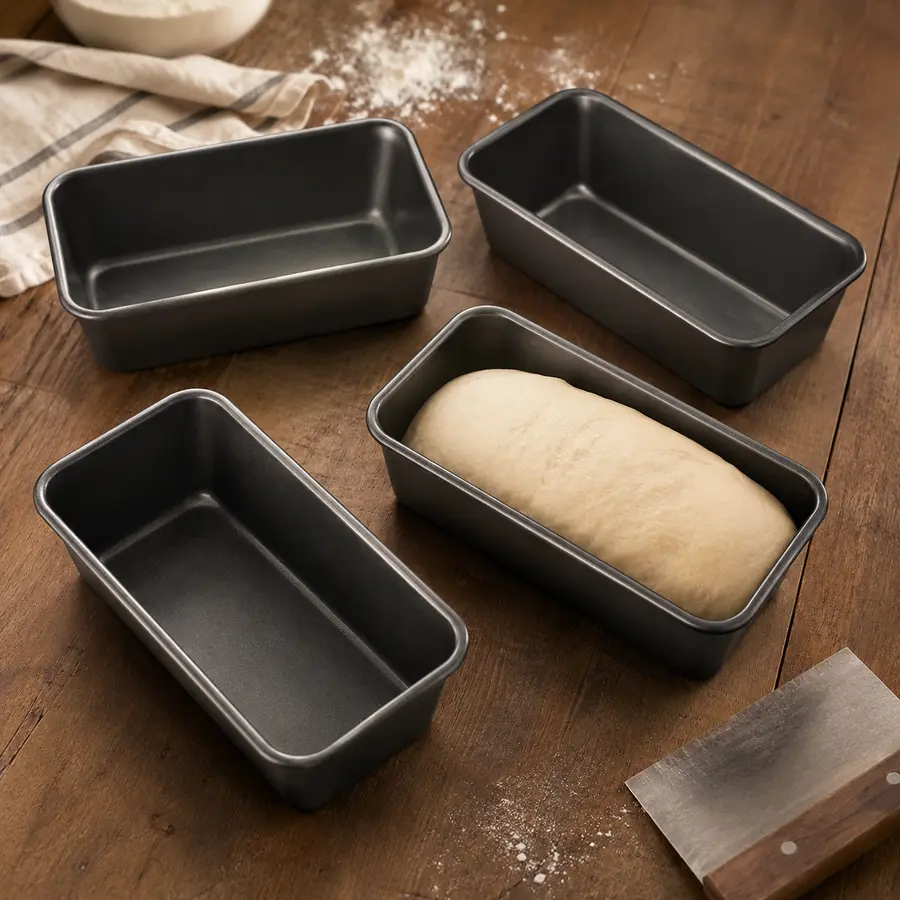
BakewareSingle Loaf Pans · Strapped Pan Sets · Pullman Pans
 12
Bakeware
12
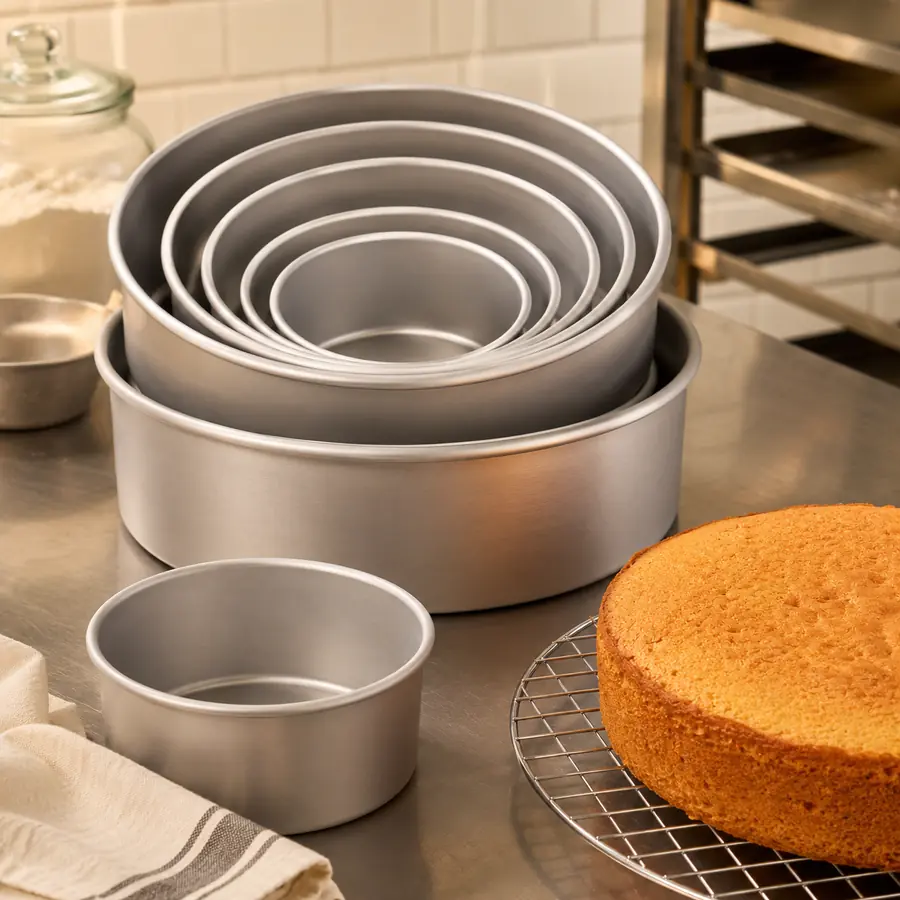
BakewareRound Cake Pans · Sheet Cake Pans · Springform Pans
 13
Bakeware
13
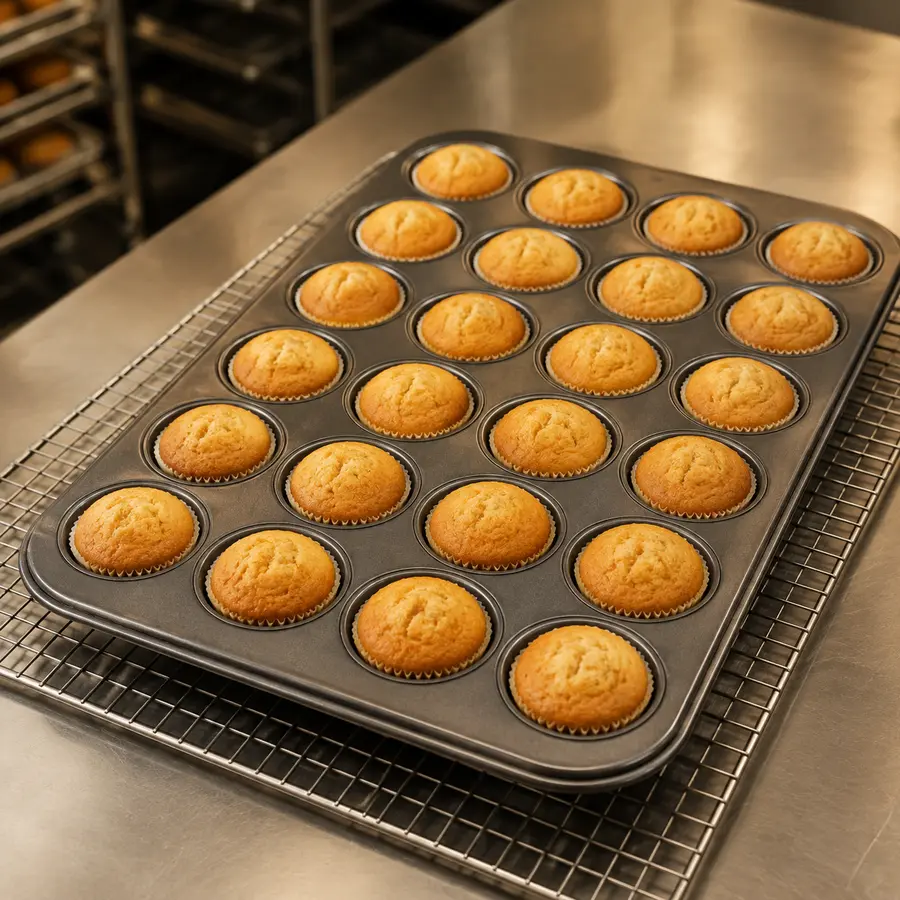
BakewareStandard Muffin Pans · Mini Muffin Pans · Jumbo Muffin Pans
 14
Bakeware
14
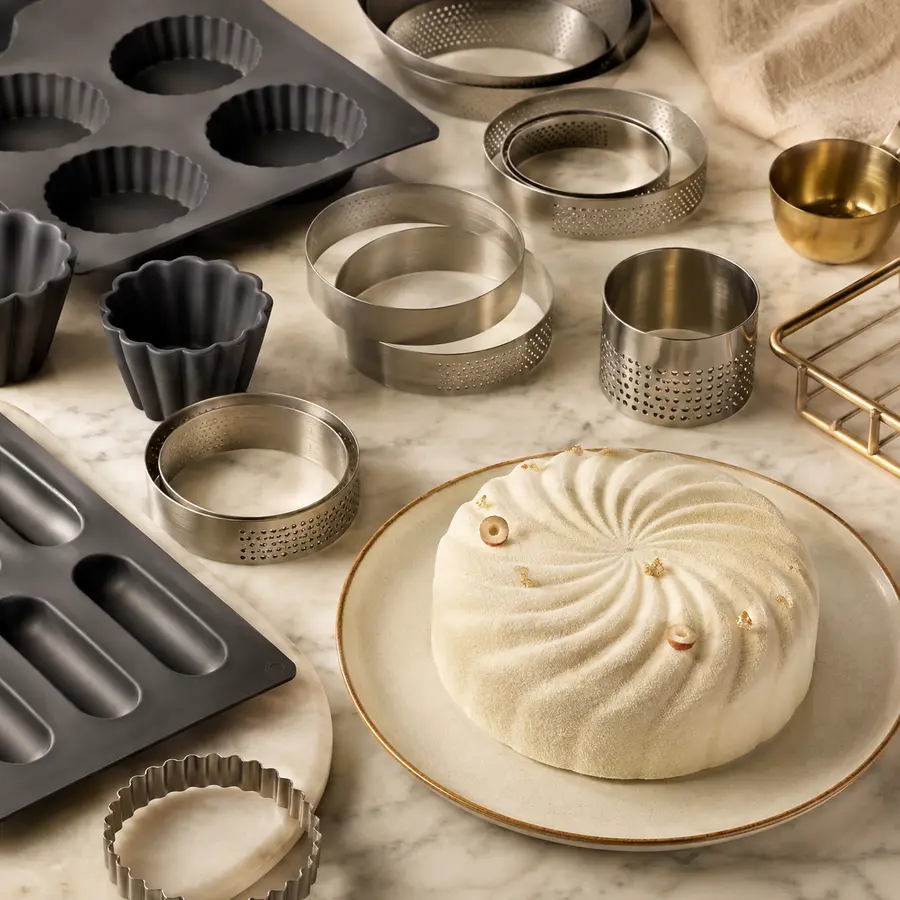
BakewareTart Rings · Silicone Molds · Entremet Molds
 15
Bakeware
15
BakewareSilicone Mats · Perforated Mats · Macaron Mats
 16
Pastry Tools
16
Pastry ToolsReusable Bags · Disposable Bags · Decorating Tips
 17
Pastry Tools
17
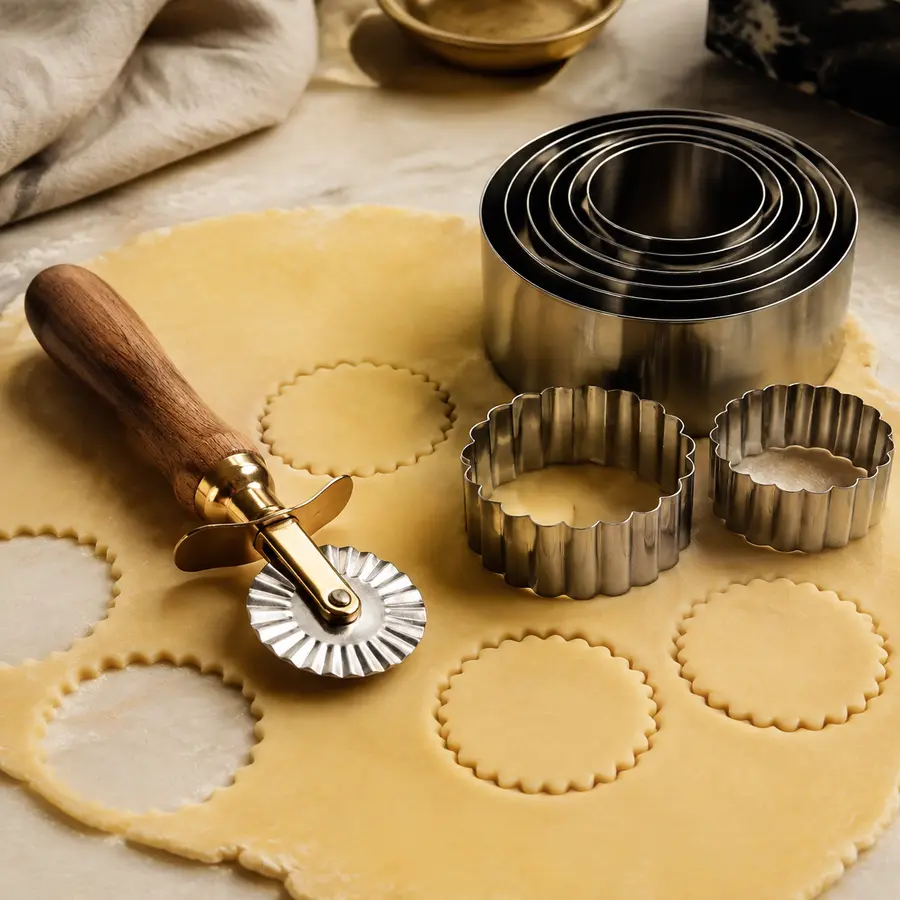
Pastry ToolsRound Cutters · Fluted Cutters · Cutting Wheels
 18
Pastry Tools
18
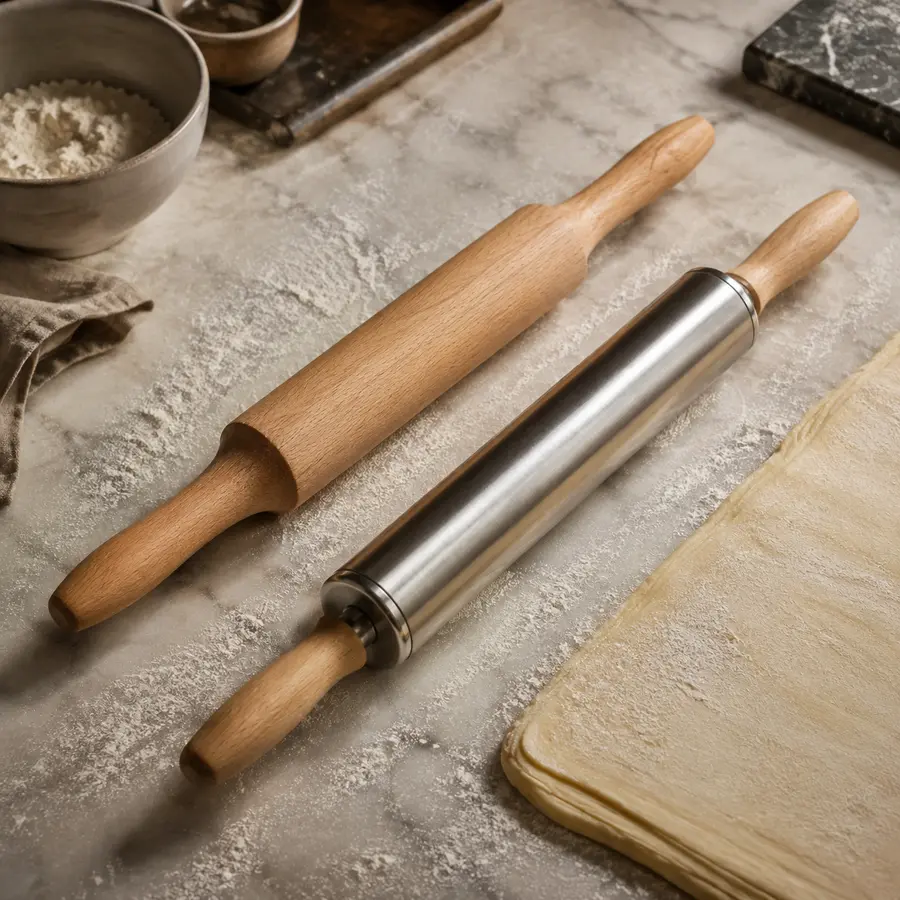
Pastry ToolsFrench Pins · Ball-Bearing Pins · Fondant Pins
 19
Pastry Tools
19
Pastry ToolsNatural-Bristle Brushes · Silicone Brushes · Detail Brushes
 20
Pastry Tools
20
Pastry ToolsBench Scales · Portion Scales · Precision Scales
 21
Pastry Tools
21
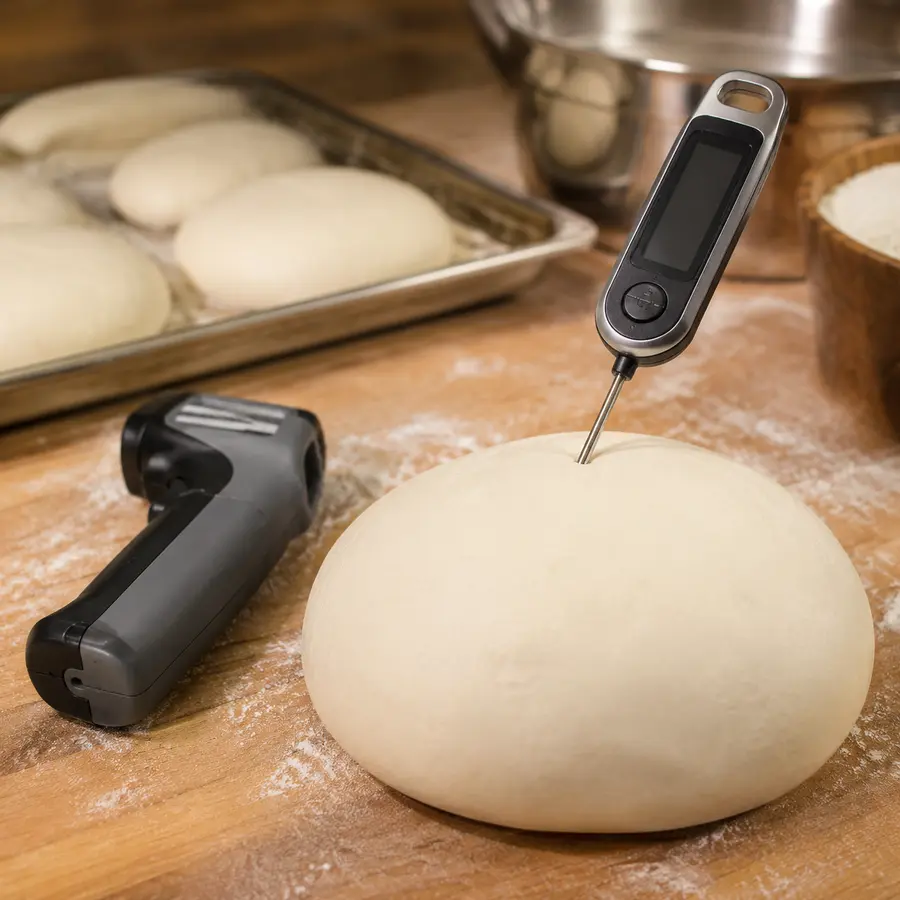
Pastry ToolsProbe Thermometers · Infrared Thermometers · Waterproof Thermometers
 22
Pastry Tools
22
Pastry ToolsTurntables · Offset Spatulas · Icing Smoothers
 23
Finish & Display
23
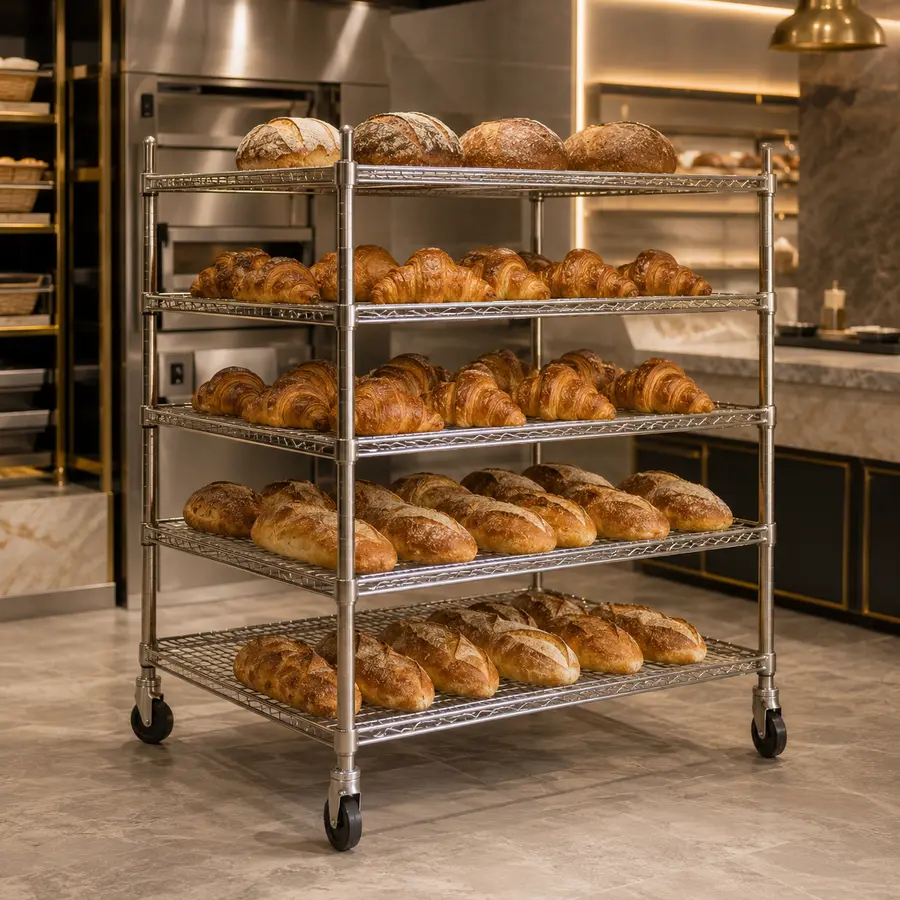
Finish & DisplayWire Cooling Racks · Mobile Cooling Racks · Stackable Racks
 24
Work & Storage
24
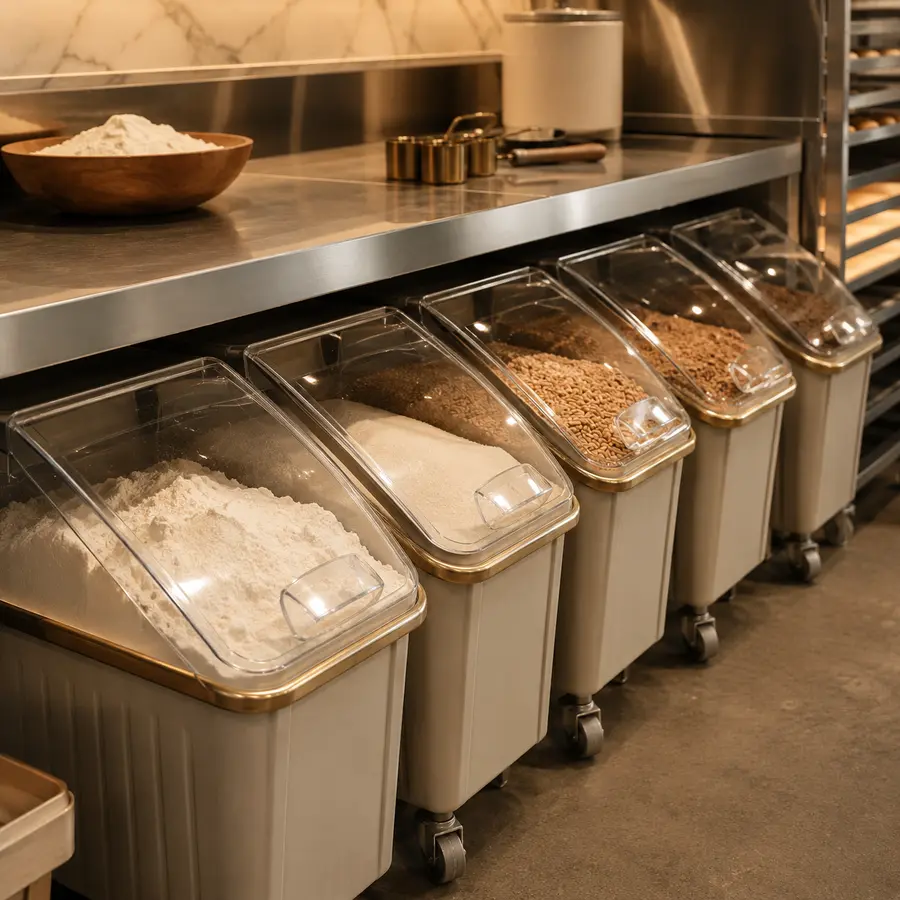
Work & StorageMobile Flour Bins · Stackable Bins · Under-Counter Bins
 25
Finish & Display
25
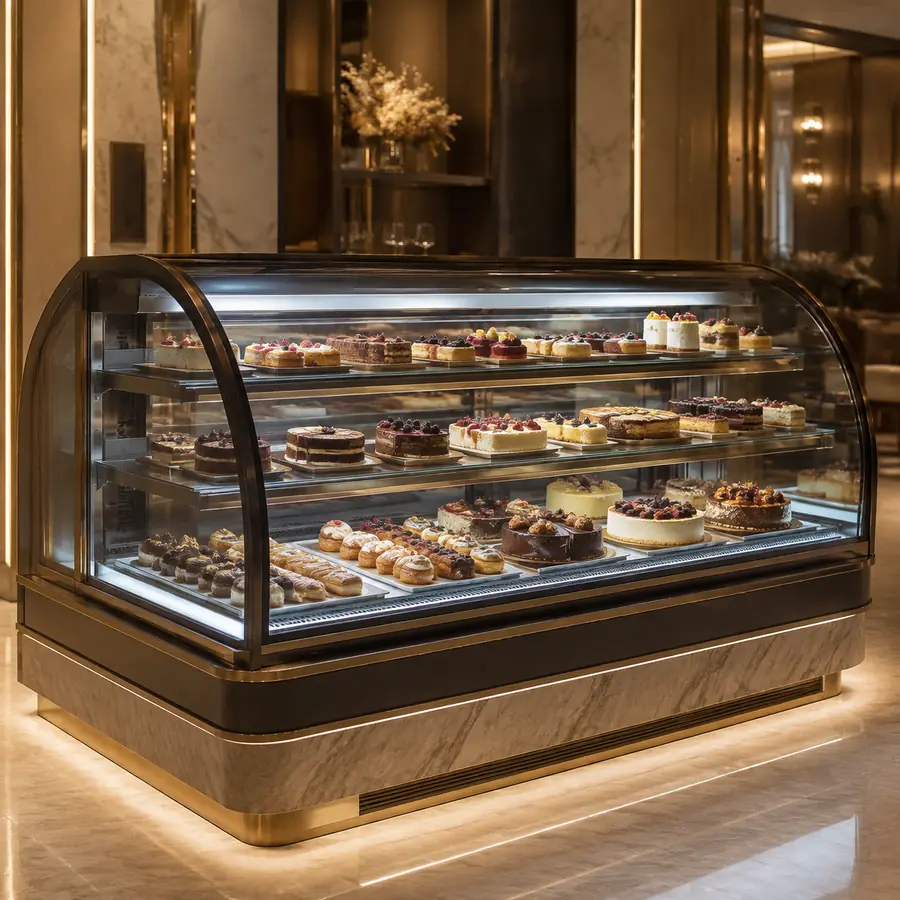
Finish & DisplayRefrigerated Cases · Ambient Cases · Countertop Cases
Try a broader bakery term or reset the product-family filter.
A clearer bakery sourcing workflow
A useful bakery brief connects product mix, daily volume, recipe weights, batch cycles, pan and rack formats, proofing, baking, cooling, utilities, footprint, cleaning, and delivery constraints.
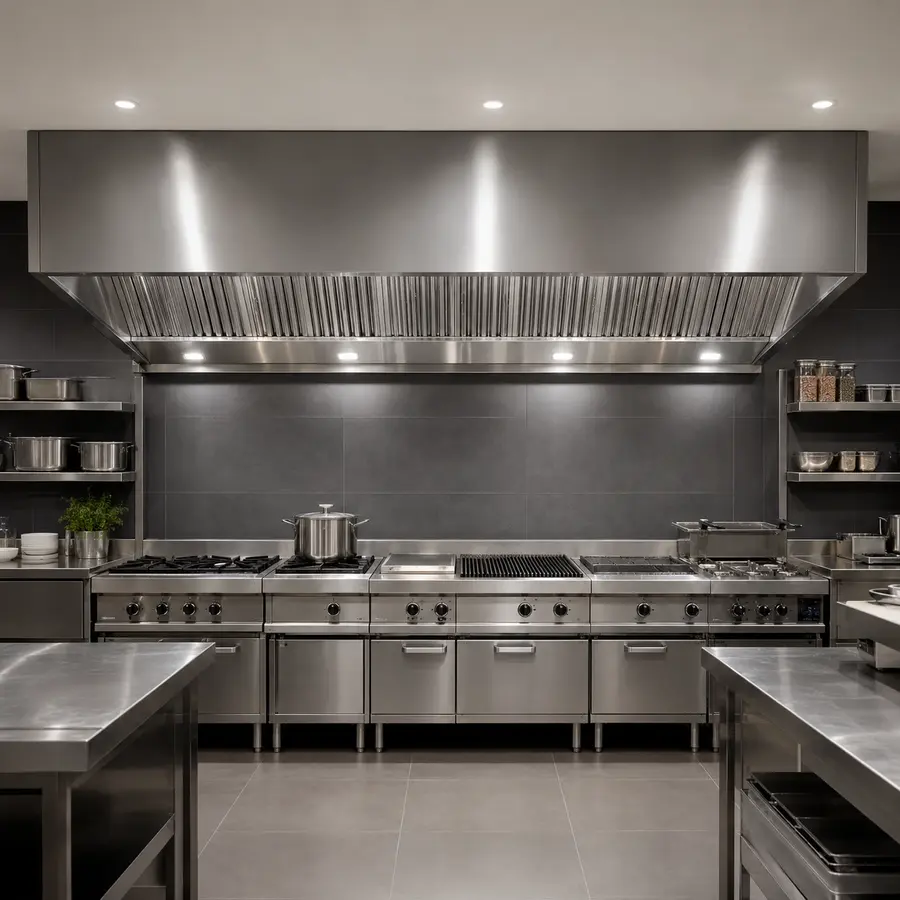
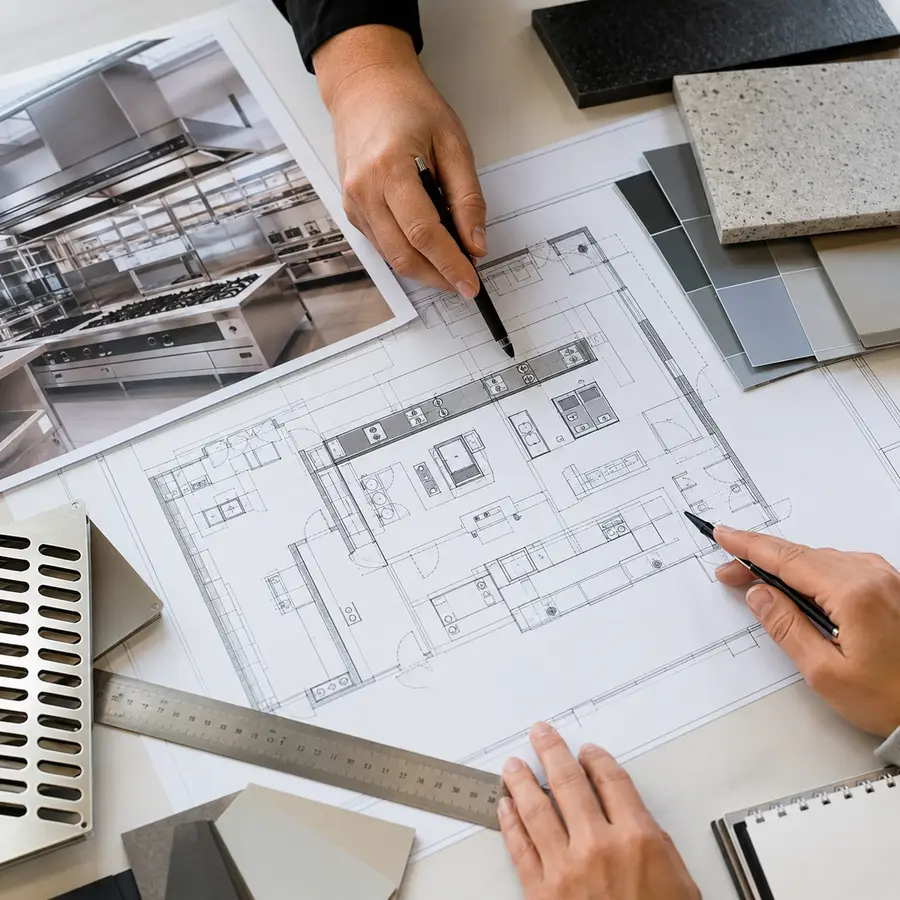
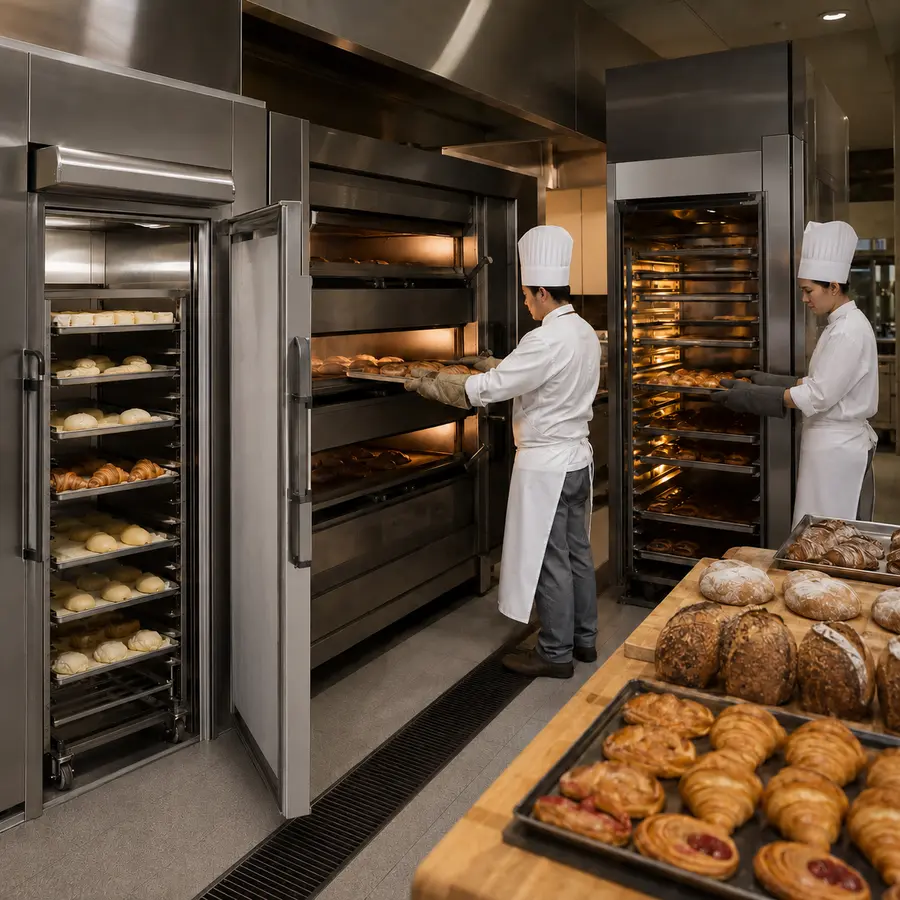
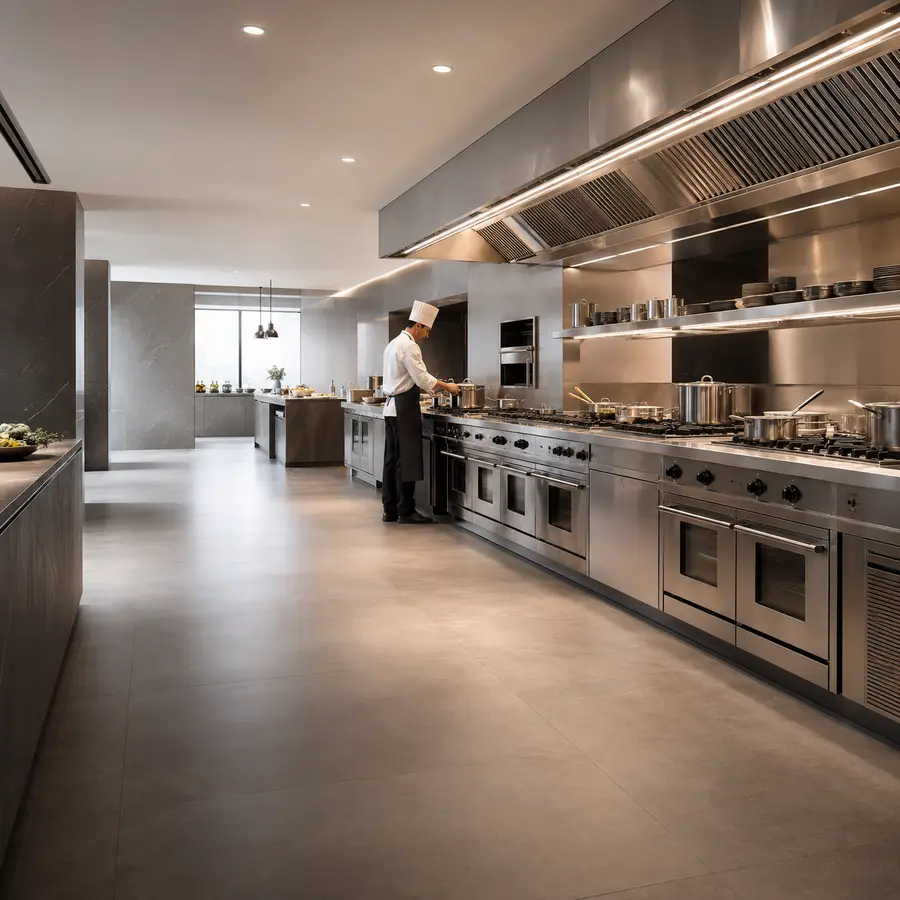
Document recipes, unit weights, daily quantities, batch sizes, pan loads, peak periods, product mix, and expected growth.
Confirm voltage, phase, gas, water, drainage, ventilation, humidity, temperature, refrigeration, and heat-rejection conditions.
Protect the sequence from storage and scaling through mixing, forming, proofing, baking, cooling, finishing, packing, and display.
Review throughput, yield, product consistency, labor impact, cleaning, energy, warranty, parts, serviceability, and replacement risk.
Practical specification toolkit
An equivalent quote requires more than a category name. Capture capacity, recipe and product needs, pan or rack standards, utilities, dimensions, materials, installation, food-contact requirements, and after-sale support.
State dough or batter types, recipe weights, unit size, batches per shift, pan loads, proofing and baking cycles, cooling time, and finishing requirements.
Buyer prompt: What must the bakery line produce during its busiest production window?Record installed dimensions, door and elevator limits, work height, bowl capacity, pan and rack size, voltage, phase, gas, water, drainage, ventilation, and refrigeration.
Buyer prompt: Can it reach, fit, connect, and be serviced in place?Define stainless, aluminum, coatings, silicone, wood or polymer surfaces, control type, recipe programs, cleaning access, duty cycle, warranty, spare parts, and local support.
Buyer prompt: Which attributes are mandatory, and which allow alternatives?List required local approvals, food-contact documentation, bowls, tools, guards, trays, stands, casters, installation responsibilities, delivery address, unloading limits, and phased needs.
Buyer prompt: Who is responsible for each connection, approval, and commissioning step?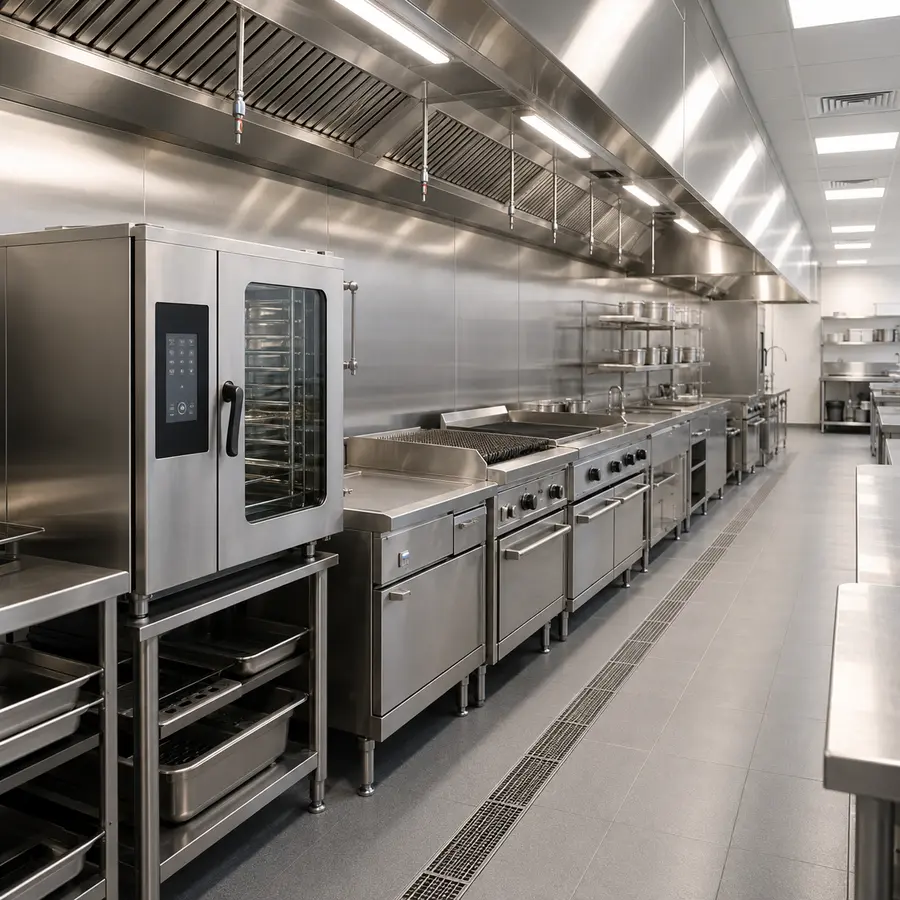
Purchase-order control
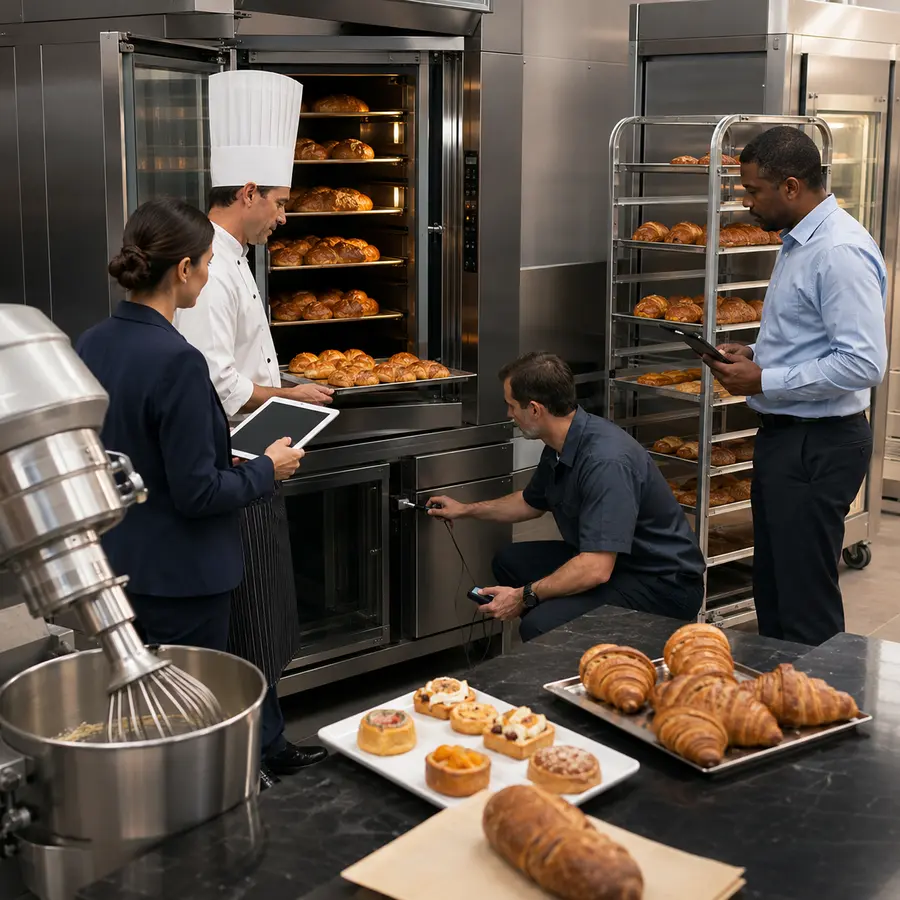
Small mismatches in voltage, bowl size, pan format, rack spacing, door orientation, accessories, coating, or food-contact material become expensive after production. Make the quotation, schedule, purchase order, and site plan agree.
Request a specification-based quoteReceiving & installation control
Give the receiving team the equipment and supply schedule, packing list, delivery contact, inspection priorities, food-contact checks, utility notes, and escalation route before the truck arrives.
Photograph the load, pallet wrap, carton condition, labels, and any visible impact before unpacking.
Compare model plates, utility ratings, pan and rack dimensions, materials, coatings, accessories, item numbers, and quantities with the approved schedule.
Note visible shortage or damage on the carrier delivery record before signing; avoid an unqualified clean receipt.
Separate affected goods, retain packaging and labels, and do not connect, install, or use equipment awaiting claim instructions.
Send a documented claim packet promptly with order references, delivery record, photos, item numbers, quantities, and requested resolution.
Designed for professional bakery projects
The directory connects bakery equipment and supplies with real operating constraints so owners, pastry chefs, consultants, and procurement teams can compare compatible product families.
Ovens, dough processing, worktables, racks, bakeware, pastry tools, cooling, storage, and display in one scope.
Use each category to compare capacity, pan or rack format, materials, controls, footprint, cleaning, utility, and product requirements.
Translate operating needs into a clearer schedule that suppliers can review against equivalent requirements.
Connect every card to a dedicated product page as the KW Hospitality bakery and pastry library grows.

Bakery procurement questions
Use these starting points to prepare a more complete bakery request and shorten avoidable technical clarification cycles.

Include the property or bakery type, product range, recipe or unit weights, daily output, batch sizes, pan and rack standards, equipment and tool categories, quantities, utilities, dimensions, food-contact requirements, delivery destination, installation scope, and target date.
Compare usable pan or rack capacity, product load per cycle, bake profile, temperature recovery, steam capability, loading method, number of cycles in the peak window, footprint, energy input, and expected product consistency. Nominal cavity volume alone does not establish throughput.
Match mixer type, bowl capacity, minimum and maximum dough load, hydration range, motor duty, speed control, dough temperature target, removable or fixed bowl, guarding, cleaning access, and batch frequency to the actual recipes and production plan.
State dough type, hydration, input piece weight, target thickness or portion range, hourly throughput, belt width, flouring method, line direction, available footprint, cleaning method, guard requirements, and whether the equipment must integrate with upstream or downstream machinery.
Confirm pan or rack format, usable capacity, temperature and humidity range, airflow, recovery after door opening, water and drainage requirements, retarding capability, controls, insulation, door orientation, cleaning access, and the intended dough schedule.
Ovens, proofers, cooling racks, worktables, sheet pans, loaf pans, and transport racks must share compatible dimensions, spacing, loading direction, and capacity. A mixed standard can reduce usable output, create handling risk, and require avoidable adapters or duplicate inventory.
Compare base metal, gauge, heat transfer, color, coating type, release performance, maximum temperature, cleaning method, utensil restrictions, expected cycle life, dimensional stability, replacement consistency, and food-contact documentation for the destination market.
Identify the destination market and ask for documentation applicable to the exact material, coating, silicone, polymer, wood, or metal product being quoted. Requirements vary, so approval should be checked with the relevant local professionals or authorities before purchase.
Record surface material, dimensions, work height, load rating, undershelf or drawer needs, mobility, flour or ingredient capacity, lid style, scoop storage, allergen separation, cleanability, aisle clearance, and how each item fits the production sequence.
Confirm dimensions, material, temperature tolerance, grip, flexibility, tip or cutter profile, cleaning method, dishwasher suitability, replacement availability, storage, and consistency across sets. For high-volume use, ergonomics and repeatable sizing matter as much as appearance.
Match ambient or refrigerated operation, product temperature, humidity, glazing, shelf area, lighting, rear access, service style, sight lines, condensate handling, cleaning, electrical load, noise, heat rejection, dimensions, and finish to the counter and product plan.
Verify voltage, frequency, phase, amperage, plug or hardwire requirement, gas type and pressure, water quality and pressure, drainage, steam, ventilation, heat rejection, refrigeration, clearances, floor loading, and isolation points for the exact model and destination.
Responsibility must be stated in the quotation and project plan. Delivery, positioning, electrical or gas connections, plumbing, ventilation, refrigeration, testing, calibration, commissioning, training, permits, and sign-off may involve different qualified parties at the destination.
Lead time may depend on model and material availability, voltage or gas configuration, custom dimensions, coatings, tooling, approvals, production capacity, minimum order quantities, consolidation, packing, freight, customs, delivery appointments, and site readiness.
Normalize every quote to the same duty class, usable capacity, dimensions, pan or rack standard, materials, included accessories, food-contact documentation, warranty, installation scope, delivery basis, taxes, duties, freight, lead time, minimums, and exclusions.
Yes. Organize the request by production stage and category, then state quantities, standards, mandatory specifications, acceptable alternatives, and delivery phases. This keeps consolidation opportunities visible while preserving the technical requirements of each item.
Photograph the shipment before unpacking, inspect packaging, compare model plates and item numbers with the approved schedule, measure sample pans or racks where compatibility is critical, count accessories, note shortage or damage before signing, and retain evidence for claims.
A dedicated category page can explain the capacities, materials, applications, comparisons, utility needs, compatibility risks, maintenance, FAQs, and quote requirements specific to that product family while keeping this hub easy to scan.
Direct contact
Choose the office and channel that work best for your bakery or pastry project. Both teams can help route product, sourcing, quotation, and delivery questions.
+1 514 907 1637
+86 155 2127 1637

Your bakery procurement brief starts here
Share the property or bakery type, product range, daily output, batch sizes, pan and rack standards, utilities, quantities, dimensions, target delivery date, and categories involved.