

New Opening Program
Coordinate cart types, luggage-room storage, guest-service accessories, opening spares, delivery phasing, and staff handover.
Hotel arrival operations, specified clearly
Source luggage carts, bellman equipment, guest-service accessories, replacement parts, parcel storage, and luggage-room systems through one specification-led procurement path.
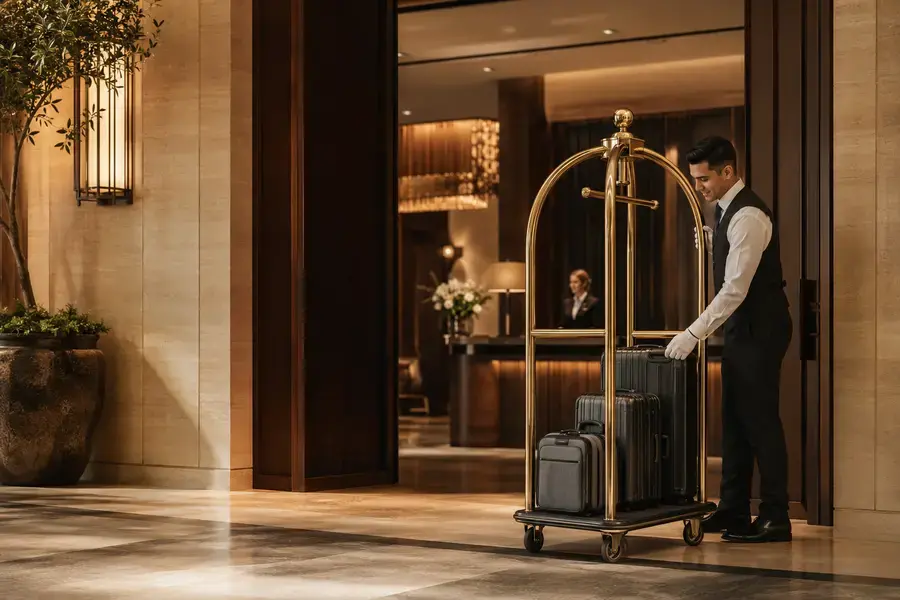
Start with the operating scenario
A useful Bell and Concierge brief begins with how guests arrive, how luggage moves, where equipment is stored, and how the property will maintain the program after opening.
Coordinate cart types, luggage-room storage, guest-service accessories, opening spares, delivery phasing, and staff handover.

Align cart frames, carpets, bumpers, umbrellas, stanchions, and concierge details with the updated interior design.
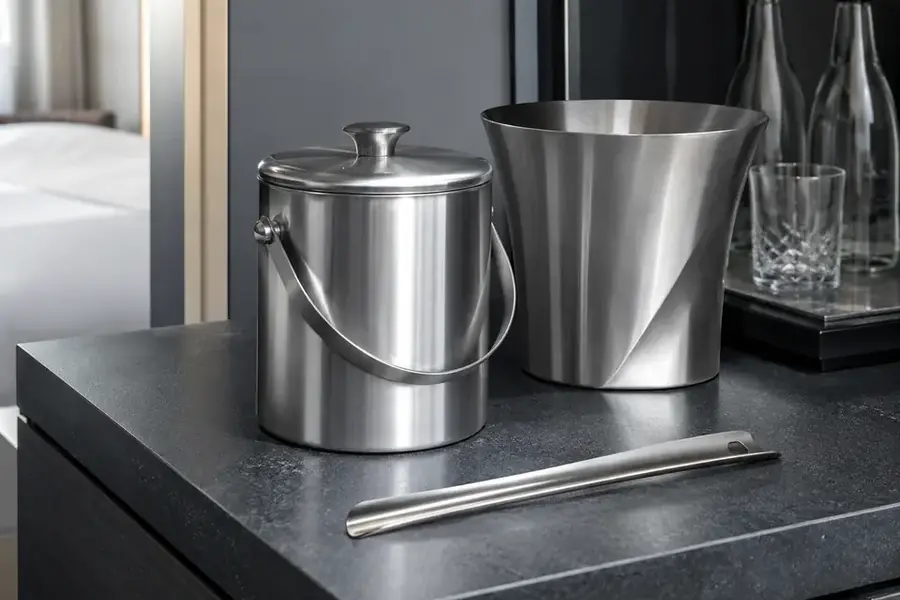
Replace worn carts or restore serviceability with matched casters, wheels, bumpers, deck carpets, covers, and controlled spare parts.
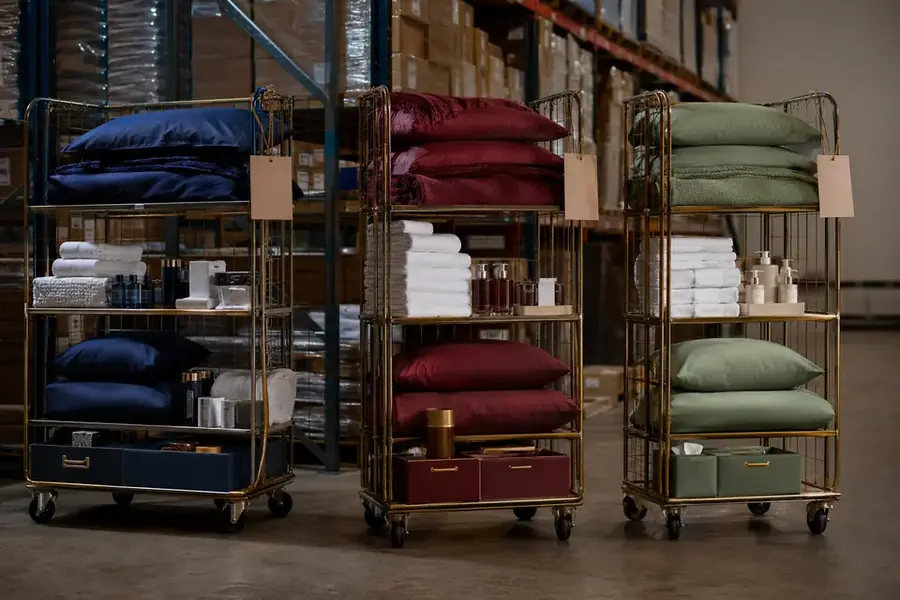
Control approved formats, finishes, component codes, branding, inspection criteria, and reorder references across a portfolio.
Complete product directory
Search all 21 product categories or narrow the directory by cart system, guest service, replacement parts, or controlled storage. Each card can connect to its own dedicated landing page.
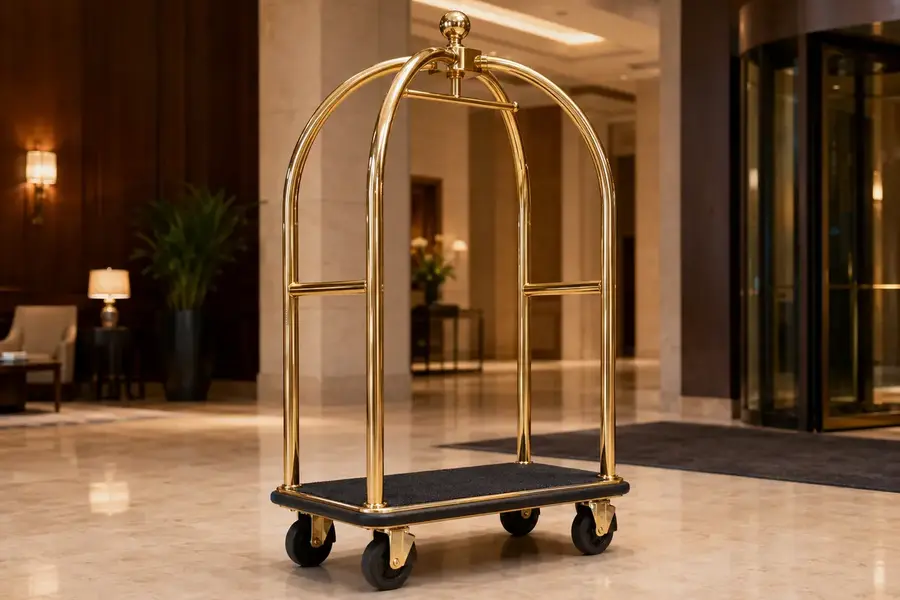

Showing all 21 categories
 01
Cart Systems
01
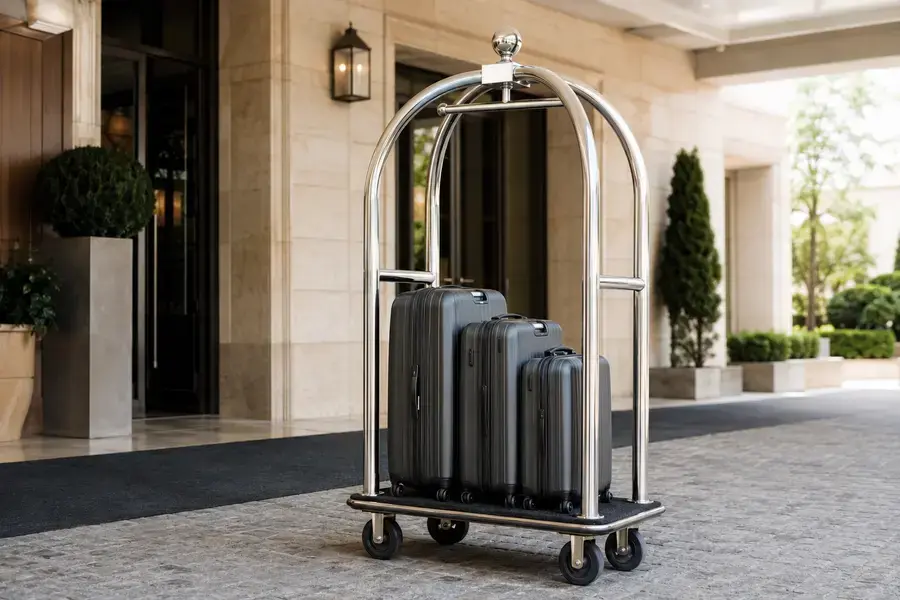
Cart SystemsBirdcage Carts · Bellman Carts · Platform Carts
 02
Cart Systems
02
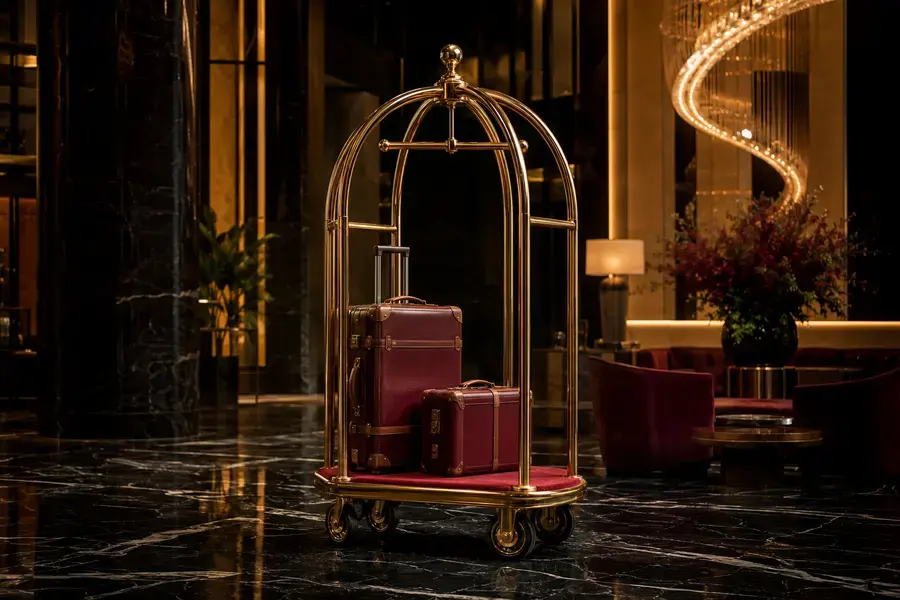
Cart SystemsBrass Finish · Stainless Steel · Custom Colors
 03
Cart Systems
03
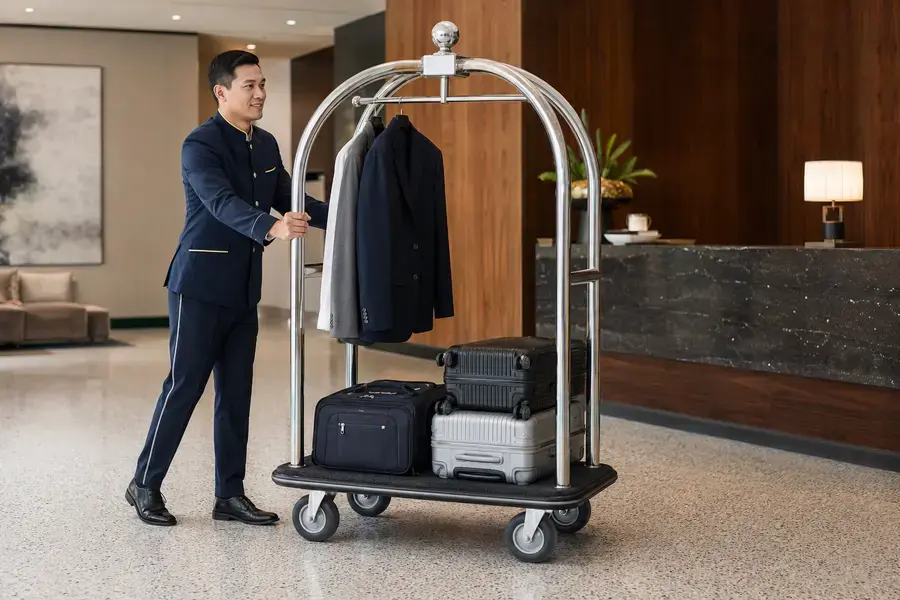
Cart SystemsSquare-Top Carts · Garment Rails · Compact Bell Carts
 04
Cart Systems
04
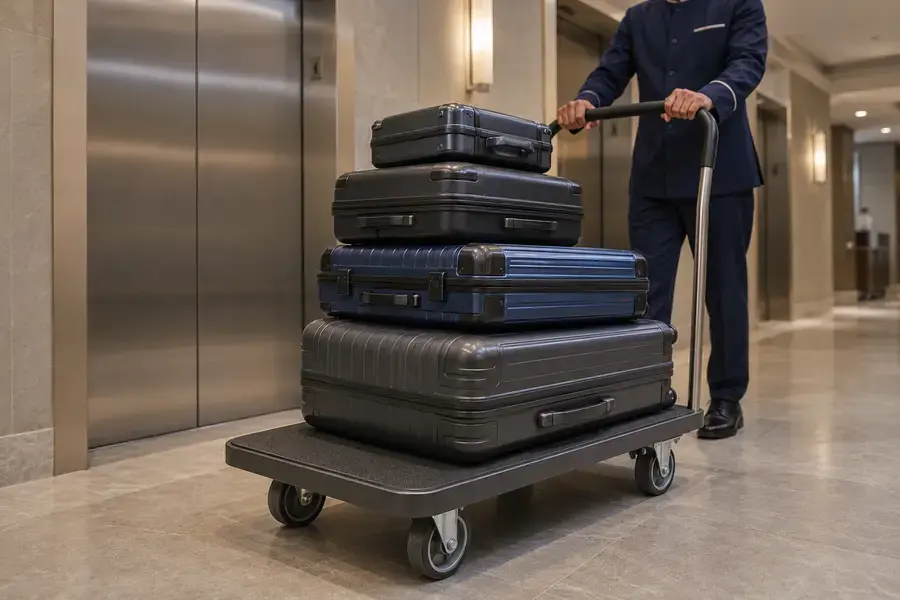
Cart SystemsFlatbed Carts · High-Capacity Decks · Service-Corridor Carts
 05
Cart Systems
05
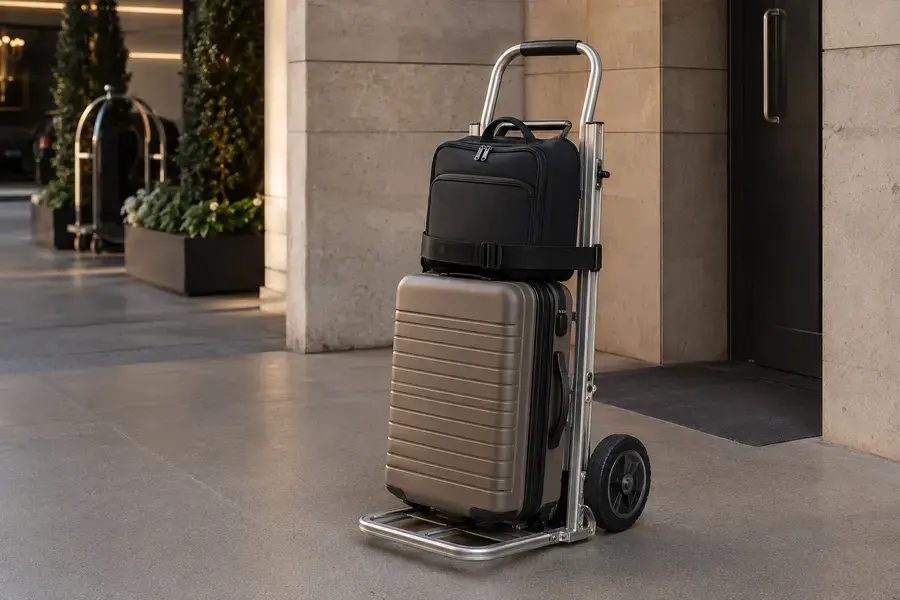
Cart SystemsTwo-Wheel Trucks · Convertible Trucks · Parcel Handlers
 06
Cart Systems
06
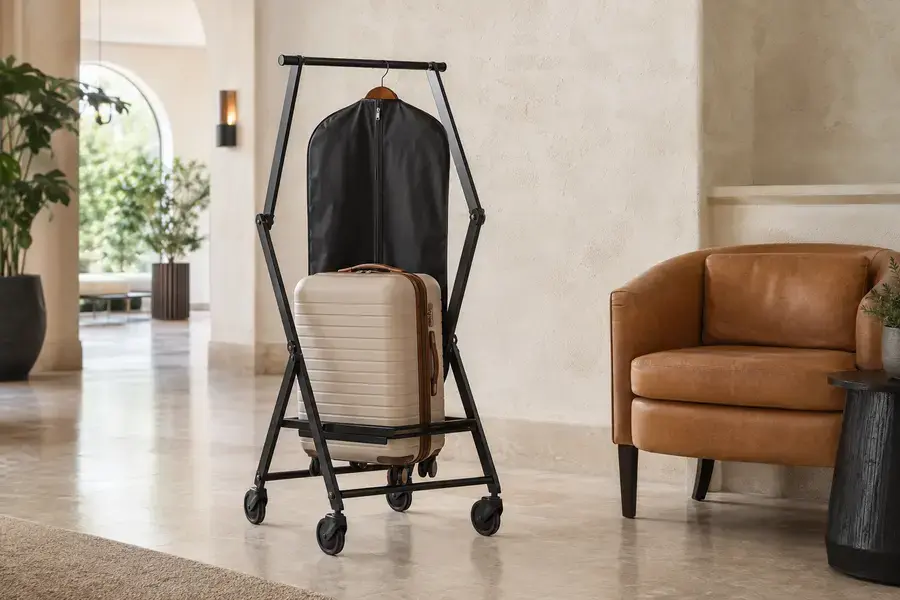
Cart SystemsGuest-Loan Carts · Compact Trolleys · Collapsible Frames
 07
Guest Service
07
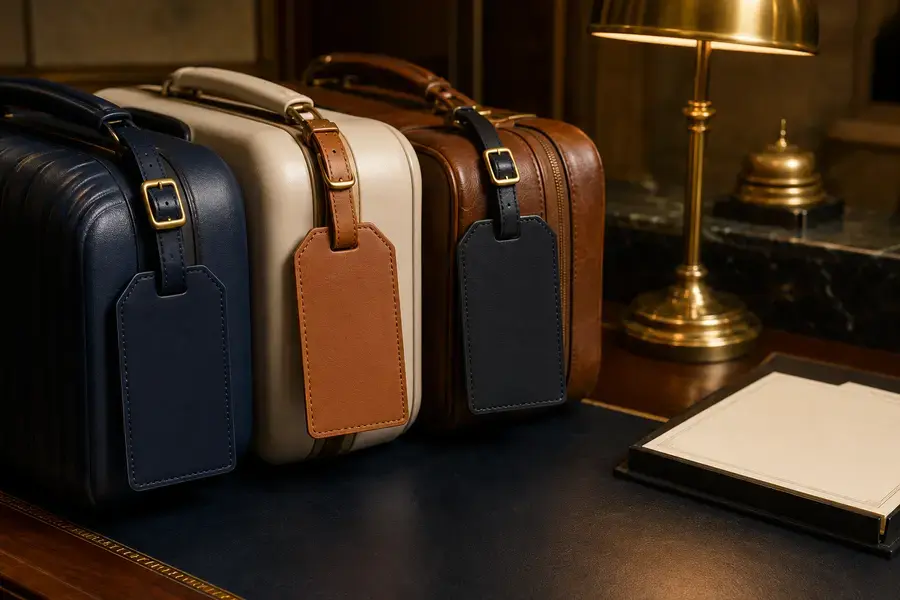
Guest ServiceWooden Racks · Metal Racks · Folding Guestroom Racks
 08
Guest Service
08
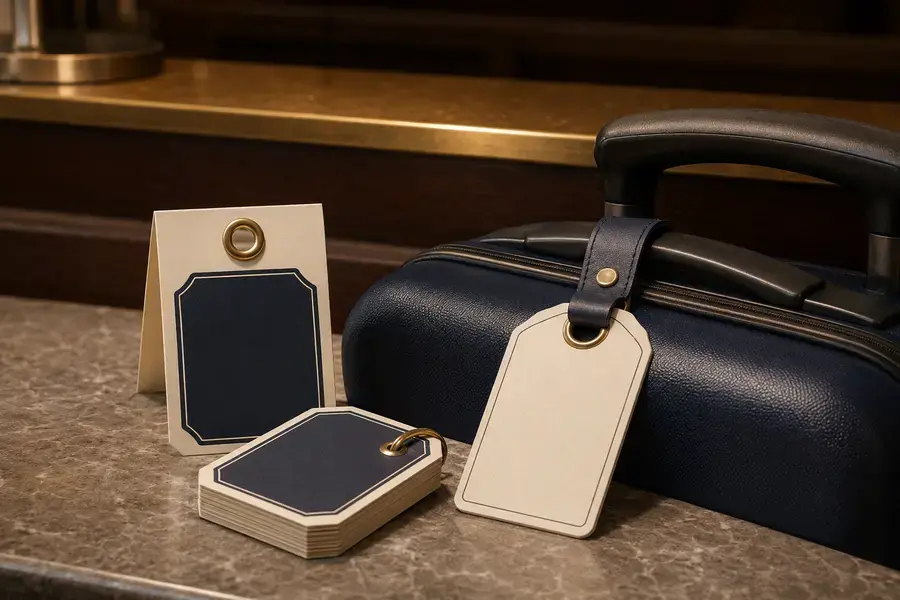
Guest ServicePaper Tags · Reusable Tags · Custom-Branded Tags
 09
Guest Service
09
Guest ServicePaired Checks · Sequential Sets · Tamper-Evident Formats
 10
Guest Service
10
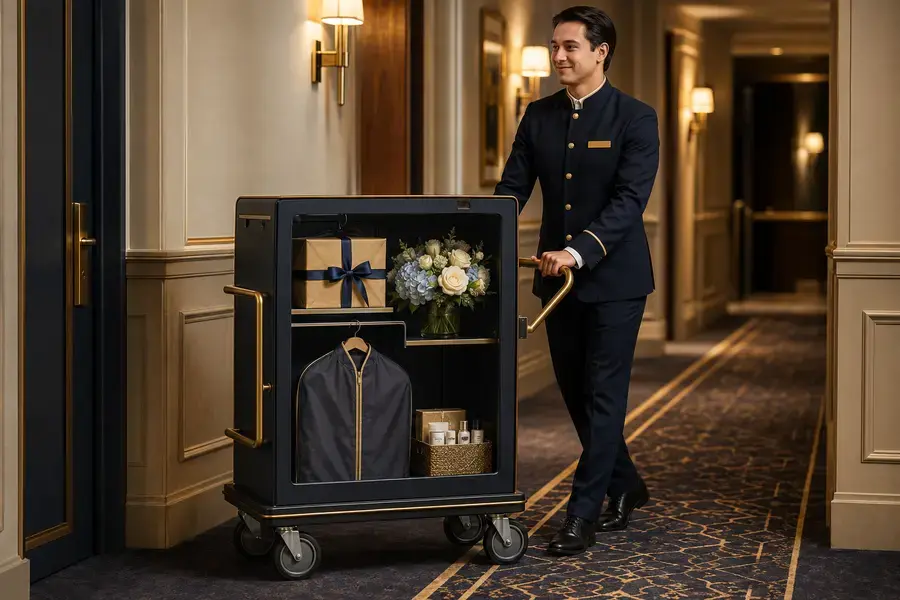
Guest ServiceParcel Carts · Garment Delivery · Amenity Delivery
 11
Guest Service
11
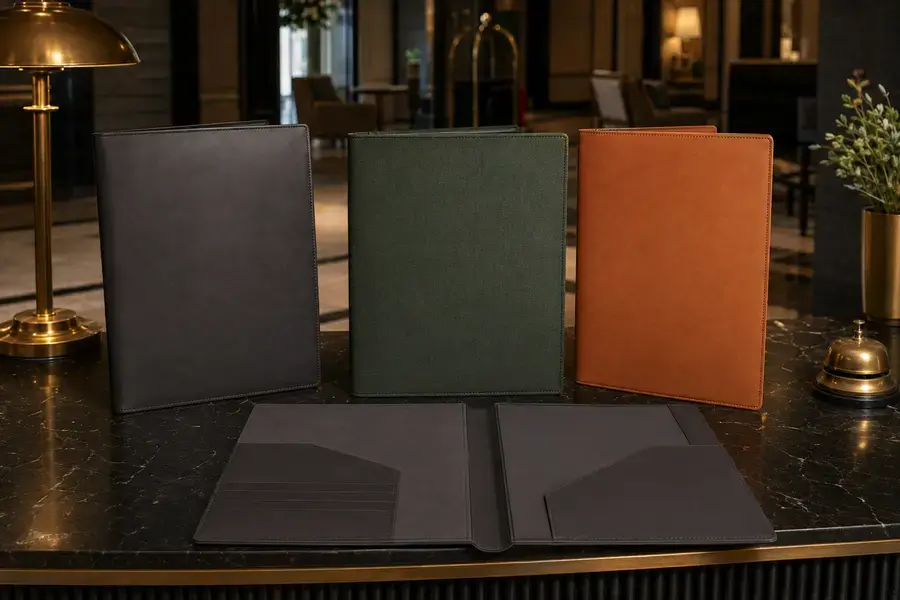
Guest ServiceItinerary Folders · Guest Document Holders · Branded Presentation Folders
 12
Guest Service
12
Guest ServiceBrass Bells · Counter Bells · Decorative Service Bells
 13
Guest Service
13
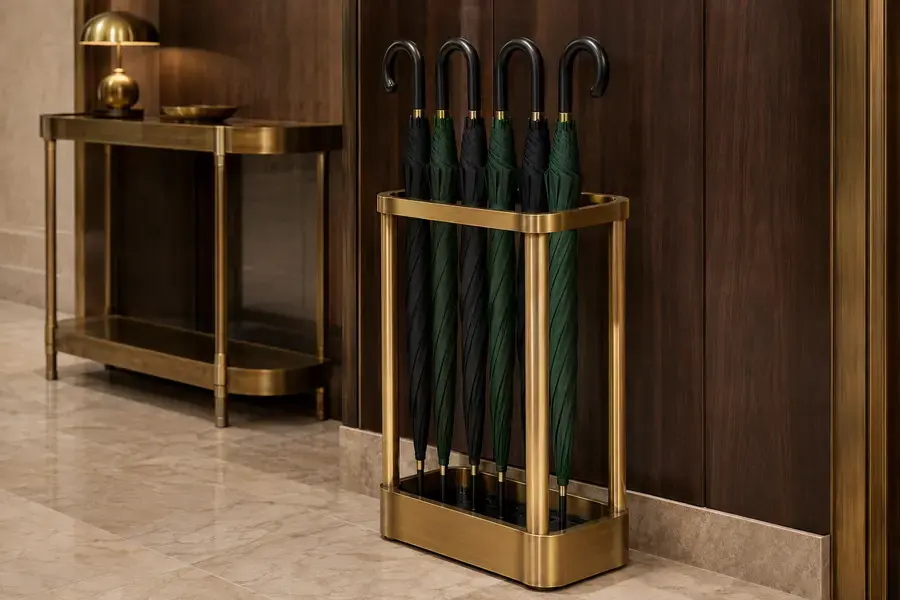
Guest ServiceDoorman Umbrellas · Loan Umbrellas · Branded Canopies
 14
Guest Service
14
Guest ServiceLobby Stands · Drip-Tray Stands · Bag Dispensers
 15
Guest Service
15
Guest ServiceQueue Stanchions · Velvet Ropes · Retractable Barriers
 16
Parts & Protection
16
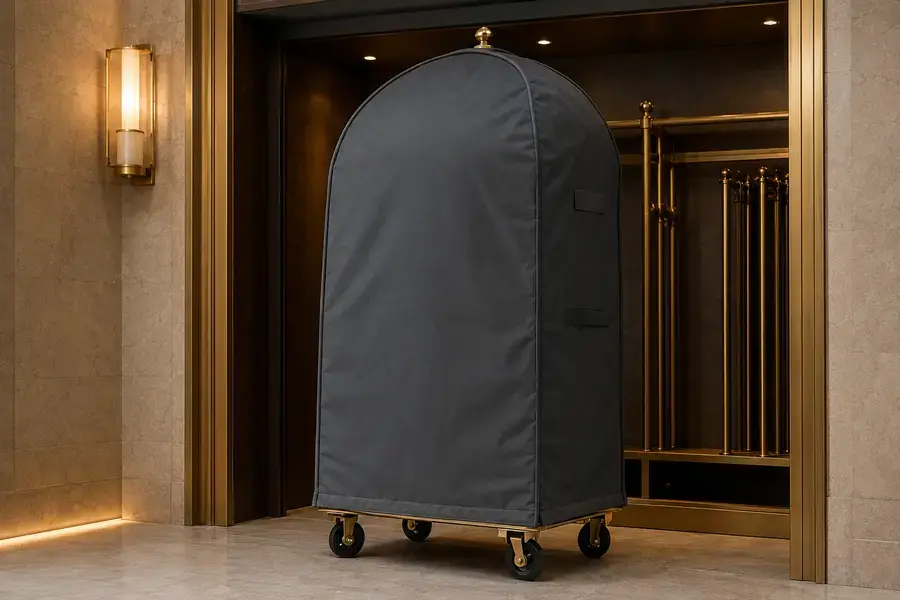
Parts & ProtectionFitted Covers · Dust Protection · Water-Resistant Covers
 17
Parts & Protection
17
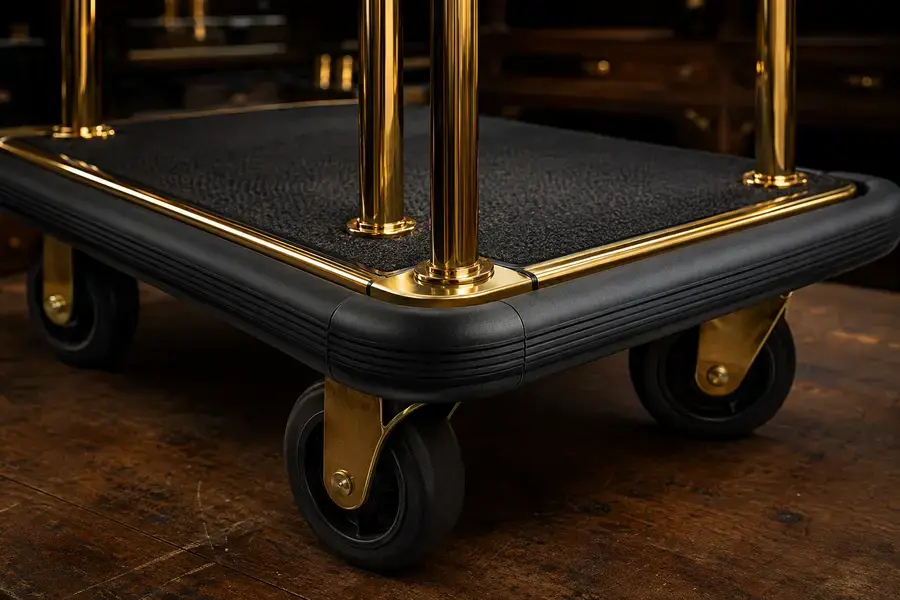
Parts & ProtectionPerimeter Bumpers · Corner Guards · Replaceable Trim
 18
Parts & Protection
18
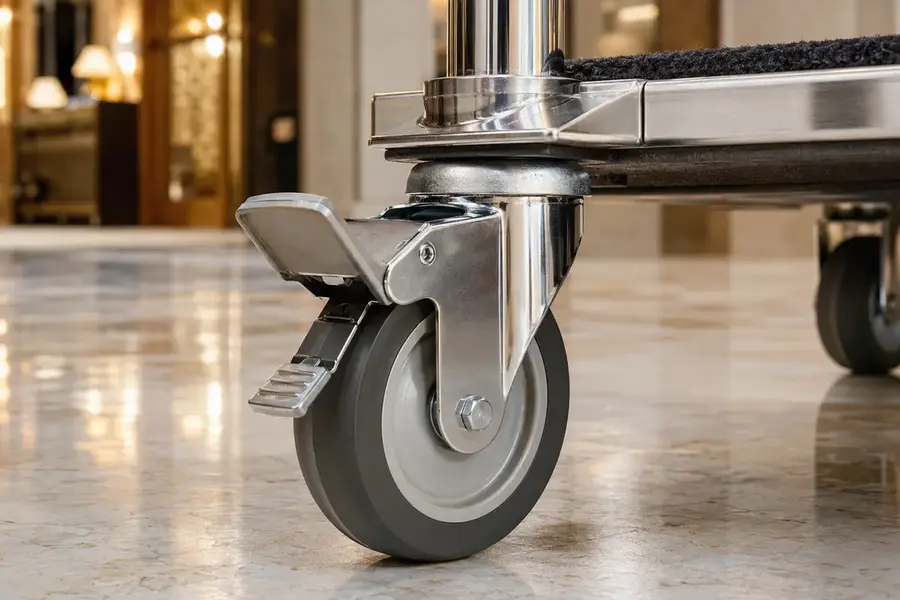
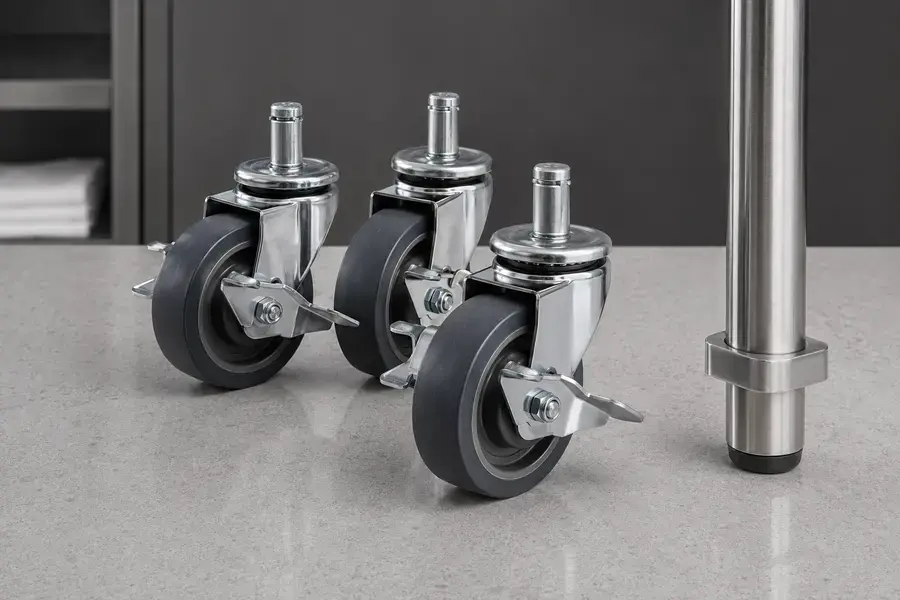
Parts & ProtectionNon-Marking Wheels · Swivel Casters · Braked Casters
 19
Parts & Protection
19
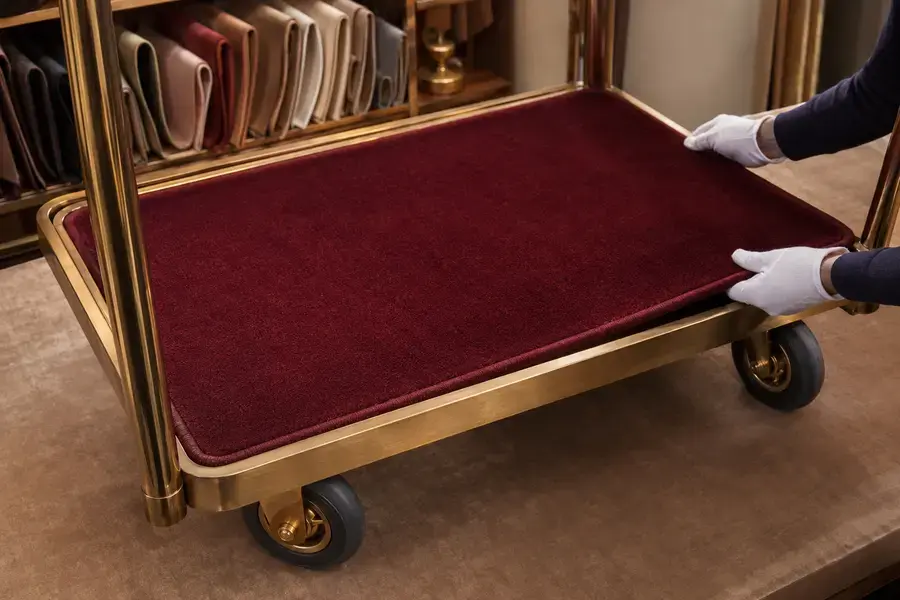
Parts & ProtectionBound Deck Inserts · Custom Colors · Washable Deck Materials
 20
Storage
20
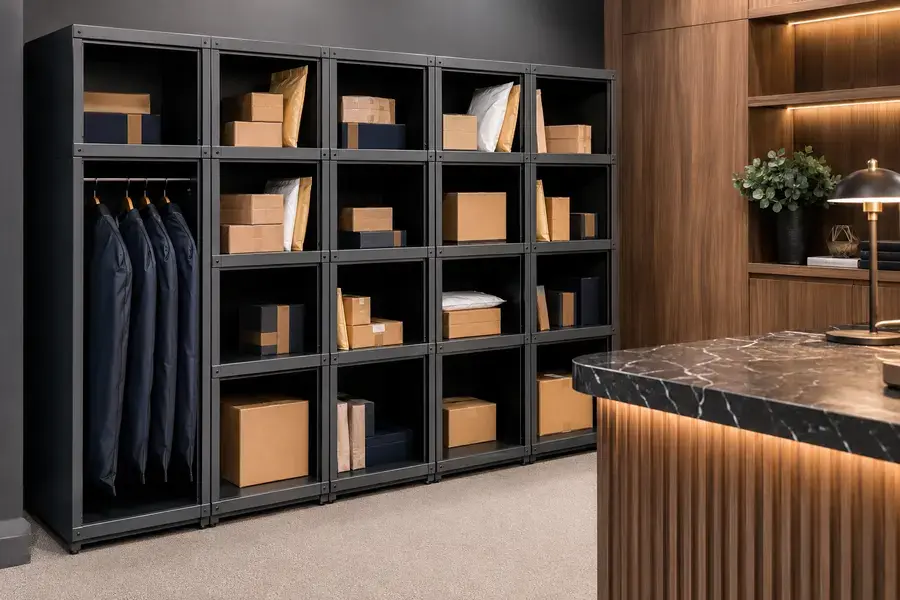
StorageParcel Cubbies · Garment-Bag Racks · Concierge Storage Bays
 21
Storage
21
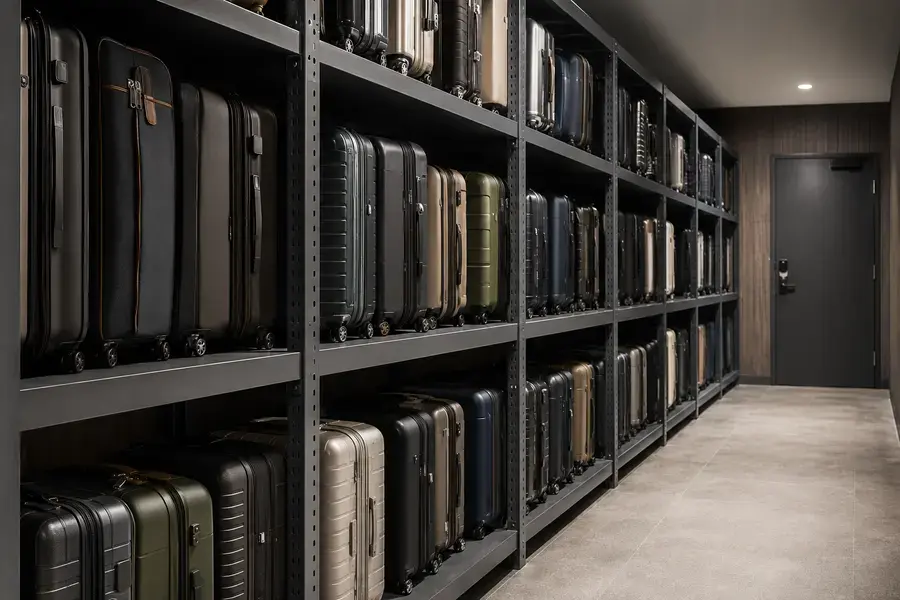
StorageHeavy-Duty Shelving · Open Bays · Controlled Luggage Storage
Try a broader term such as cart, wheel, umbrella, parcel, or storage, or reset the buying-area filter.
A controlled specification workflow
A reliable program aligns the arrival route, bell-service workflow, cart envelope, floor interface, storage plan, finish standard, spare parts, and delivery controls before production begins.
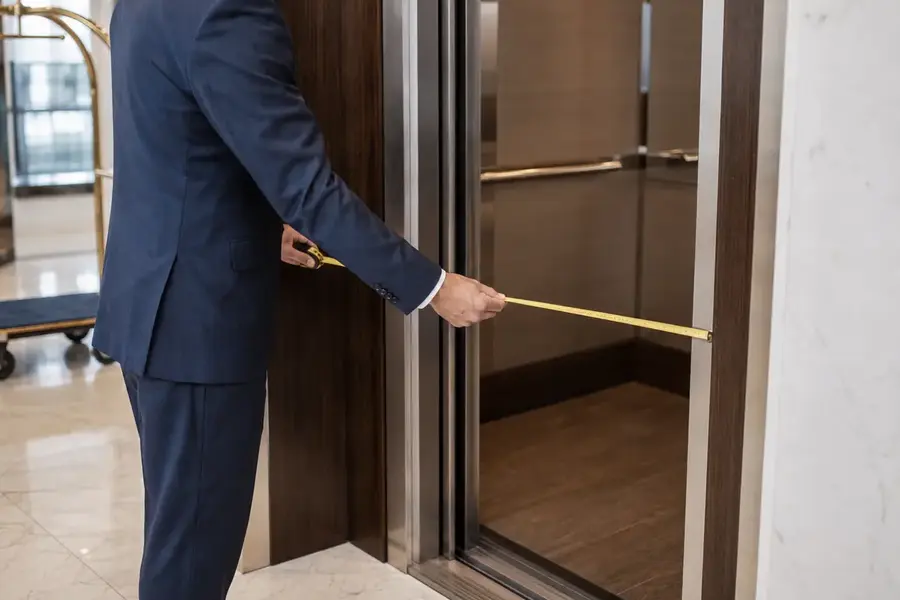
Record the curb-to-room path, narrowest door, elevator opening and cabin, turning points, thresholds, ramps, storage bay, and floor surfaces.
Choose guest-facing carts, bulk-transfer equipment, desk accessories, umbrellas, barriers, storage systems, and opening spares by actual demand.
Review loaded maneuverability, push effort, stability, noise, brakes, floor marking, bumper coverage, handle height, deck access, finish, and cleaning.
Align approved samples, drawings, finish references, quantities, component codes, inspection points, protective packing, shipment timing, and receiving checks.
Bell and Concierge buyer toolkit
Compare suppliers against the same route, load, construction, finish, component, and delivery requirements. The fields below reduce substitutions that look similar but operate differently.
State the expected operating load, peak arrival pattern, daily trips, luggage mix, narrowest access, gradients, thresholds, floor transitions, and storage footprint.
Buyer prompt: Can the loaded cart complete the real route safely and quietly?Record the overall cart envelope, deck size, hanging clearance, wheel diameter and tread, swivel behavior, brake access, mounting, noise, debris resistance, and floor-marking limits.
Buyer prompt: Will the caster package turn, stop, and protect every floor on the route?Define base metal, tube profile, joinery, plated or coated finish, gloss and color reference, deck construction, carpet and binding, bumper coverage, branding, and cleaning compatibility.
Buyer prompt: Which visual and construction references must the production unit match?Model peak operating quantity, backup allowance, opening spares, covers, storage capacity, minimum order, packing method, shipment phasing, unloading access, and required commissioning date.
Buyer prompt: Does the order cover peak demand, maintenance downtime, and replenishment?Purchase-order control
Small differences in dimensions, casters, bumper position, carpet, finish, or packing can change daily performance. Make the quote, sample, drawing, purchase order, and inspection reference describe the same build.
Request a custom Concierge packageReceiving & commissioning control
Give the receiving team the approved drawings and finish references, purchase order, packing list, inspection points, delivery contact, and escalation route before unloading begins.
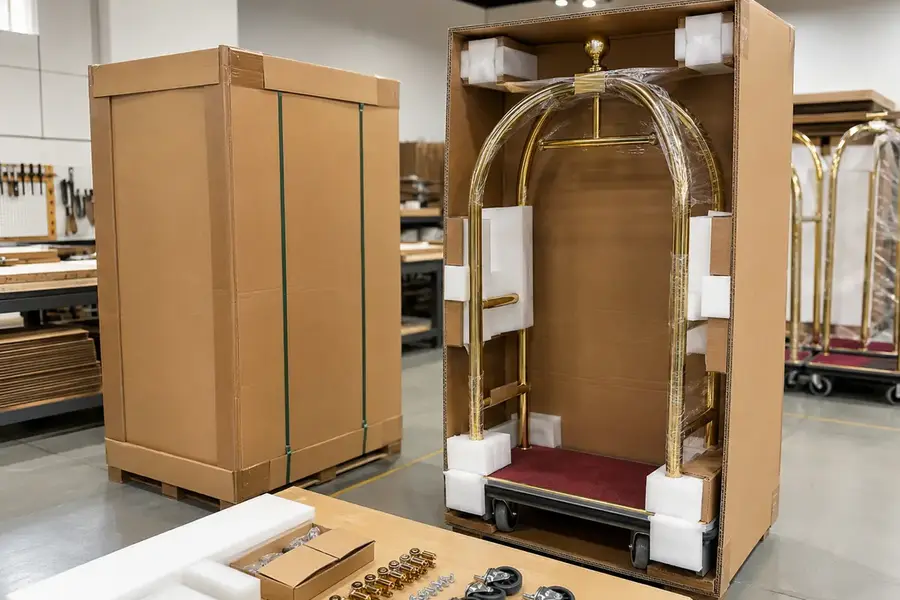
Photograph the load, wrap, carton or crate, finish protection, labels, caster restraints, and any visible impact before unpacking.
Count every cart, component, cover, accessory, and spare-part carton against the packing list and purchase order.
Compare dimensions, finish, carpet, bumper, branding, caster model, brake position, and included accessories with the approved reference.
Roll and load-test representative units on the actual route; isolate damage or functional deviations and retain packaging and labels.
Submit a documented claim or punch-list packet promptly with order references, delivery record, photos, item codes, quantities, and requested resolution.
Designed for guest arrival operations
The directory connects the guest-facing arrival experience with route constraints, staff handling, storage, floor protection, parts continuity, and controlled replenishment.
Choose fleet formats around arrival peaks, luggage mix, room count, routes, elevators, villas, group business, storage, and service promise.
Control frame material, plated or coated finish, carpet, bumper, handle, branding, folders, umbrellas, and barriers against approved references.
Plan replaceable casters, wheels, bumpers, deck materials, covers, diagrams, reorder codes, preventive checks, and opening spares.
Connect every card to a focused commercial page while preserving one recognizable directory, contact path, article section, and RFQ journey.

Operational formats & use cases
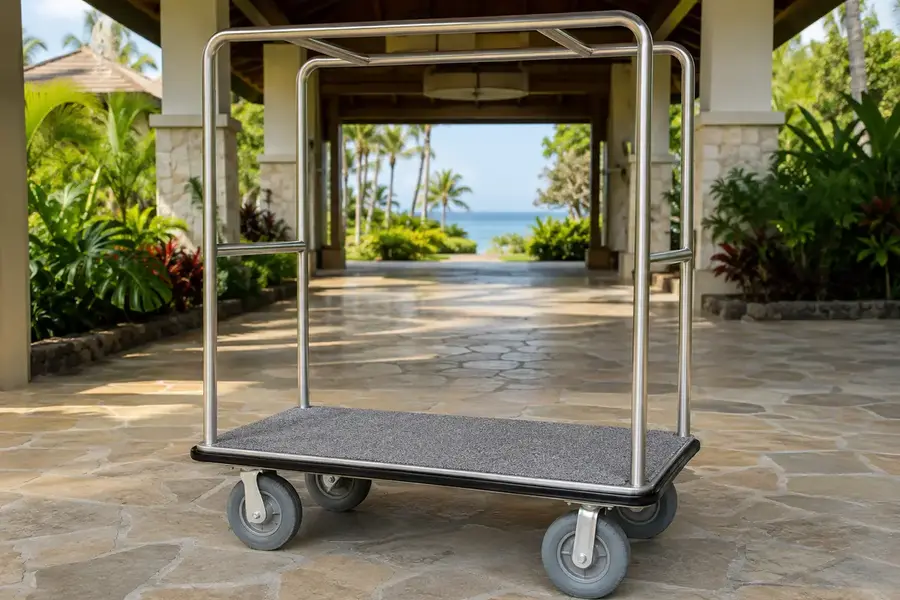
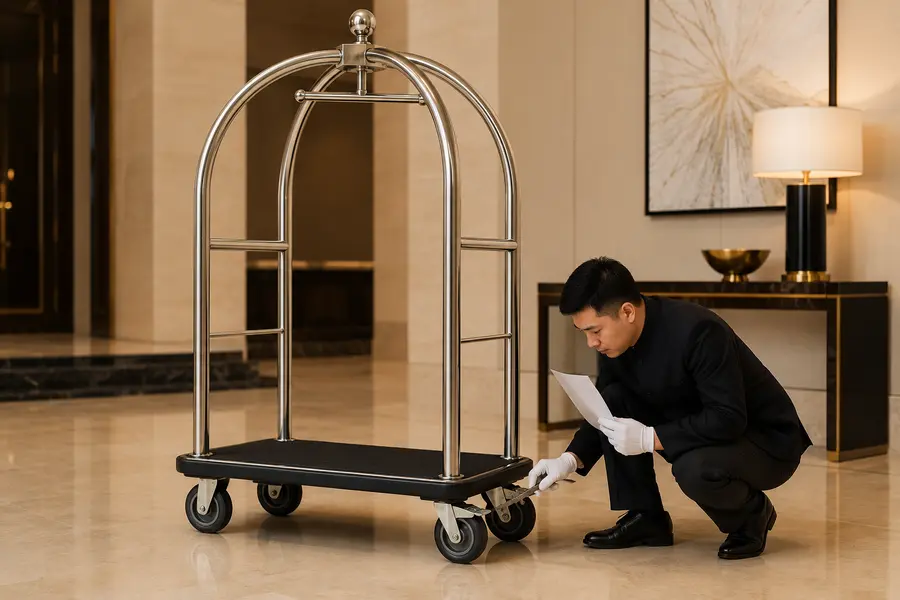
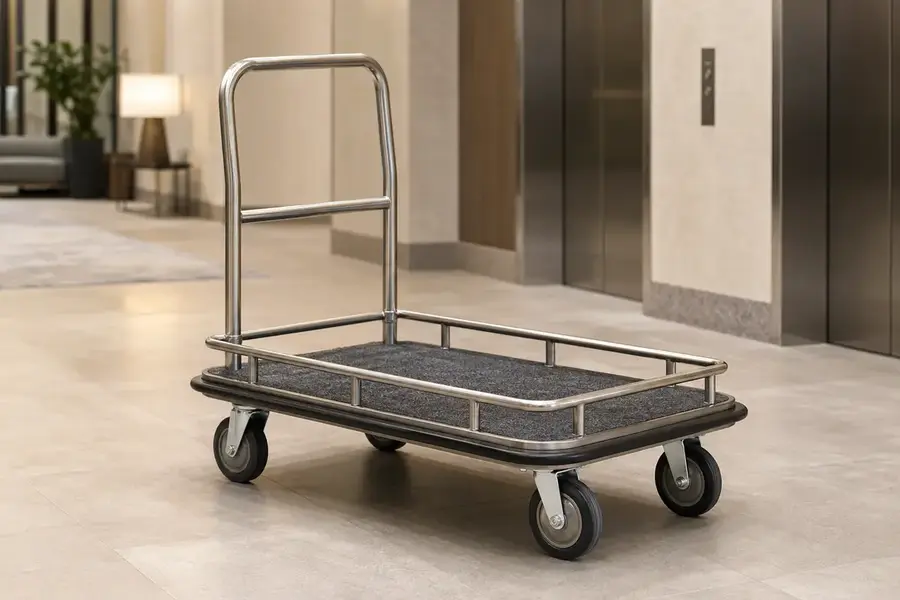
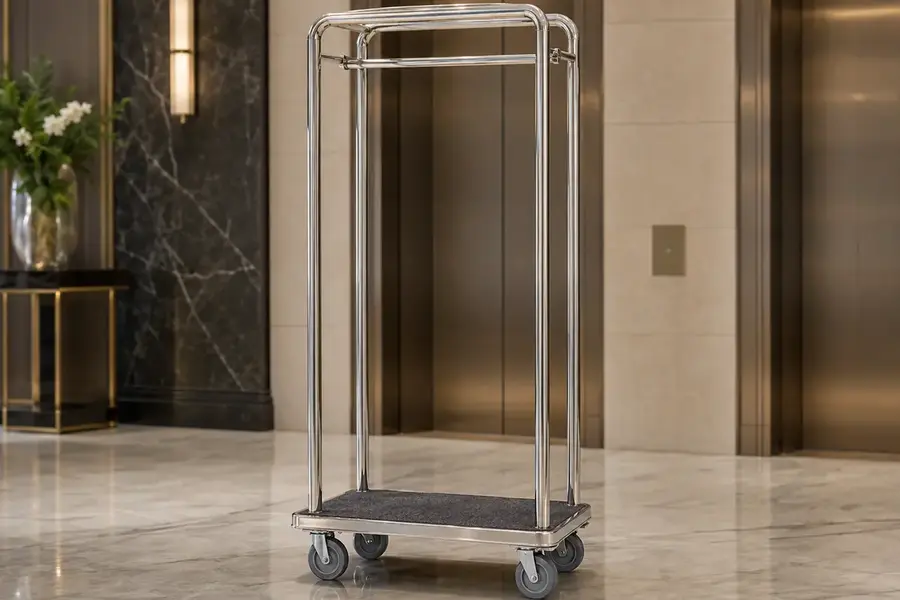
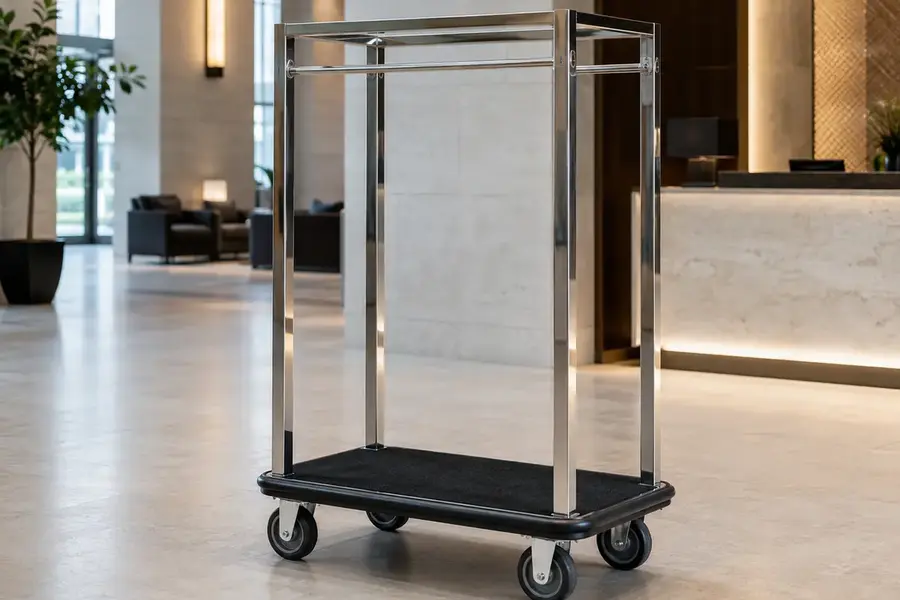
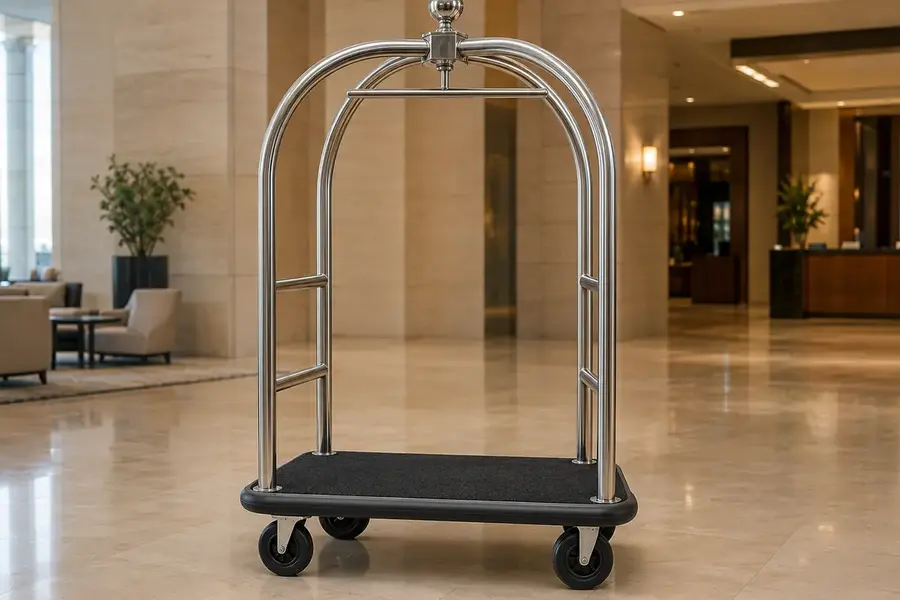
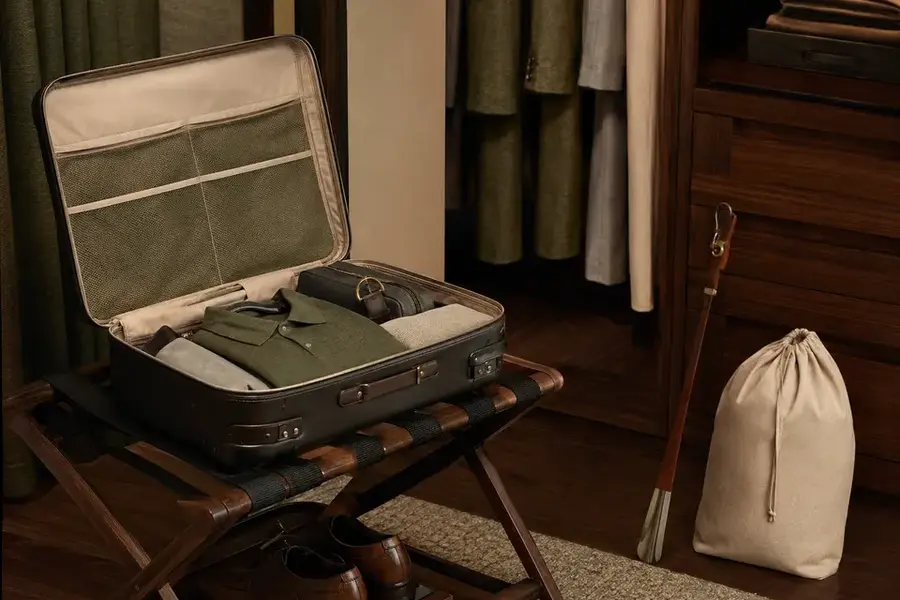
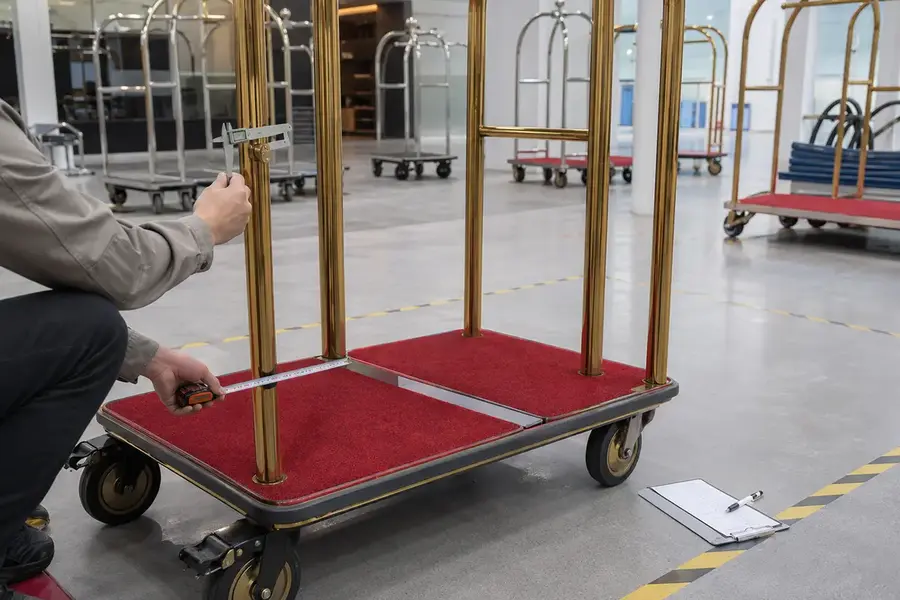
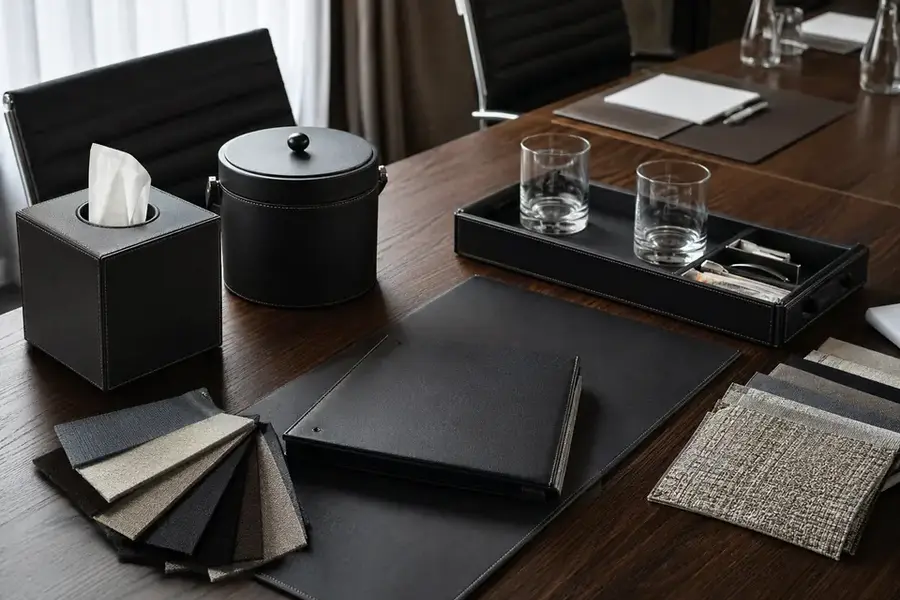
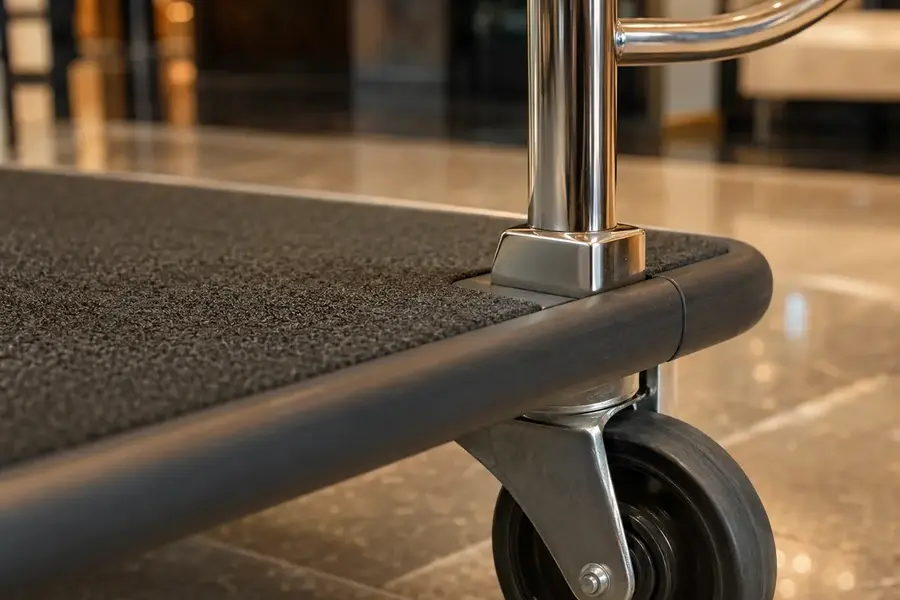
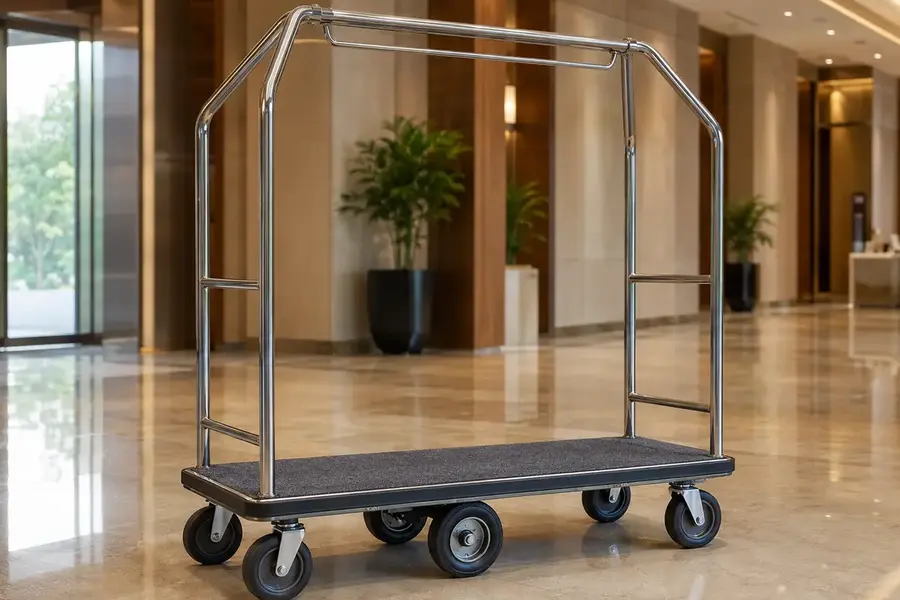
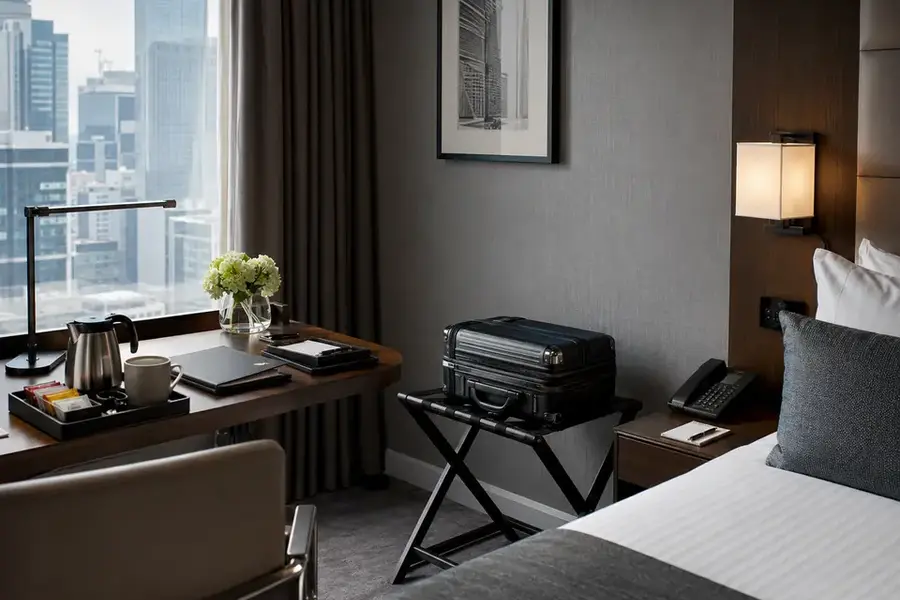
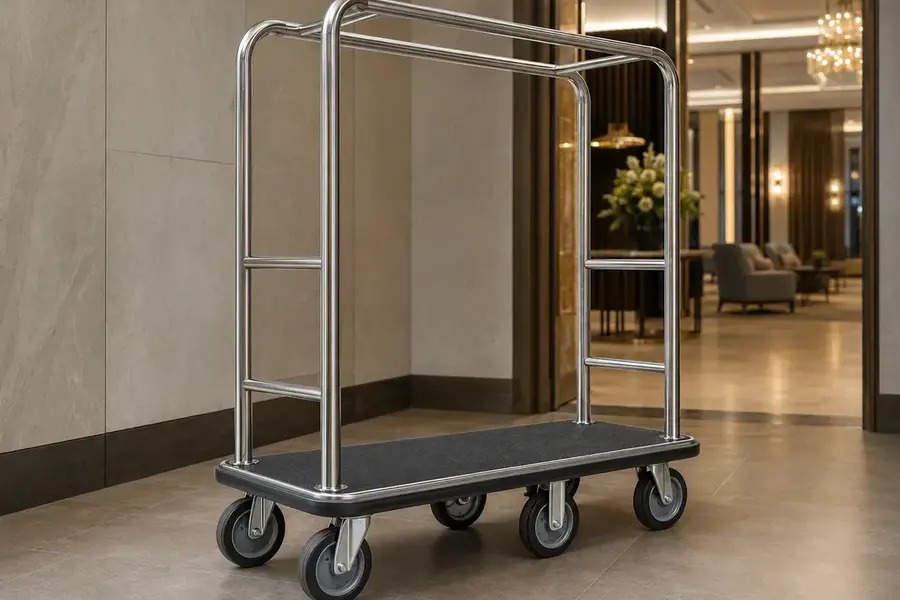
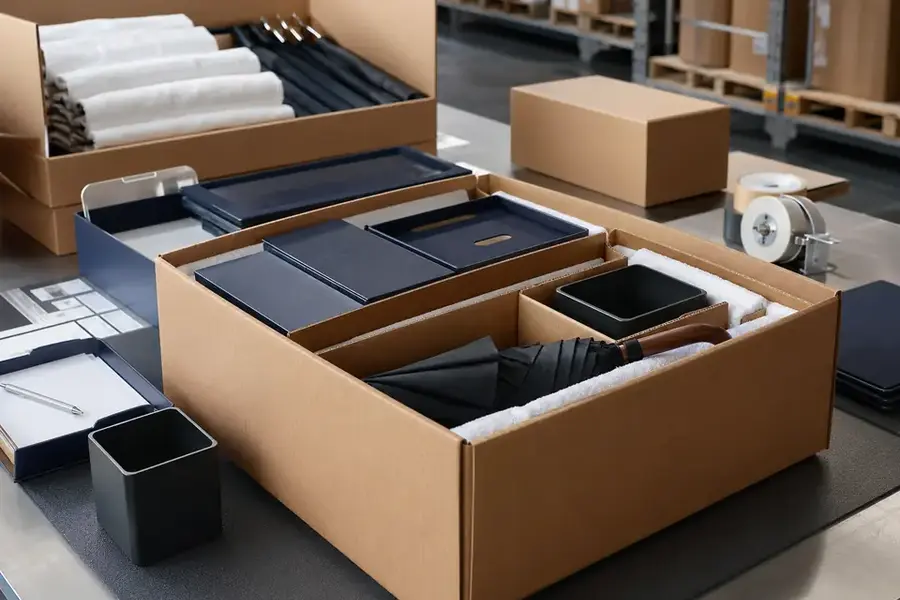
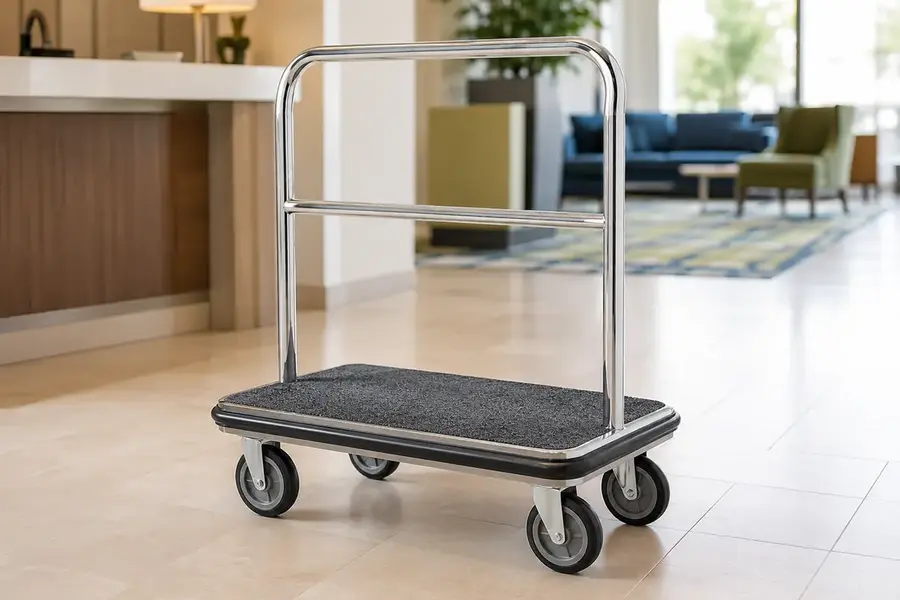
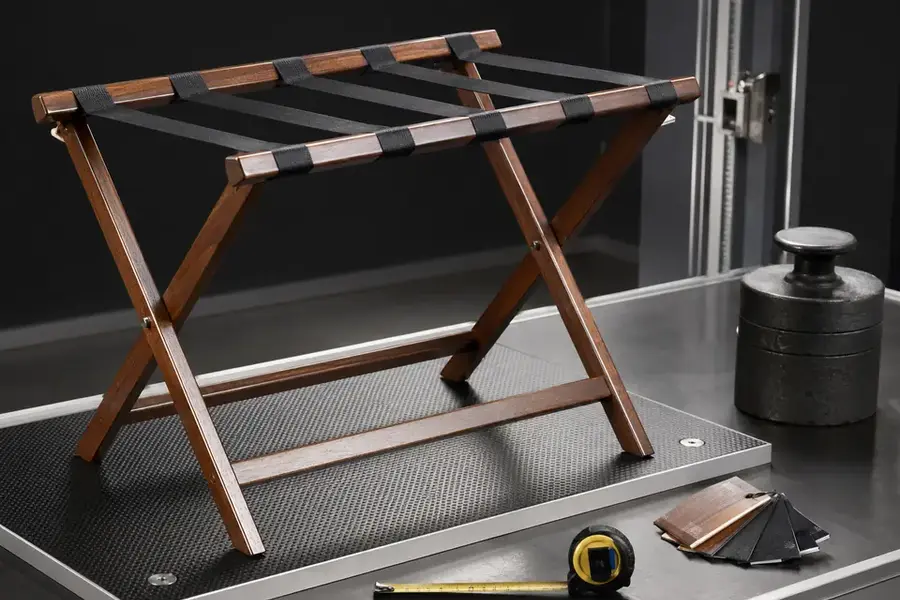
These 24 additional single-scene images show distinct cart formats, property types, component decisions, packing steps, and guest-service situations without repeating any card or section image.








Bell and Concierge procurement questions
Use these answers to prepare route measurements, operating quantities, sample approvals, spare-part plans, and receiving checks before requesting a quotation.
Share the property type, room count, opening or replacement schedule, required categories, quantities, destination, target date, preferred finishes, branding needs, route constraints, elevator dimensions, storage space, and any existing equipment standard.
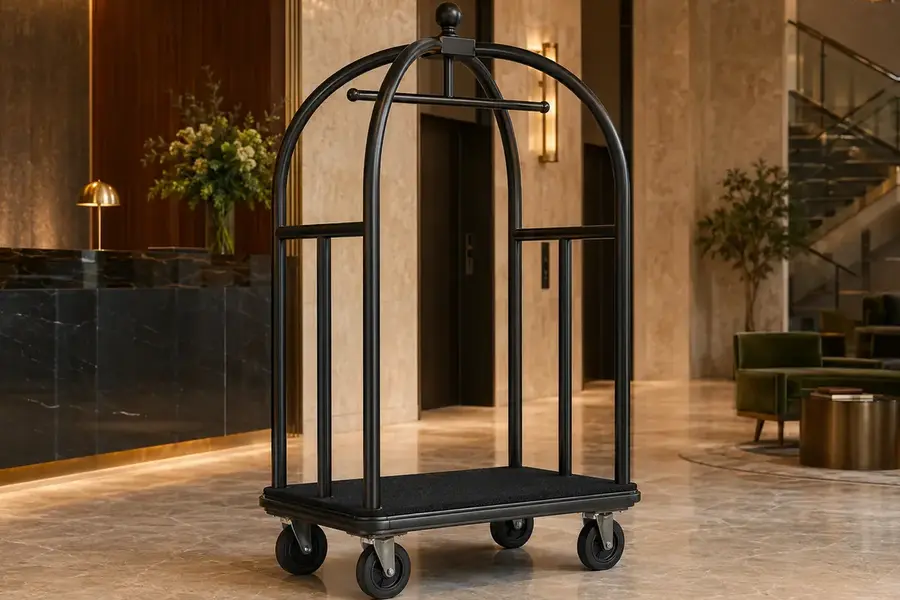
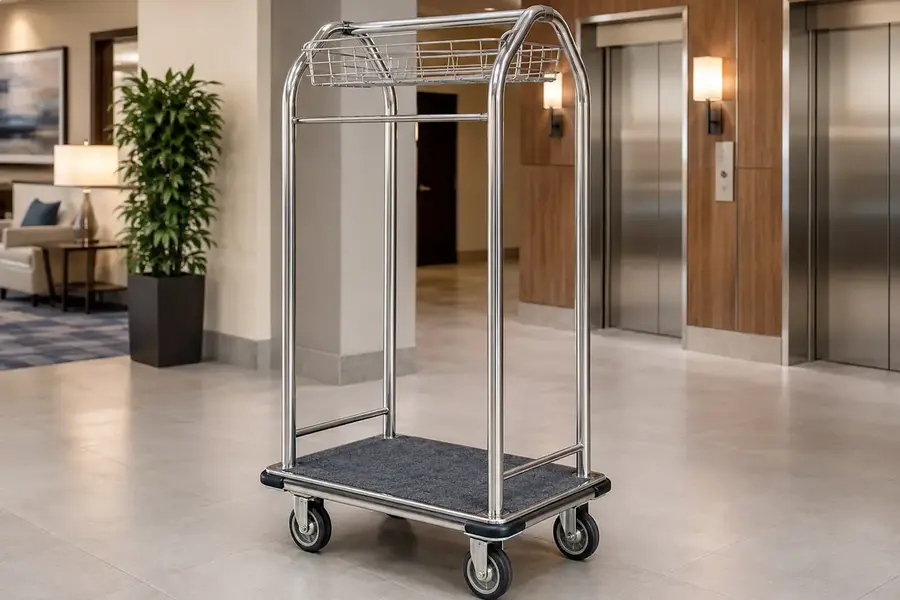
Choose by service model and route. Birdcage and bellman carts prioritize guest-facing presentation and hanging capacity; platform carts prioritize bulk movement; folding carts prioritize compact storage and lighter, occasional use. Many properties require more than one type.
Measure the narrowest door, elevator clear opening and cabin, tightest turn, corridor pinch points, ramps, thresholds, storage bay, and any low overhead condition. Compare those measurements with the cart’s full operating envelope, not only its deck.
Depending on quantity and construction, customization can include frame finish, deck carpet, bumper color, hanging rail, plaque, restrained logo placement, protective cover, and selected dimensions. Physical finish samples should be approved under representative lighting.
Review rated load, wheel diameter and tread, swivel effort, brake accessibility, bearing quality, noise, floor marking, threshold performance, carpet behavior, debris pickup, mounting pattern, and replacement availability. Test a loaded sample on the actual route when possible.
A practical spare kit may include complete casters or wheels, bearings or mounting hardware where serviceable, bumper sections, carpet inserts, caps, protective covers, luggage tags, and the exact part codes and diagrams needed for reordering.
Model the fleet from keys, peak simultaneous arrivals and departures, group business, average bags per party, route duration, villas or separate buildings, staff coverage, storage space, cart downtime, and the service promise. Avoid using room count as the only input.
Use correctly positioned perimeter bumpers, non-marking wheels, suitable cart width, stable loads, route training, door and elevator clearance, speed control, preventive caster maintenance, and storage that prevents carts striking one another.
Define bay width and height, shelf load, anchoring, clear aisle, suitcase orientation, small-item containment, claim-check workflow, access control, camera or audit requirements, cleaning clearance, fire-safety constraints, and future peak volume.
Use a paired and sequential system with a documented handover procedure, clear exception handling for lost checks, secure storage, staff accountability, retention rules, and periodic reconciliation. Do not rely on a loose tag without an operating process.
A sample-led approval is recommended for carts, key replacement components, finishes, carpet, bumpers, tags, folders, umbrellas, and stanchions. Record accepted dimensions, functionality, color, finish, packing, and any approved deviations before production.
Check carton condition, quantities, model and finish, dimensions, caster and brake function, stability, noise, carpet and bumper fit, hardware, accessories, protective covers, spare parts, and visible transit damage before equipment enters guest service.
Use a documented schedule for cleaning, finish-safe products, wheel and caster inspection, fastener checks, brake function, bumper and carpet condition, noise investigation, touch-up limits, spare-part replacement, and removal from service when safety is uncertain.
Consolidation may be possible when schedules, inspection, export documents, packing compatibility, container loading, and delivery risk align. Large finished carts need protection from heavier shelving and loose components during transit.
The brief is reviewed for missing dimensions, suitable equipment families, customization level, quantity logic, sample needs, spare parts, destination, packing, production timing, and commercial constraints. Clarifications may be requested before a firm quotation.
Direct contact
Choose the office and channel that work best for your project. Both teams can help with cart formats, guest-service accessories, samples, specifications, spare parts, quotations, and delivery planning.
+1 514 907 1637
+86 155 2127 1637
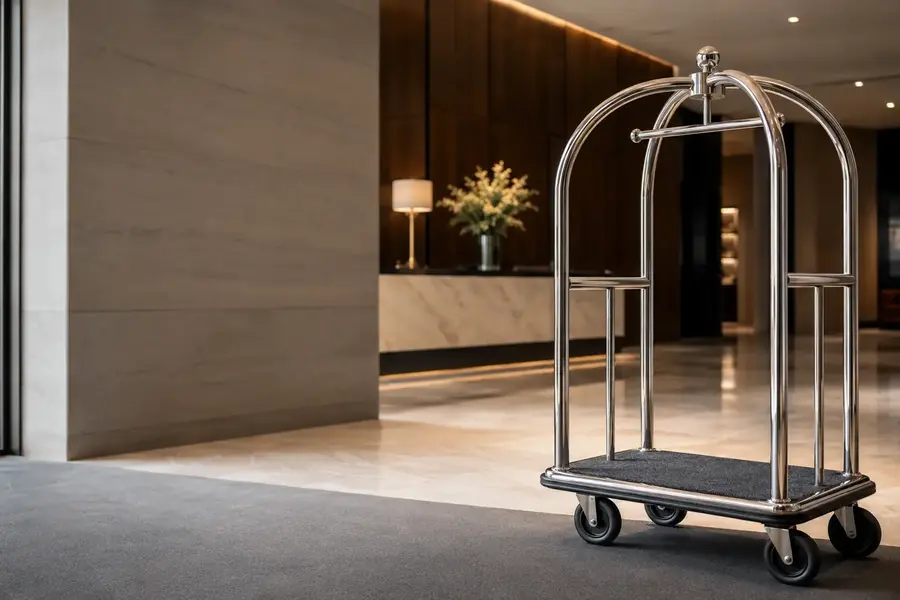
Your Concierge equipment brief starts here
Share the property type, room count, arrival model, required categories, quantities, route and elevator measurements, finish references, destination, and target date. Attach drawings, photos, spreadsheets, or brand standards when they help define the approved result.