
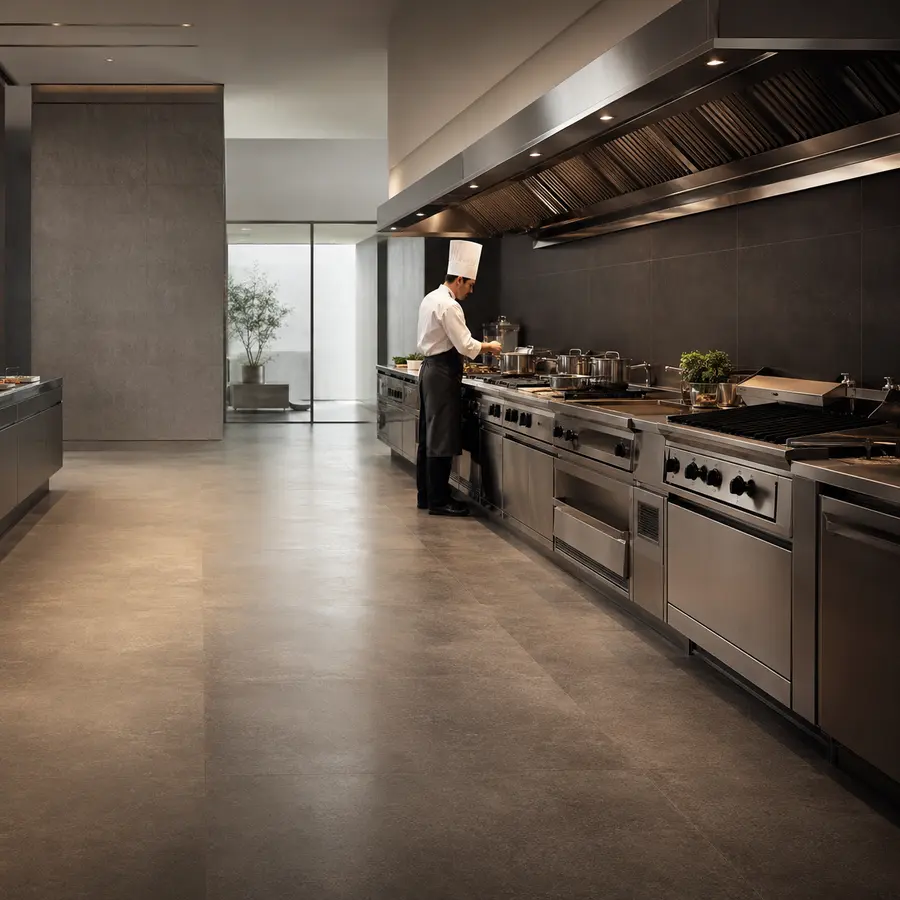
Hotels & Resorts
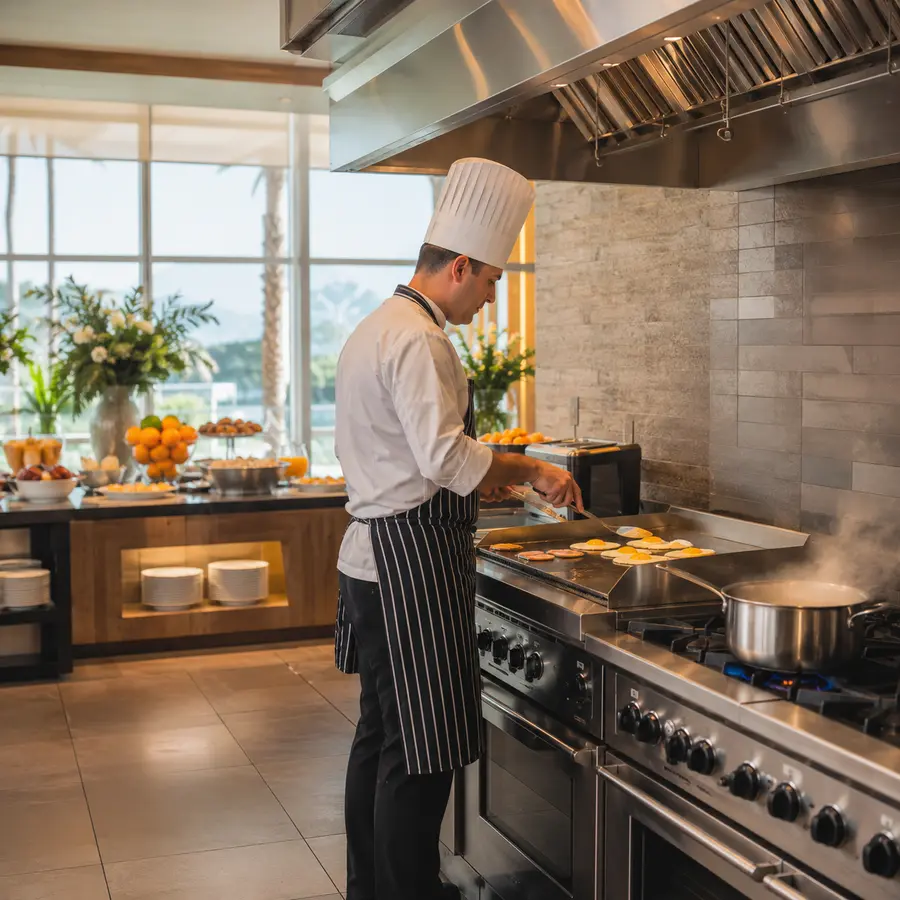
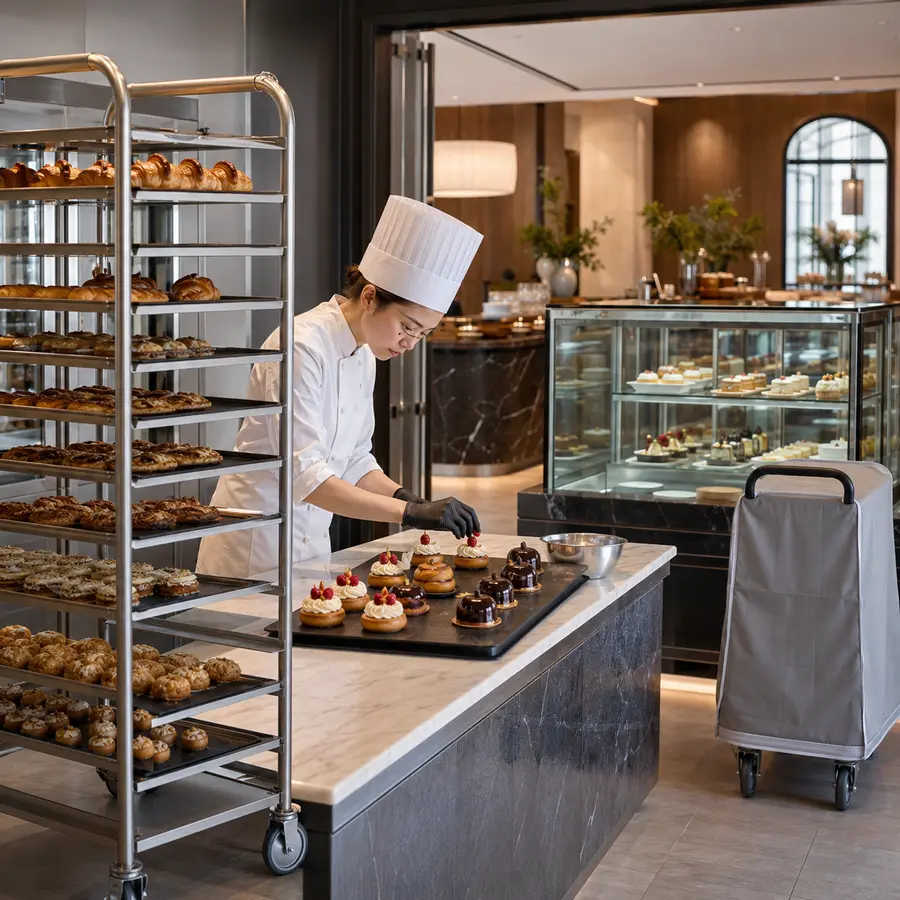
Coordinate breakfast, à la carte, banqueting, room service, and specialty outlets within one property-wide equipment plan.
Commercial kitchen procurement, coordinated
Source ranges, ovens, fryers, steam equipment, holding systems, ventilation, and fire protection through one specification-led procurement path.
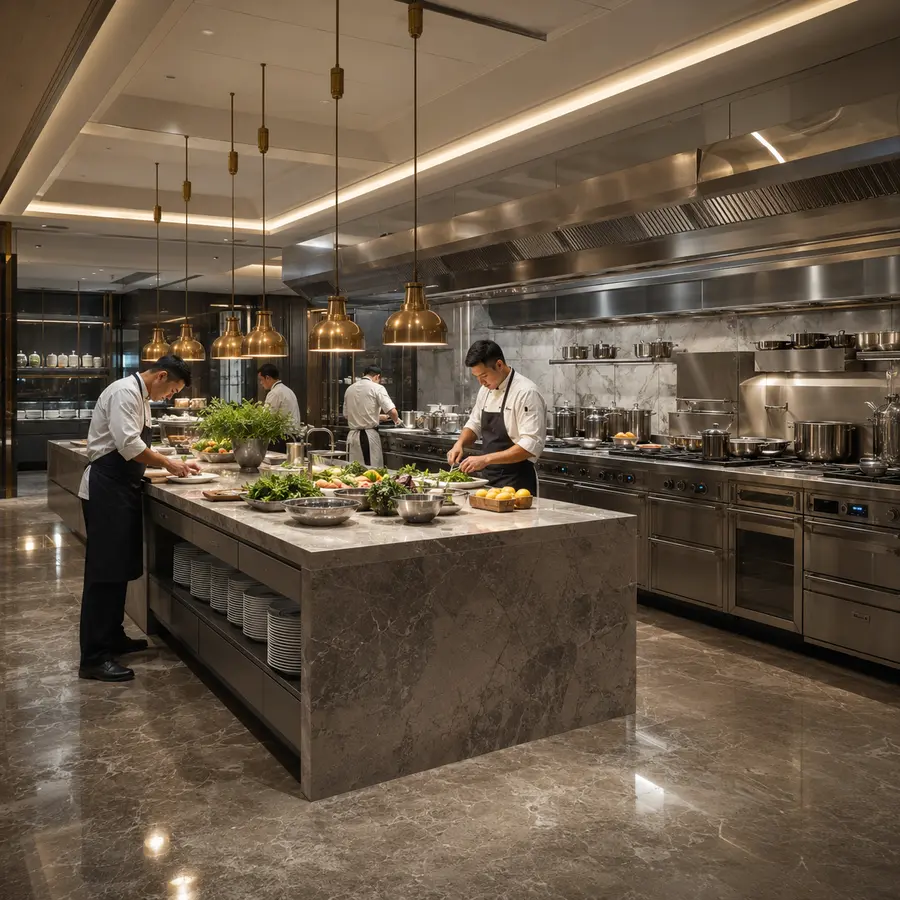
Start with the operating environment
Menu, covers, service rhythm, labor, utilities, and available footprint shape the right equipment mix. Start with the kitchen type, then define the production requirement.
Coordinate breakfast, à la carte, banqueting, room service, and specialty outlets within one property-wide equipment plan.
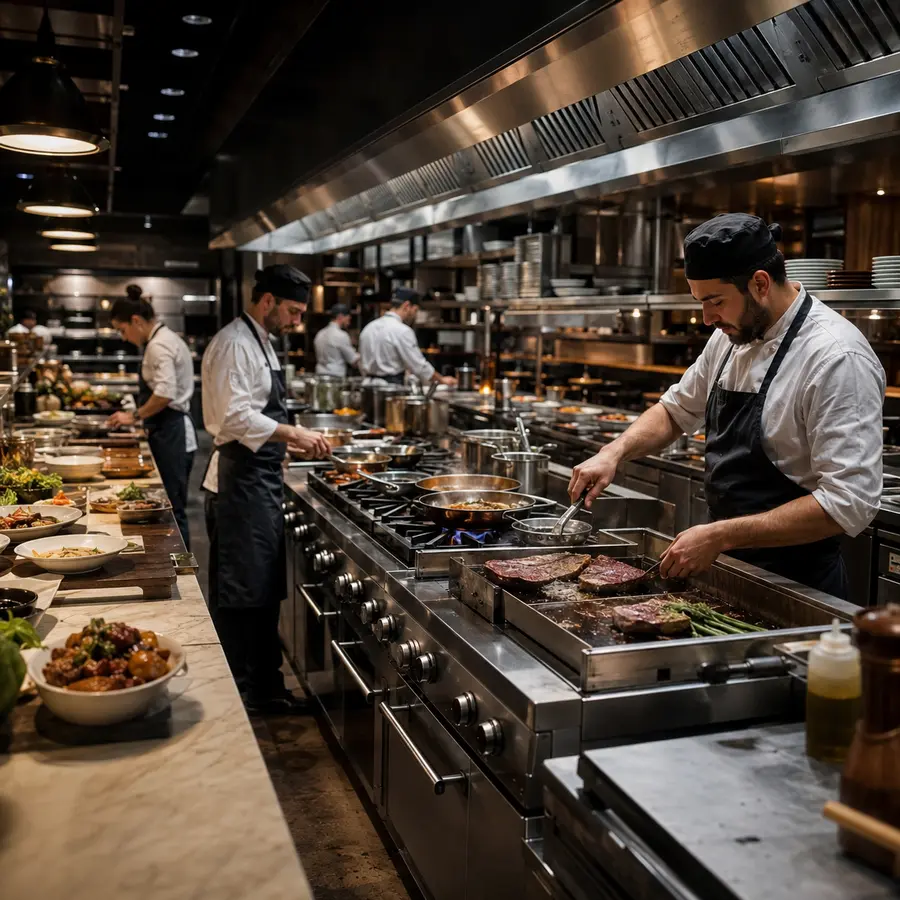
Build a responsive chef line around cuisine, covers, station ownership, recovery time, and the pace of service.
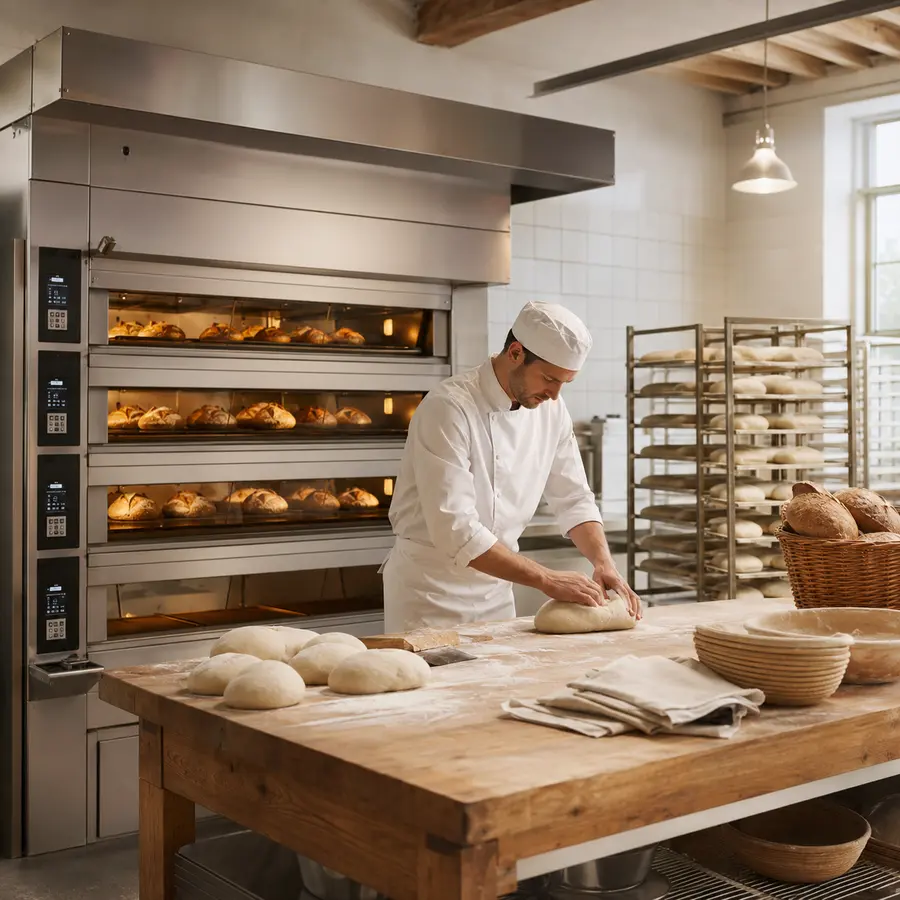
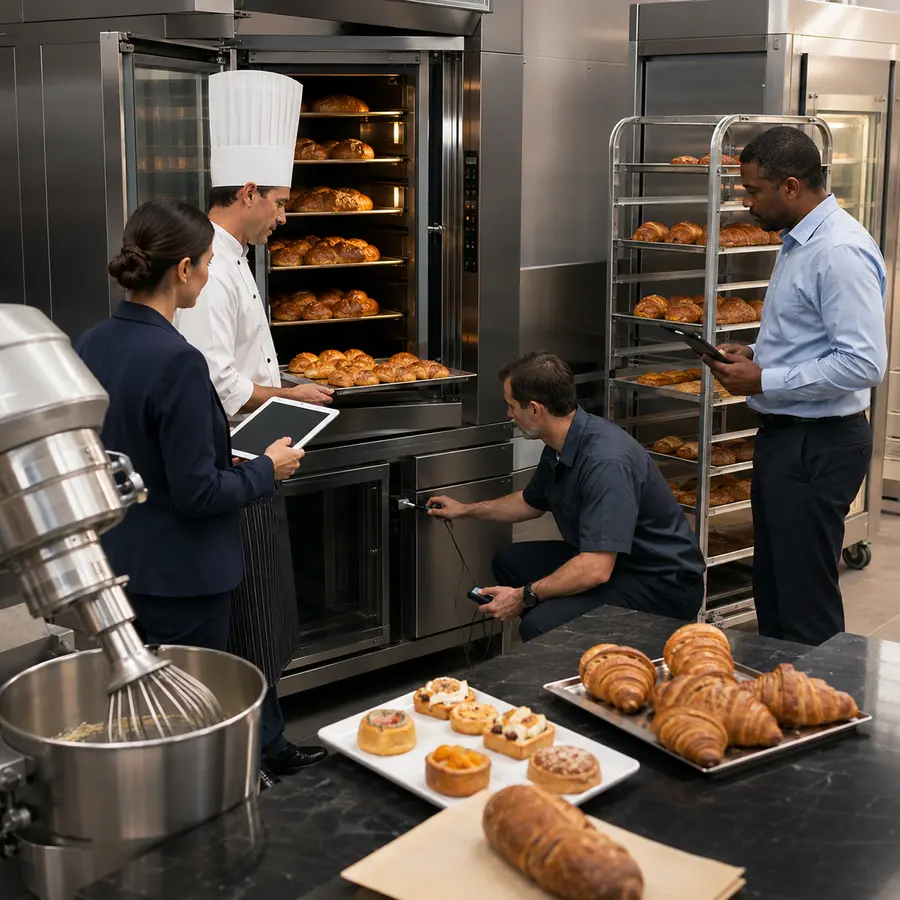
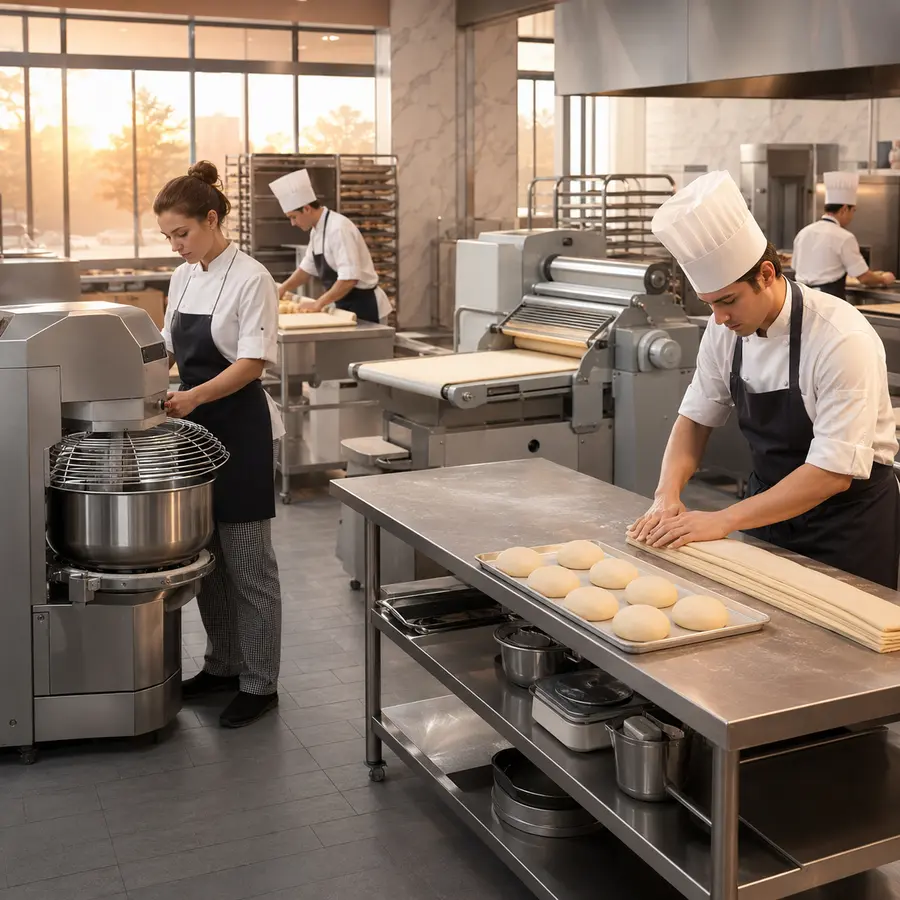
Match deck, convection, proofing, and finishing capacity with product mix, batch cycles, and production staging.
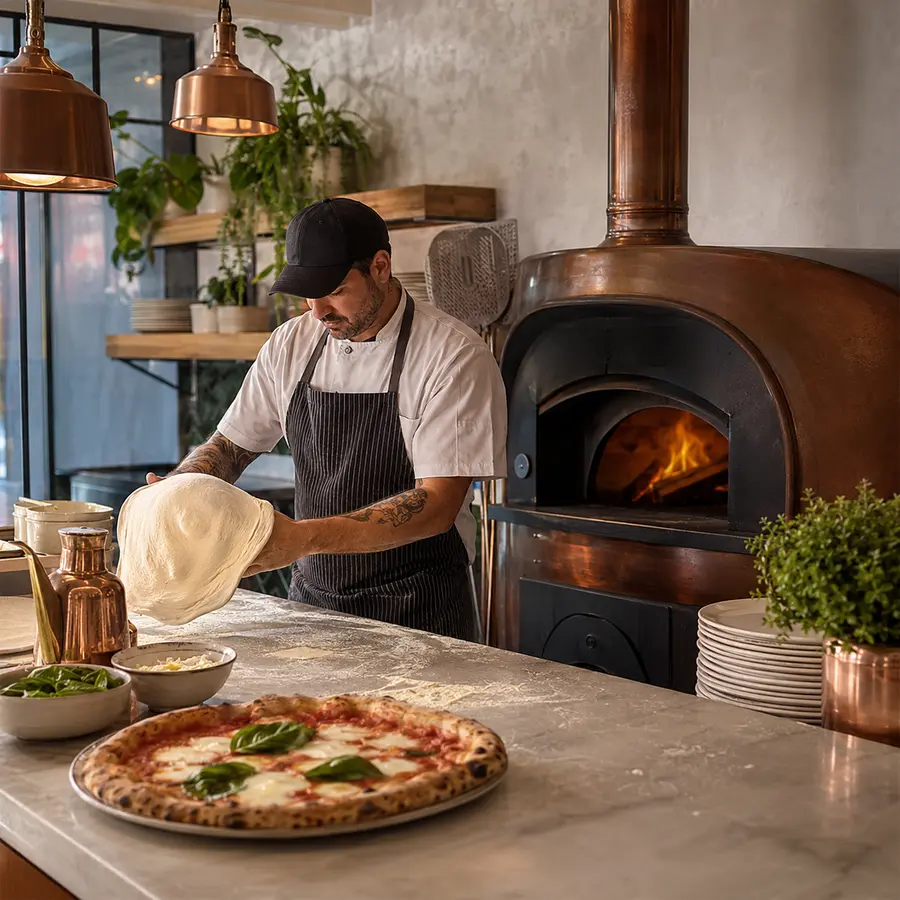
Coordinate oven format, dough workflow, preparation, finishing, ventilation, and counter throughput.
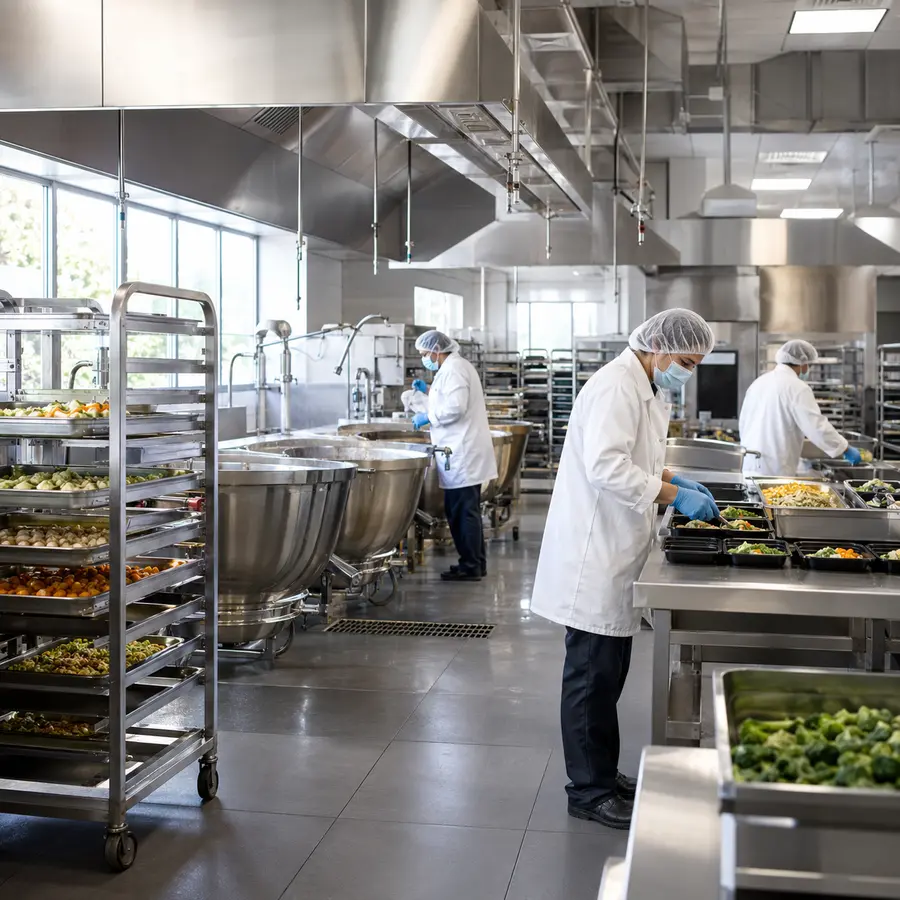
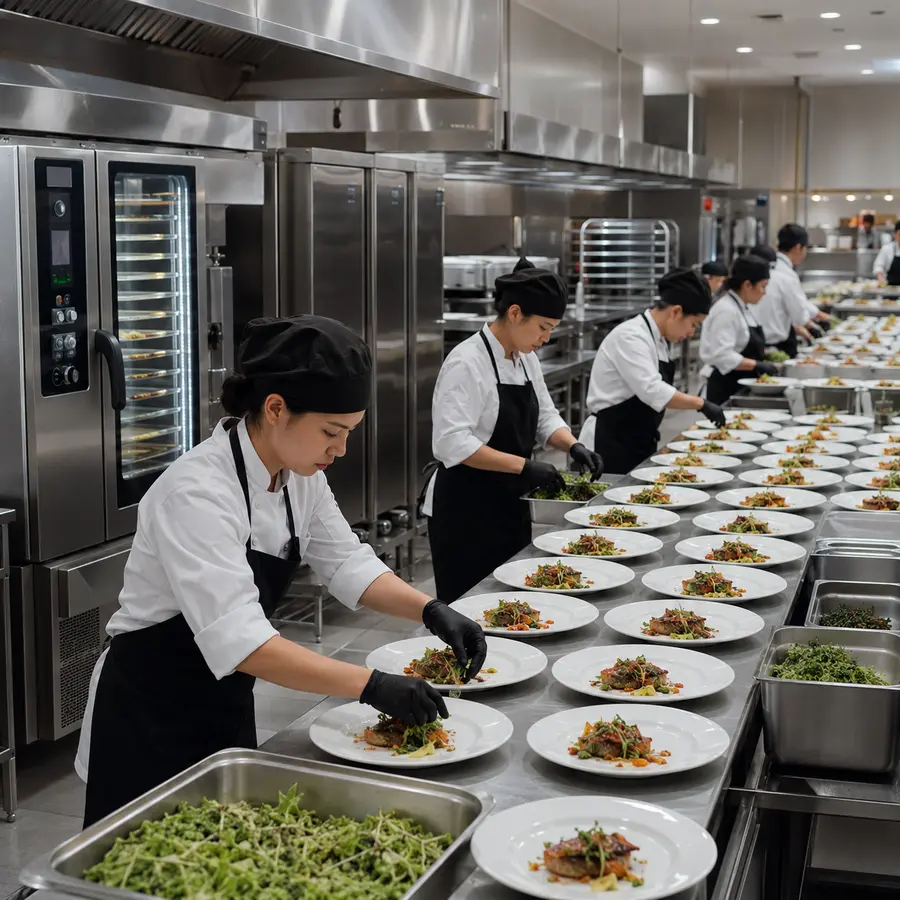
Plan batch cooking, hot holding, staging, and transport-ready output for high-volume production.
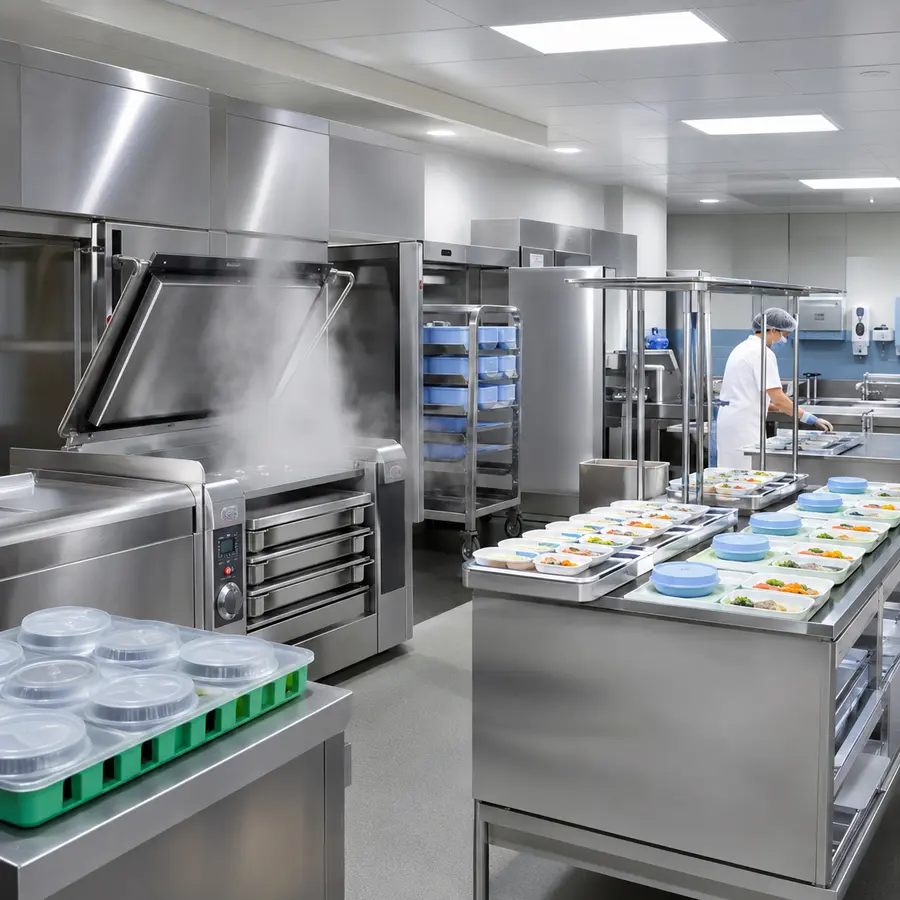
Support scheduled meal programs with controlled production, cleaning access, repeatability, and documentation.
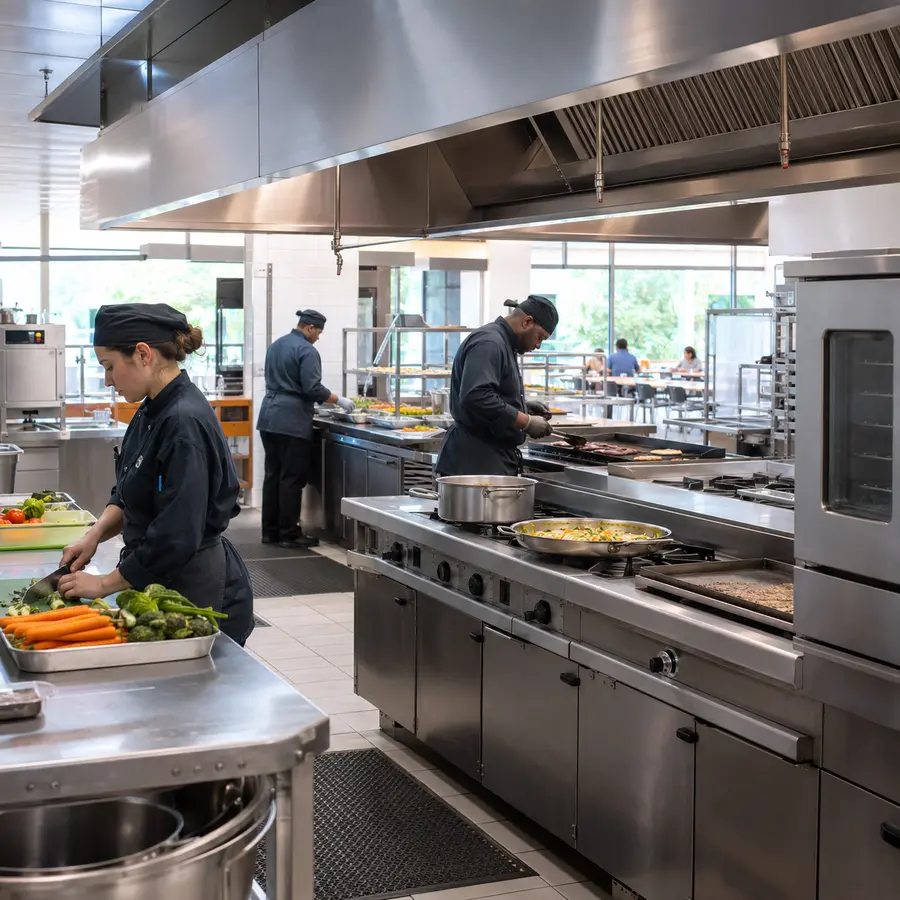
Specify durable high-capacity equipment for concentrated meal periods, repeatable menus, and institutional service.
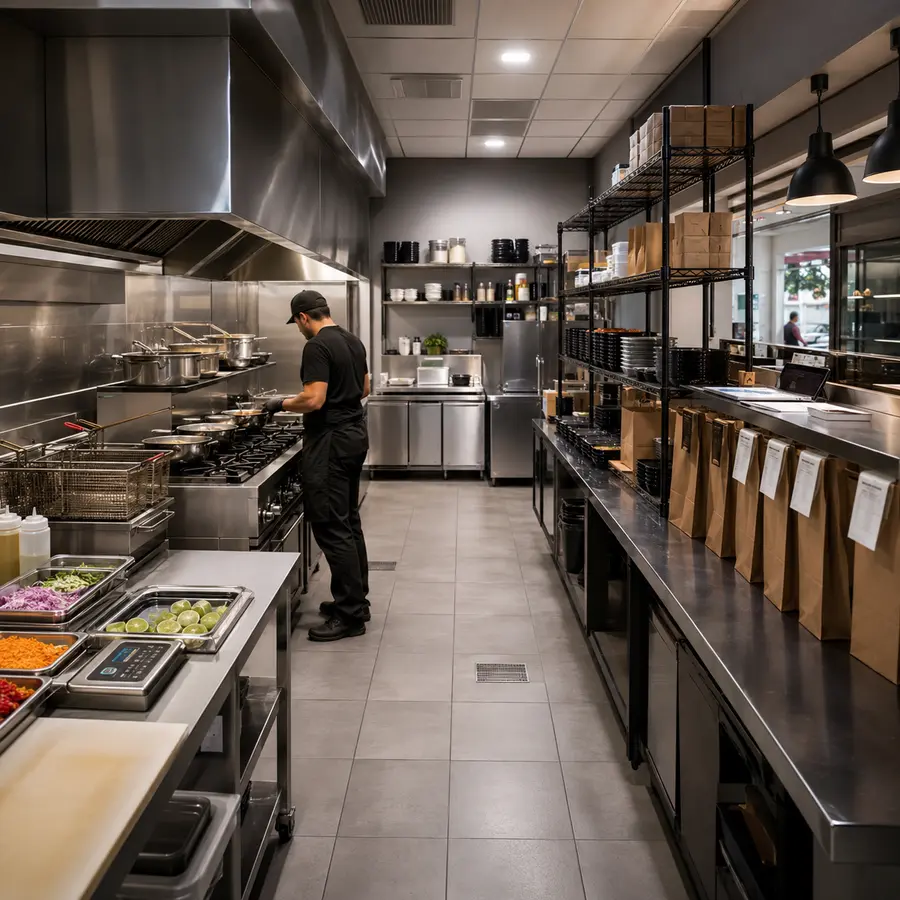
Use compact, modular cooking platforms to support multiple menus, delivery peaks, and limited footprints.
Complete equipment directory
Search the complete directory or filter by equipment family. Each card can connect to its own dedicated category landing page when published.

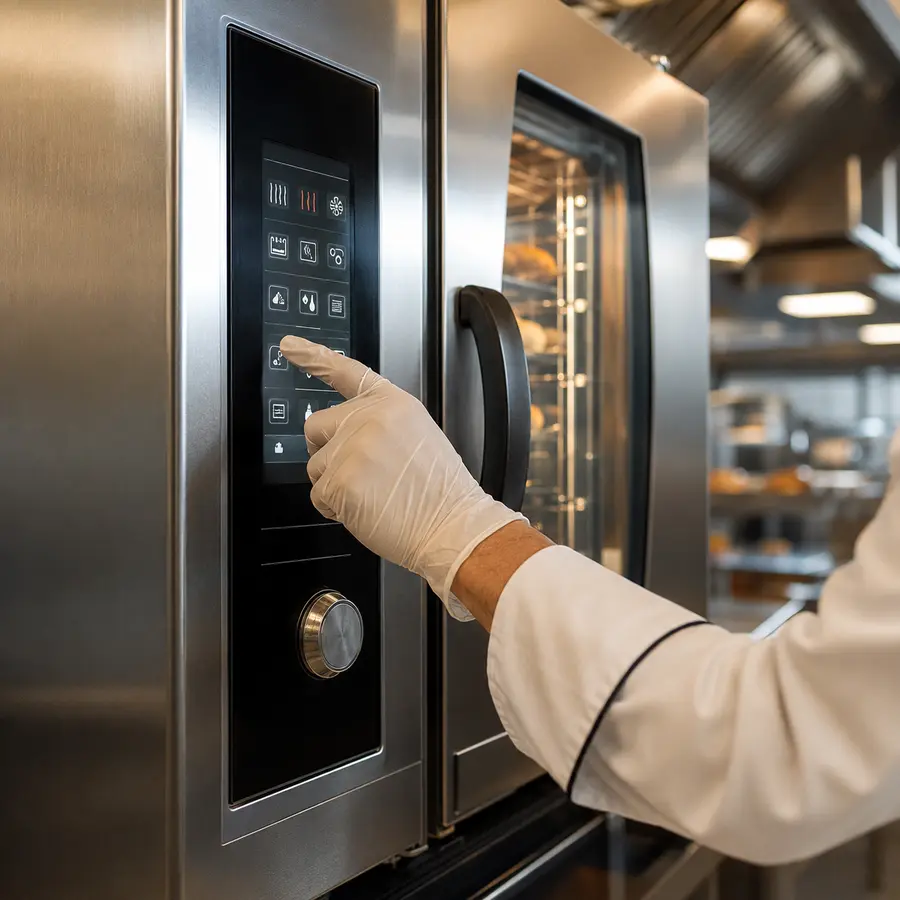
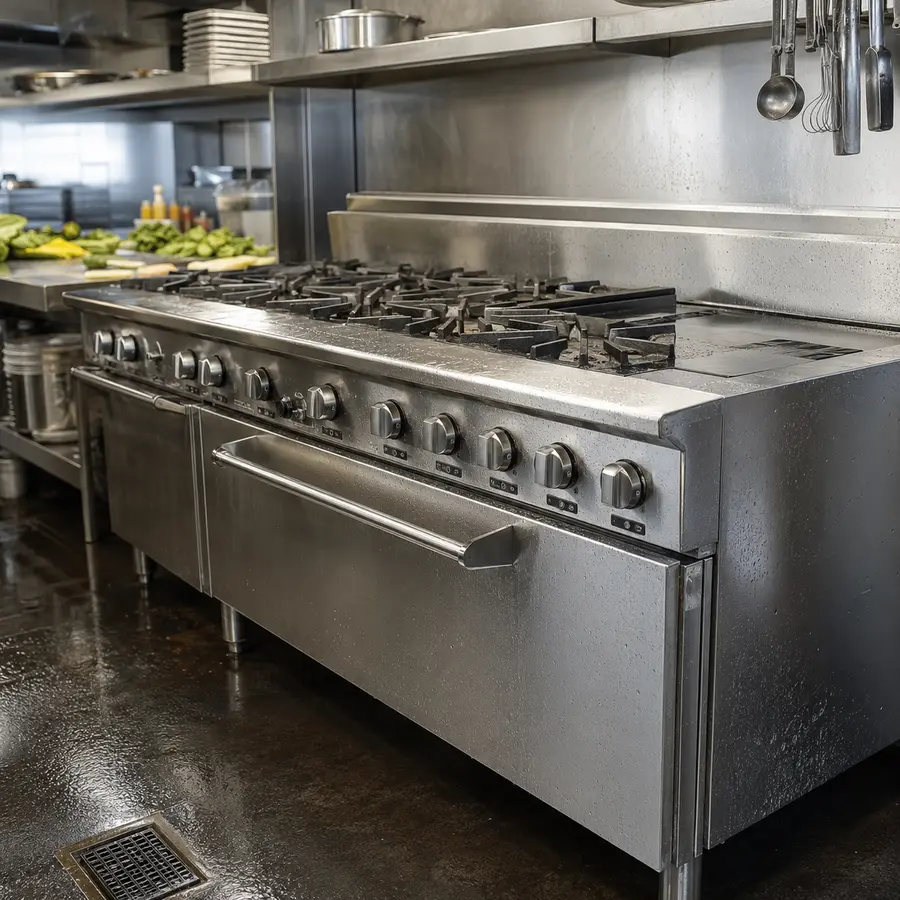
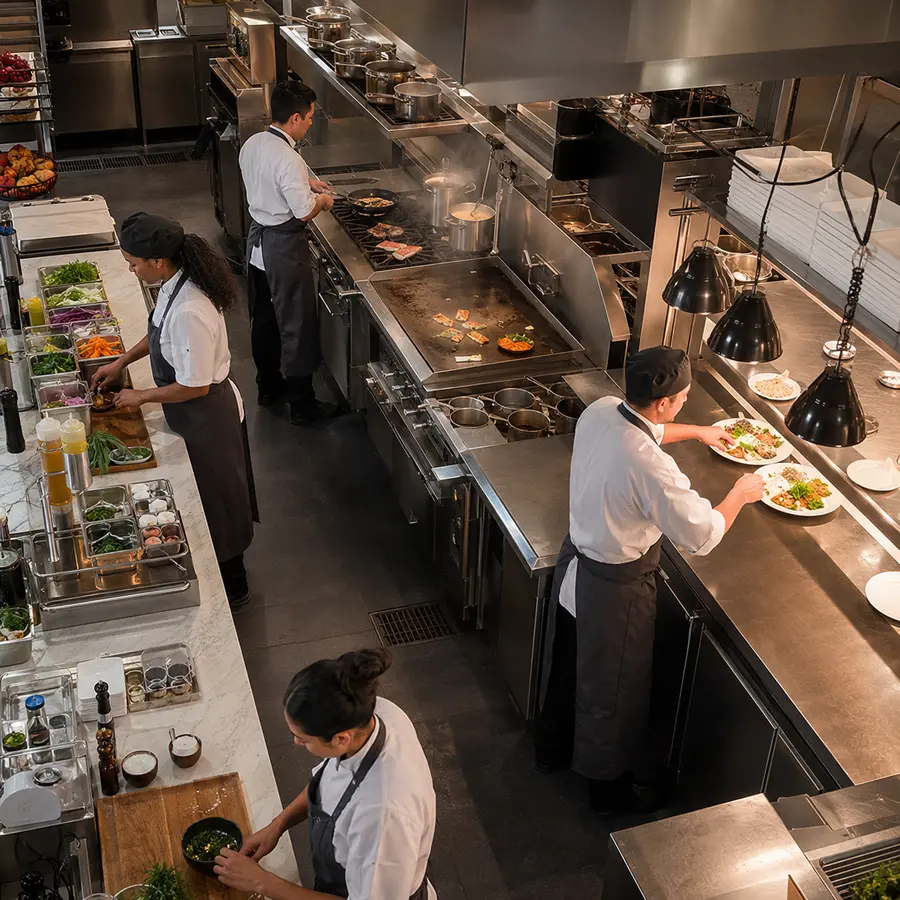

Showing all 25 categories
 01
Ranges
01
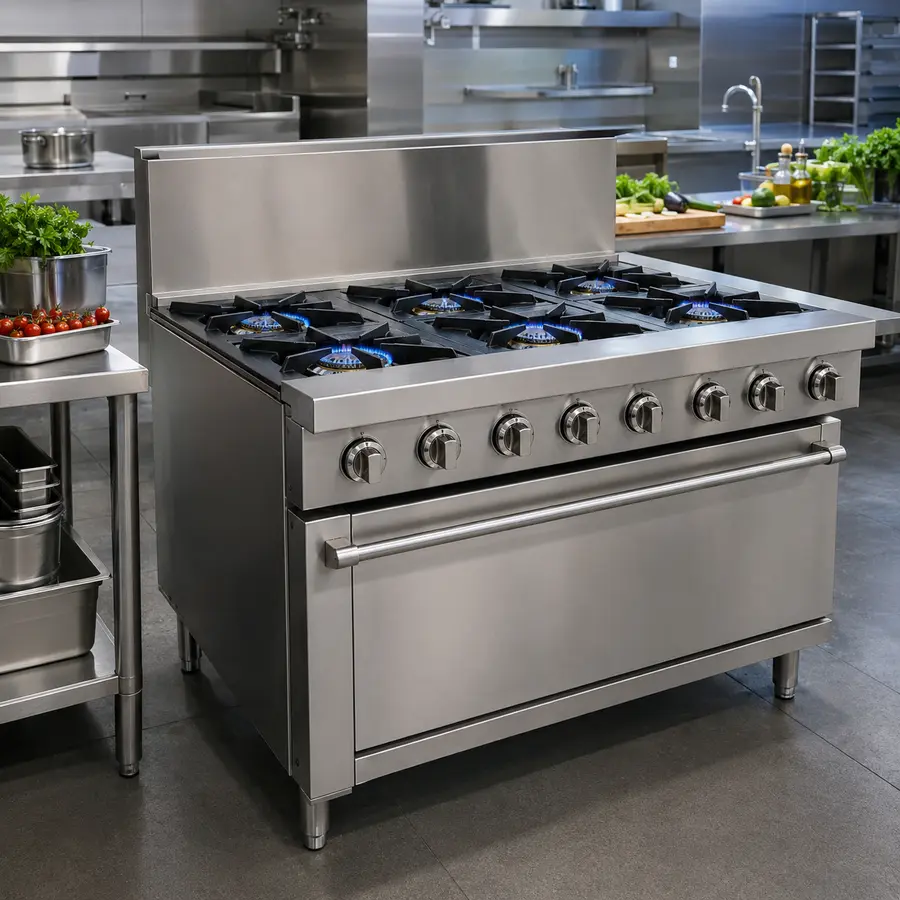
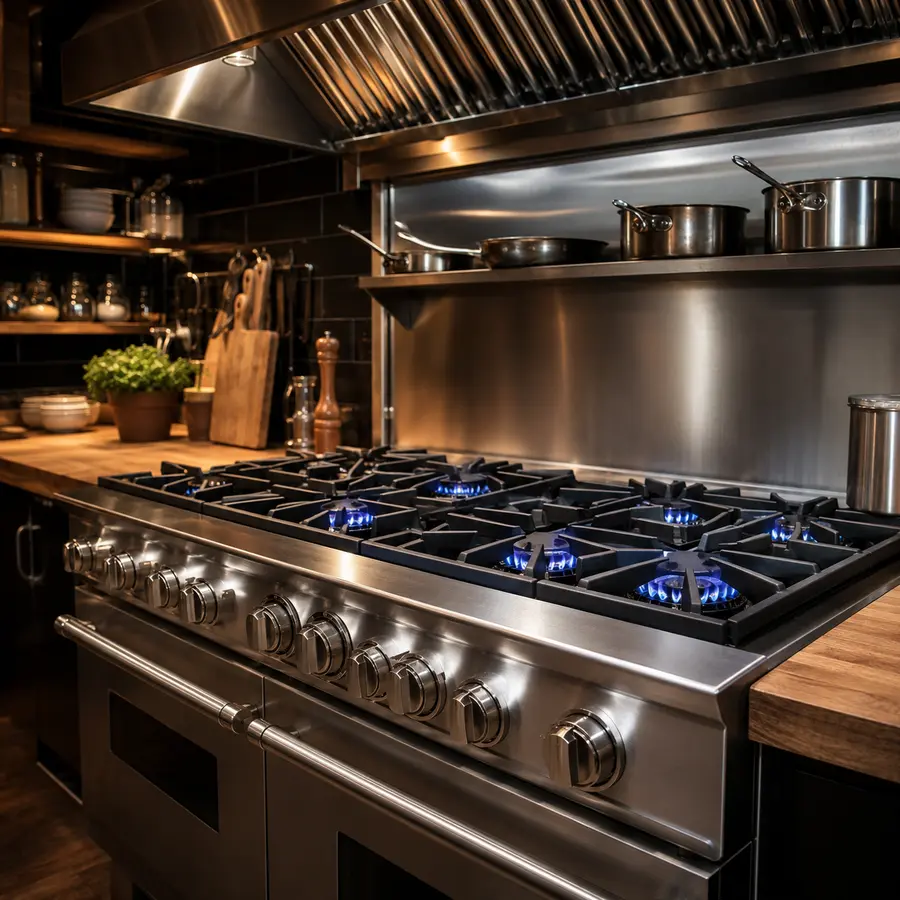
RangesRestaurant Ranges · Heavy-Duty Ranges · Modular Ranges
 02
Ranges
02
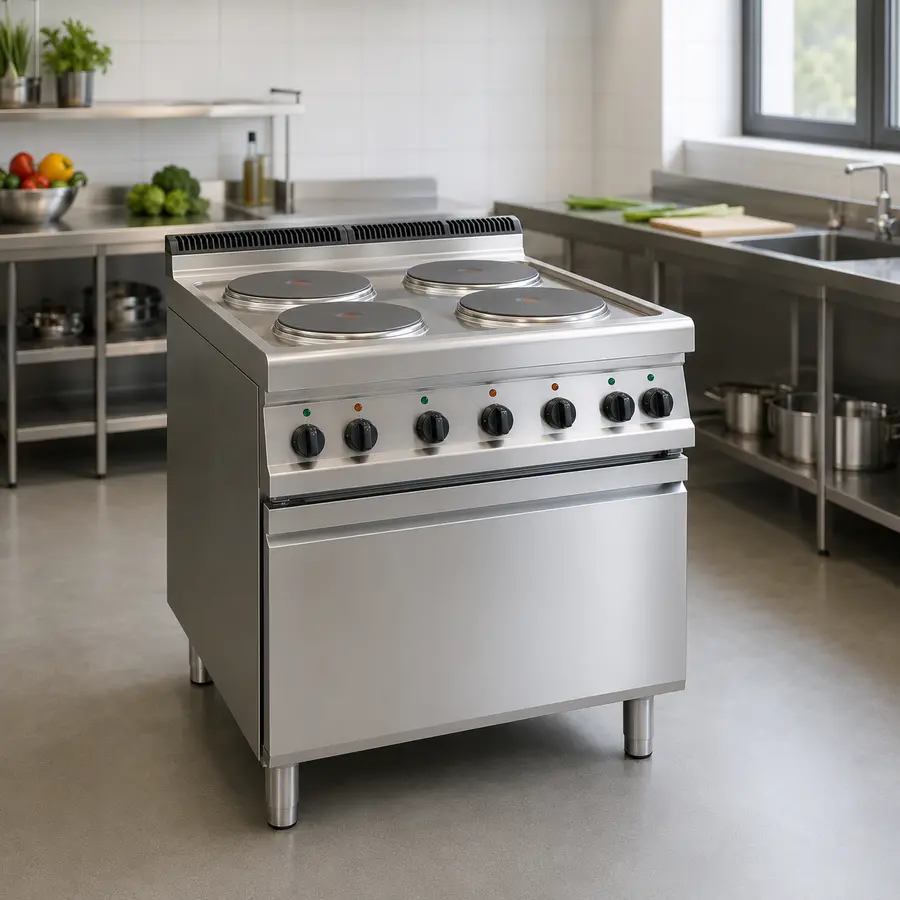
RangesOpen-Burner Ranges · Hot-Top Ranges · Combination Ranges
 03
Ranges
03
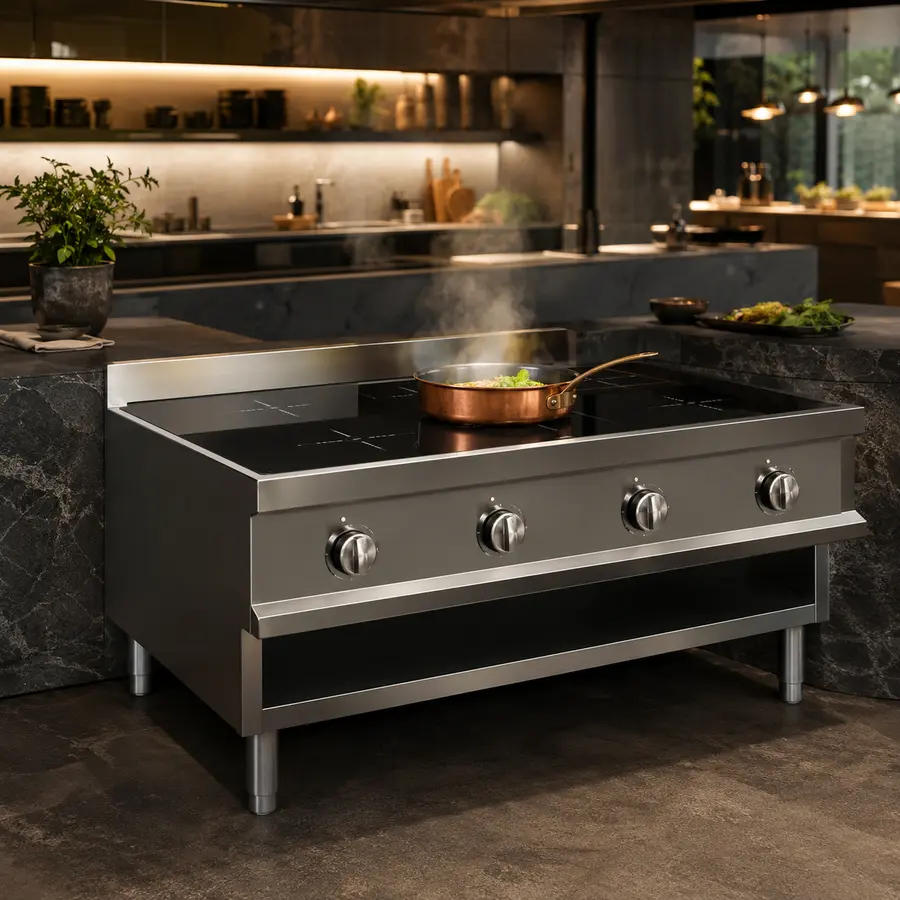
RangesSolid-Top Ranges · Hotplate Ranges · Electric Oven Bases
 04
Ranges
04
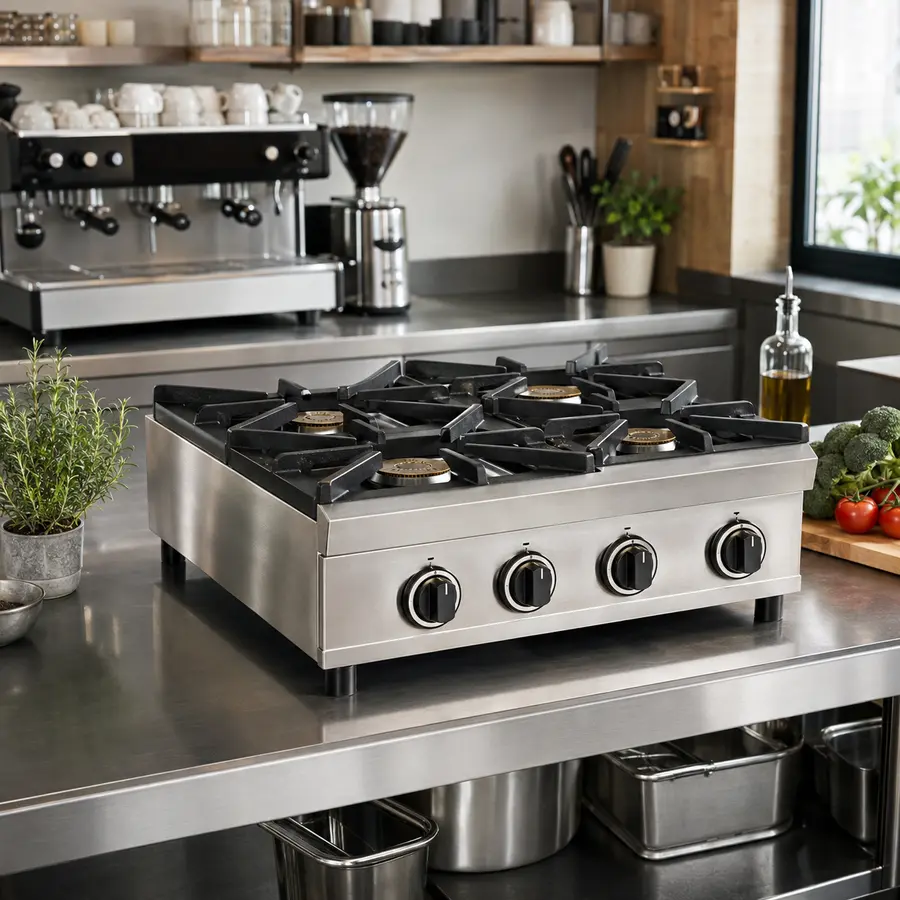
RangesFreestanding Induction · Drop-In Induction · Multi-Zone Induction
 05
Ranges
05
RangesCountertop Cooktops · Drop-In Cooktops · Modular Cooktops
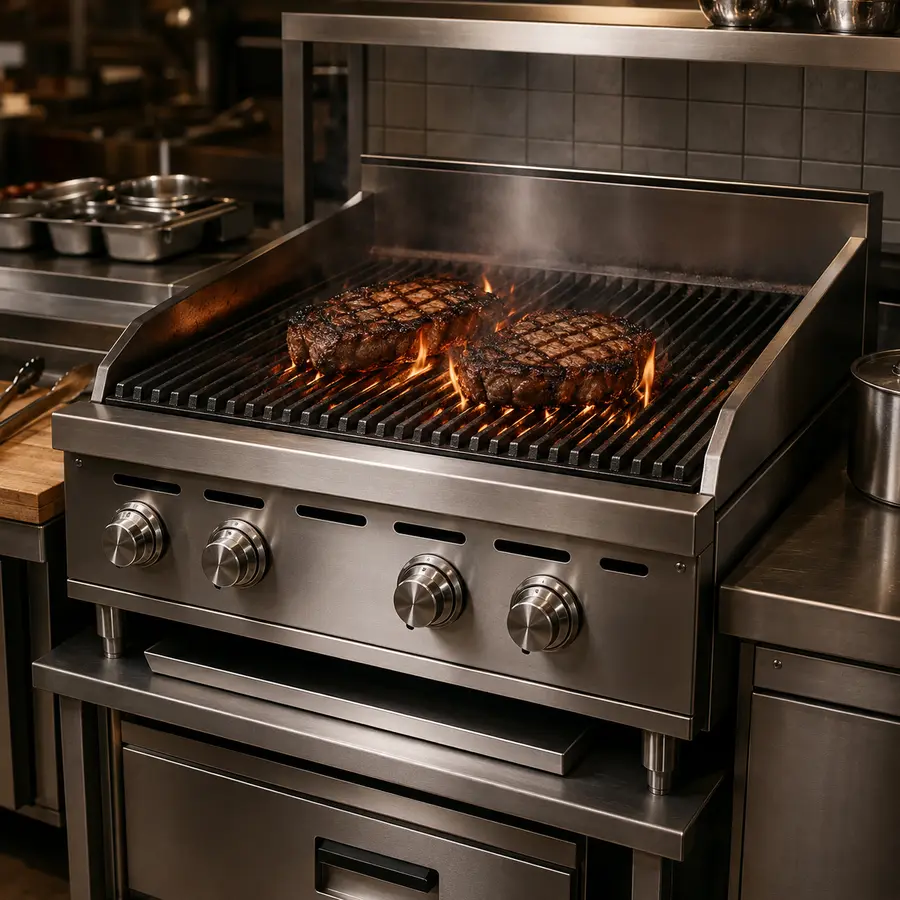 06
Direct Heat
06
Direct HeatRadiant Charbroilers · Lava-Rock Charbroilers · Underfired Broilers
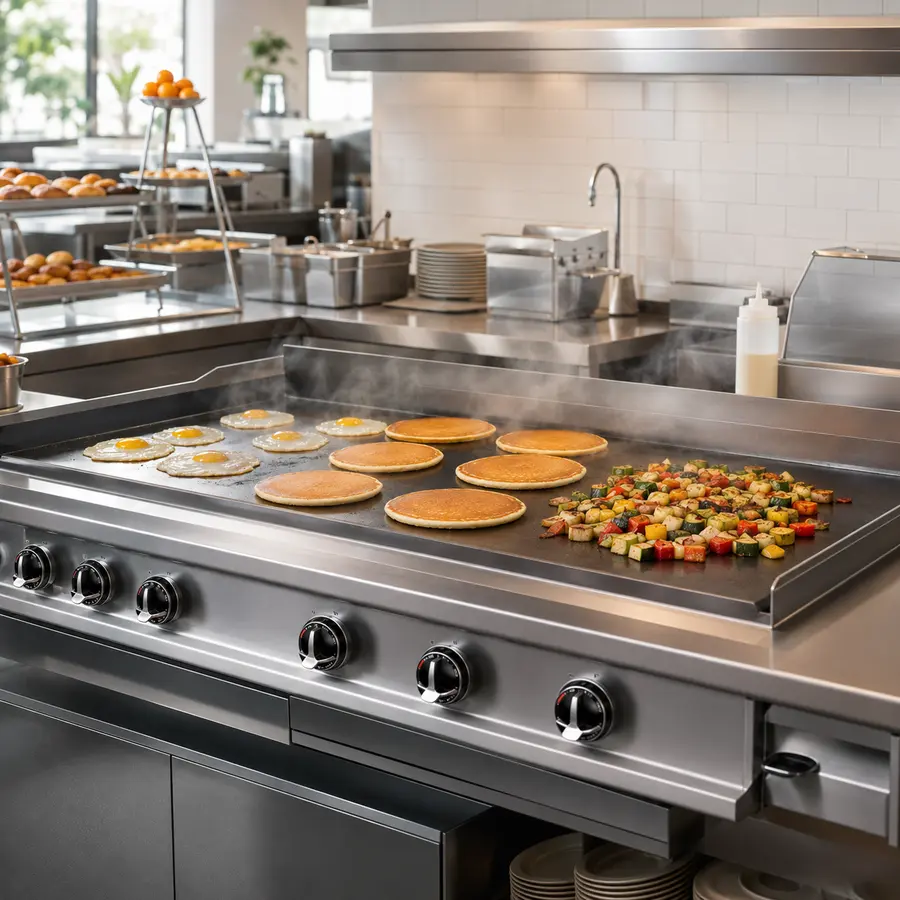 07
Direct Heat
07
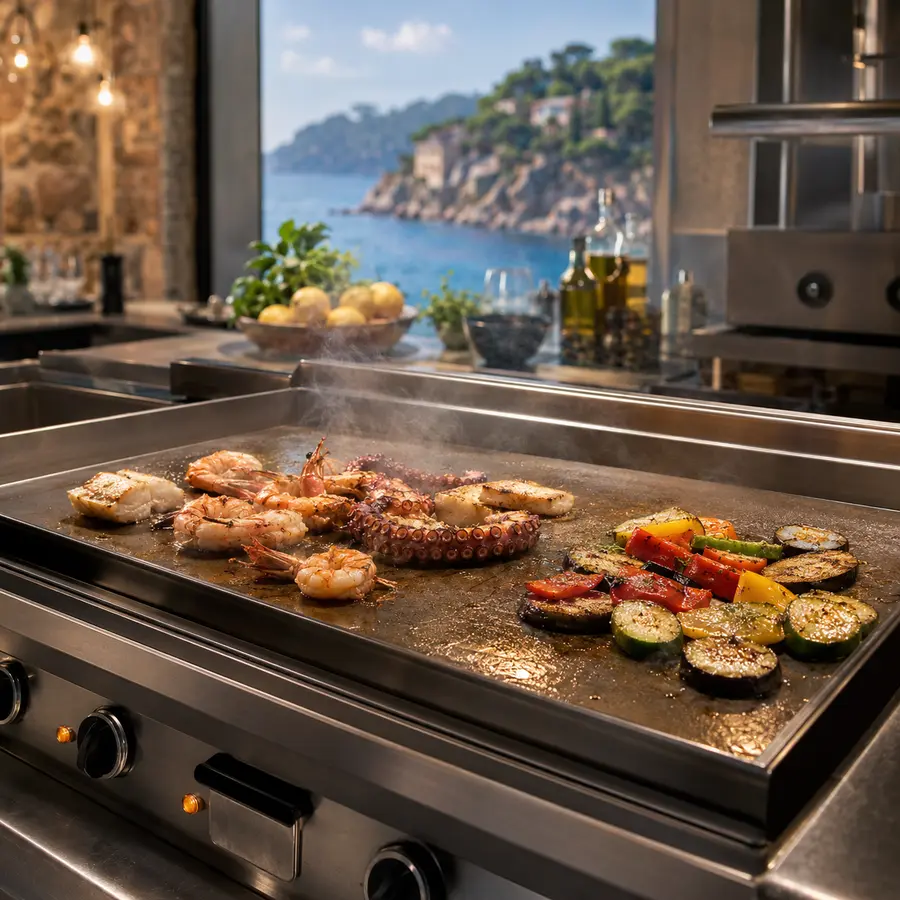
Direct HeatManual Griddles · Thermostatic Griddles · Chrome-Plate Griddles
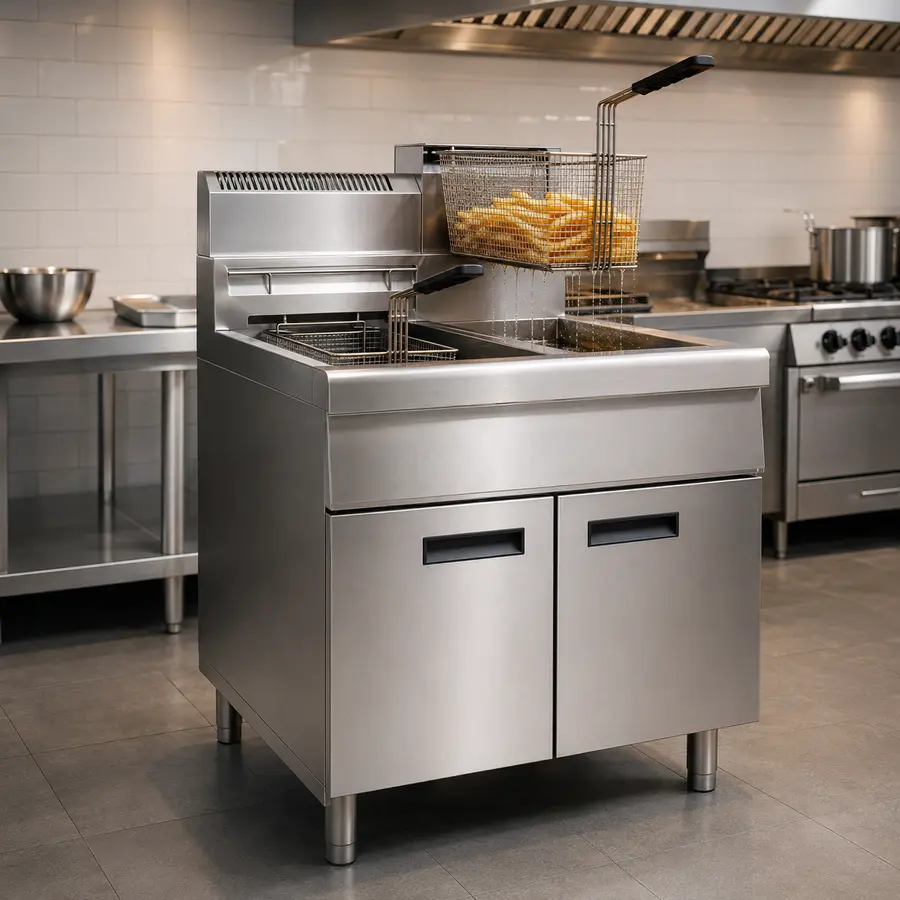 08
Direct Heat
08
Direct HeatOpen-Pot Fryers · Tube-Type Fryers · Pressure Fryers
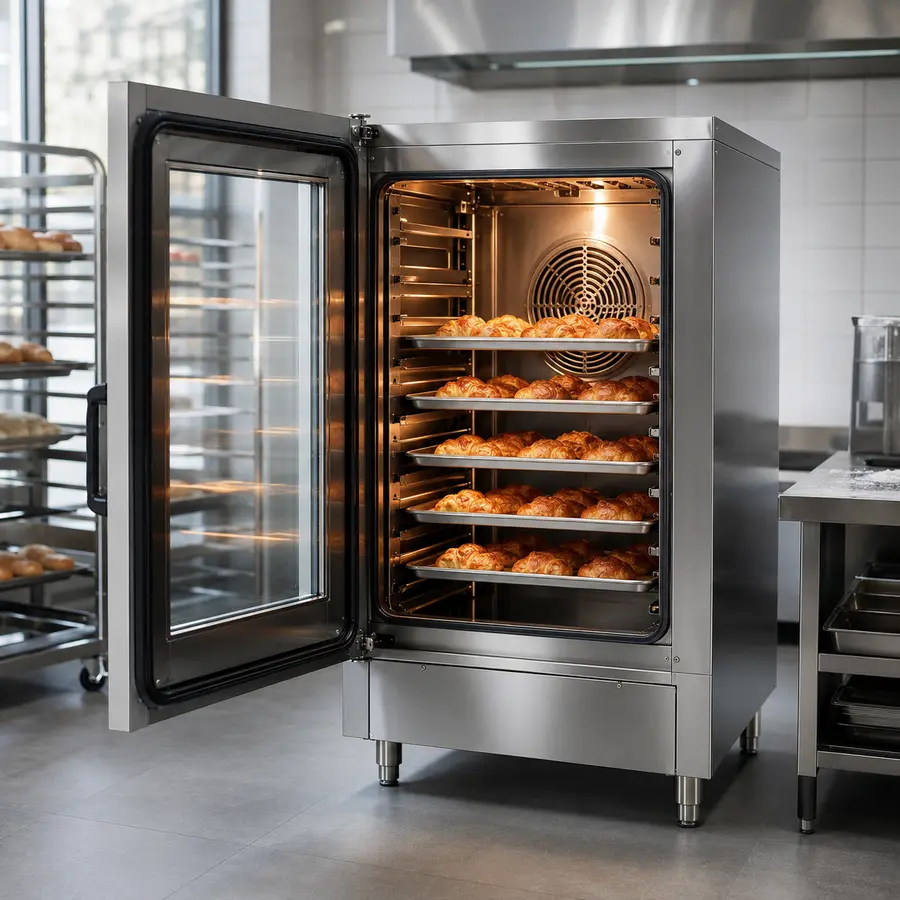 09
Ovens
09
OvensHalf-Size Ovens · Full-Size Ovens · Double-Stack Ovens
 10
Ovens
10
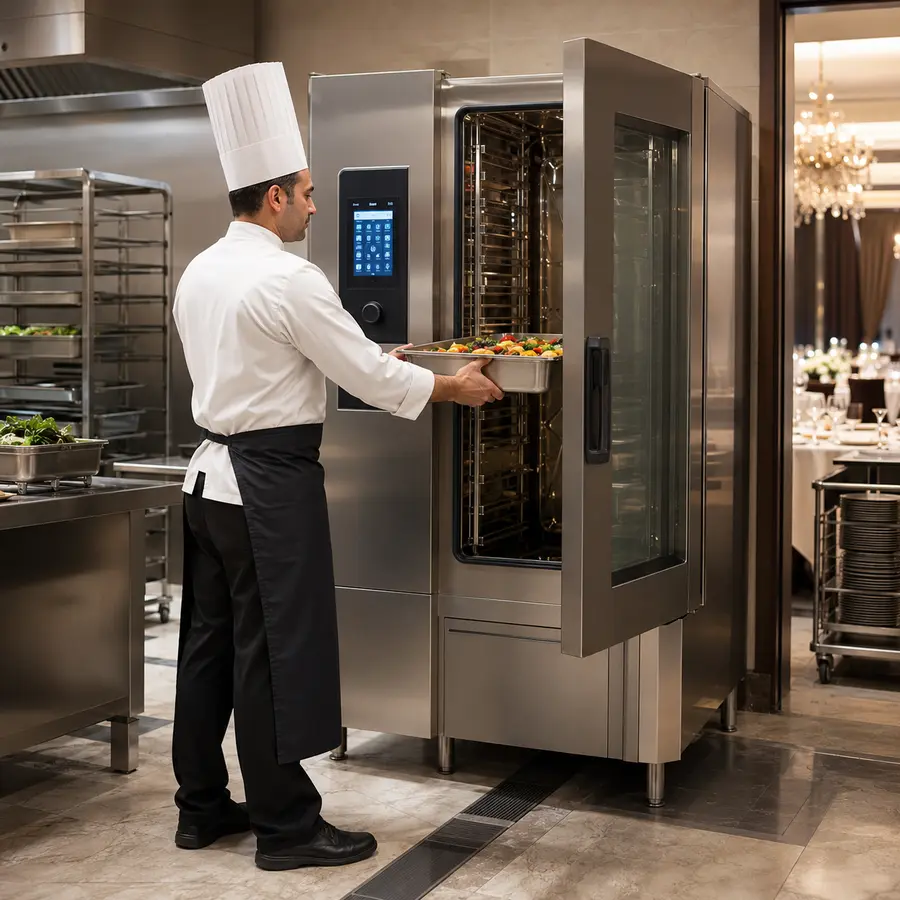
OvensBoiler Combi Ovens · Boilerless Combi Ovens · Roll-In Combi Ovens
 11
Ovens
11
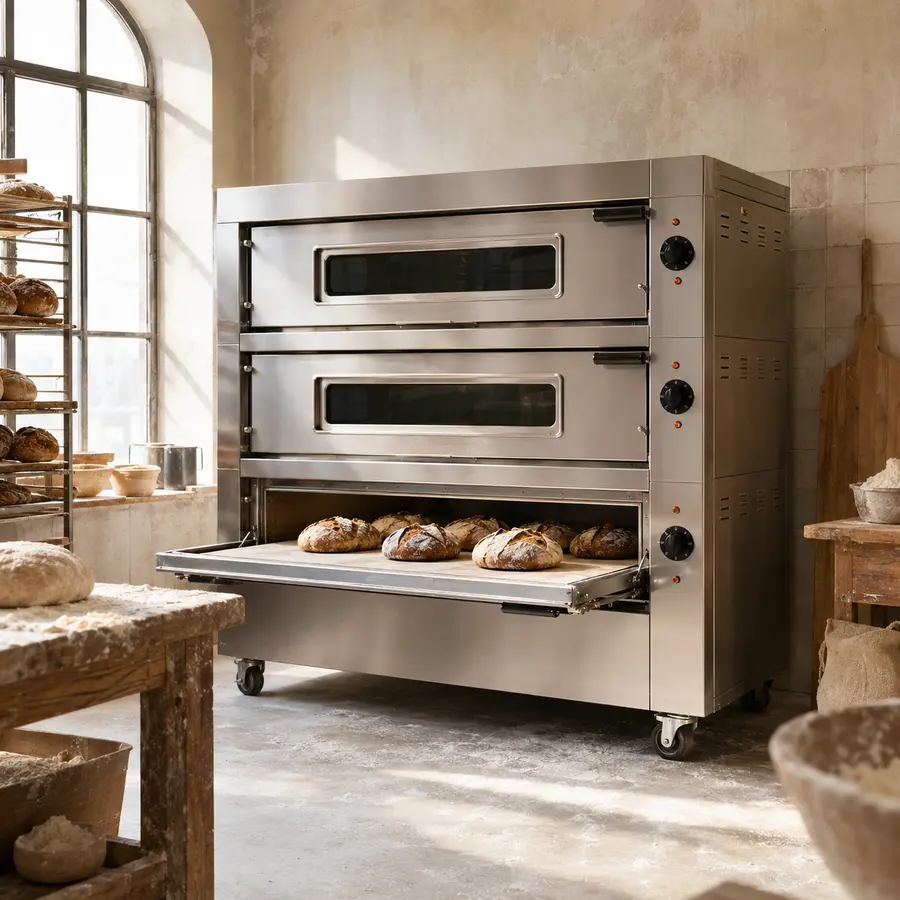
OvensStone-Deck Ovens · Steam-Injected Deck Ovens · Multi-Deck Ovens
 12
Ovens
12
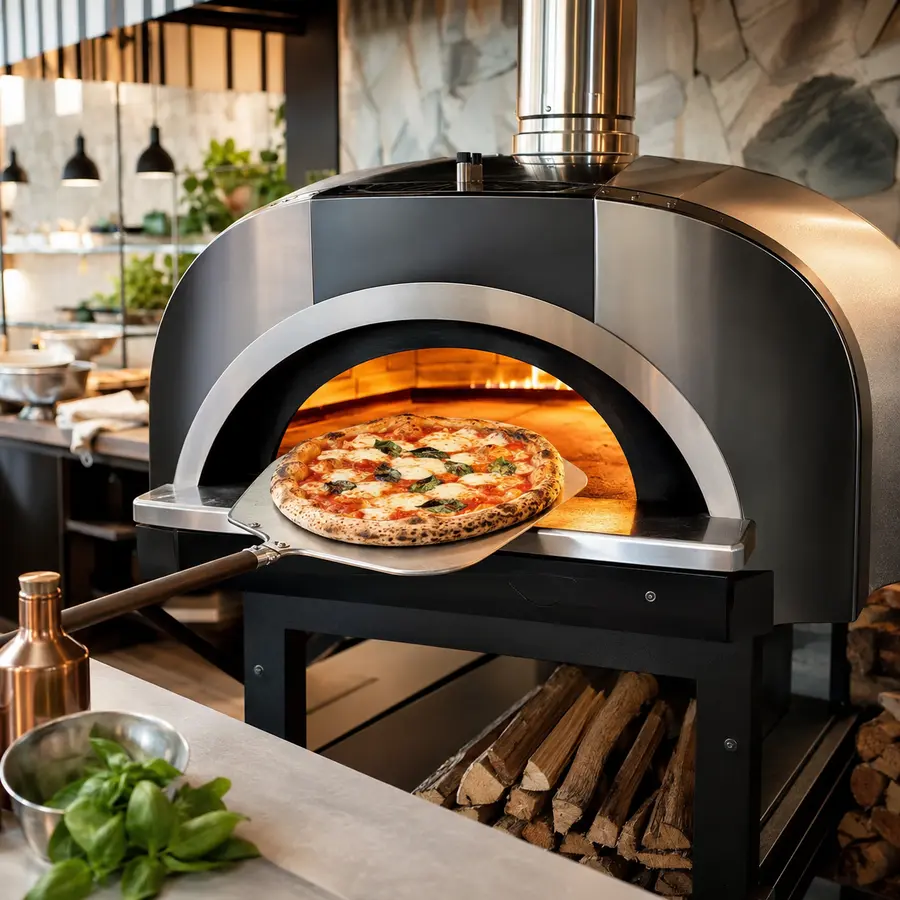
OvensDeck Pizza Ovens · Conveyor Pizza Ovens · Wood-Fired Pizza Ovens
 13
Ovens
13
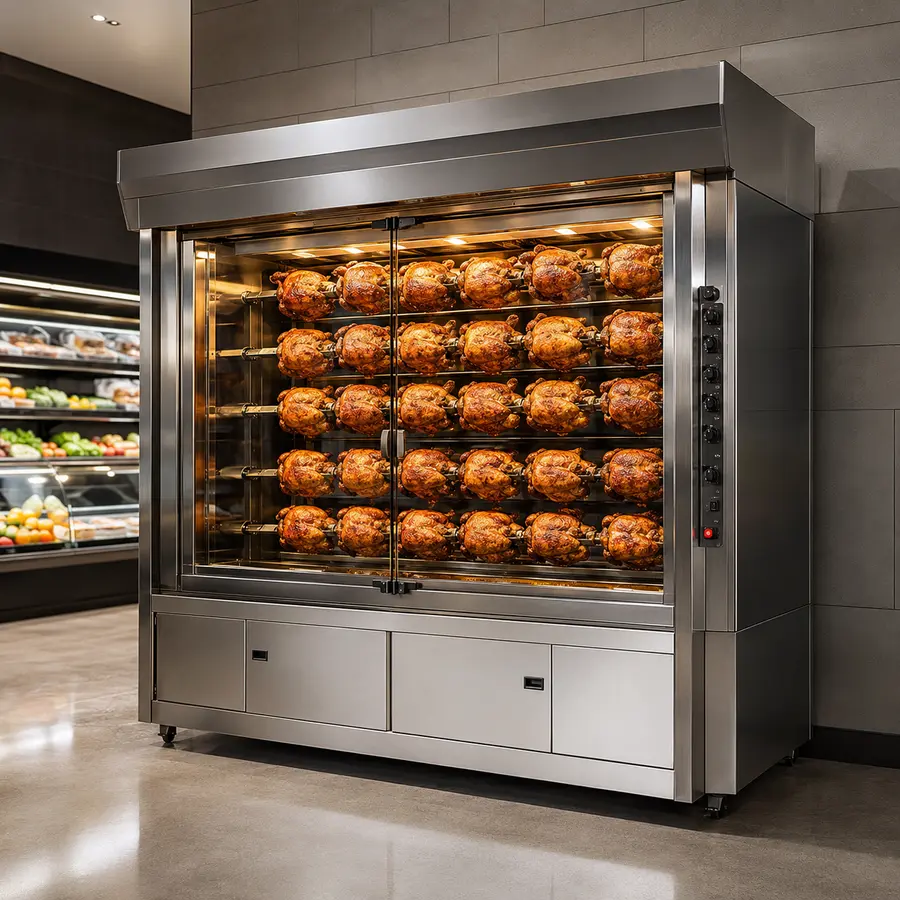
OvensBatch Rotisseries · Pass-Through Rotisseries · Display Rotisseries
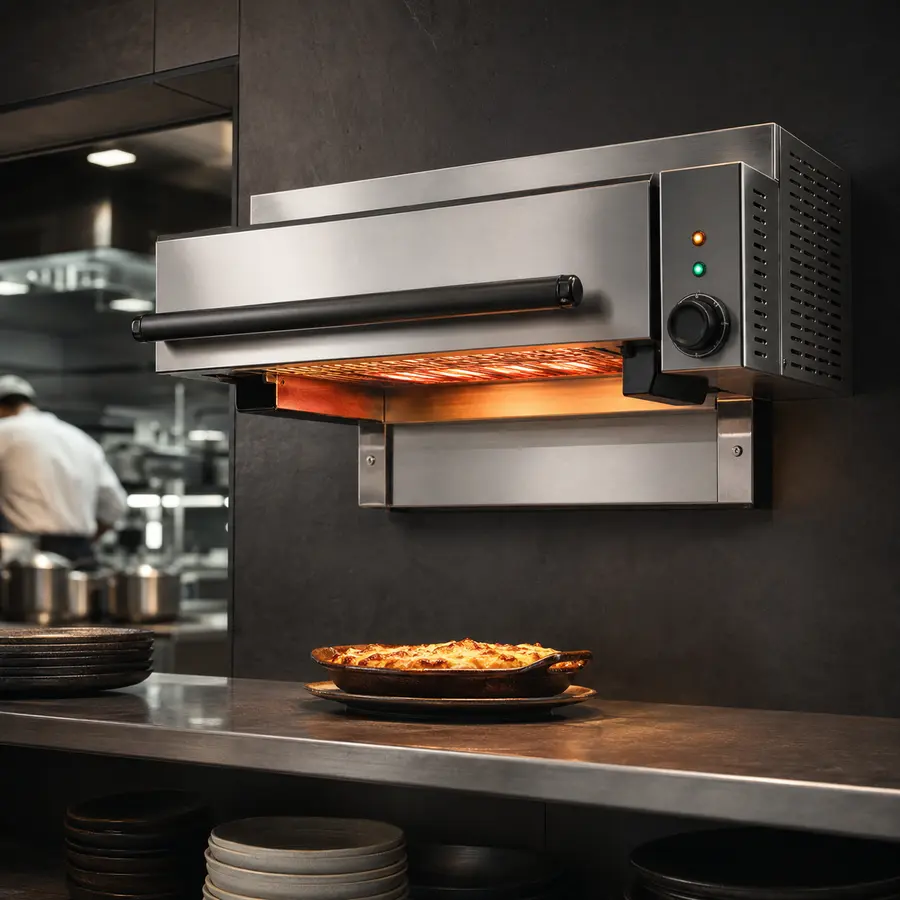 14
Ovens
14
OvensWall-Mount Salamanders · Range-Mount Salamanders · Cheese Melters
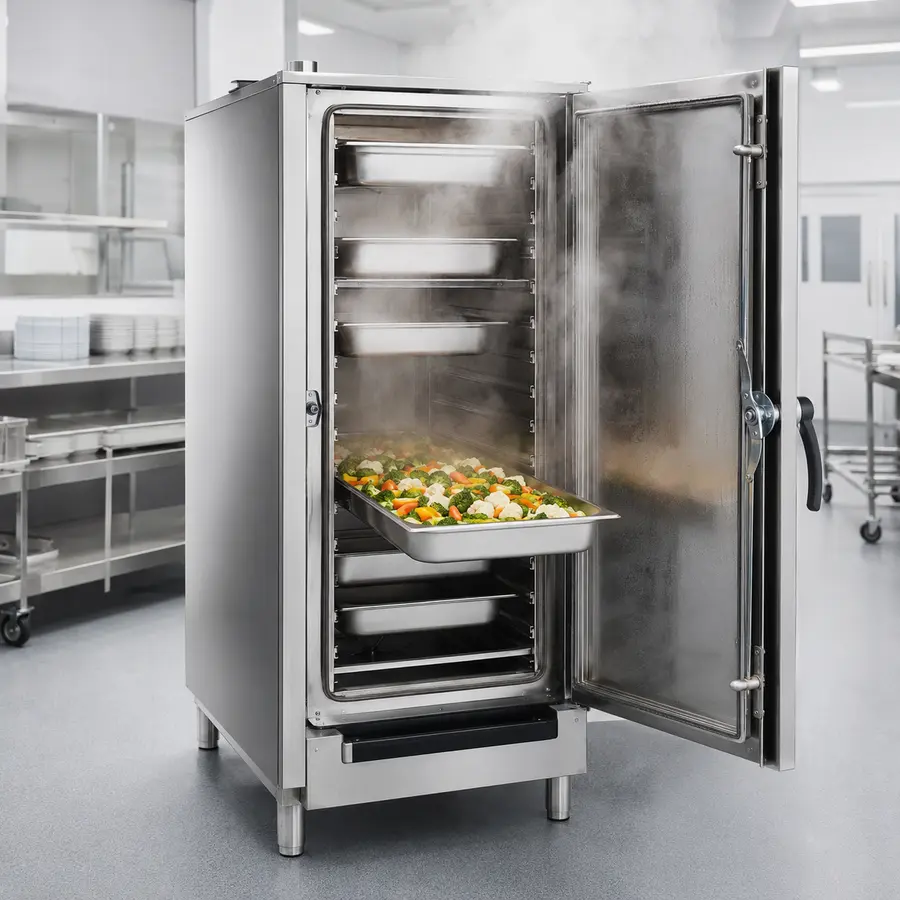 15
Batch Cooking
15
Batch CookingConvection Steamers · Pressure Steamers · Boilerless Steamers
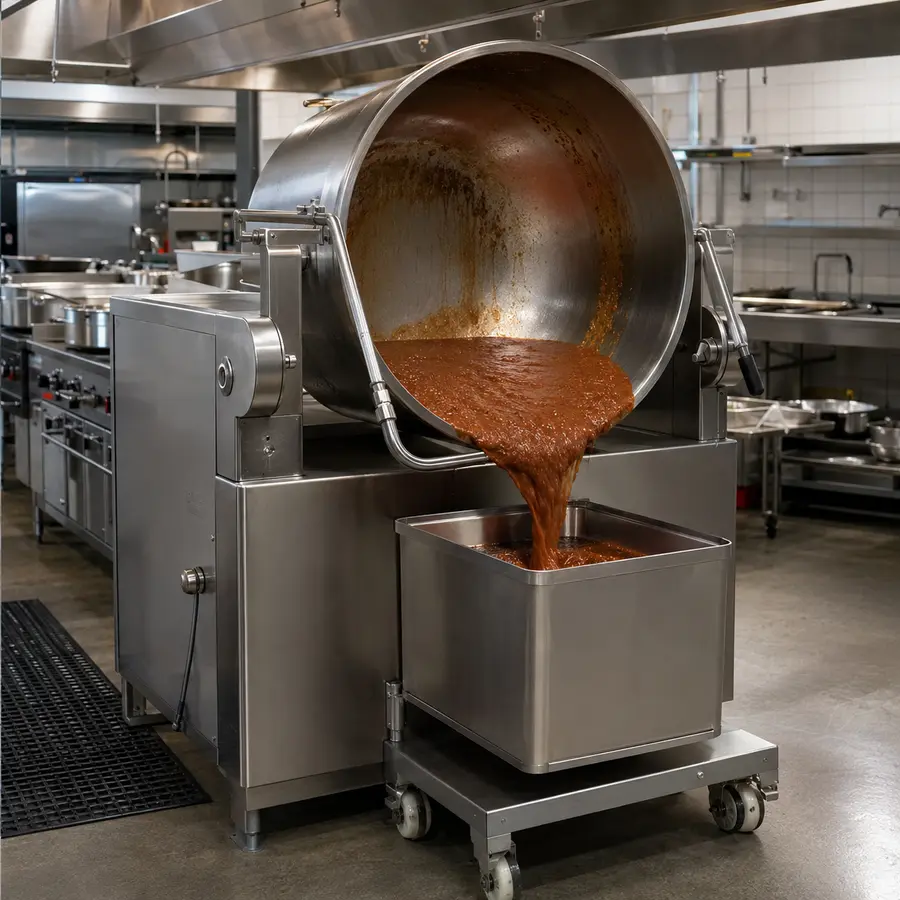 16
Batch Cooking
16
Batch CookingGas Tilting Skillets · Electric Tilting Skillets · Manual-Tilt Braising Pans
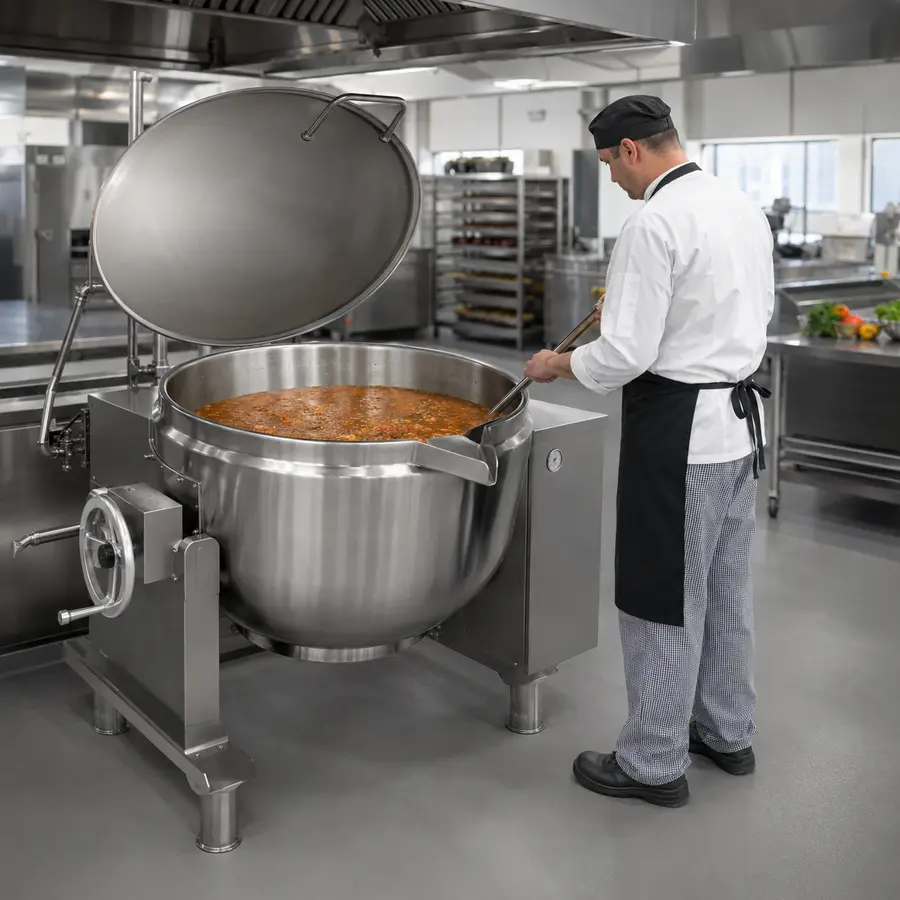 17
Batch Cooking
17
Batch CookingDirect-Steam Kettles · Self-Contained Kettles · Floor-Mounted Kettles
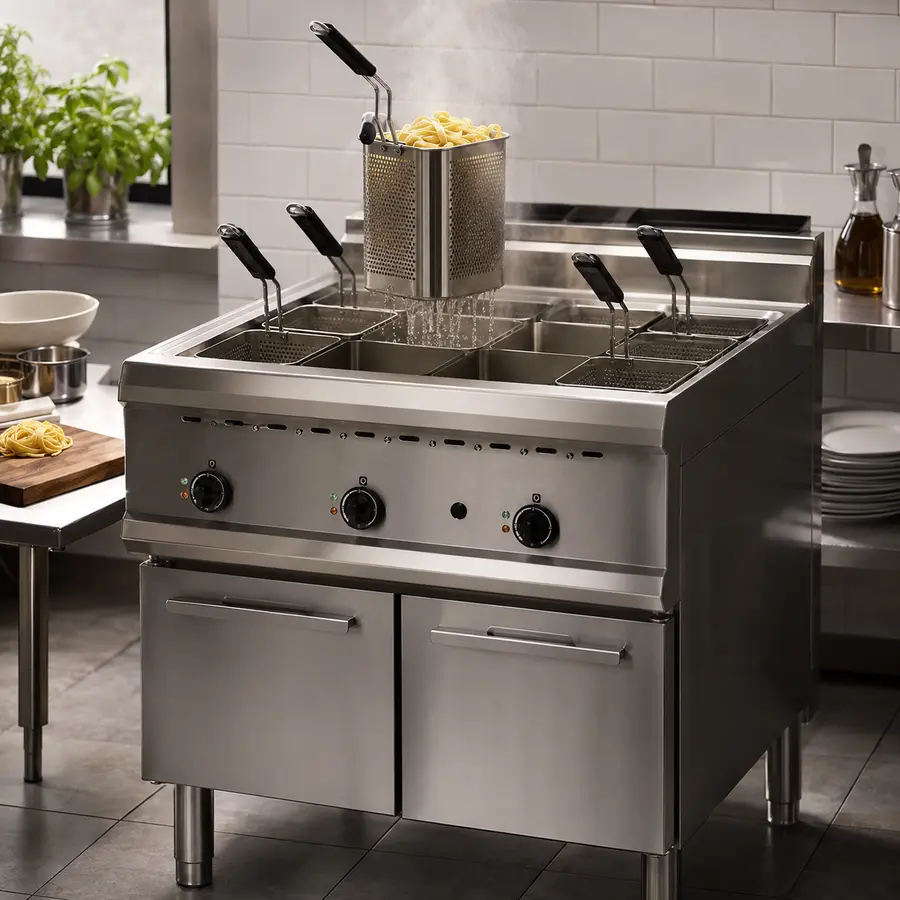 18
Batch Cooking
18
Batch CookingCountertop Pasta Cookers · Floor Pasta Cookers · Multi-Basket Cookers
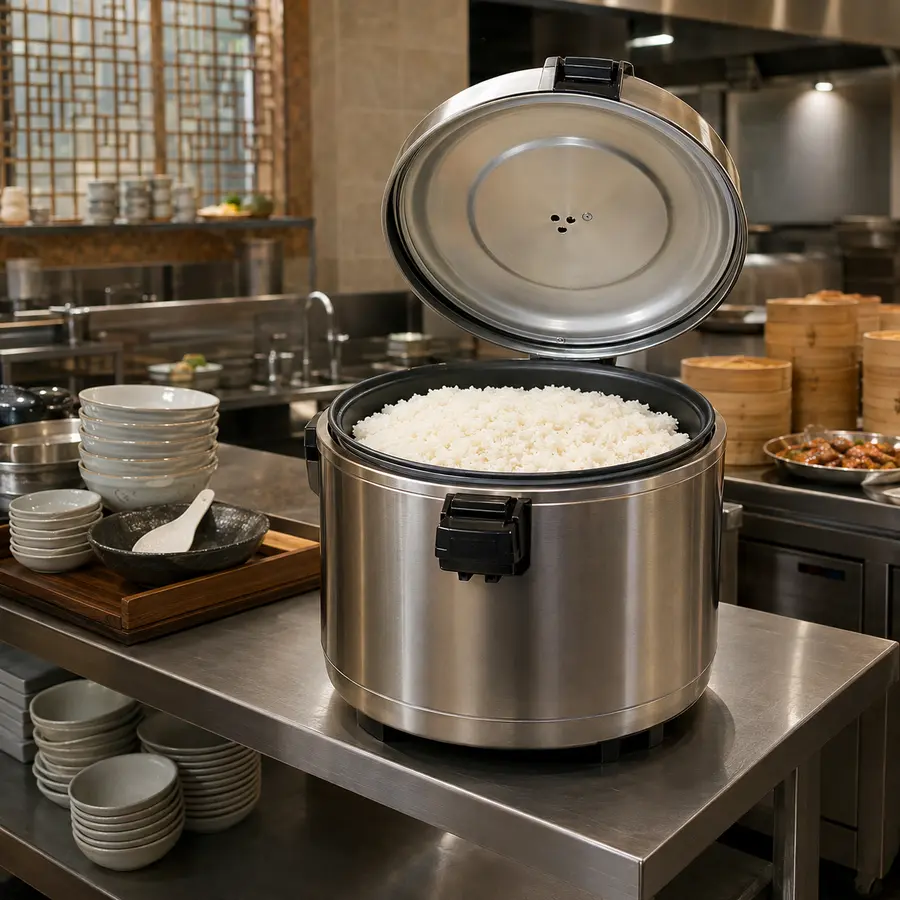 19
Batch Cooking
19
Batch CookingGas Rice Cookers · Electric Rice Cookers · Rice Warmers
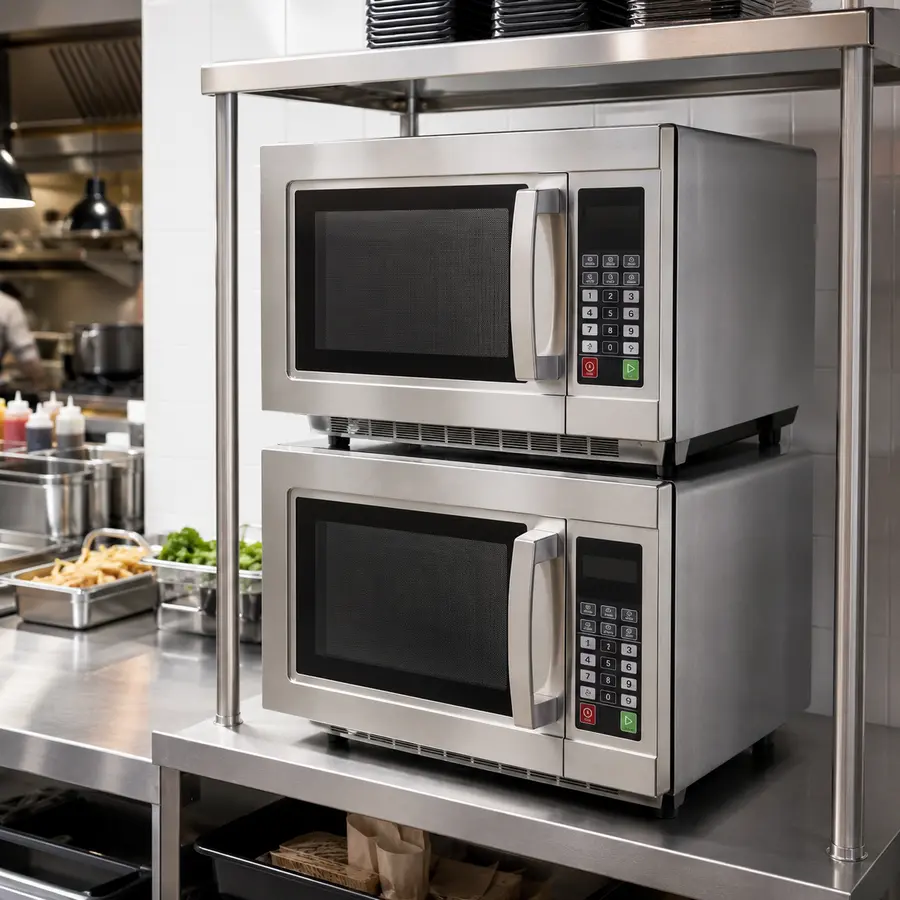 20
Batch Cooking
20
Batch CookingLight-Duty Microwaves · Medium-Duty Microwaves · Heavy-Duty Microwaves
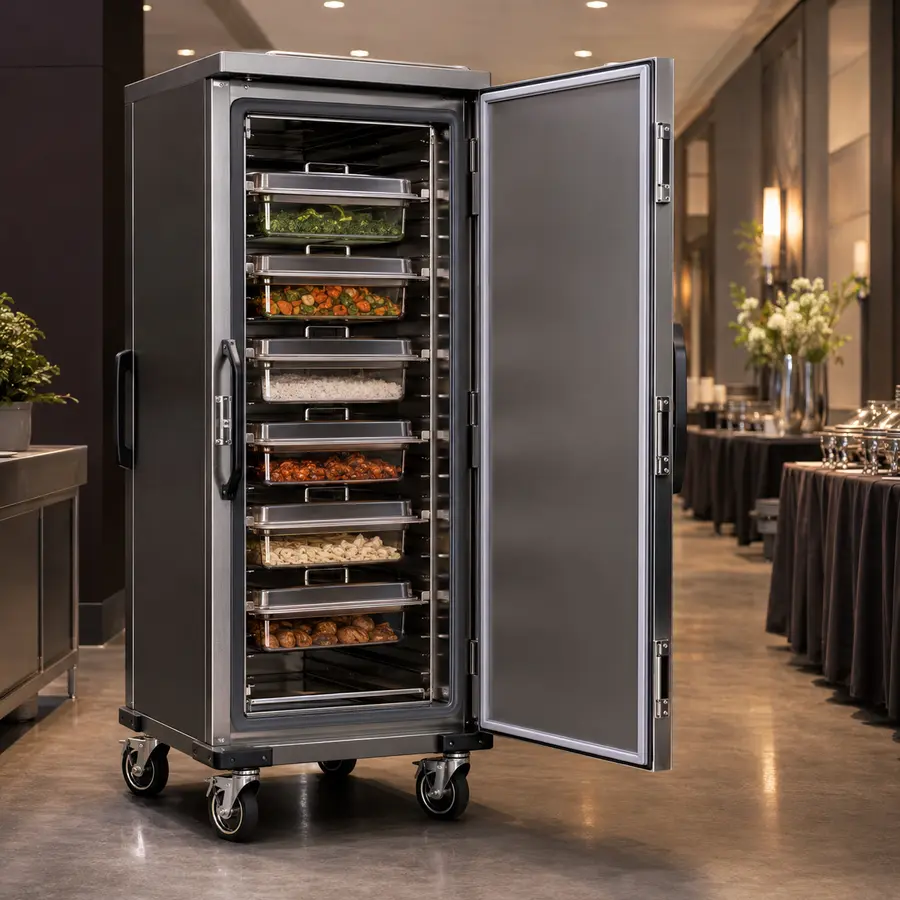 21
Holding & Safety
21
Holding & SafetyInsulated Cabinets · Heated Humidified Cabinets · Pass-Through Cabinets
 22
Holding & Safety
22
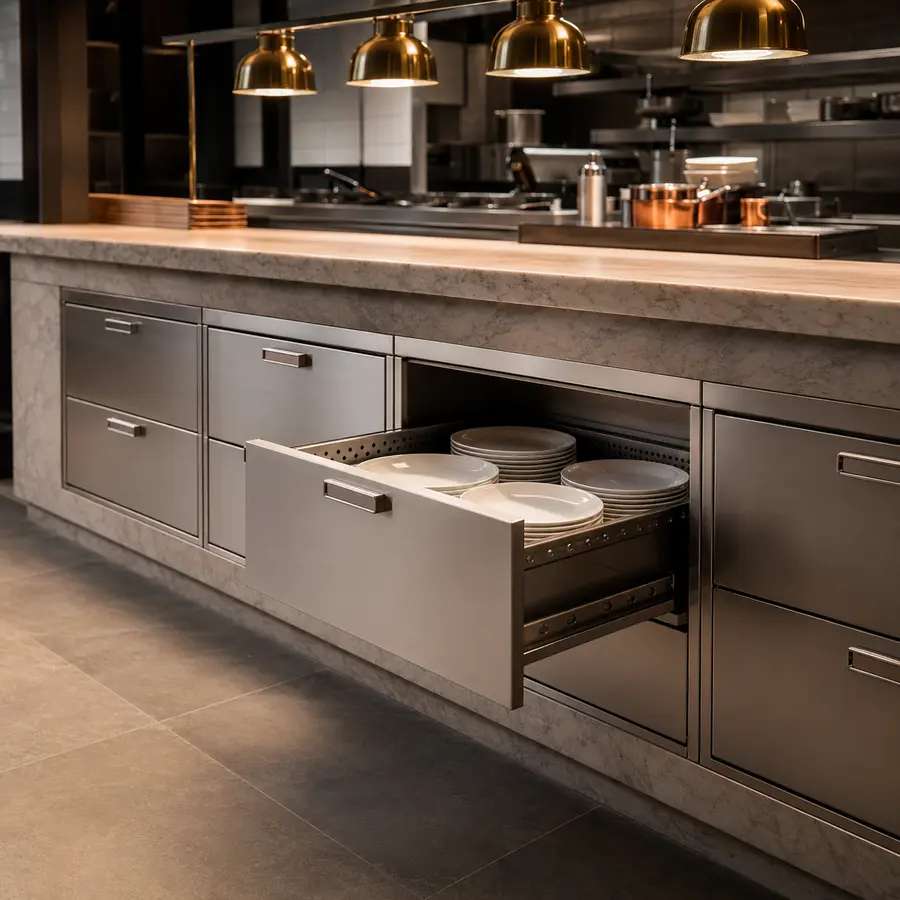
Holding & SafetySingle-Drawer Warmers · Multi-Drawer Warmers · Built-In Warmers
 23
Holding & Safety
23
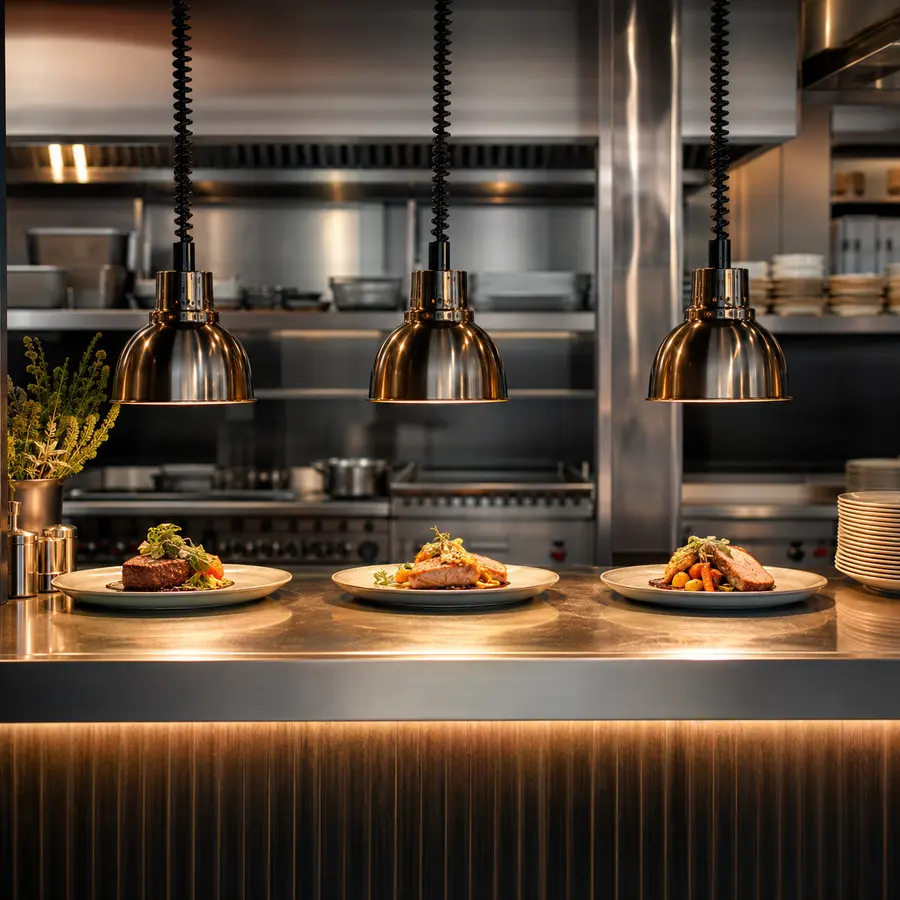
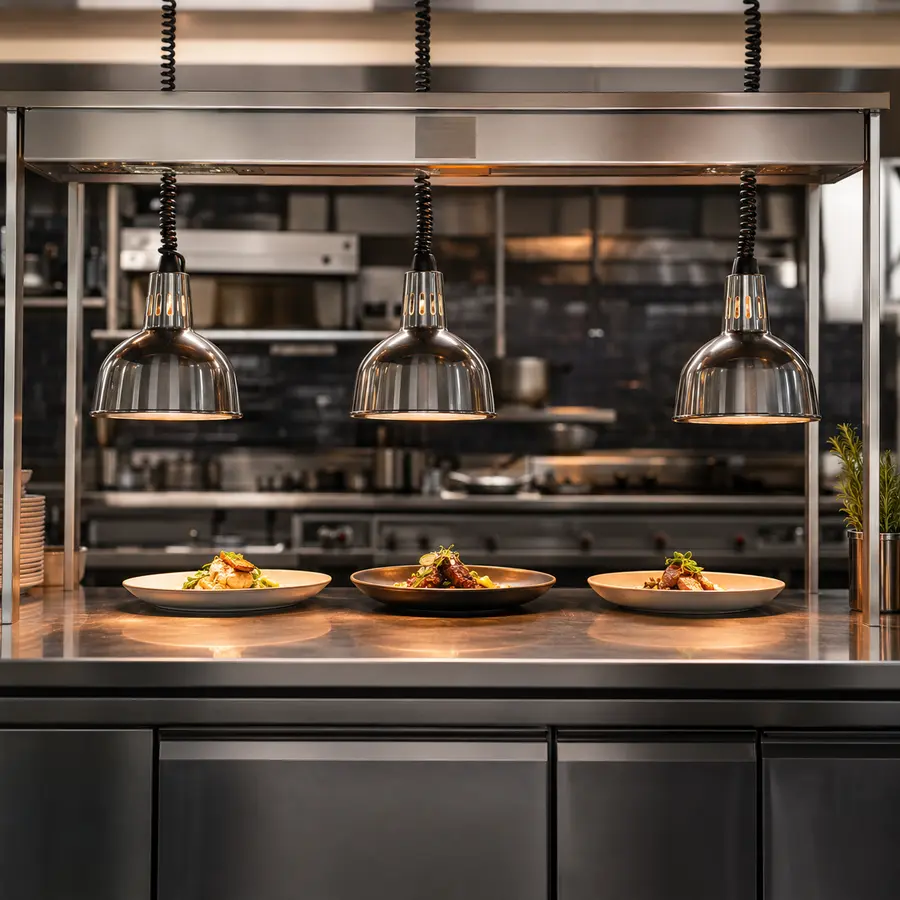
Holding & SafetyStrip Heaters · Pendant Heat Lamps · Portable Carving Lamps
 24
Holding & Safety
24
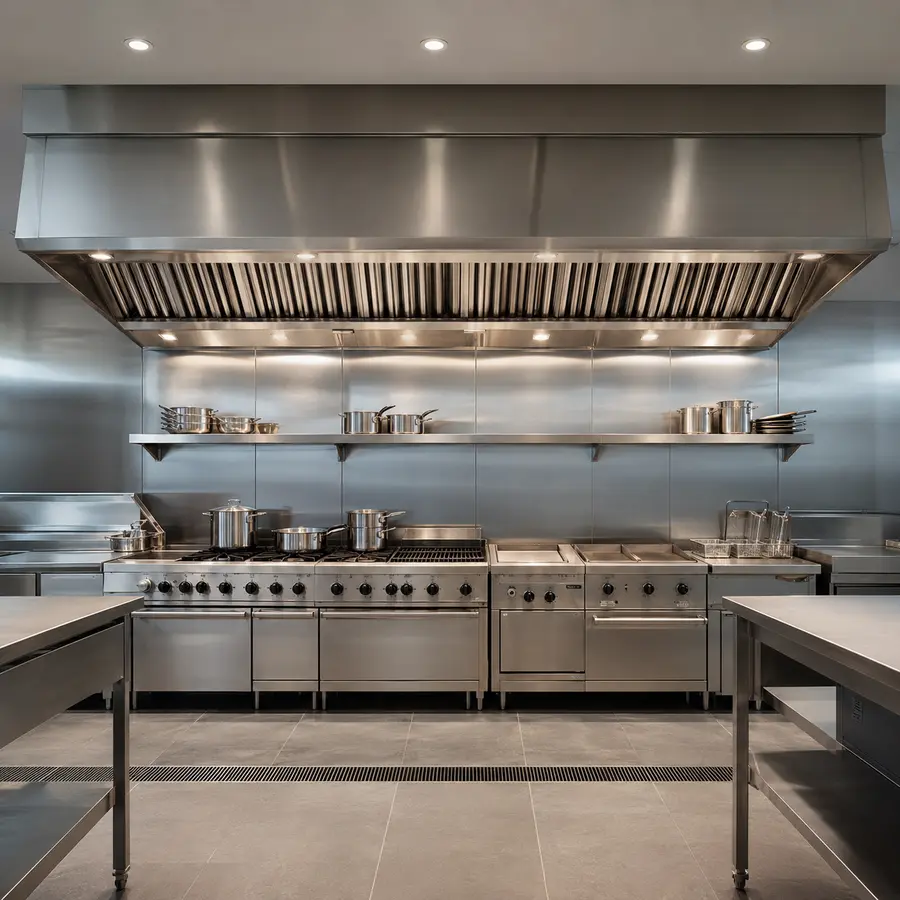
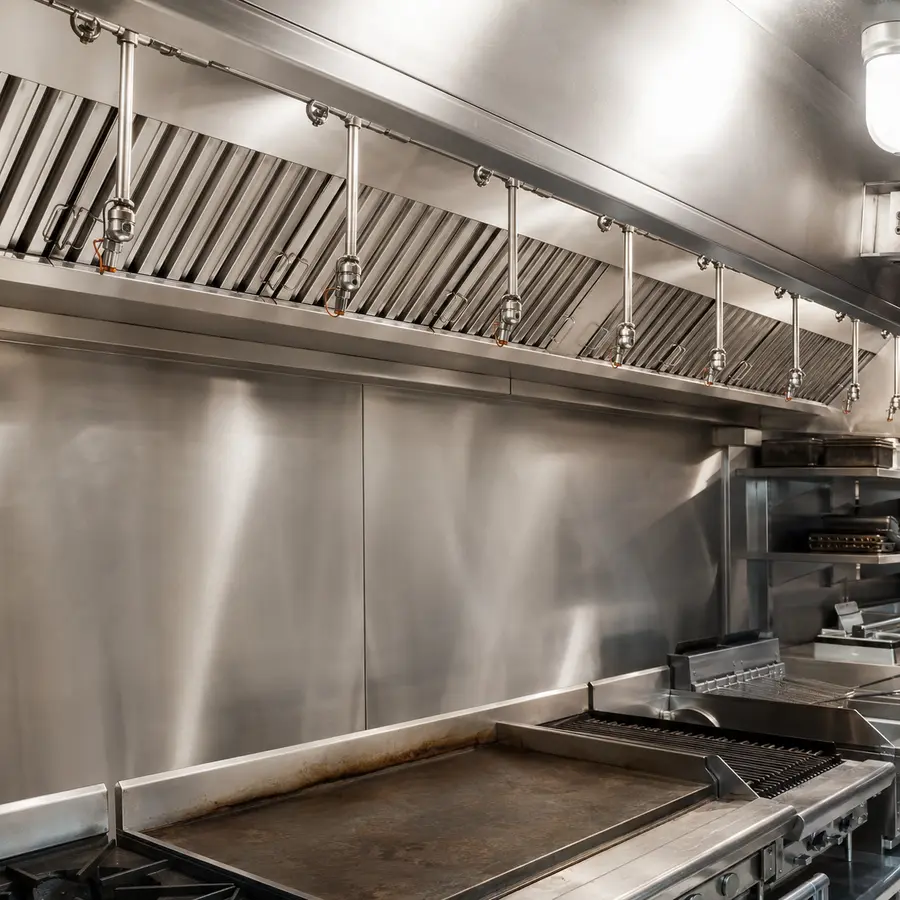
Holding & SafetyType I Hoods · Condensate Hoods · Demand-Control Ventilation
 25
Holding & Safety
25
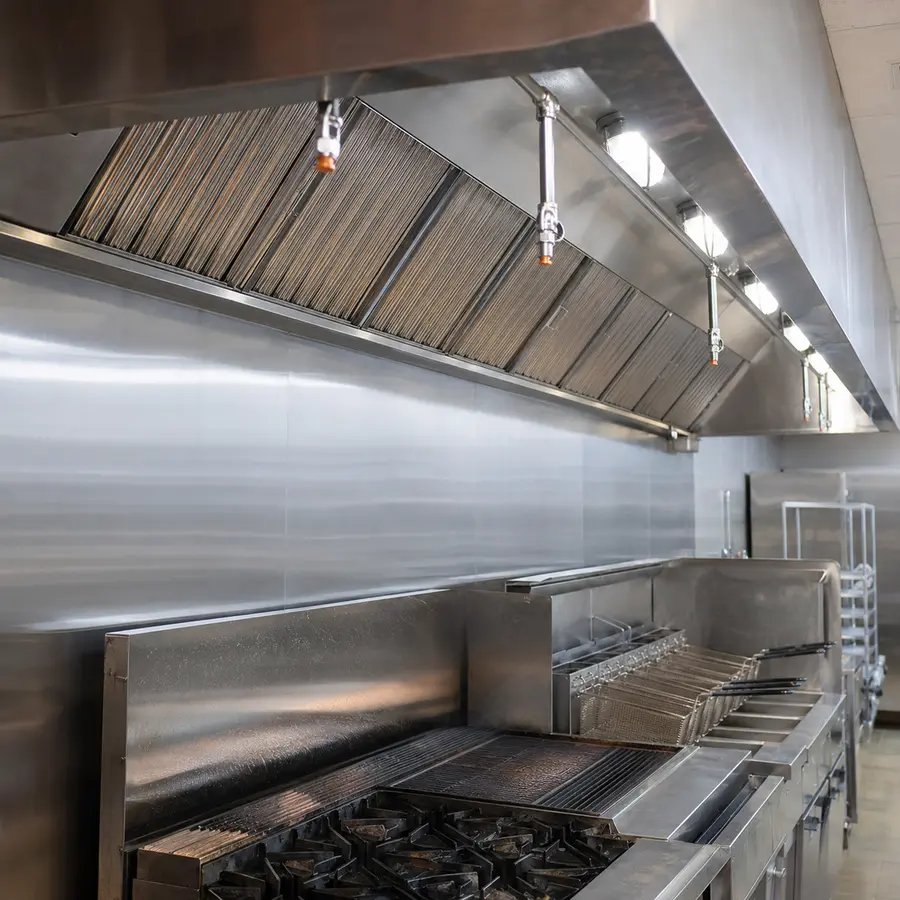
Holding & SafetyWet-Chemical Systems · Appliance Detection · Manual Pull Stations
Try a broader equipment term or reset the equipment-family filter.
A clearer sourcing workflow
A useful cooking-equipment brief connects production volume, heat platform, controls, utilities, ventilation, fire protection, footprint, cleaning, service access, and delivery constraints.
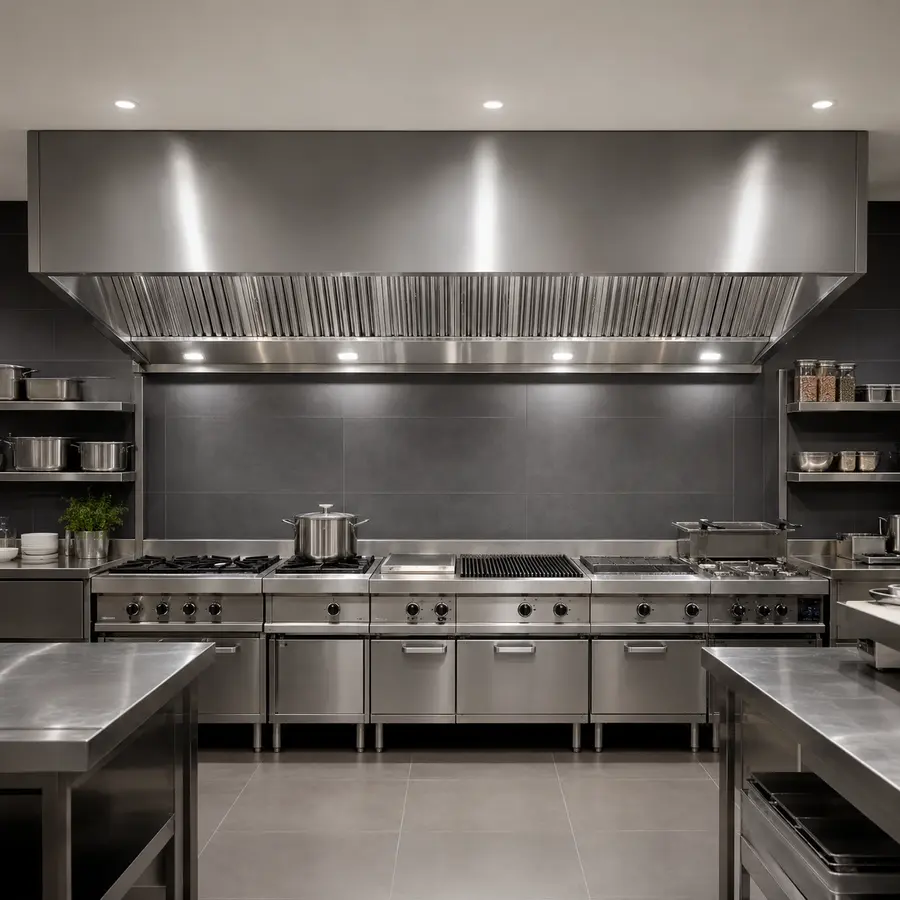

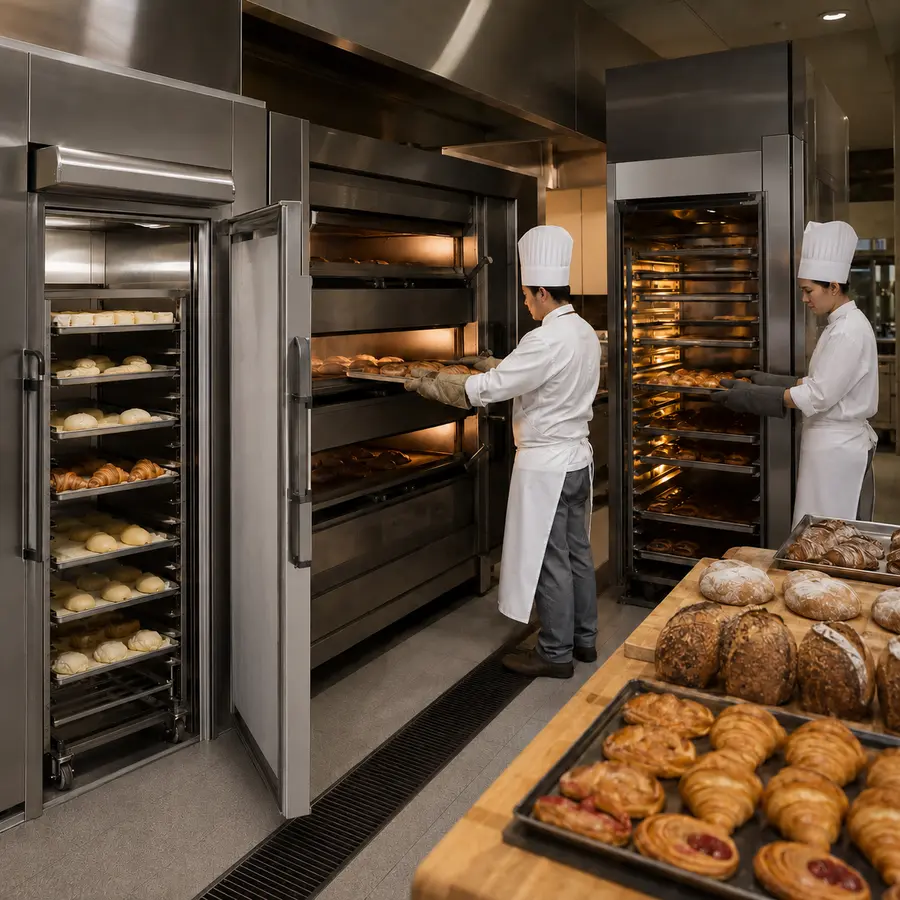
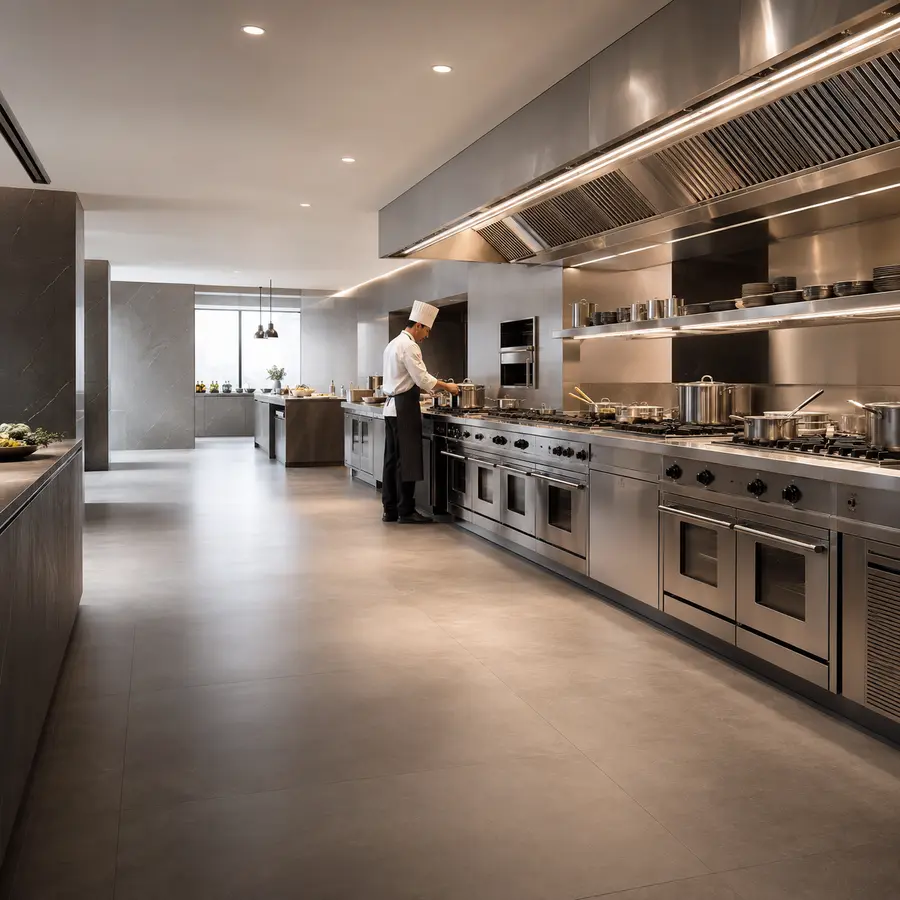
Document menus, covers, batch sizes, peak periods, holding time, service windows, and expected growth.
Confirm voltage, phase, gas type and pressure, water, drainage, ventilation, and fire-protection requirements.
Protect clearances, landing space, cleaning access, aisle movement, hot-zone separation, and service access.
Review output, energy use, labor impact, warranty, parts availability, serviceability, and replacement risk.
Practical specification toolkit
An equivalent quote requires more than a category name. Capture the performance, utility, dimensional, installation, certification, and after-sale requirements that determine whether an option can work on site.
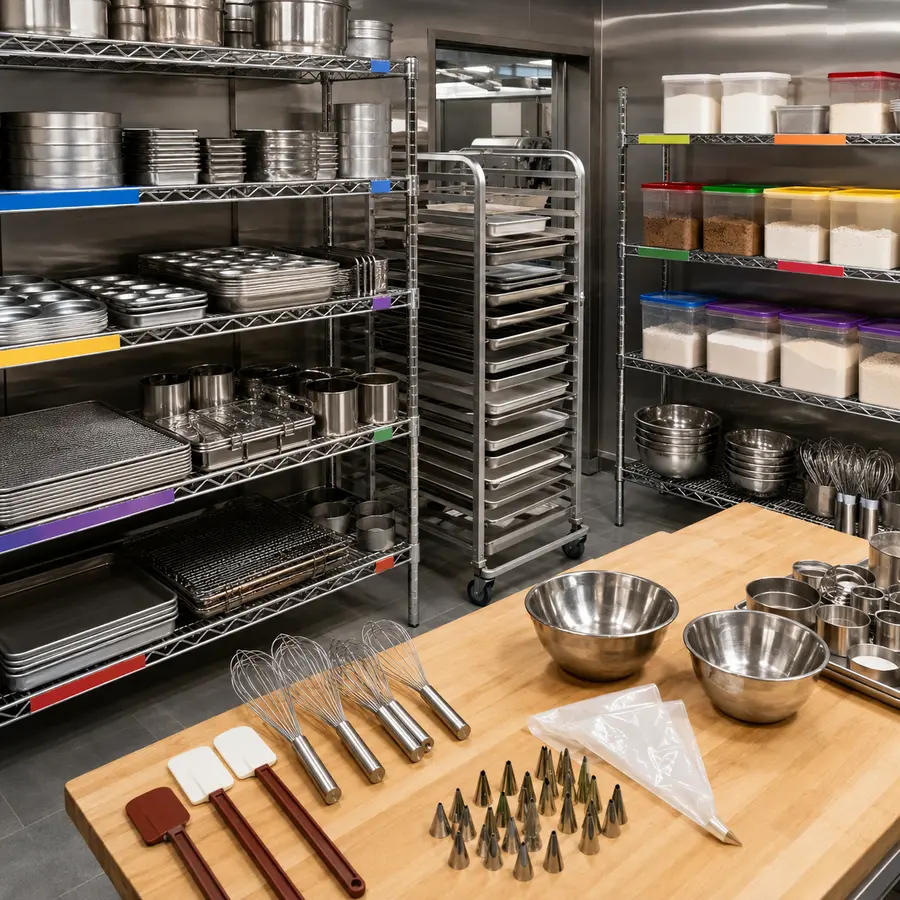
State menu items, covers, batch size, peak-hour cycles, temperature range, recovery expectation, holding time, and the skill level of operators.
Buyer prompt: What must the equipment produce during the busiest service window?Record installed dimensions, service clearances, door and elevator limits, mounting conditions, voltage, phase, gas, water, drainage, ventilation, and fire-system interfaces.
Buyer prompt: Can it reach, fit, connect, and be serviced in place?Define stainless grades, control type, programmed recipes, cleaning access, duty cycle, warranty, critical spare parts, service documentation, and local support expectations.
Buyer prompt: Which attributes are mandatory, and which allow alternatives?List required local approvals, accessories, stands, casters, filters, installation responsibilities, commissioning, delivery address, unloading limits, and phased-delivery needs.
Buyer prompt: Who is responsible for each connection, approval, and commissioning step?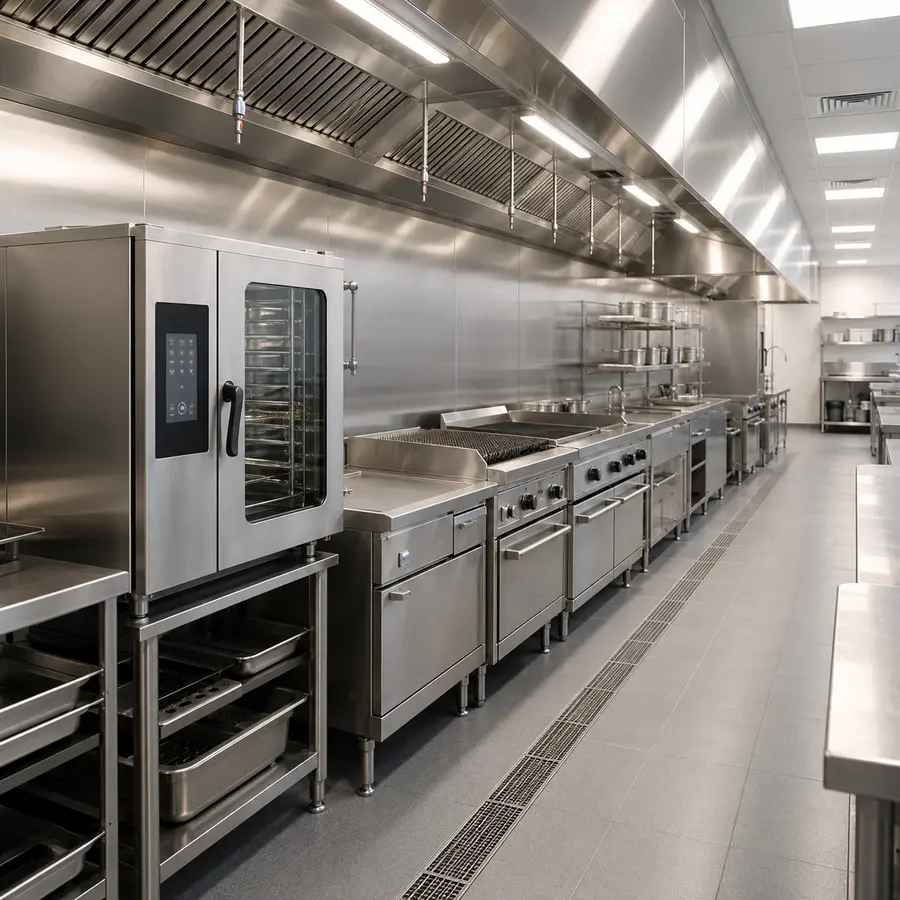
Purchase-order control
Small mismatches in voltage, gas, handedness, accessories, certifications, or connections become expensive after production. Make the approved quotation, schedule, purchase order, and site plan agree.
Request a specification-based quoteReceiving & installation control
Give the receiving team the equipment schedule, packing list, delivery contact, inspection priorities, utility notes, and escalation route before the truck arrives.
Photograph the load, pallet wrap, carton condition, labels, and any visible impact before unpacking.
Compare model plates, utility ratings, serial numbers, accessories, item numbers, and quantities with the approved schedule.
Note visible shortage or damage on the carrier delivery record before signing; avoid an unqualified clean receipt.
Separate affected goods, retain packaging and labels, and do not connect, install, or use equipment awaiting claim instructions.
Send a documented claim packet promptly with order references, delivery record, photos, item numbers, quantities, and requested resolution.
Designed for commercial kitchen projects
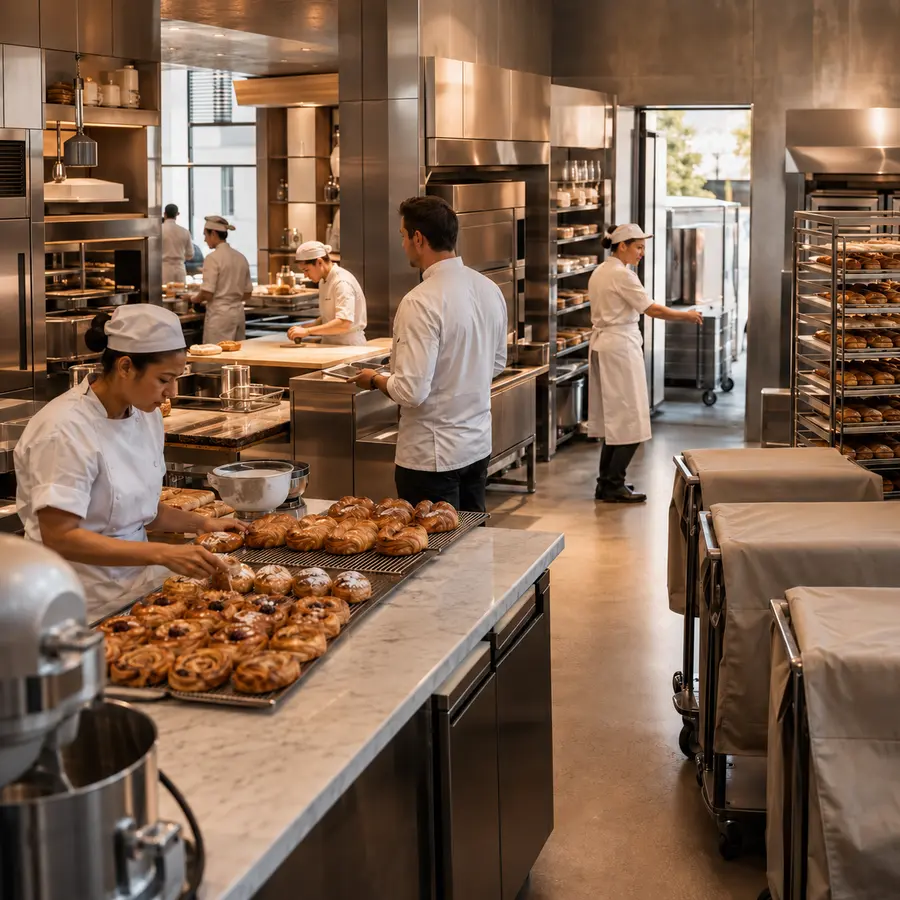
The directory connects cooking methods with real operating constraints so owners, consultants, chefs, and procurement teams can compare compatible equipment families.
Ranges, ovens, direct-heat equipment, batch cooking, holding, extraction, and fire protection in one scope.
Use each category to compare capacity, energy platform, controls, recovery, footprint, cleaning, and utility requirements.
Translate operating needs into a clearer schedule that suppliers can review against equivalent requirements.
Connect every card to a dedicated equipment page as the KW Hospitality cooking-equipment library grows.
Commercial kitchen questions
Use these starting points to prepare a more complete equipment request and shorten avoidable technical clarification cycles.
Include the property and outlet type, menu, expected covers, batch sizes, service windows, equipment categories, quantities, available utilities, hood and fire-system conditions, dimensions and access limits, required certifications, delivery destination, installation scope, and target date.
Compare available utilities, connected load, heat response, ventilation impact, kitchen temperature, controls, cookware compatibility, operator familiarity, maintenance, energy cost, and the production profile. The best platform depends on the actual site and menu rather than one universal rule.
Yes. Coordinating cooking appliances, hood type, exhaust and make-up air, grease load, clearances, duct conditions, fire-suppression coverage, interlocks, and local approvals can expose conflicts earlier. Final design and installation must still be verified by qualified local professionals and authorities.
Compare usable load, production per cycle, recovery time, number of cycles during the peak window, pan or rack format, temperature range, simultaneous menu demand, holding strategy, and operator workflow. Nominal cavity volume or burner count alone may not represent real throughput.
Verify voltage, frequency, phase, amperage, plug or hardwire requirement, gas type and pressure, water quality and pressure, drainage, steam, ventilation, heat rejection, controls, clearances, floor loading, and isolation points for the exact model and destination.
Identify the destination market, intended use, applicable electrical, gas, sanitation, ventilation, fire, energy, accessibility, and installation requirements before product approval. Verify that documentation applies to the exact quoted model and configuration with the relevant local professionals or authorities.
Responsibility must be stated in the quotation and project plan. Delivery, positioning, electrical or gas connections, plumbing, hood and fire-system work, testing, commissioning, training, permits, and sign-off may involve different qualified parties at the destination.
Lead time may depend on model availability, voltage and gas configuration, custom fabrication, approvals, production capacity, accessories, certification documents, consolidation, packing, freight, customs, delivery appointments, and site readiness. Confirm when the quoted lead time begins.
Provide the existing make and model, nameplate data, dimensions, utility connections, hood position, clearances, accessories, production requirement, photos, quantity, service history, and whether an exact match or a compatible alternative is acceptable.
Confirm warranty duration and start date, covered parts and labor, exclusions, service territory, claim contact, response process, required maintenance, wear parts, recommended opening spares, manuals, and expected support after the model is discontinued.
Normalize each quote to the same duty class, capacity, controls, utilities, included accessories, certifications, warranty, installation and commissioning scope, delivery basis, taxes, duties, freight, lead time, and exclusions. A lower price is not equivalent when performance or scope differs.
Yes. Organize quantities and specifications by property, outlet, station, or phase, then identify shared standards and site-specific utilities or compliance conditions. This keeps consolidation opportunities visible without hiding local differences.
Photograph the shipment before unpacking, inspect packaging, compare model plates and utility ratings with the approved schedule, count accessories, note visible shortage or damage before signing, retain evidence, and avoid installation of disputed equipment until claim instructions are clear.
Match holding type, cabinet capacity, humidity, pan or rack format, loading pattern, transport distance, service window, food-quality limits, and replenishment cycles to actual production. Holding should support the service plan rather than compensate for an undersized cooking line.
Some equipment may allow custom voltage, gas, dimensions, controls, accessories, stands, finishes, pass-through orientation, or fabrication. Confirm engineering limits, certification impact, minimums, approval drawings, production lead time, service implications, and replacement-part availability before committing.
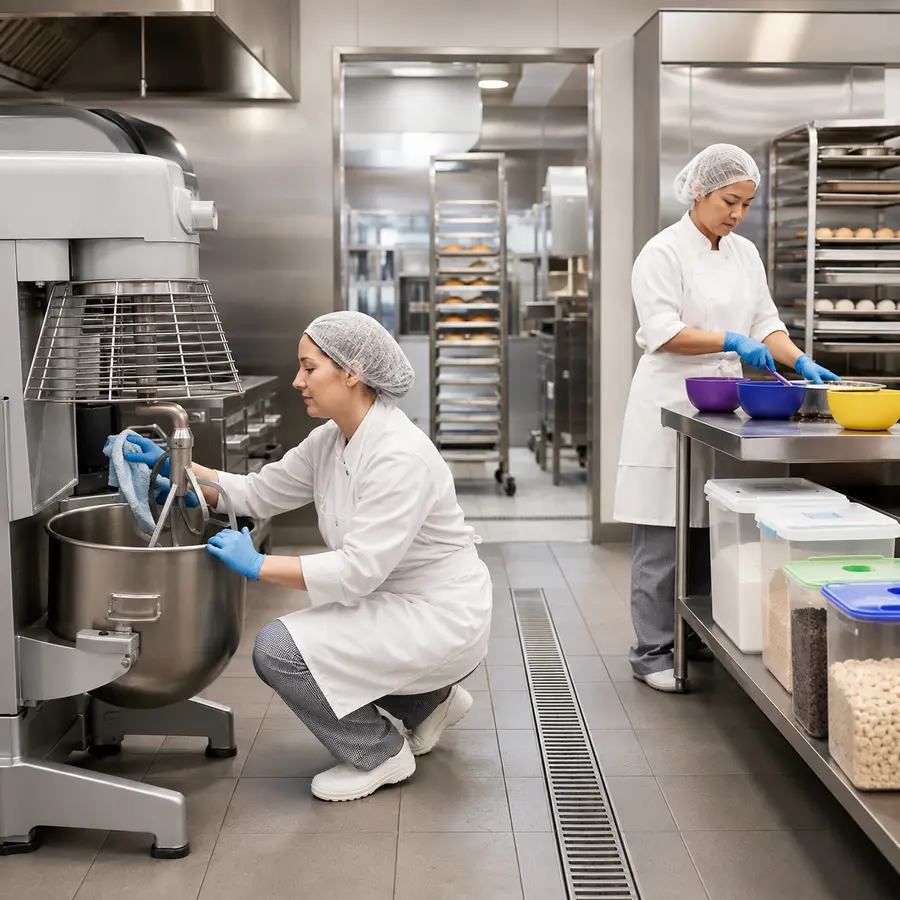
Define daily cleaning, operator inspection, filter care, calibration, descaling, lubrication, periodic service, safety checks, consumables, responsible parties, service intervals, and records from handover. Follow the exact manufacturer instructions and local requirements.
A dedicated category page can address the buying factors, utilities, capacities, applications, comparisons, installation constraints, FAQs, and quote requirements specific to that equipment family while keeping this hub easy to scan.
Compare the substitute against every mandatory requirement: duty class, dimensions, usable capacity, output, recovery, controls, utilities, ventilation impact, certifications, cleaning, accessories, warranty, serviceability, lead time, and total delivered cost. Record and approve every deviation before the order changes.
Direct contact
Choose the office and channel that work best for your project. Both teams can help route product, sourcing, quotation, and delivery questions.
+1 514 907 1637
+86 155 2127 1637

Your commercial kitchen brief starts here
Share the property type, menu, covers, utilities, quantities, dimensions, target delivery date, and equipment categories involved. We will route the request into a clearer reviewable scope.