

Luxury & Resort Programs
Coordinate premium formulas, elevated packaging, VIP touches, and room-type presentation standards.
Guest amenity sourcing, simplified
Source toiletries, personal-care kits, slippers, refillable dispensers, eco-conscious options, and custom-branded amenities through one organized procurement path.
Start with your amenity-program goal
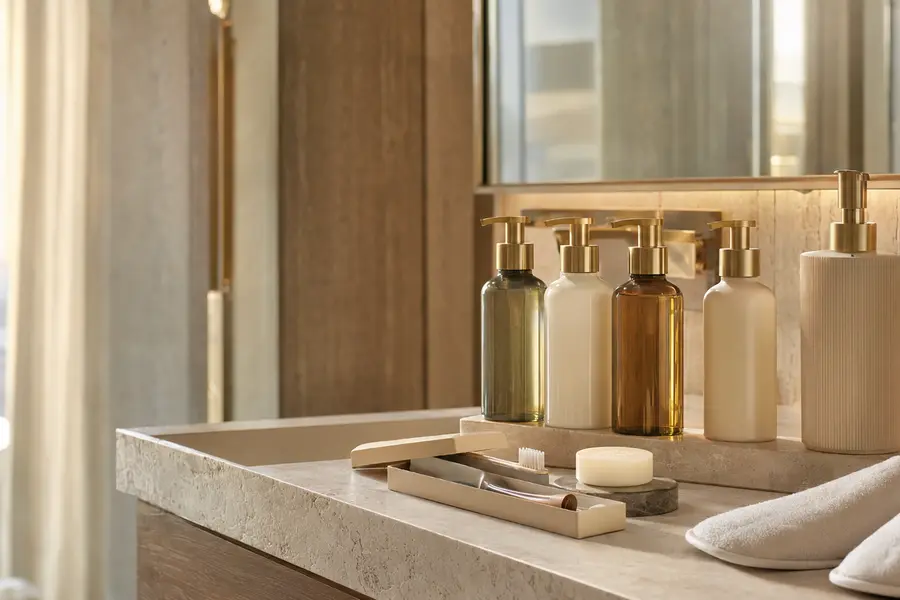
Begin with the property, brand position, service model, and replenishment plan, then move directly into the amenity families that support the stay.
Coordinate premium formulas, elevated packaging, VIP touches, and room-type presentation standards.
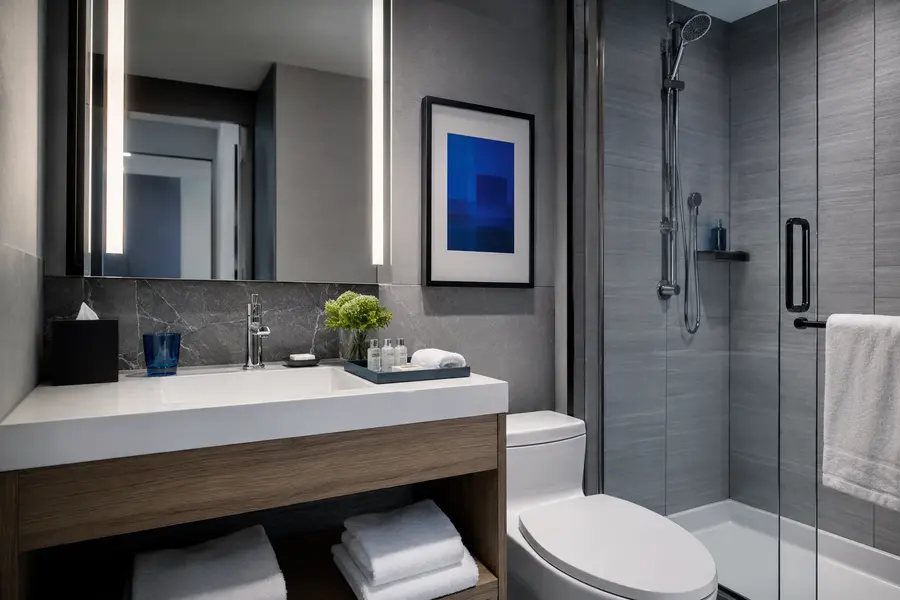
Balance reliable daily presentation, compact packs, housekeeping speed, and repeat-order consistency.
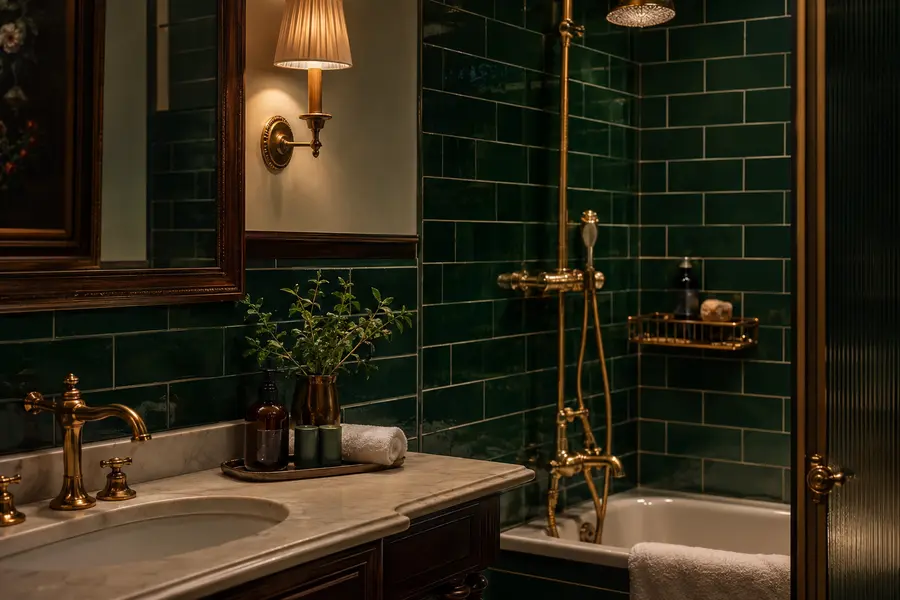
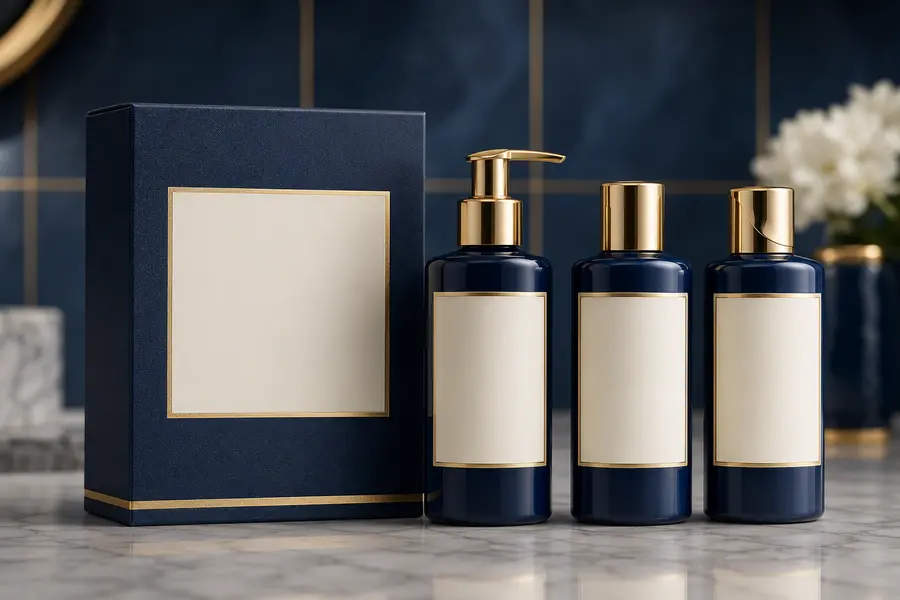
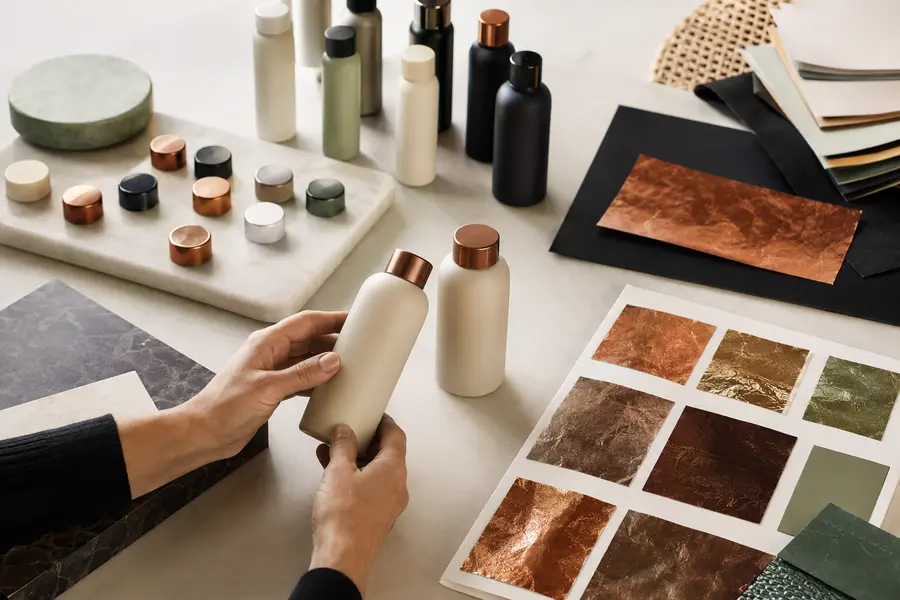
Develop distinctive packaging, signature fragrances, custom colors, and memorable welcome moments.
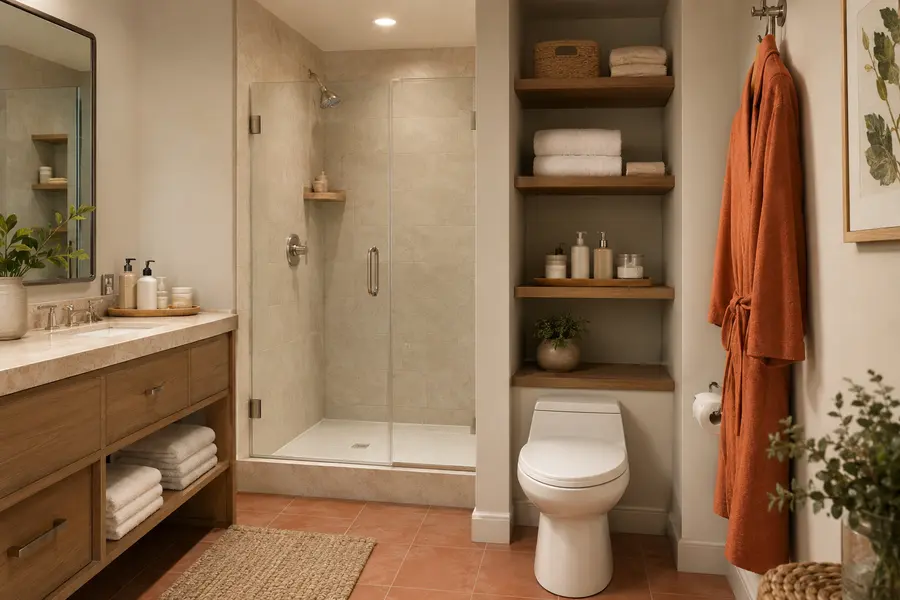
Plan dispenser capacity, refill logistics, tamper controls, housekeeping procedures, and long-stay replenishment.
Complete amenity directory
Search the amenity directory or filter by program type. Every card can connect to its own dedicated landing page.

Showing all 23 categories
 01
Bath & Body
01
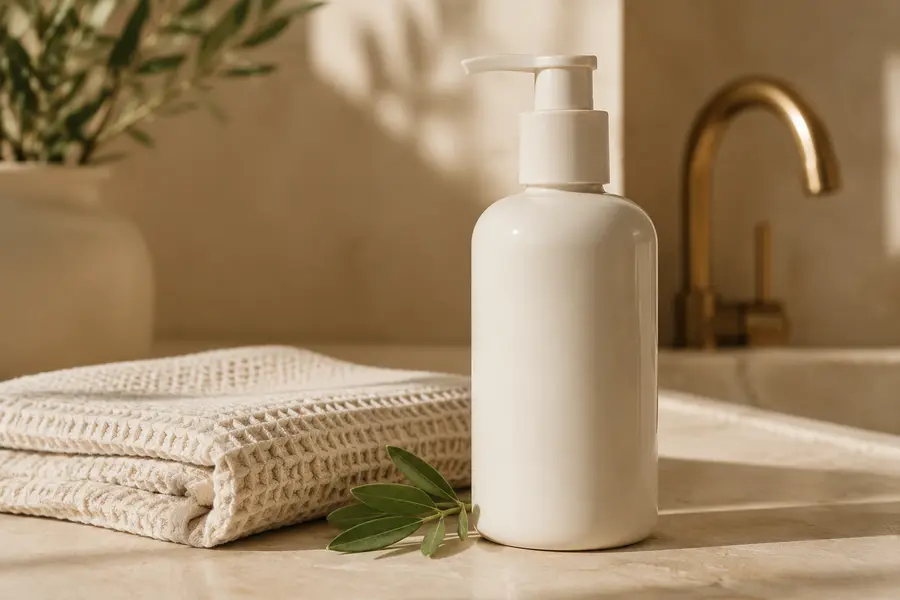
Bath & BodyMiniature Bottles · Bulk Formats · Custom Fragrances
 02
Bath & Body
02
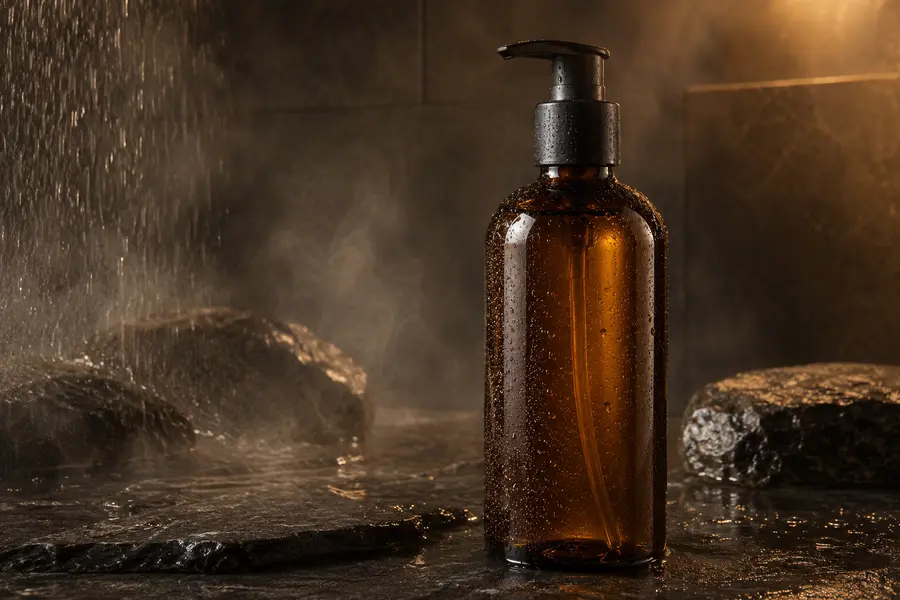
Bath & BodyDaily Conditioner · Nourishing Formulas · Dispenser Refills
 03
Bath & Body
03
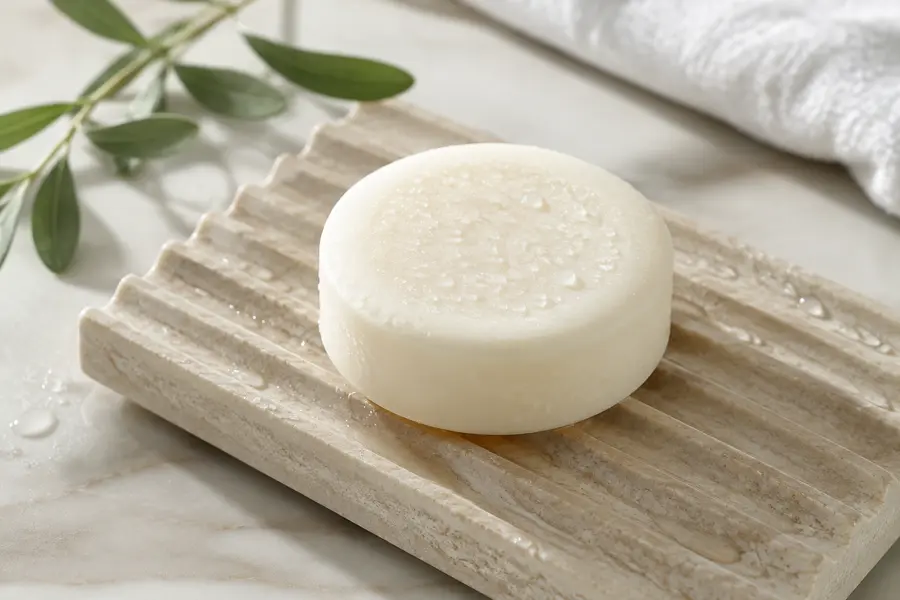
Bath & BodyGuest Bottles · Pump Bottles · Bulk Refill Packs
 04
Bath & Body
04
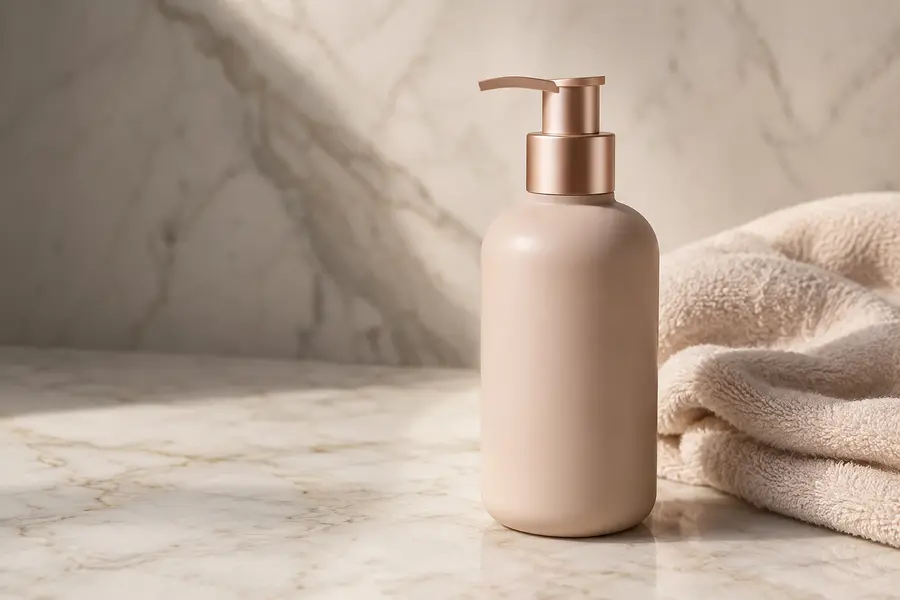
Bath & BodyFace Bars · Bath Bars · Paper-Wrapped Soap
 05
Bath & Body
05
Bath & BodyTravel Bottles · Pump Lotion · Custom Formulas
 06
Bath & Body
06
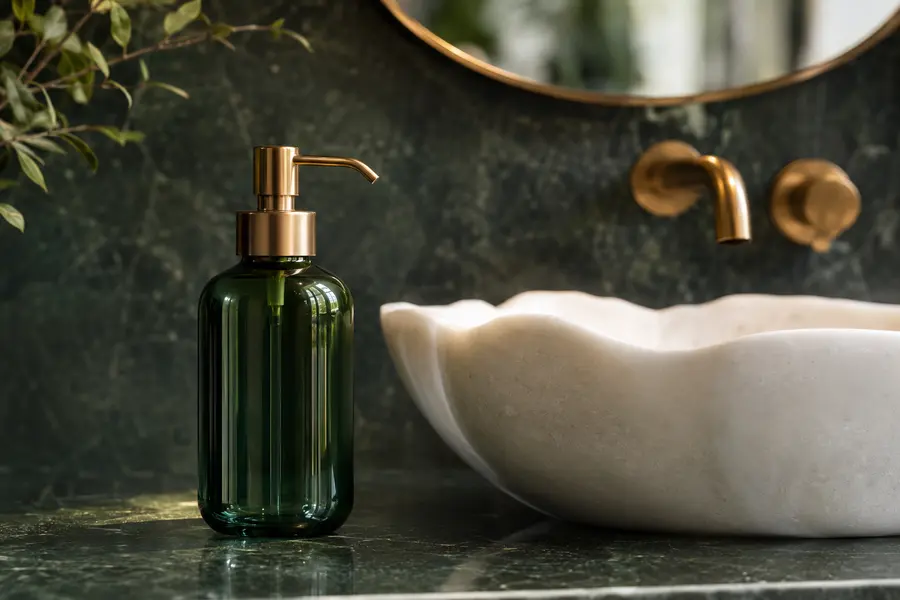
Bath & BodyVanity Pumps · Wall Dispensers · Bulk Refill
 07
Personal Kits
07
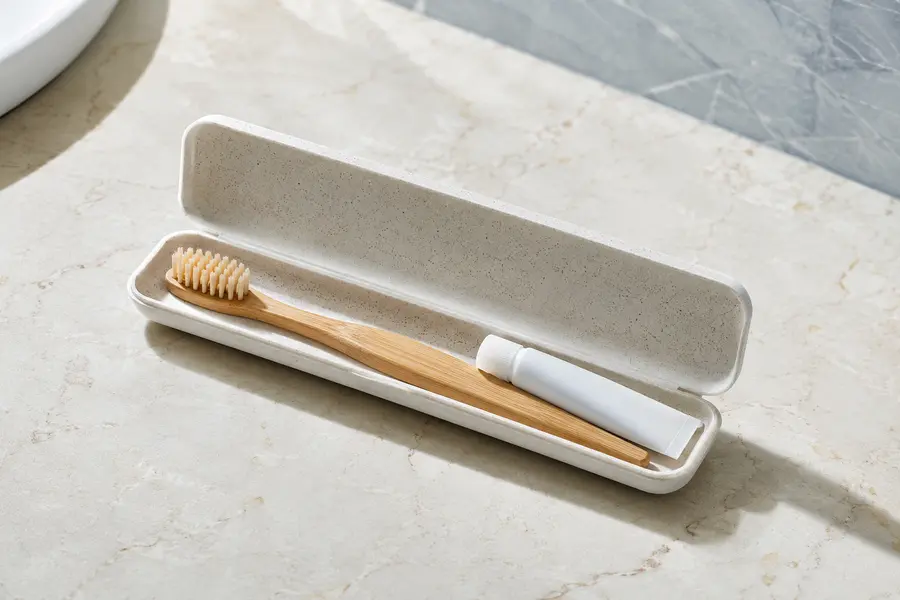
Personal KitsToothbrush Sets · Toothpaste Kits · Paper Packaging
 08
Personal Kits
08
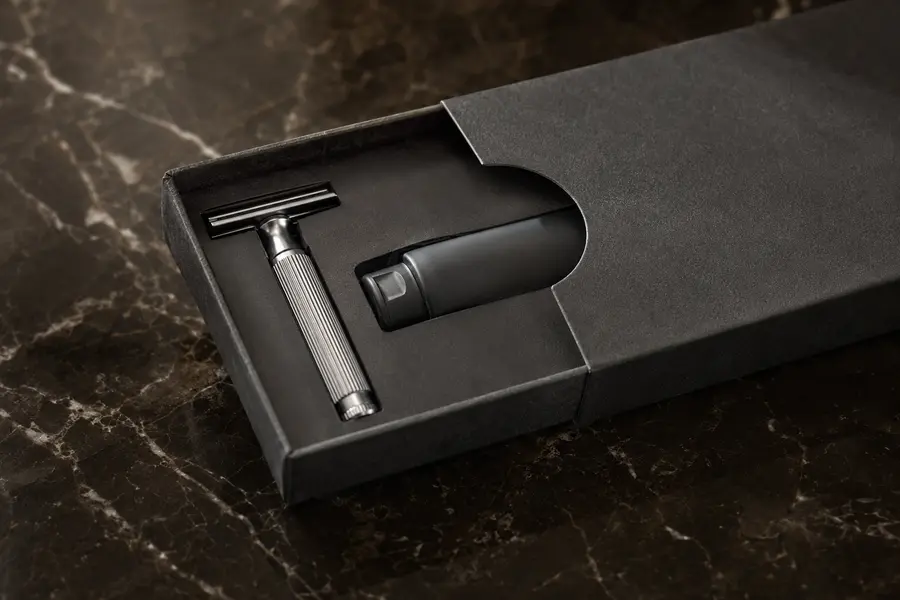
Personal KitsRazors · Shaving Cream · Guest Pouches
 09
Personal Kits
09
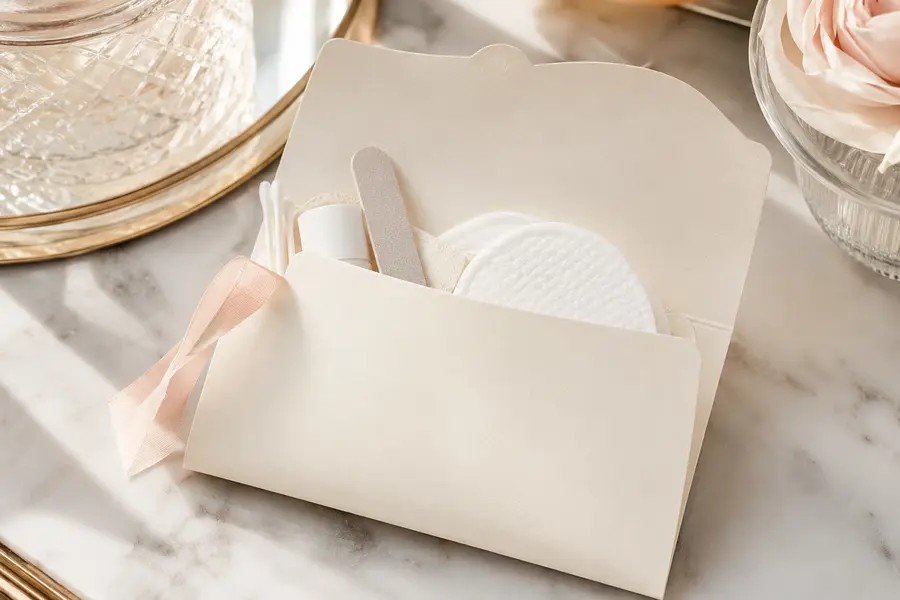
Personal KitsCotton Pads · Nail Files · Multi-Item Sets
 10
Personal Kits
10
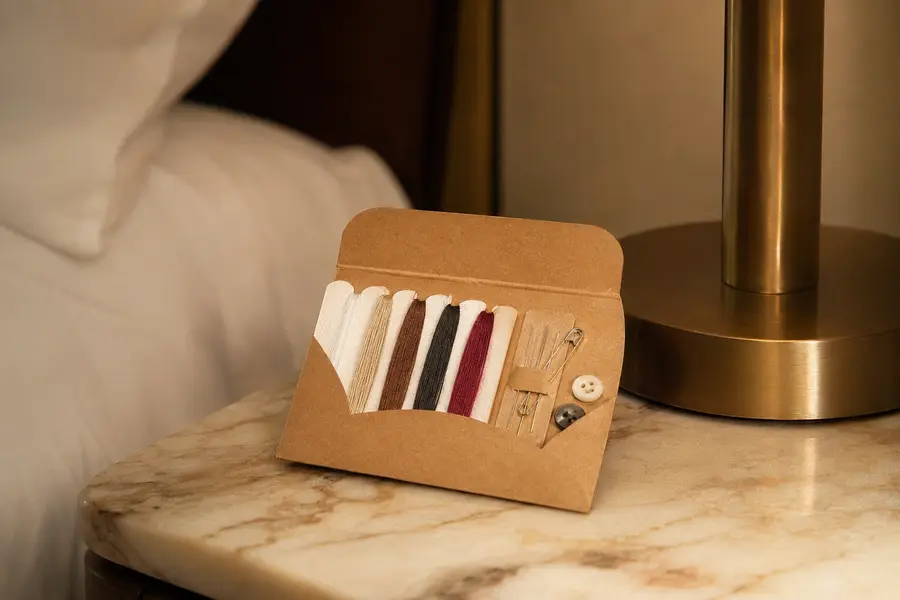
Personal KitsThread Cards · Needle Sets · Compact Cases
 11
Personal Kits
11
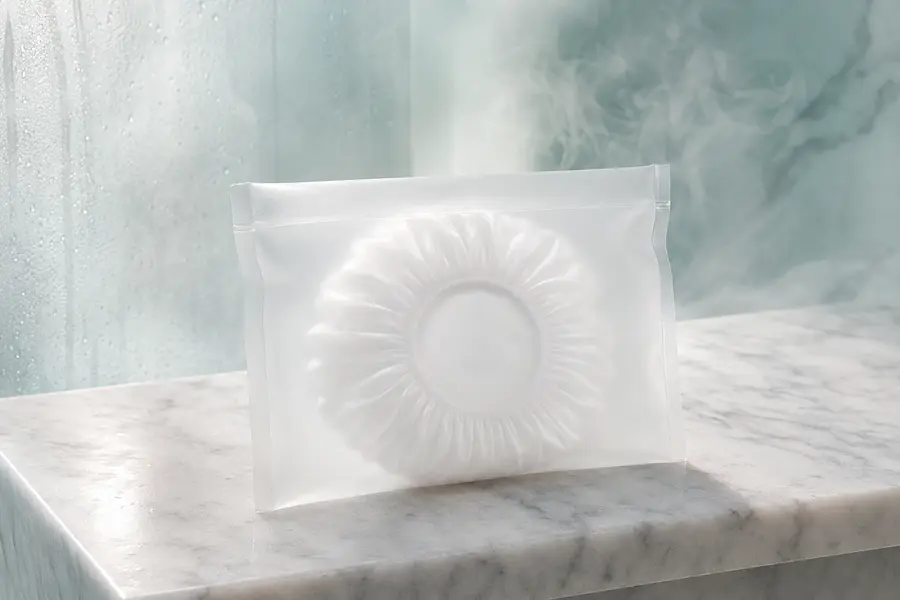
Personal KitsPleated Caps · Paper Boxes · Compostable Packs
 12
Comfort
12
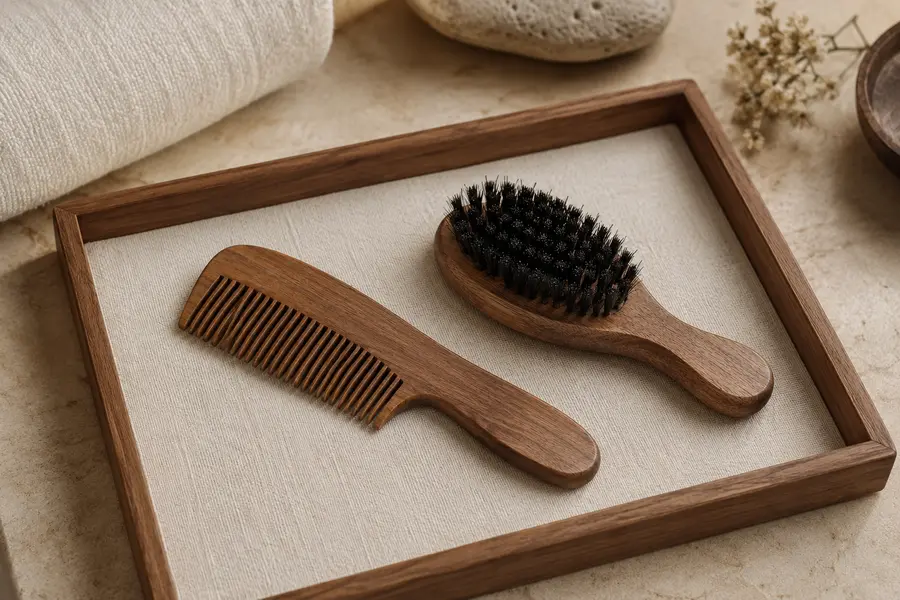
ComfortPocket Combs · Bamboo Combs · Hair Brushes
 13
Personal Kits
13
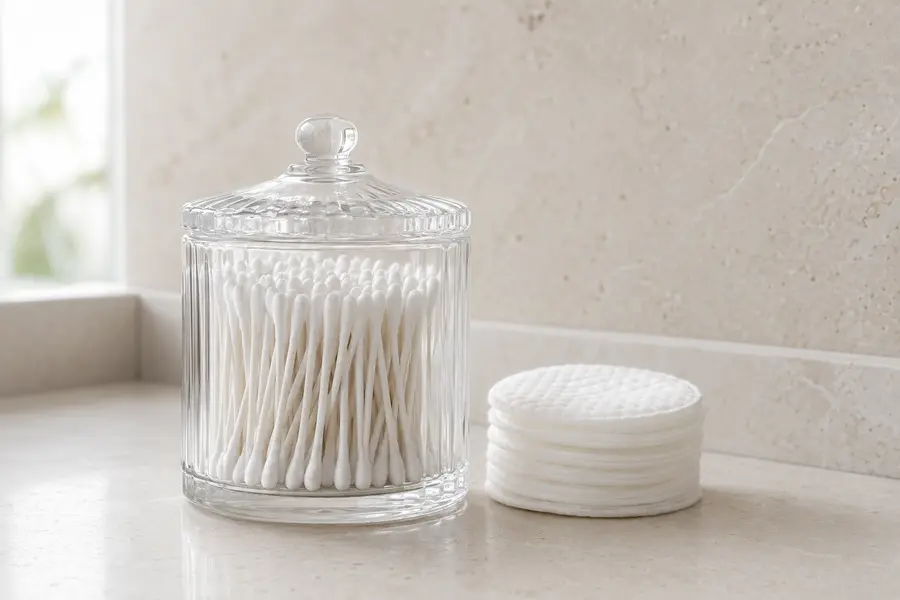
Personal KitsPaper-Stem Swabs · Cotton Rounds · Vanity Packs
 14
Personal Kits
14
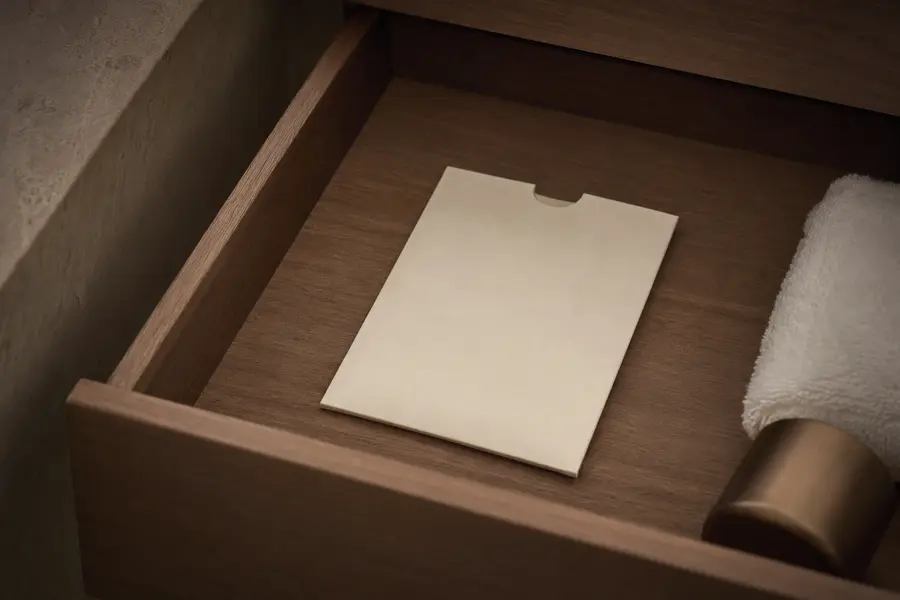
Personal KitsPaper Bags · Dispenser Packs · Custom Printing
 15
Personal Kits
15
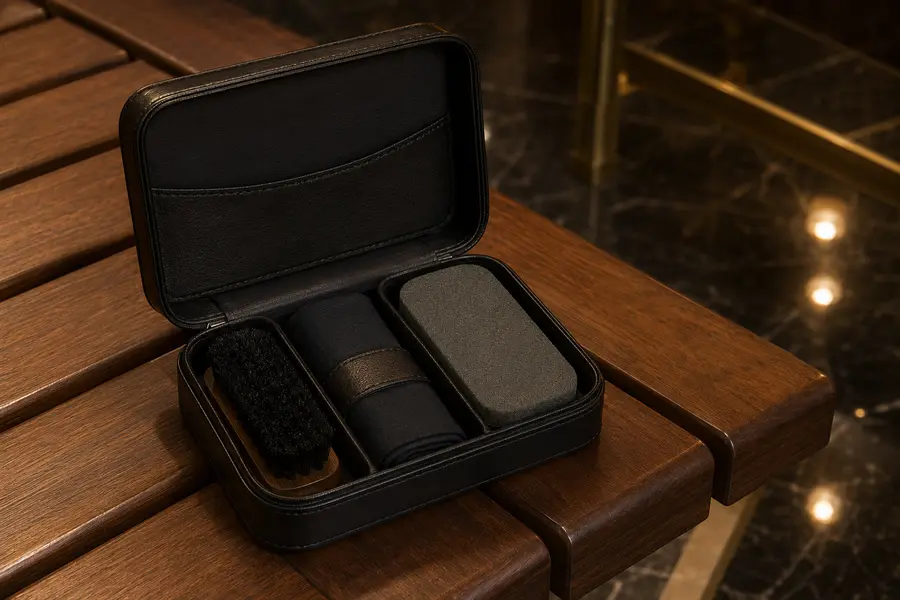
Personal KitsPolishing Mitts · Shoe Sponges · Travel Kits
 16
Comfort
16
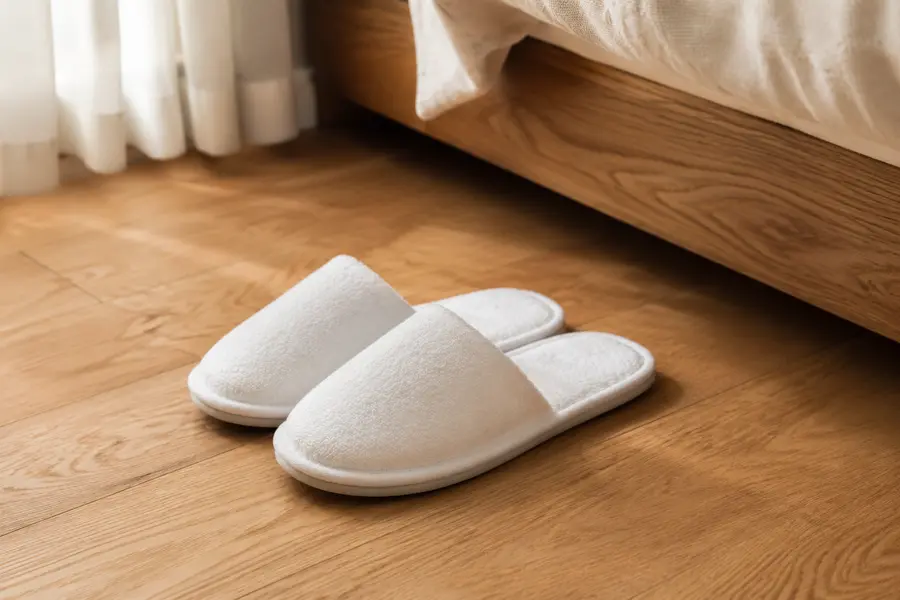
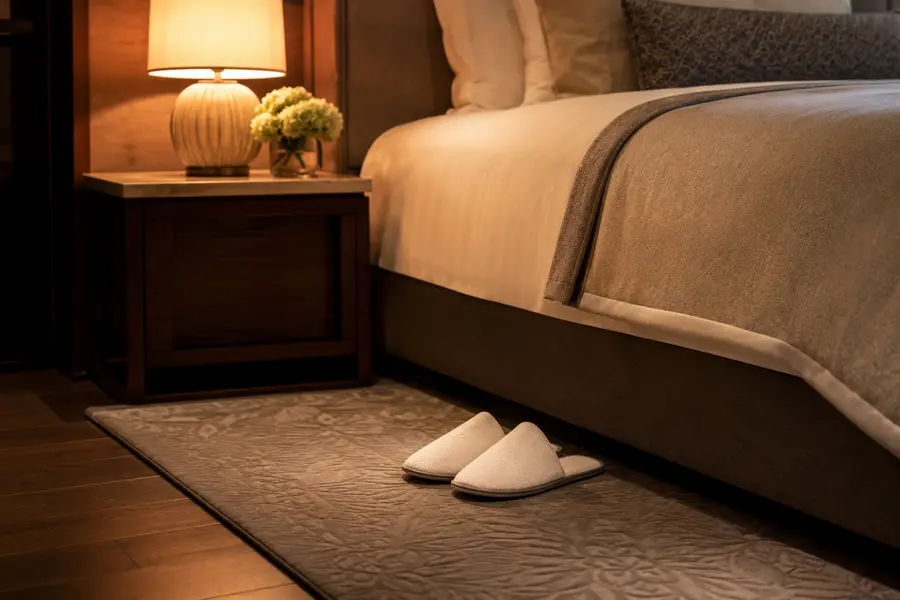
ComfortOpen-Toe Slippers · Closed-Toe Slippers · Custom Embroidery
 17
Comfort
17
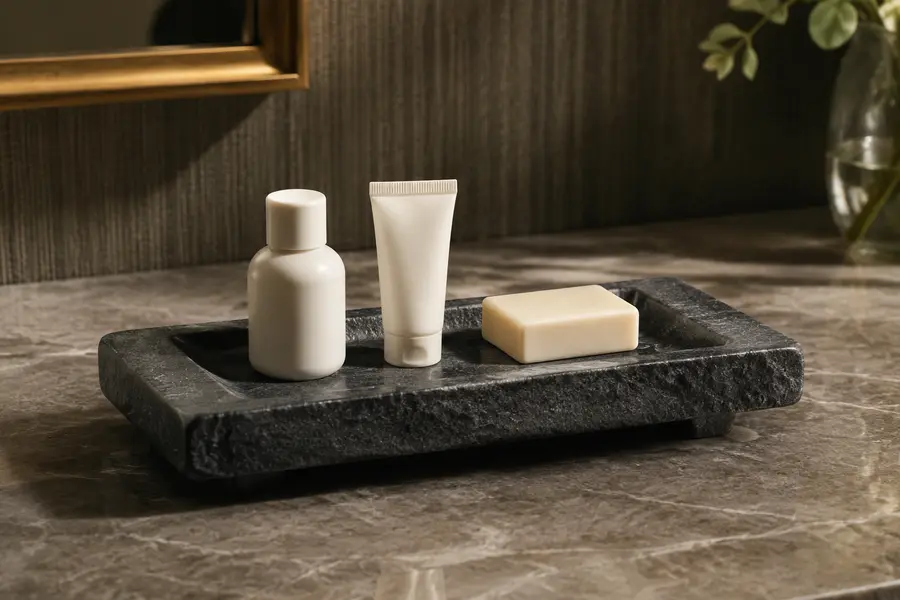
ComfortResin Trays · Bamboo Trays · Stone-Look Trays
 18
Sustainable
18
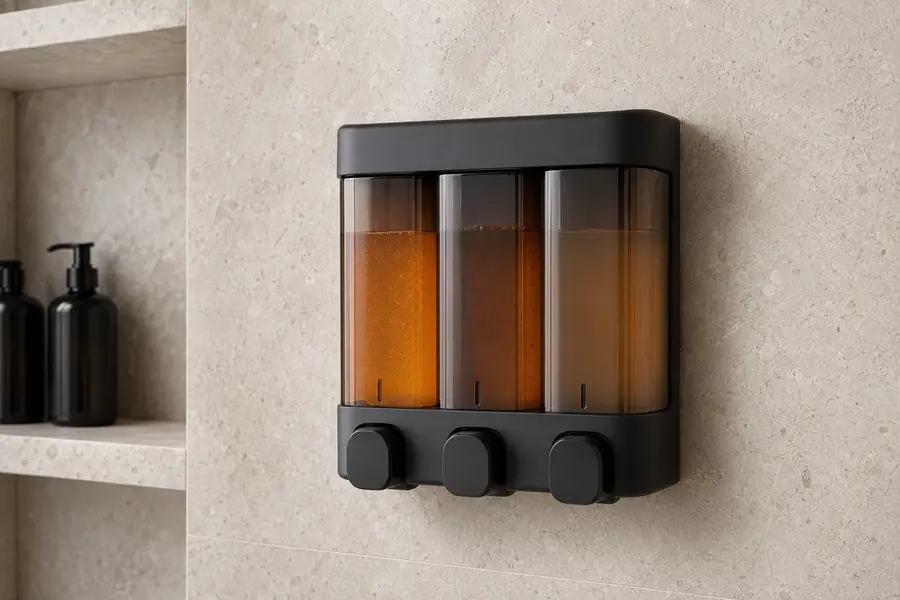
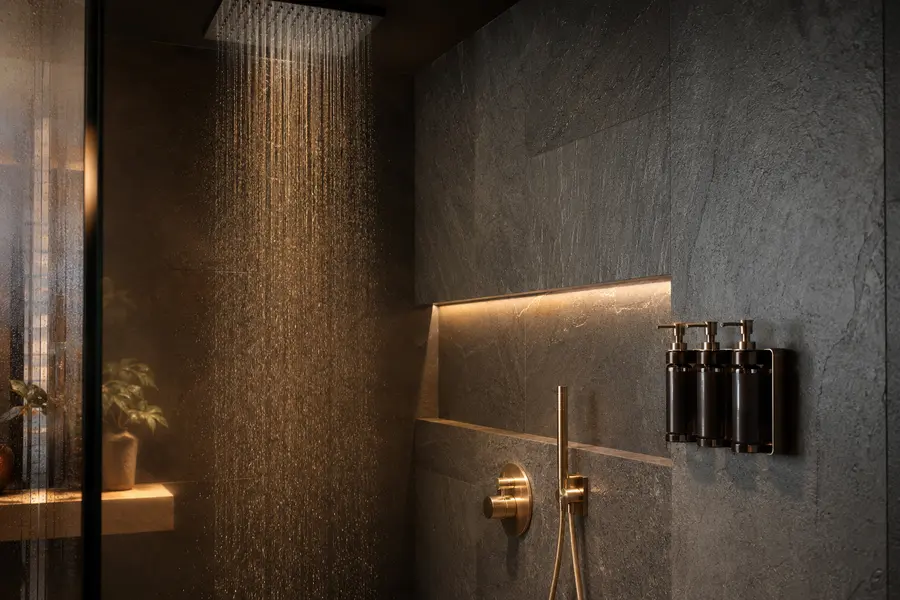
SustainableWall-Mounted Pumps · Tamper-Resistant Brackets · Multi-Bottle Systems
 19
Sustainable
19
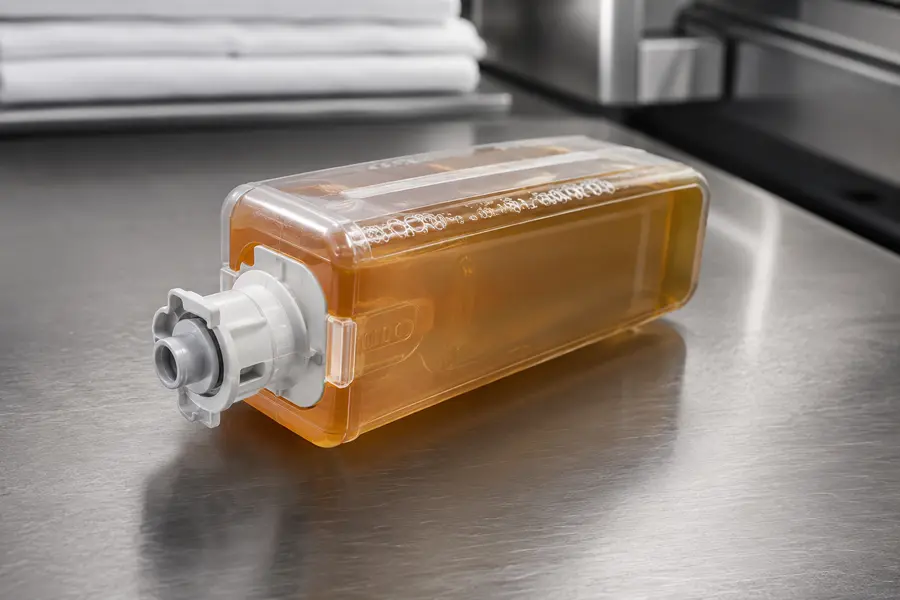
SustainableSealed Cartridges · Bulk Pouches · Compatible Refills
 20
Special Programs
20
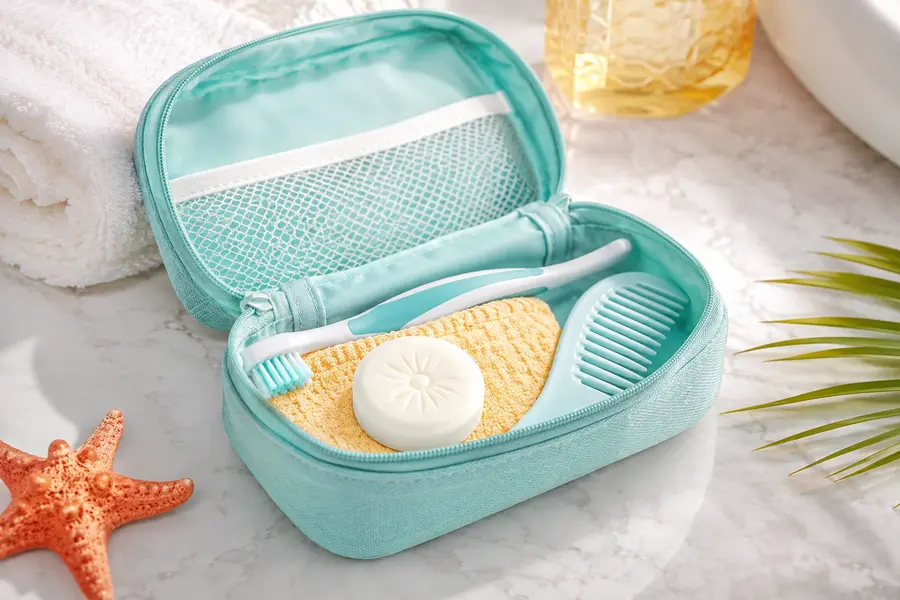
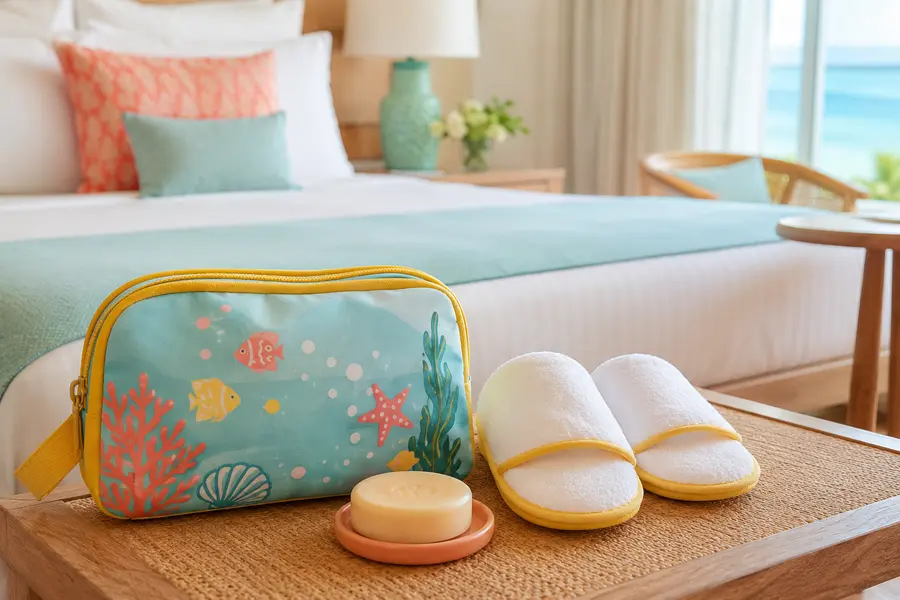
Special ProgramsKids Toiletries · Activity Packs · Family Welcome Sets
 21
Special Programs
21
Special ProgramsPremium Gift Sets · Suite Presentation · Executive Welcome Kits
 22
Sustainable
22
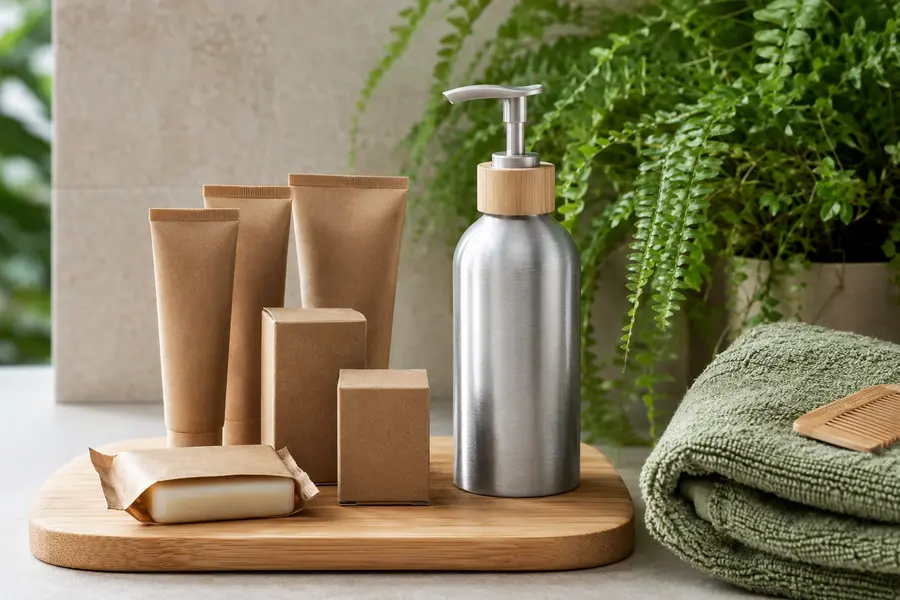
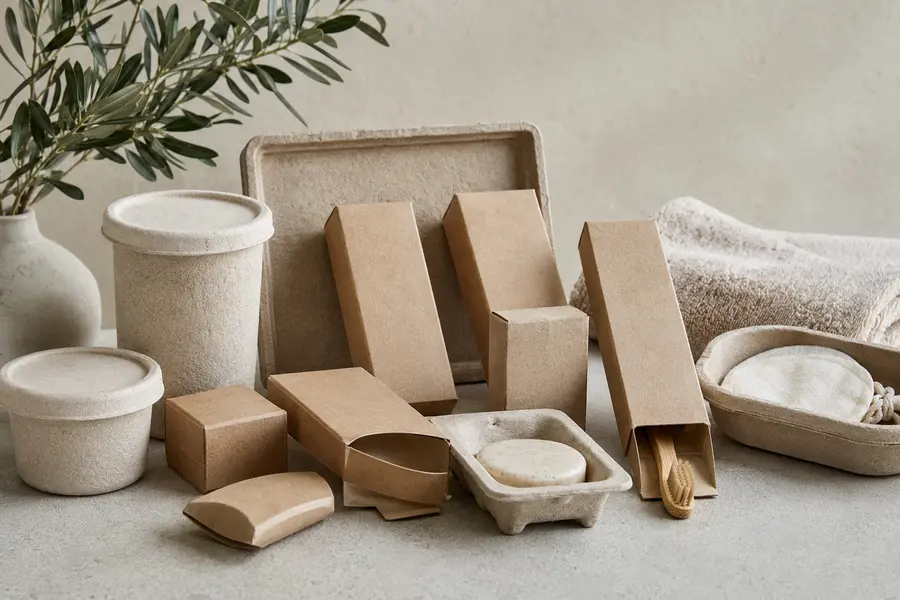
SustainablePaper Packaging · Recycled Plastics · Plant-Based Accessories
 23
Special Programs
23
Special ProgramsLogo Printing · Custom Packaging · Signature Fragrances
Try a broader amenity term or reset the program-area filter.
A clearer amenity sourcing workflow
Effective amenity sourcing aligns the property profile, formulas, packaging, dispenser strategy, quantities, samples, and delivery plan before production begins.

Property type, room count, service level, guest profile, brand position, budget range, and rollout date.
Select toiletries, kits, slippers, trays, dispensers, sustainable options, branding levels, and estimated quantities.
Compare fragrance, texture, packaging, pump performance, artwork, material claims, case packs, and room presentation.
Lock specifications, artwork, tolerances, quantities, master packs, lead times, shipment details, and replenishment rules.


Practical amenity specification toolkit
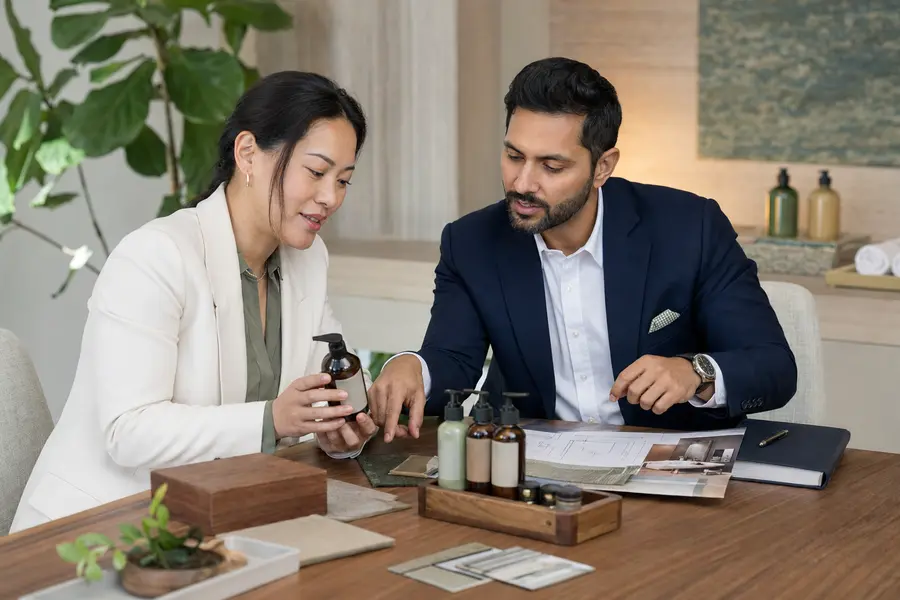
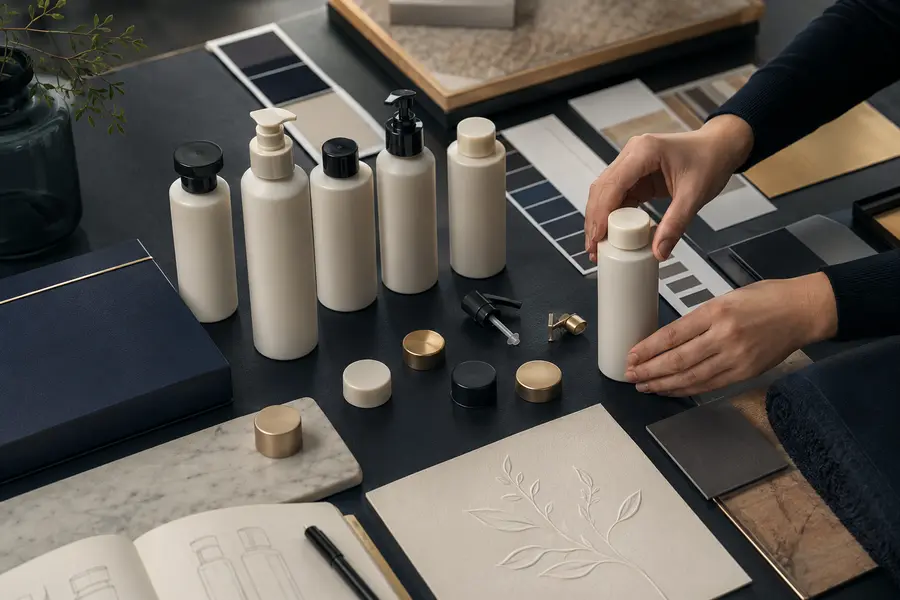
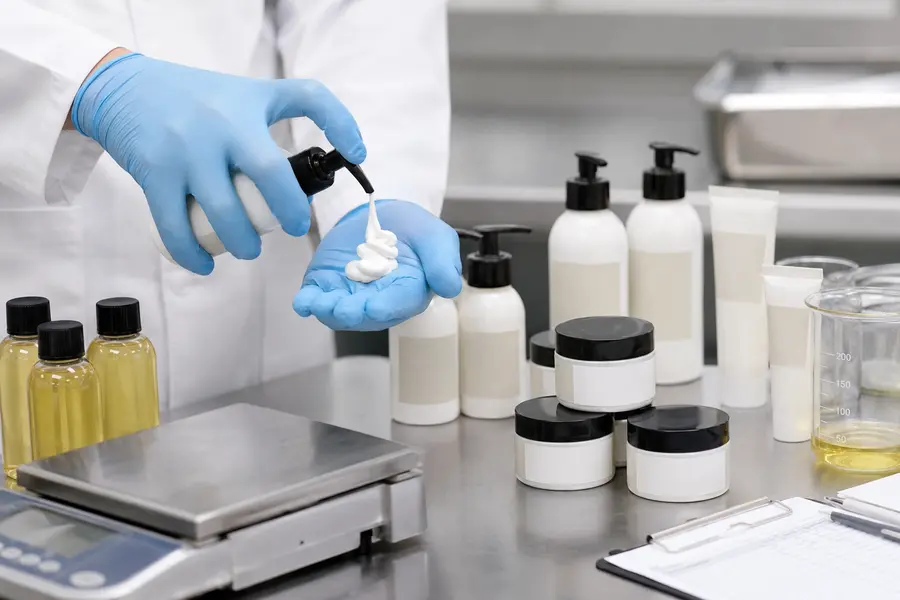
A useful quotation keeps product, packaging, operations, and logistics on the same commercial basis. Capture these requirements before supplier comparison.
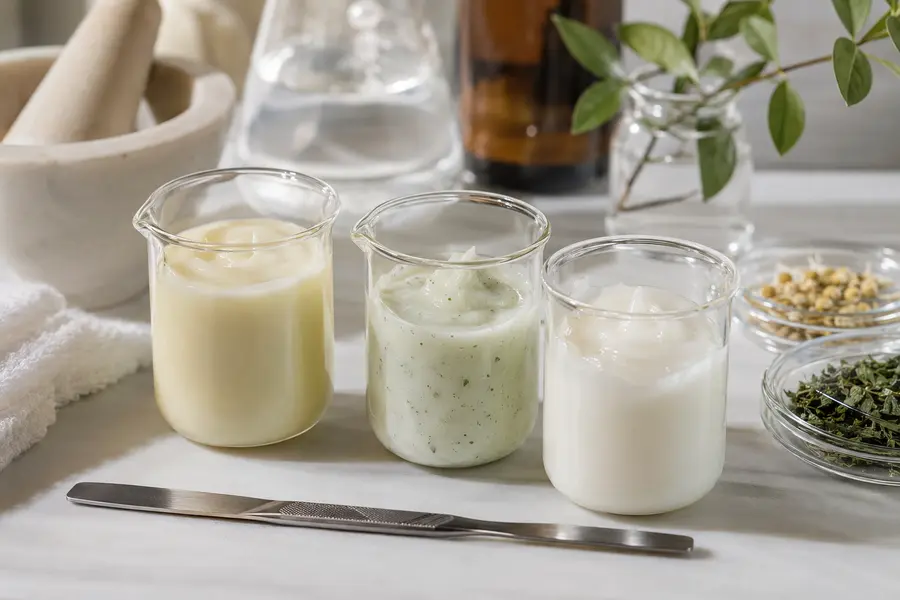
Define product type, fragrance direction, texture, ingredient exclusions, target positioning, fill volume, and any market-specific documentation.
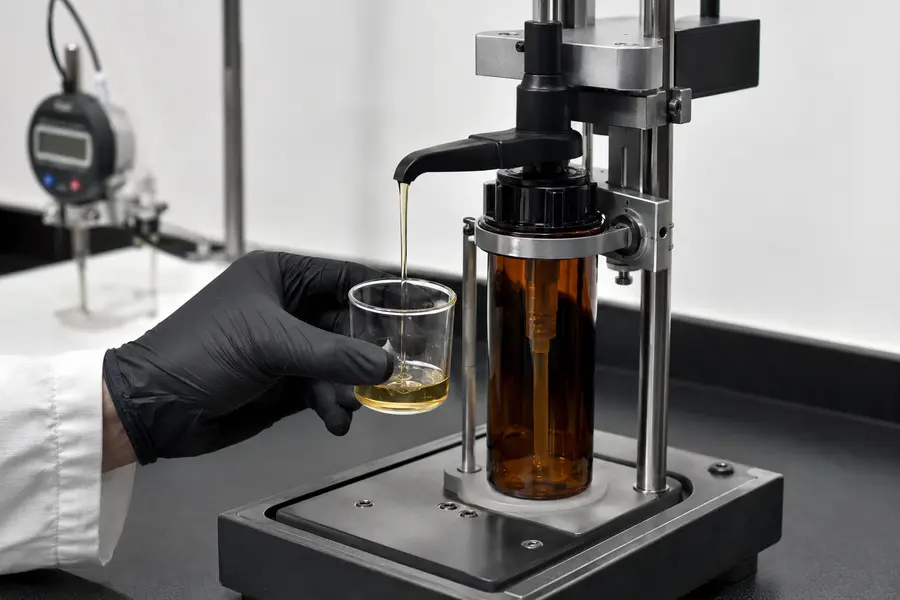
Buyer prompt: What should the guest experience, and what must the formula avoid?Record bottle or sachet size, closure, pump output, bracket dimensions, tamper controls, label area, drainage, cleaning access, and refill compatibility.
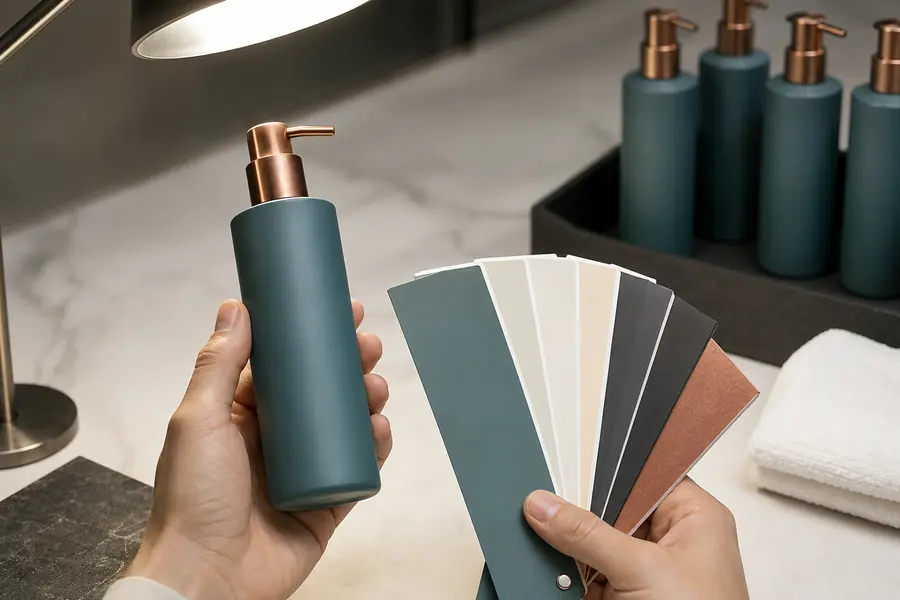
Buyer prompt: Will it fit the room, survive housekeeping, and dispense consistently?Define logo treatment, artwork files, print method, color references, finish, claim language, tolerance, mockup, sample, and pre-production approval stages.
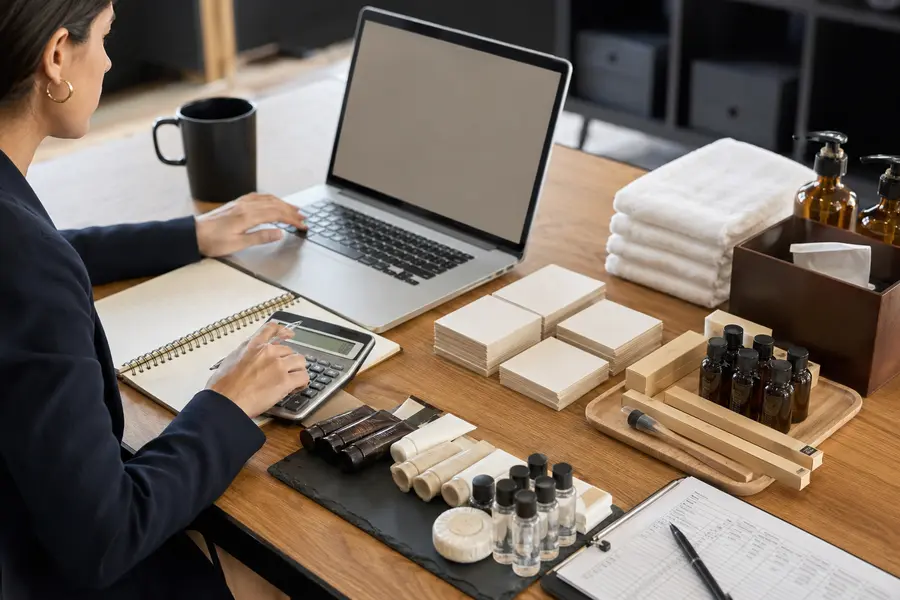
Buyer prompt: Which details must be physically approved before production?Estimate occupied-room consumption, replacement frequency, par level, MOQ, inner pack, master case, pallet plan, storage, destination, and phased delivery.
Buyer prompt: How many usable room nights does each case support?Purchase-order control
Small differences in fill volume, packaging material, color, pump, fragrance, or case pack can create a costly mismatch after production begins.
Request a specification-based quoteReceiving & batch control
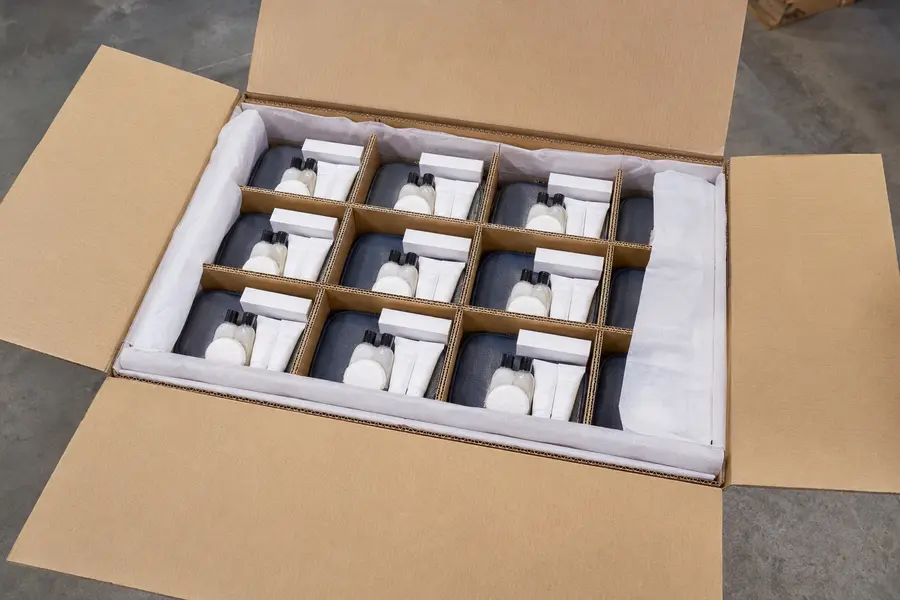
Give the receiving team the approved sample, artwork, purchase order, packing list, inspection priorities, and escalation route before cartons are distributed.
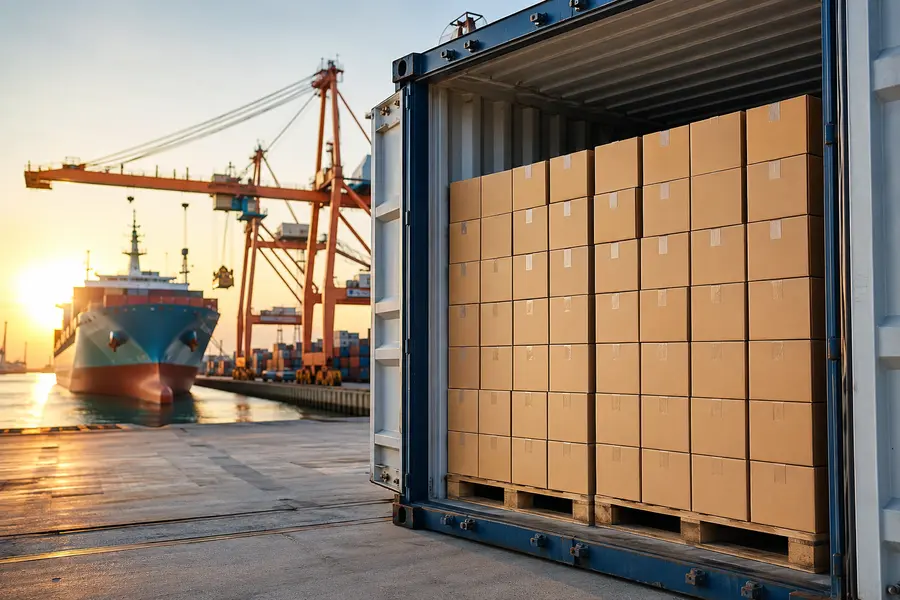
Photograph the load, pallet wrap, carton condition, labels, and any visible impact before unpacking.
Count cartons and compare SKU, batch, fragrance, fill size, kit contents, and quantities with the packing list and purchase order.
Note visible shortage or damage on the carrier delivery record before signing; avoid an unqualified clean receipt.
Separate affected goods, retain packaging and labels, and do not distribute or refill items awaiting claim instructions.
Send a documented claim packet promptly with order references, delivery record, photos, item numbers, quantities, and requested resolution.
Designed for hotel amenity buying teams
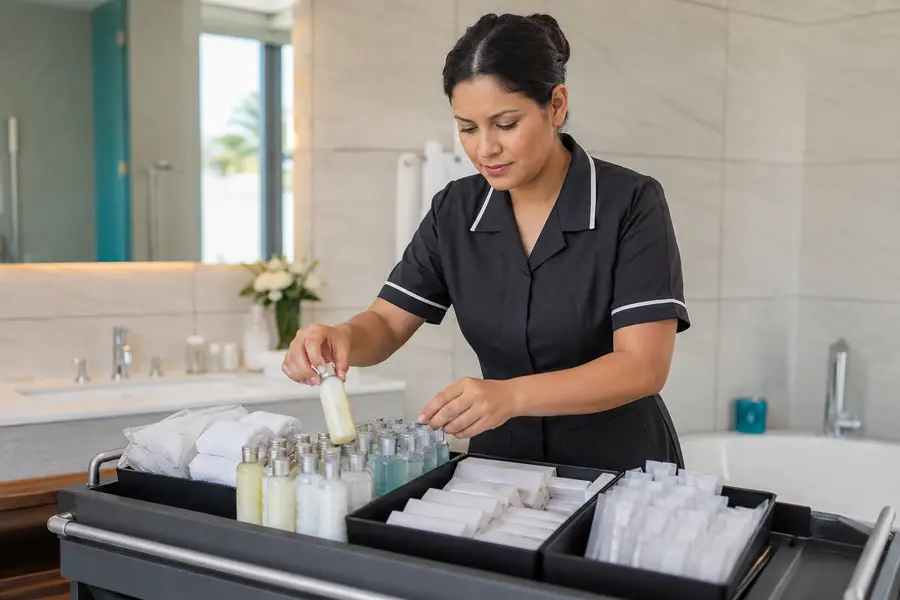
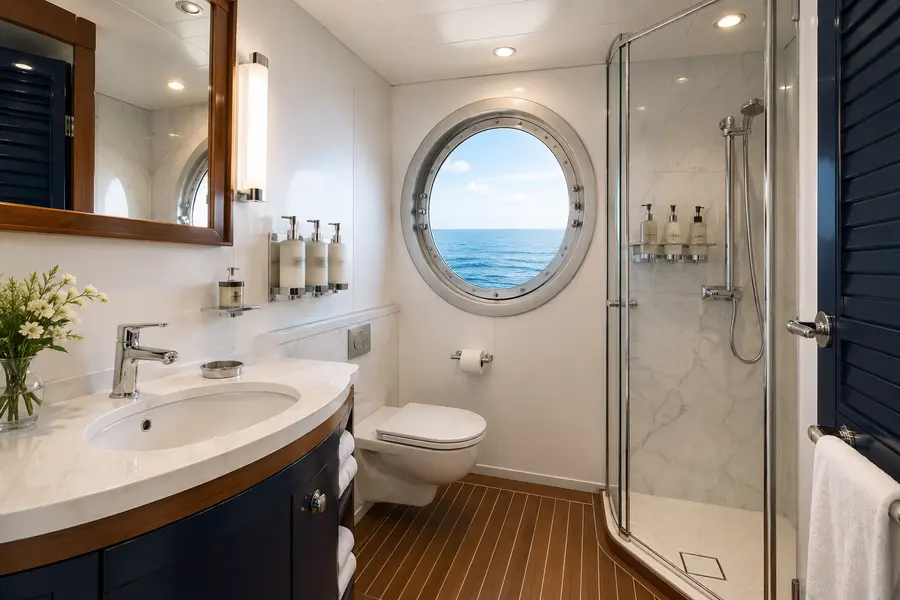
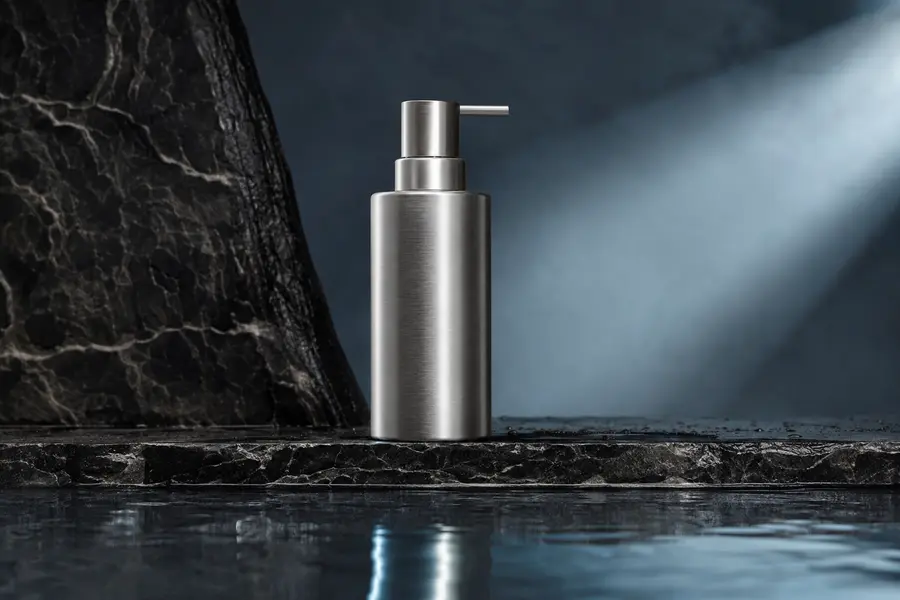
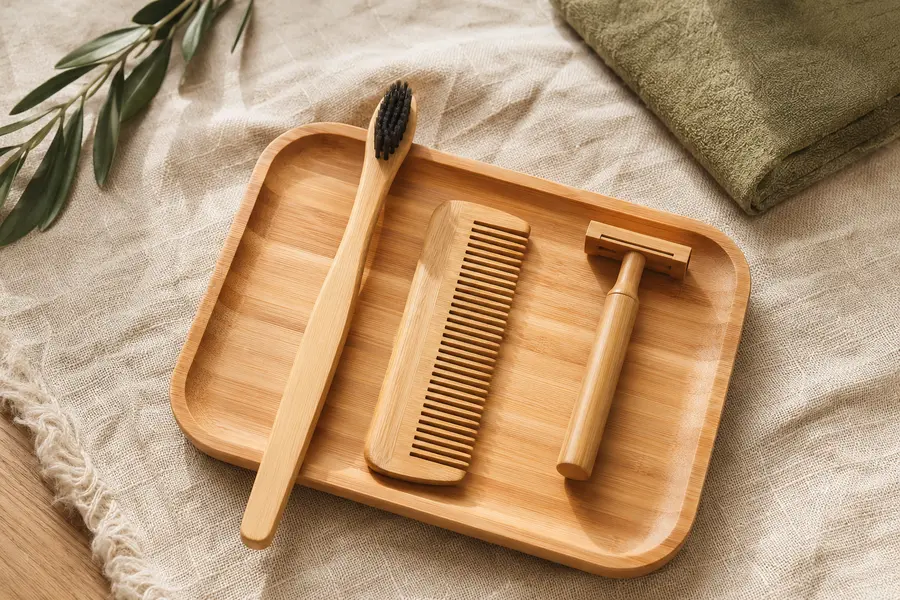
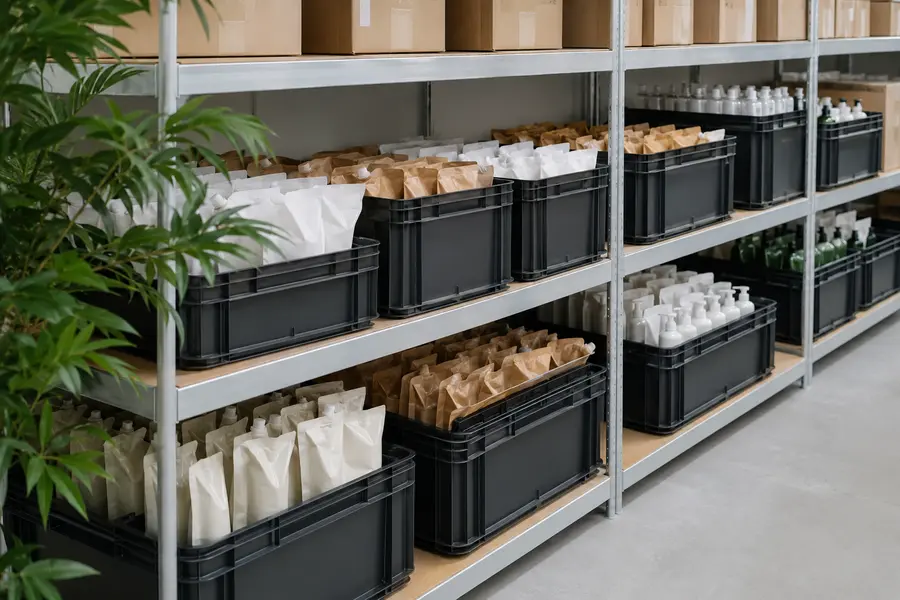
The directory connects brand presentation with daily replenishment, storage, dispensing, room turnaround, sustainability goals, and repeat ordering.
From shampoo and body care to grooming kits, slippers, dispensers, welcome sets, and private-label programs.
Use focused category pages to compare formula, fill size, packaging, material, pump, kit contents, and branding options.
Plan case packs, refill compatibility, housekeeping handling, storage, room presentation, and reorder consistency.
Connect every amenity card to a focused commercial page as the KW Hospitality category library grows.



Procurement questions
Use these starting points to define a more complete amenity request and shorten avoidable sample, artwork, and quotation cycles.
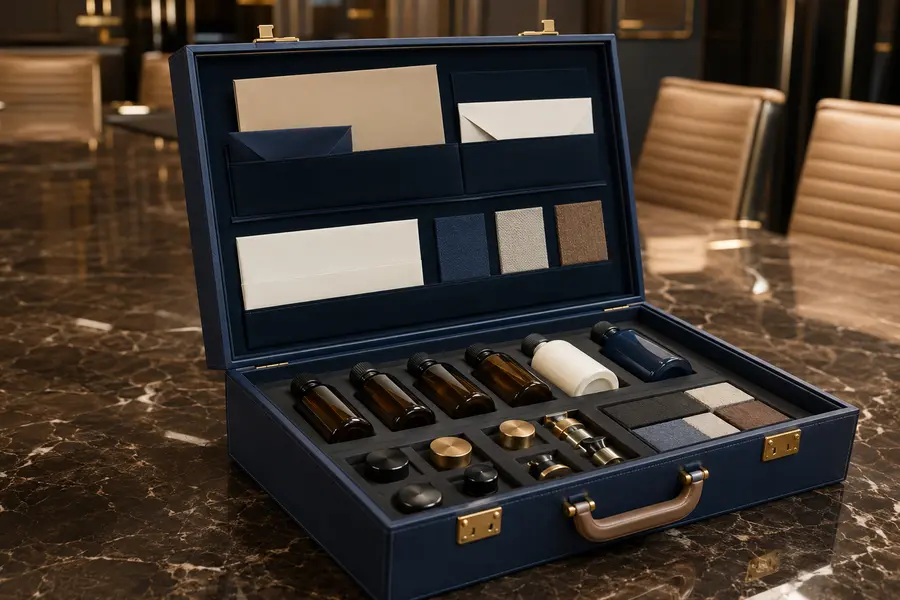
Include the property type and location, room count, required amenity categories, preferred formats and fill volumes, estimated quantities, branding level, dispenser or kit requirements, destination, target delivery date, and budget parameters.
Yes. A property may use refillable dispensers in standard rooms, miniature or premium formats in suites, and separate personal-care kits on request. Specify the room types, housekeeping process, and replenishment rules for each format.
Provide the existing bottle or cartridge dimensions, pump and bracket details, mounting pattern, dose output, tamper mechanism, formula compatibility, photos, and whether an exact match or an approved compatible system is acceptable.
Yes. The directory helps teams map bathroom toiletries, personal-care kits, slippers, trays, dispensers, children’s and VIP sets, and custom-branded items into room-type, pre-opening, and replenishment schedules.
Evaluate the complete use case: formula and packaging, material weight, recycled content, refill or reuse model, verified claims, product waste, transport density, local waste infrastructure, housekeeping workload, and total consumption.
A focused page can answer formula, size, packaging, dispenser, MOQ, branding, compliance, and replenishment questions that differ by category, while giving buyers a clearer next action.
Normalize each quote to the same formula, fill volume, pack material, component count, print method, MOQ, case pack, delivered quantity, freight basis, lead time, approval scope, and exclusions. Compare cost per usable item or occupied room night, not only the unit price.
Yes. Confirm the minimum order quantity, inner pack, master case, pallet quantity, and whether pricing is per piece, set, case, or room package. These details affect the true order quantity, storage need, freight, and cost per usable unit.
Yes. Define whether approval requires stock samples, fragrance or formula samples, artwork mockups, printed packaging, dispenser trials, or a pre-production sample. Record the approver, tolerance, deadline, and effect on lead time.
Lead time can depend on stock formula availability, custom fragrance work, packaging tooling, artwork approval, printed component production, MOQ, filling capacity, assembly, testing, export documents, freight, and phased delivery. Confirm exactly when the quoted clock begins.
Many amenity families allow logo printing, custom labels, packaging structures, colors, fragrances, kit contents, embroidery, or molded details. Confirm minimums, setup or tooling charges, artwork requirements, color tolerance, sample approvals, lead time, and reorder consistency.
Confirm dispenser capacity, pump dose, mounting, tamper resistance, refill compatibility, batch control, cleaning access, labeling, housekeeping training, refill storage, consumption tracking, and a documented response for leaks, blockages, or damaged pumps.
Identify destination-market and property requirements before sourcing. Request documents that apply to the exact formula, batch, packaging, and claim language, and retain current specifications, ingredient information, safety data where applicable, test evidence, and approved artwork with project records.
Separate mock-room, training, pre-opening fill, opening stock, and replenishment quantities. Align deliveries with storage capacity, room readiness, housekeeping setup, inspection time, property labeling, and the opening-date buffer.
Photograph the shipment before and during unpacking, count cartons, note visible damage or shortage on the carrier record before signing, retain packaging and labels, isolate affected goods, and submit the order references, photos, delivery documents, item numbers, quantities, and requested resolution promptly.
Responsibility depends on the quoted commercial and delivery terms. Before ordering, identify who books freight, pays duties and taxes, arranges customs clearance, schedules appointments, supplies liftgate or dock service, unloads, moves goods inside, removes packaging, and carries risk at each handoff.
Confirm spare pumps, brackets, keys, labels, replacement bottles or cartridges, cleaning instructions, warranty scope, claim contact, compatibility across future refills, and the support plan if a component is revised or discontinued.
Compare the substitute against every mandatory requirement: formula profile, ingredients, fragrance, fill volume, packaging, color, print, pump or kit components, certifications, case pack, room presentation, refill compatibility, lead time, and total delivered cost. Approve every deviation before the purchase order changes.
Direct contact
Choose the office and channel that work best for your amenity program. Both teams can help with categories, samples, customization, quotation, production, and delivery questions.
+1 514 907 1637
+86 155 2127 1637
Your amenity sourcing brief starts here
Share the property type, room count, categories, formats, branding level, quantities, destination, and target delivery date for a more useful first quotation.