
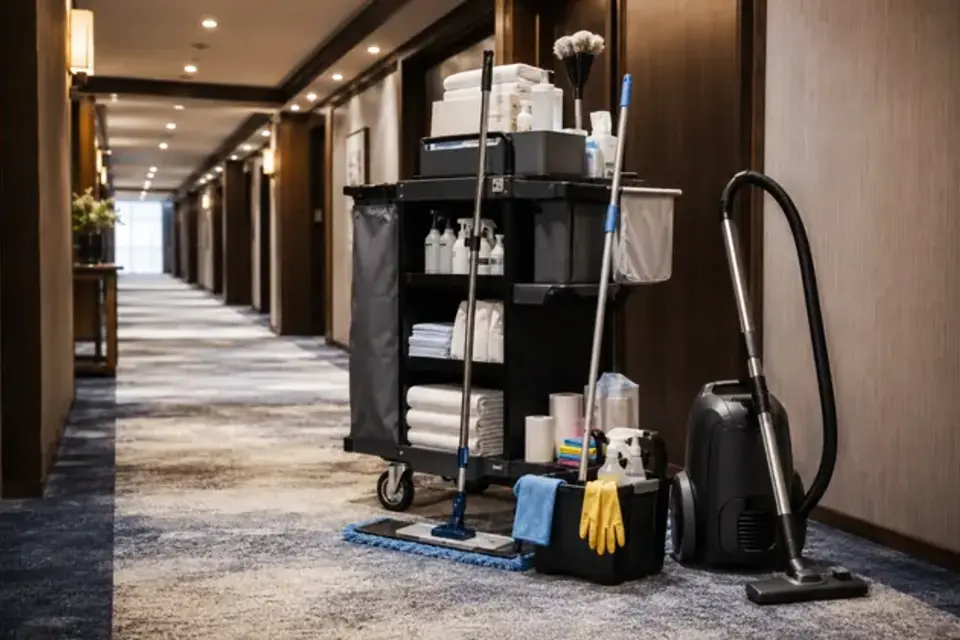
Opening & Pre-Opening
Build floor-by-floor opening quantities, cart par levels, floor-care equipment lists, storage plans, and training-ready tool sets.
Commercial housekeeping procurement, simplified
Source commercial carts, floor-care equipment, cleaning tools, machines, safety supplies, and control essentials through one organized procurement path.
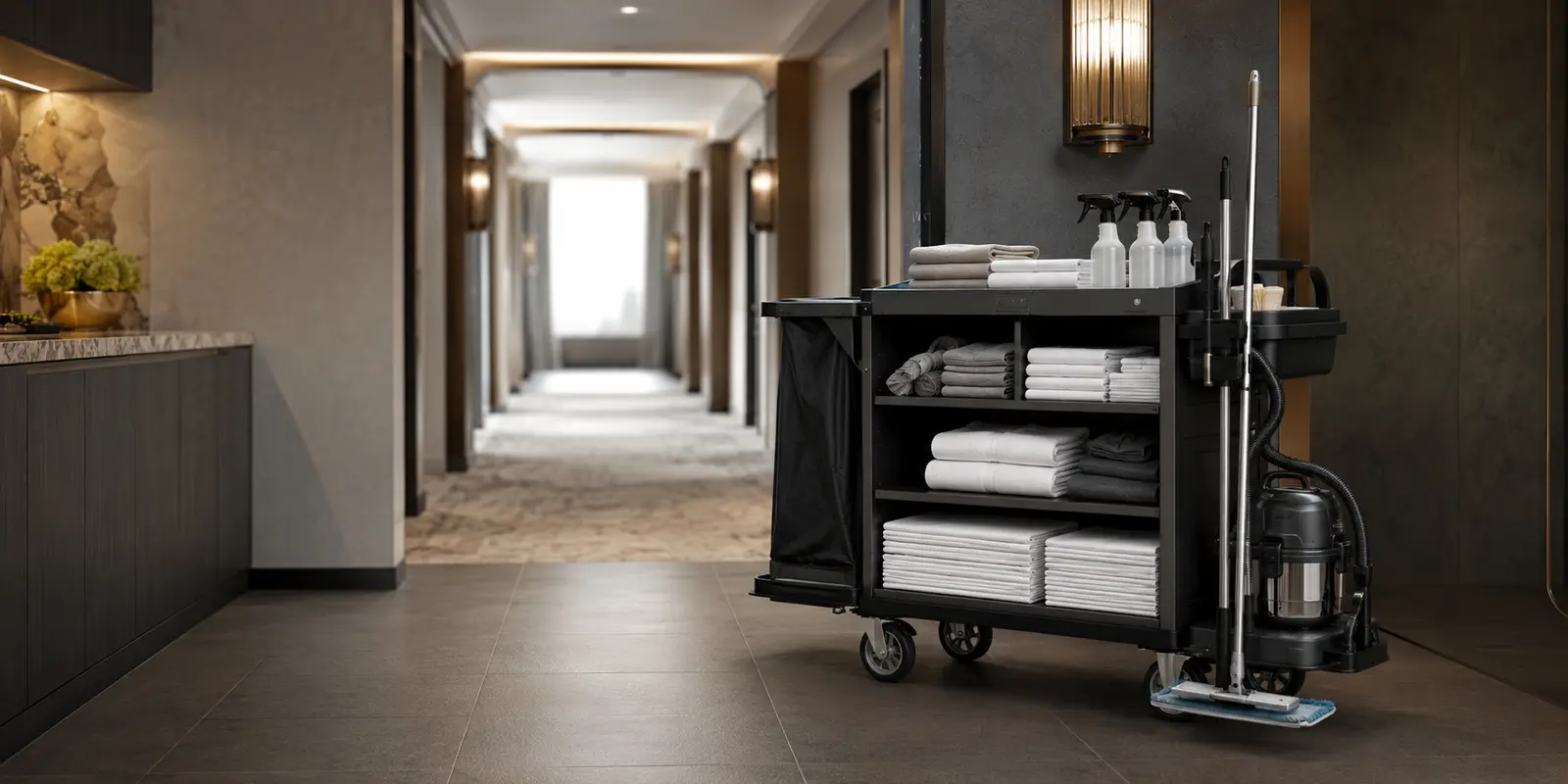
Start with the operating requirement
Begin with the cleaning task and operating environment, then define the capacity, ergonomics, materials, machine requirements, consumables, and replacement plan.
Build floor-by-floor opening quantities, cart par levels, floor-care equipment lists, storage plans, and training-ready tool sets.
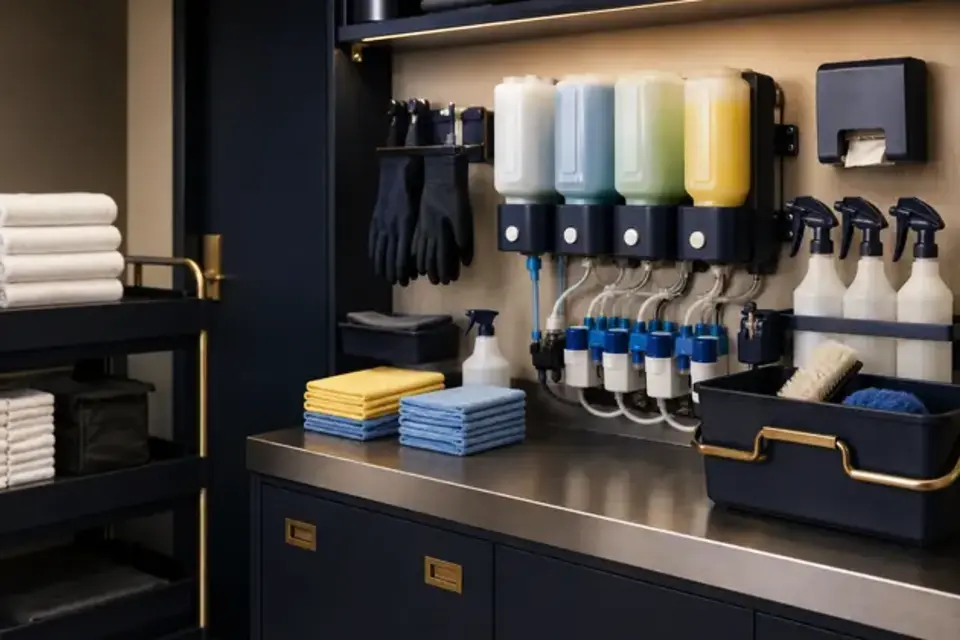
Align tool colors, cart layouts, machine fleets, chemical dispensing, PPE, and inspection routines across teams or properties.
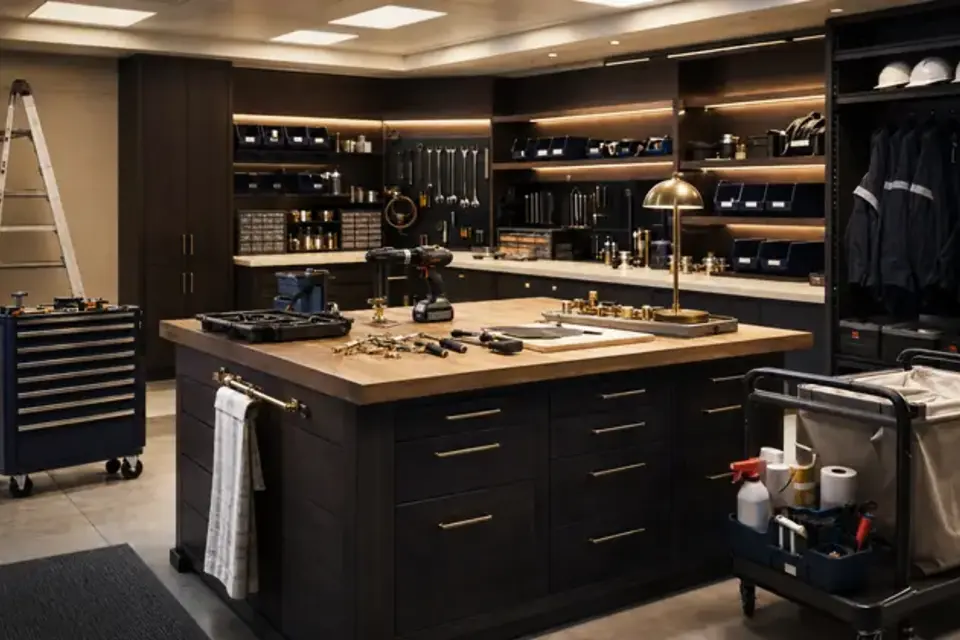
Compare replacement dimensions, compatible consumables, batteries, wear parts, warranty, serviceability, and lifecycle cost.
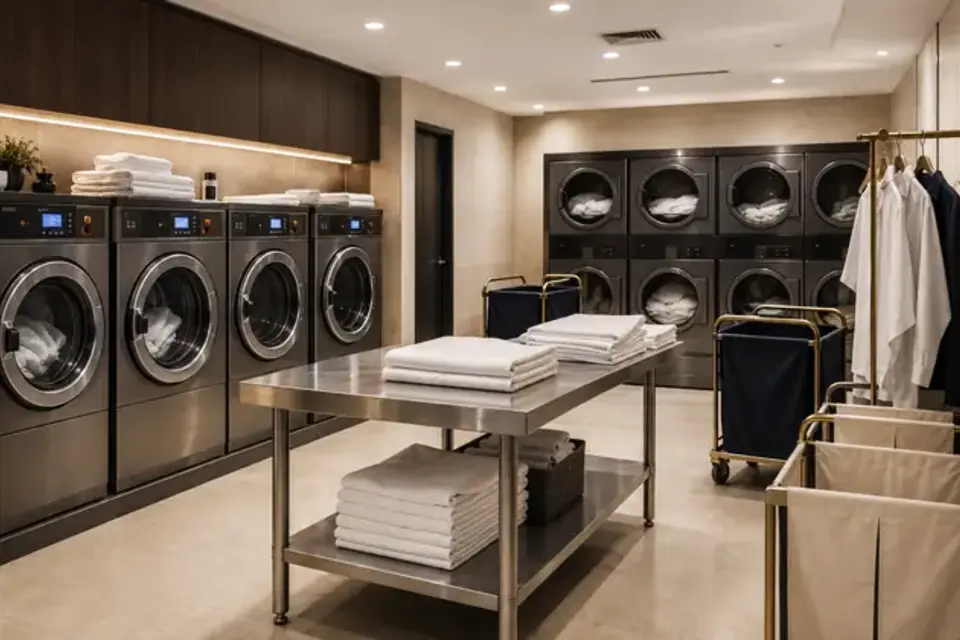
Create approved specifications, standard cart configurations, spare-parts lists, and replenishment rules that can scale across locations.
Complete housekeeping product directory
Search the full housekeeping directory or narrow it by operational group. Each card can connect to its own focused landing page when you add the destination URL.



Showing all 25 categories
 01
Carts
01
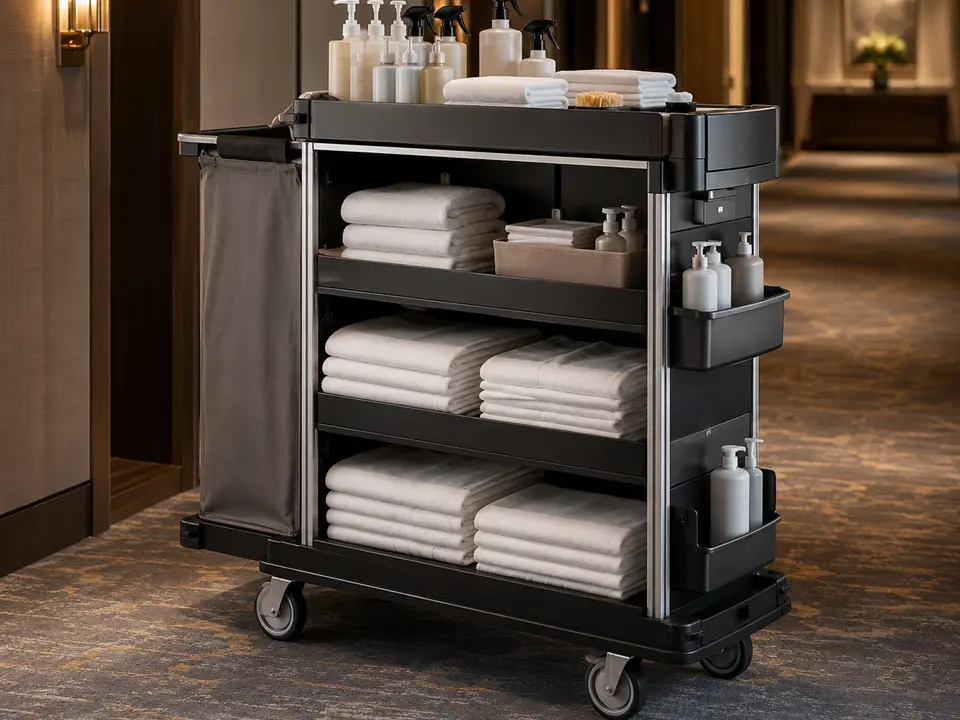
CartsFull-Size Service Carts · Compact Housekeeping Carts · Locking Modular Carts
 02
Carts
02
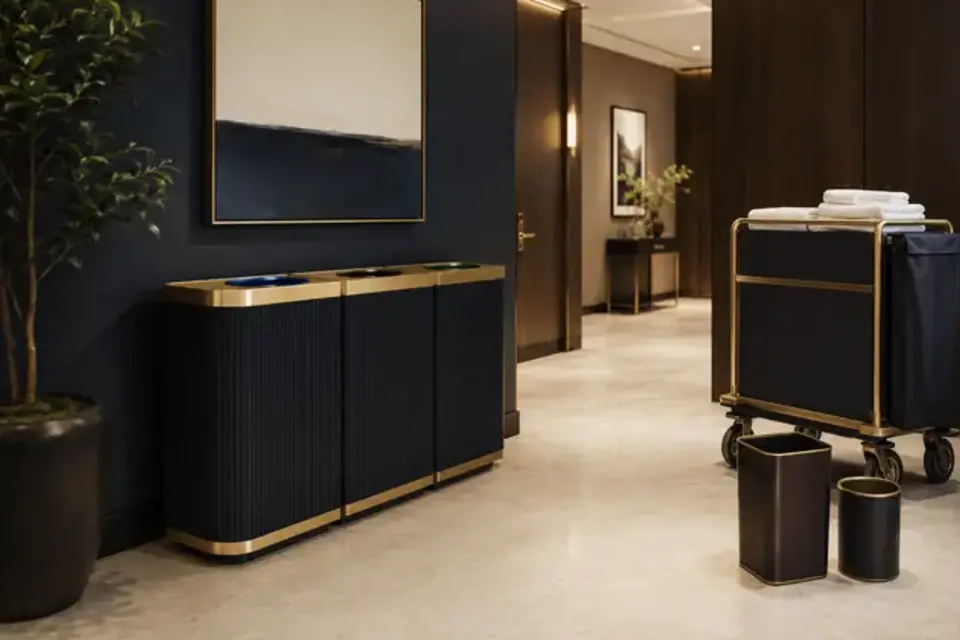
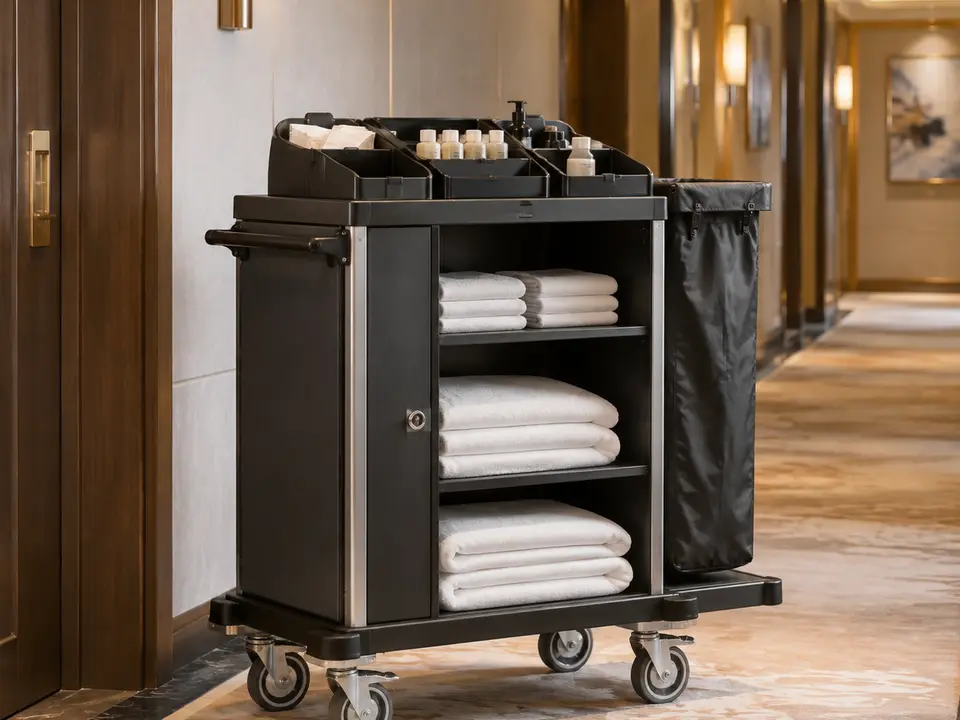
CartsGuestroom Service Carts · Narrow-Floor Carts · Amenity Refill Carts
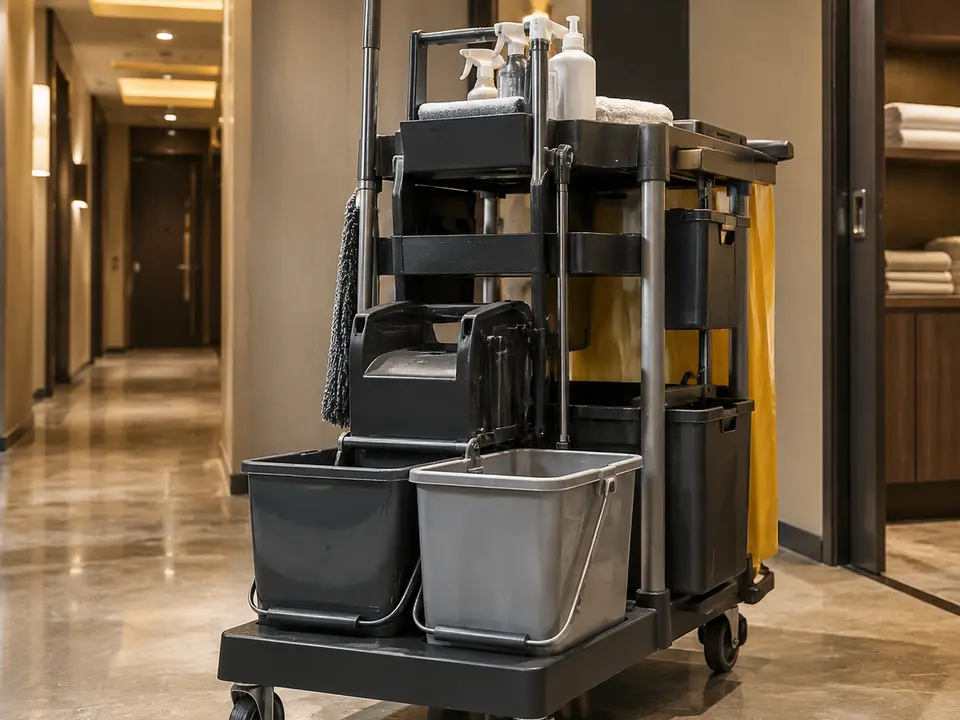 03
Carts
03
CartsMop & Bucket Carts · Waste-Collection Carts · Locking Supply Carts
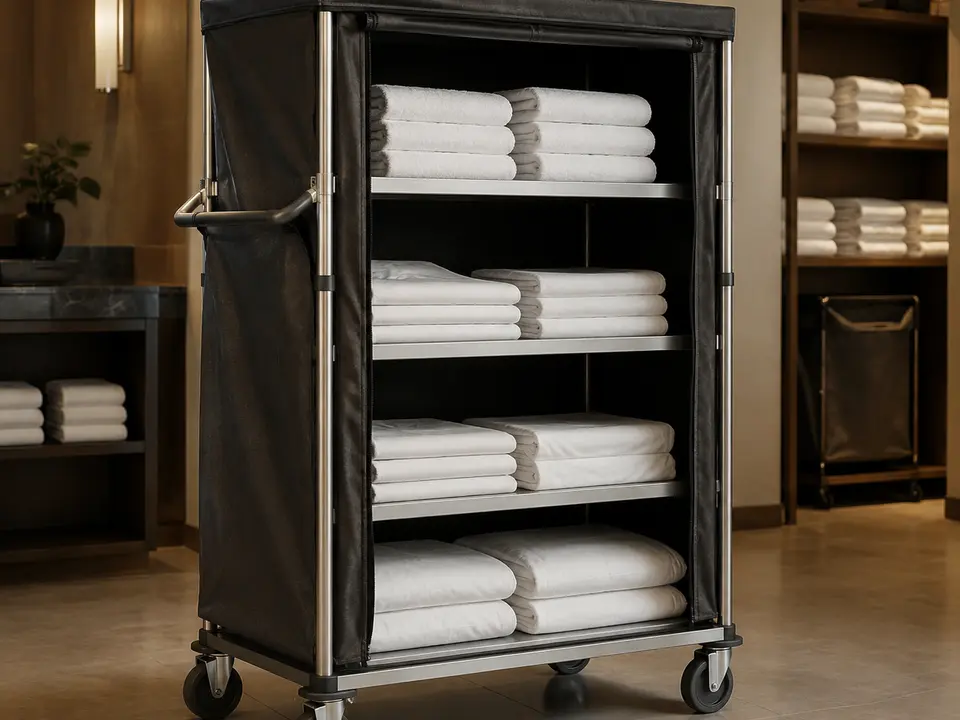 04
Carts
04
CartsOpen-Shelf Linen Carts · Enclosed Linen Carts · Linen Exchange Carts
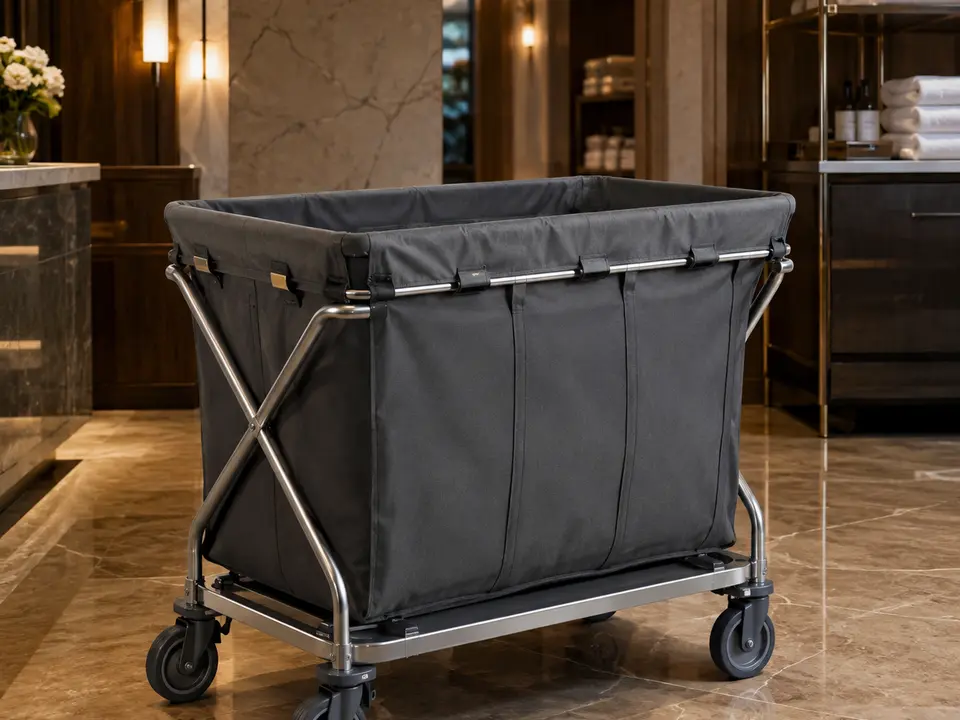 05
Carts
05
CartsCanvas Laundry Carts · Bulk Laundry Trucks · Spring-Platform Carts
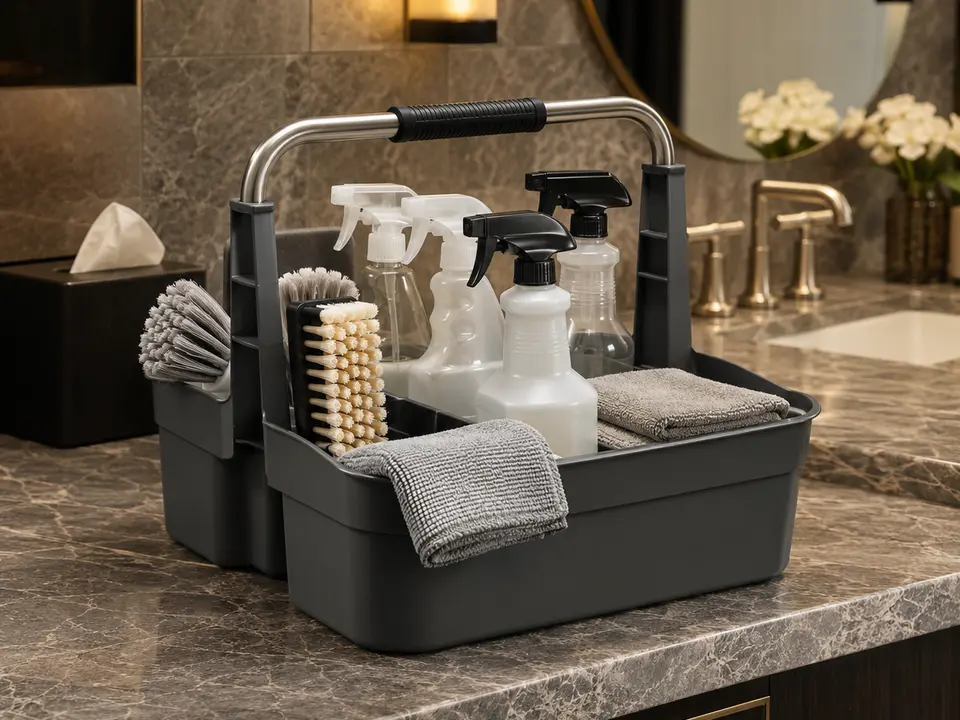 06
Hand Tools
06
Hand ToolsPortable Cleaning Caddies · Bucket Caddies · Compartment Caddies
 07
Floor Care
07
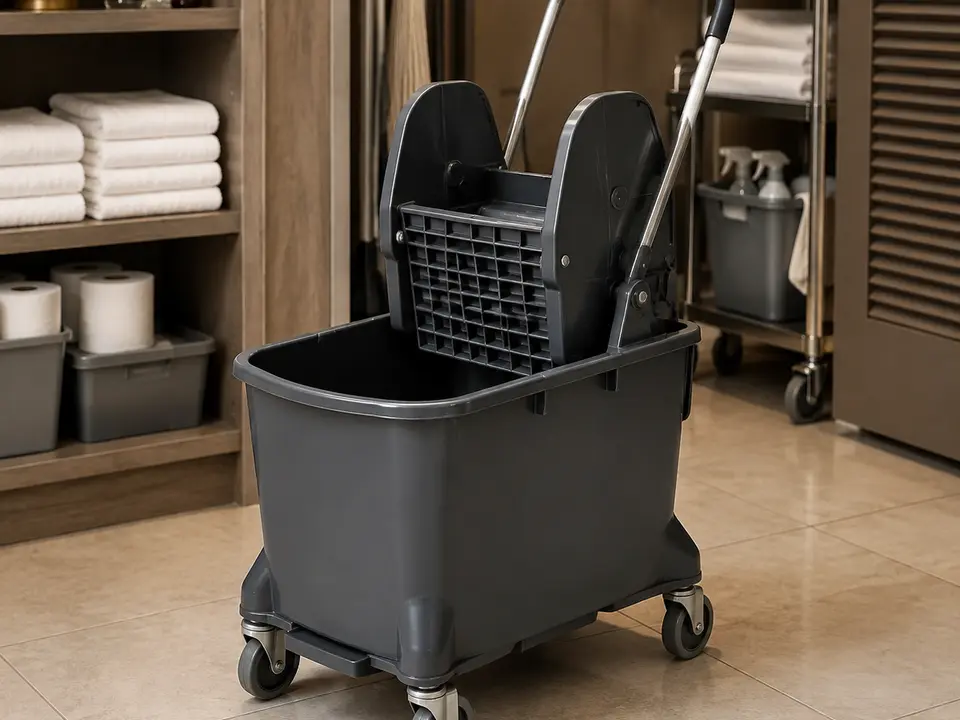
Floor CareSide-Press Wringers · Down-Press Wringers · Dual-Bucket Systems
 08
Floor Care
08
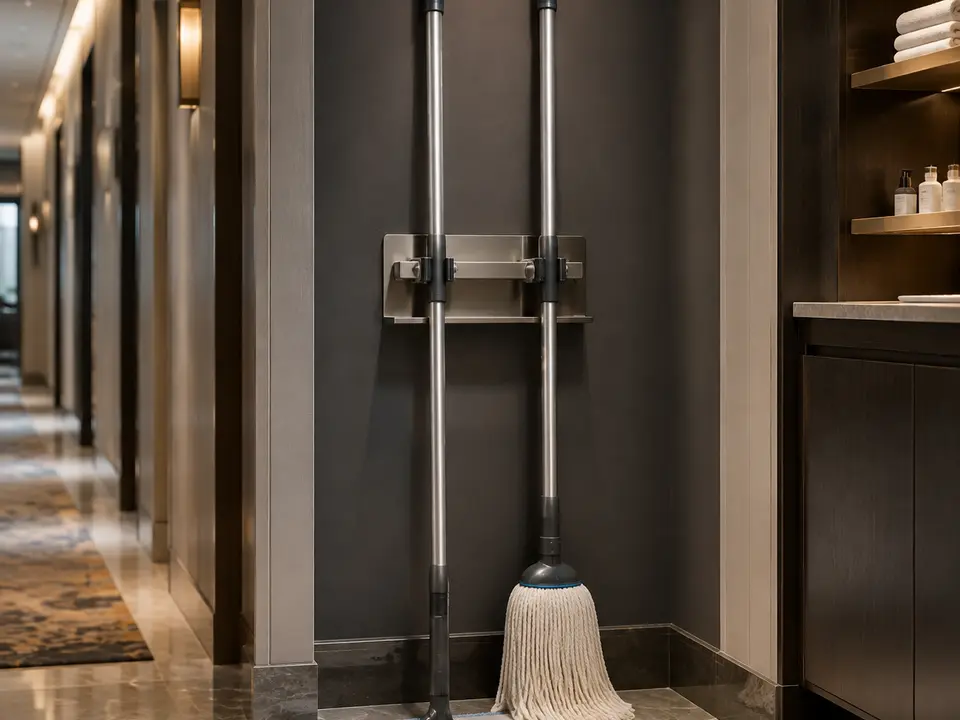
Floor CareFlat Wet Mops · Microfiber Dust Mops · Looped-End Wet Mops
 09
Hand Tools
09
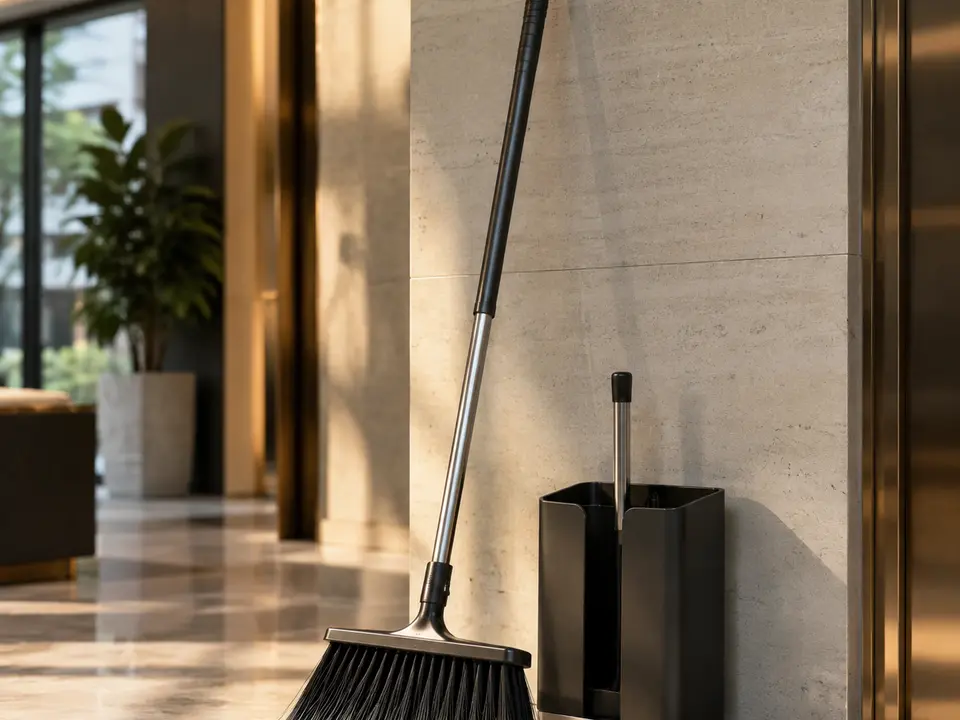
Hand ToolsLobby Brooms · Push Brooms · Angle Brooms
 10
Hand Tools
10
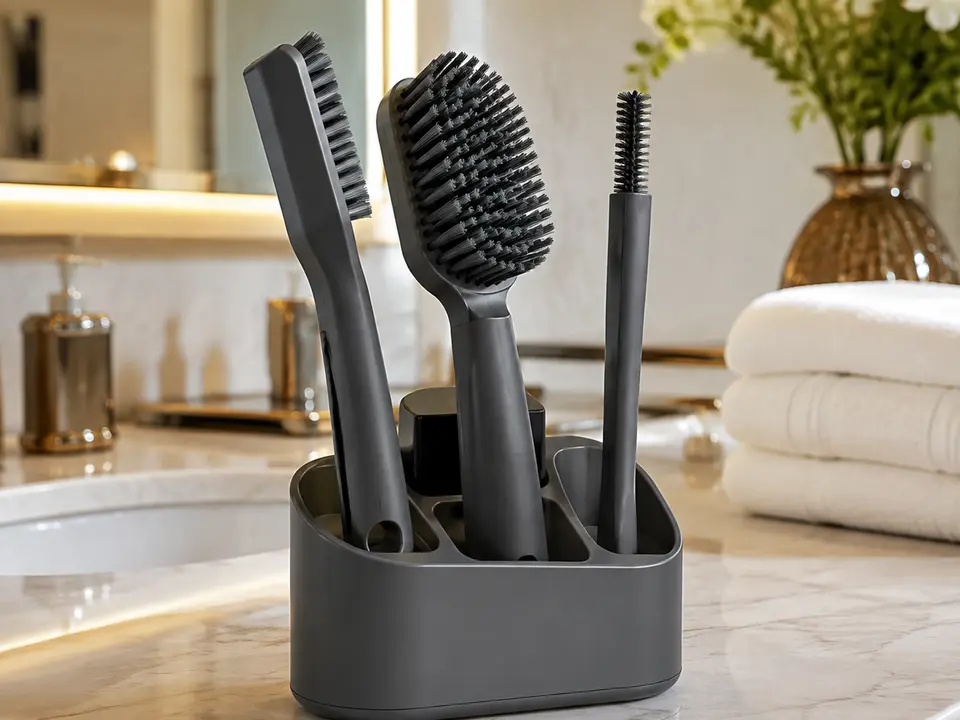
Hand ToolsScrub Brushes · Grout Brushes · Long-Handle Brushes
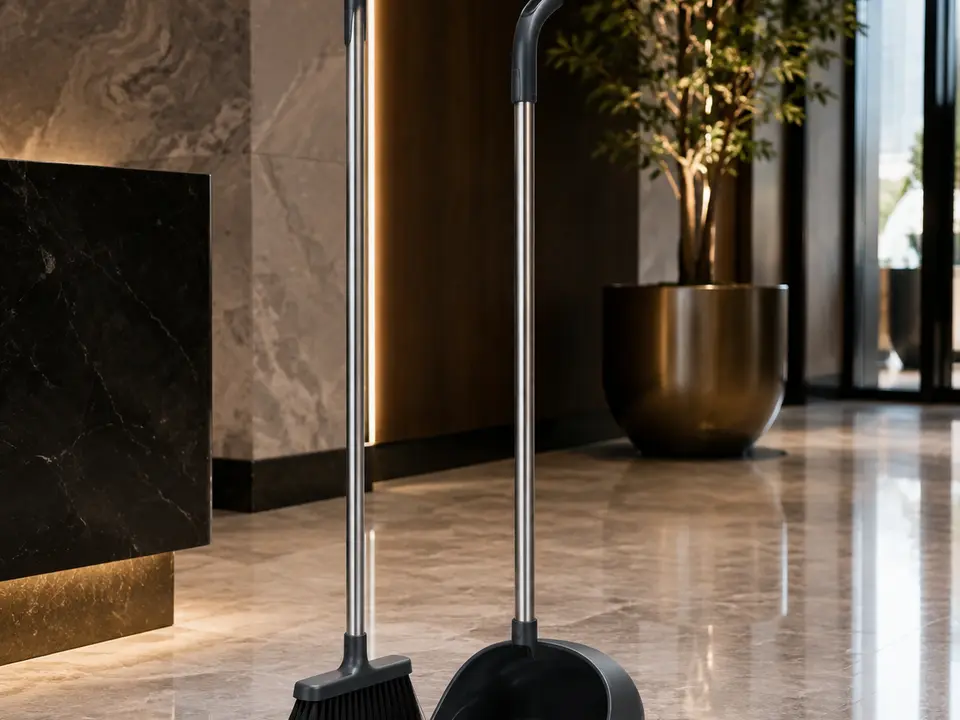 11
Hand Tools
11
Hand ToolsLobby Dustpans · Handheld Dustpans · Enclosed Dustpans
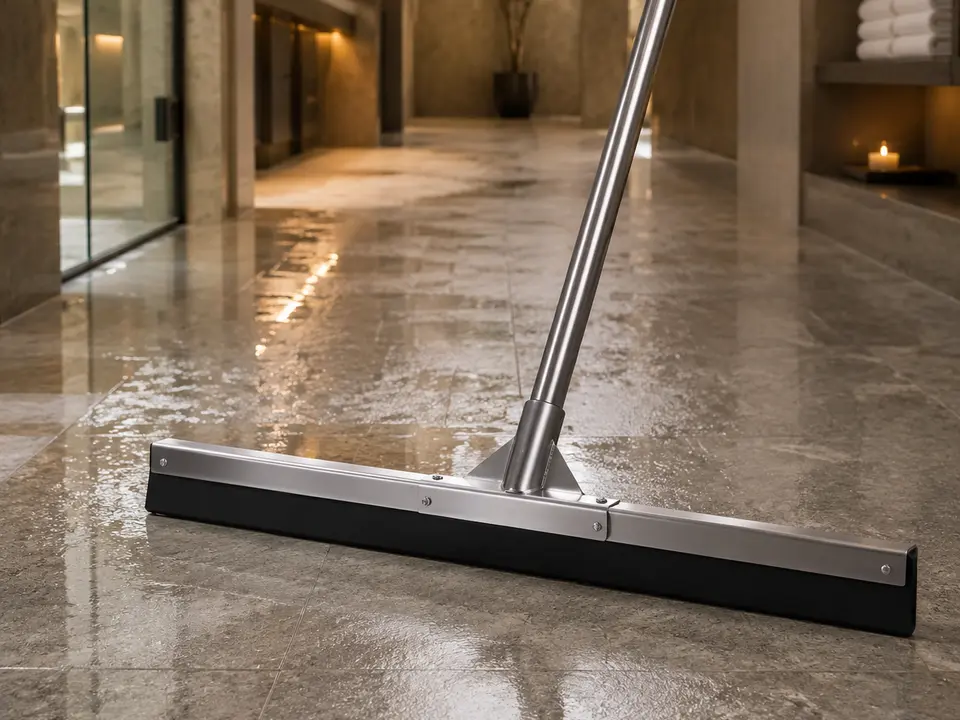 12
Floor Care
12
Floor CareRubber Floor Squeegees · Foam Squeegees · Sanitary Squeegees
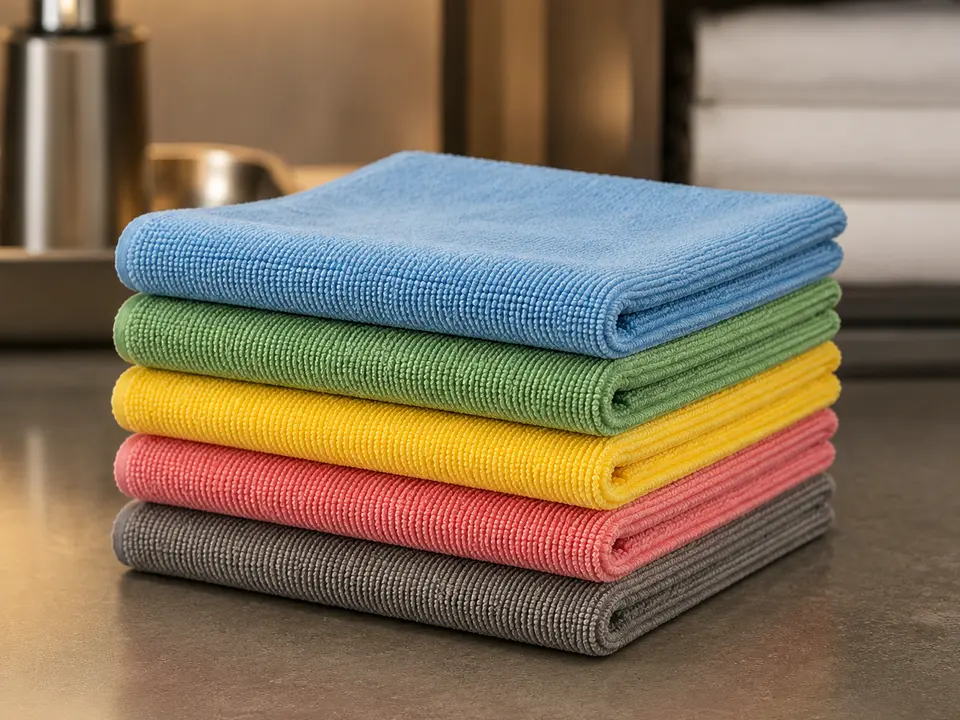 13
Hand Tools
13
Hand ToolsGeneral-Purpose Cloths · Glass Cloths · Color-Coded Cloths
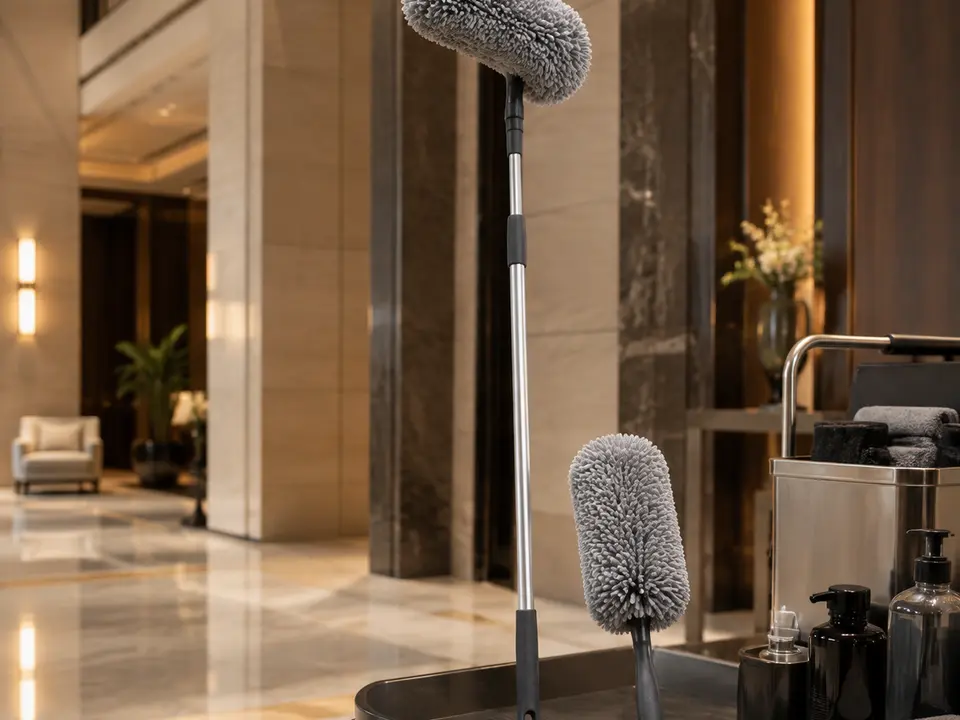 14
Hand Tools
14
Hand ToolsHand Dusters · Telescopic Dusters · High-Reach Dusters
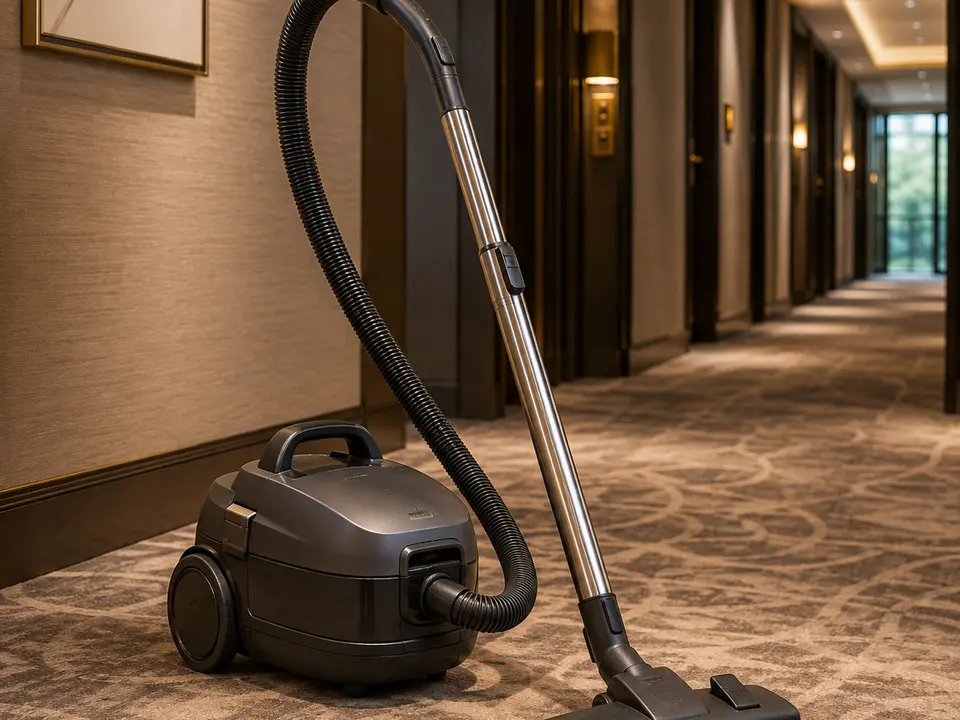 15
Machines
15
MachinesUpright Vacuums · Canister Vacuums · Backpack Vacuums
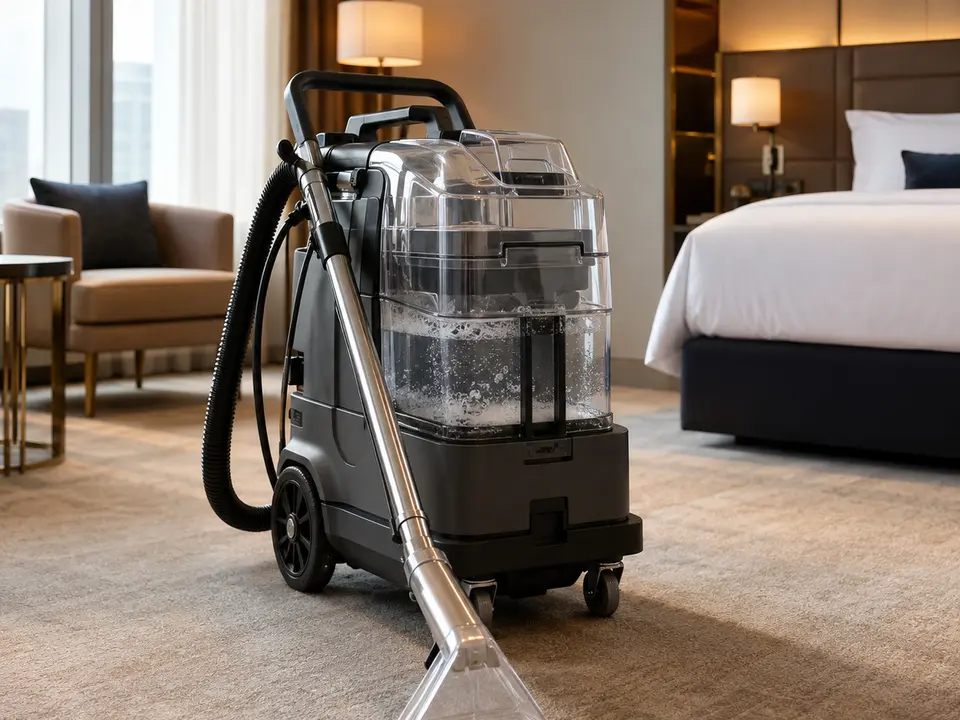 16
Machines
16
MachinesWalk-Behind Extractors · Spot Extractors · Extraction Wands
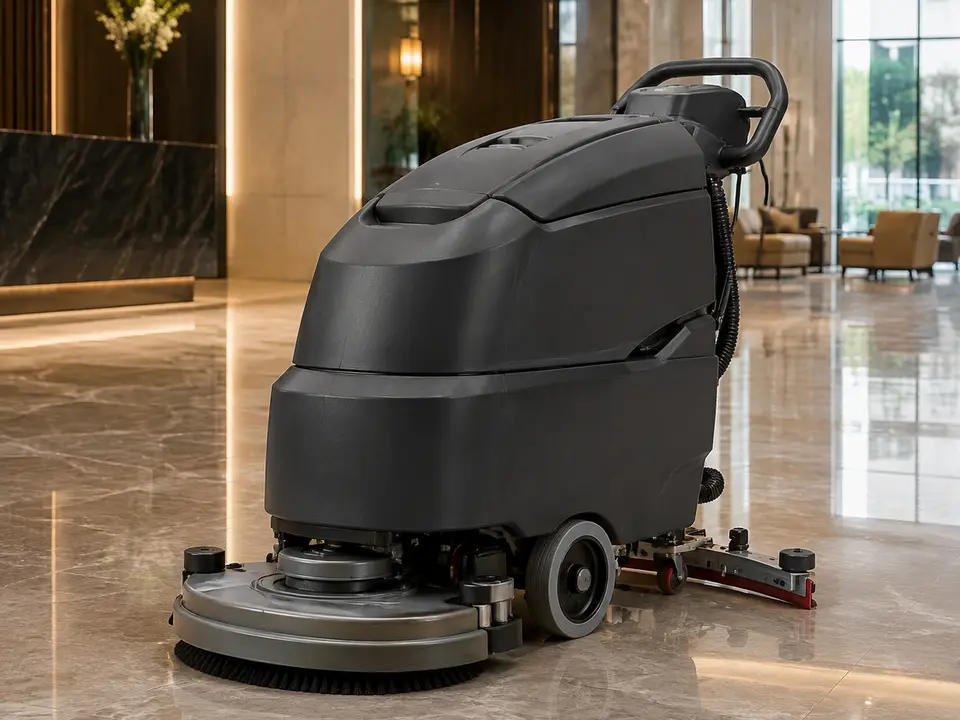 17
Machines
17
MachinesWalk-Behind Scrubbers · Single-Disc Machines · Floor Burnishers
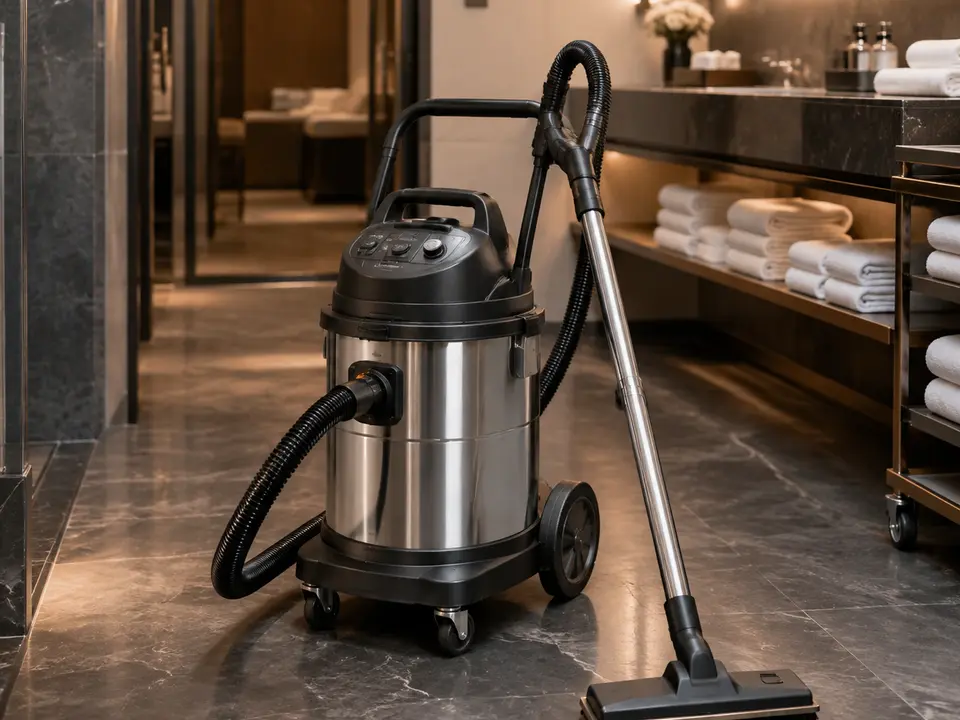 18
Machines
18
MachinesCanister Steam Cleaners · Dry-Vapor Systems · Upholstery Steam Tools
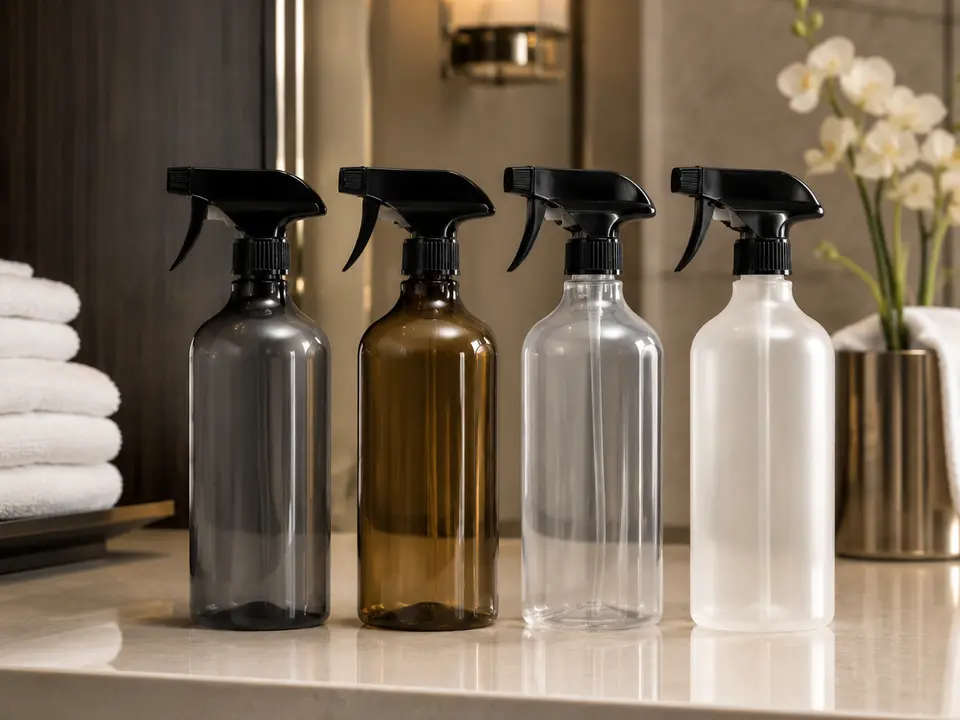 19
Safety & Storage
19
Safety & StorageTrigger Sprayers · Foaming Sprayers · Chemical-Resistant Bottles
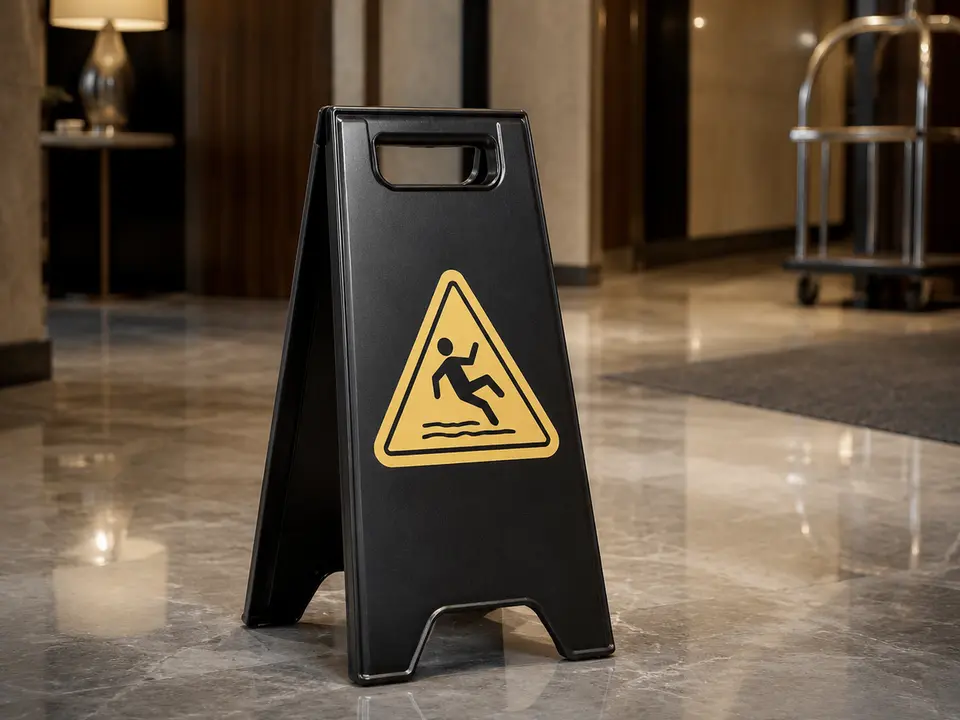 20
Safety & Storage
20
Safety & StorageFolding Floor Signs · Safety Cones · Portable Barricades
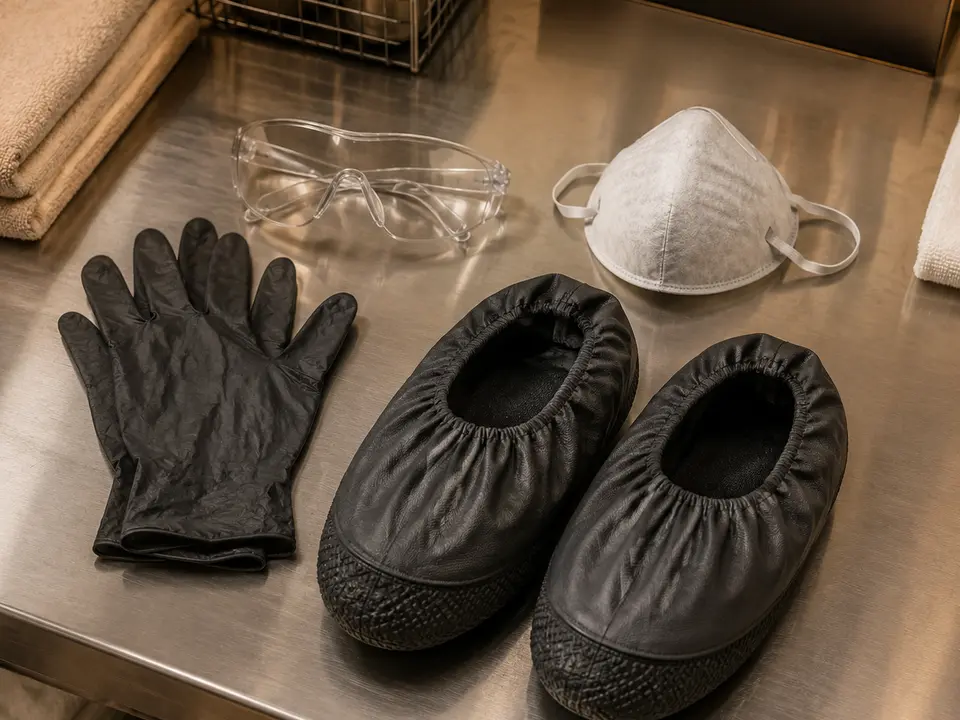 21
Safety & Storage
21
Safety & StorageProtective Gloves · Safety Glasses · Protective Masks
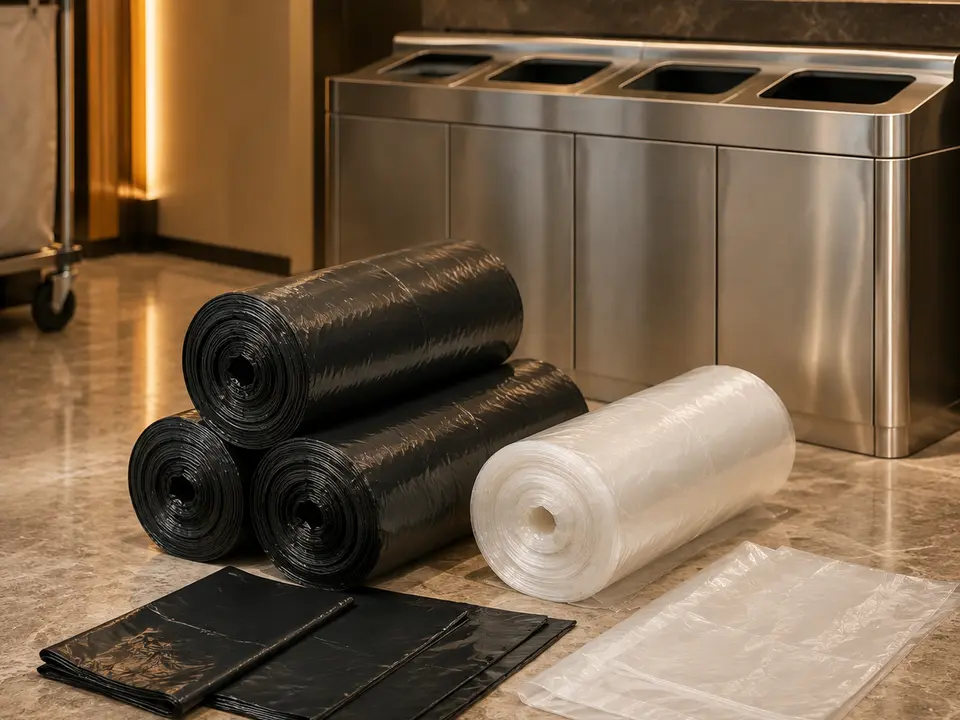 22
Safety & Storage
22
Safety & StorageHeavy-Duty Liners · Clear Can Liners · Compostable Liners
 23
Safety & Storage
23
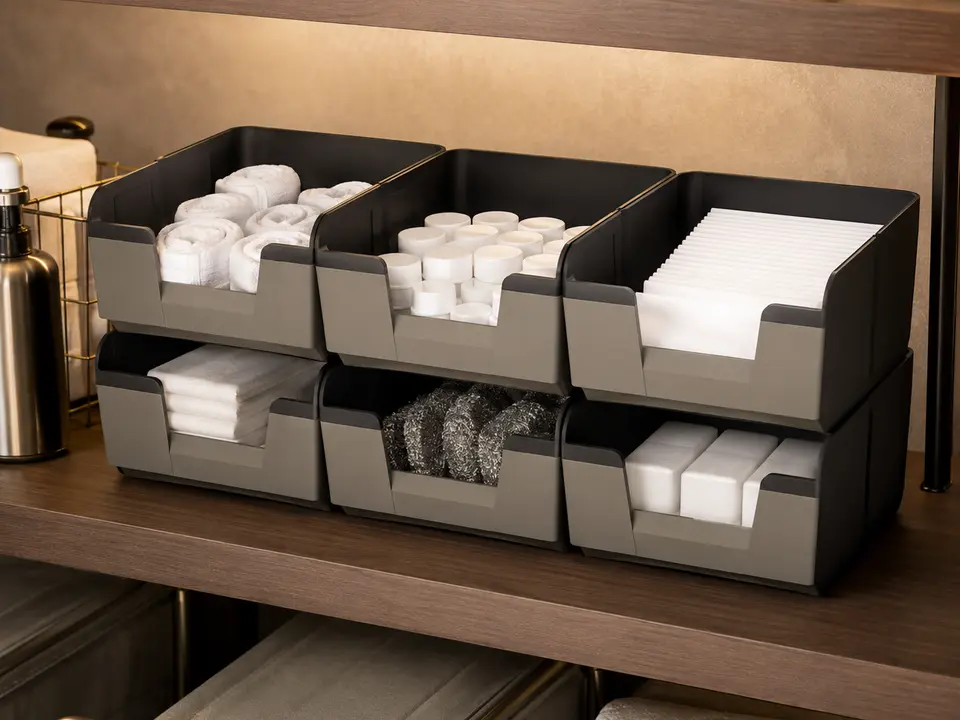
Safety & StorageStackable Bins · Compartment Bins · Shelf Bins
 24
Safety & Storage
24
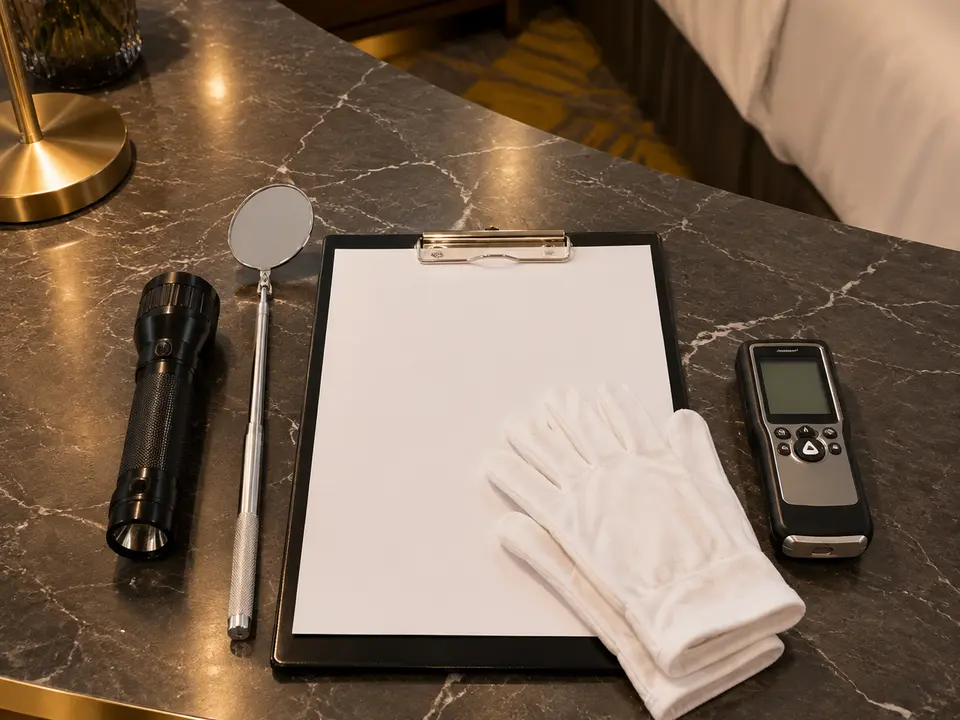
Safety & StorageInspection Flashlights · Inspection Mirrors · Measuring Tools
 25
Safety & Storage
25
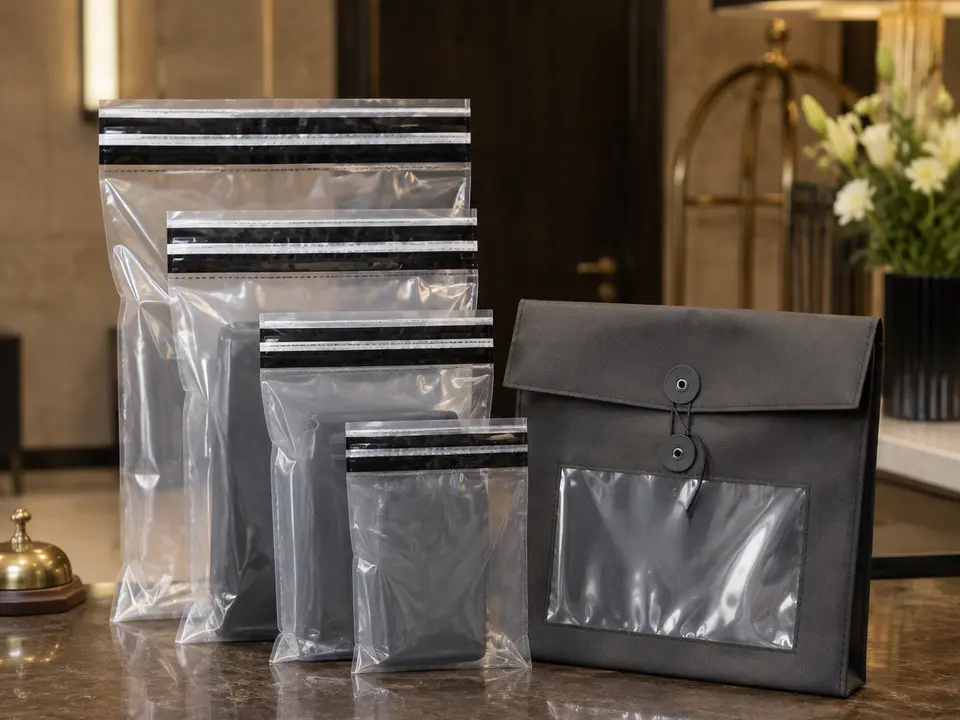
Safety & StorageTamper-Evident Bags · Property Pouches · Secure Document Bags
Try a broader product term or reset the procurement-area filter.
A clearer housekeeping sourcing workflow
Effective housekeeping procurement starts with task frequency, surfaces, floor area, room count, labor flow, storage, hygiene controls, machine access, and replenishment—not a generic list of tools.

Property type, room count, public areas, shifts, occupancy pattern, floor area, surface types, and required service frequency.
Door and elevator widths, storage footprint, noise limits, battery runtime, utility access, ergonomics, color coding, and PPE requirements.
Review cart layouts, tool compatibility, machine productivity, consumables, wear parts, warranty, service access, and lifecycle cost.
Confirm samples, quantities, labeling, staff training, spares, phased delivery, inspection, and reorder information before release.
Practical housekeeping buyer toolkit
Equivalent quotes require the same workload, capacity, material, ergonomics, accessories, consumables, warranty, and delivery basis. Record these requirements before suppliers propose models.
State the cleaning task, surface or textile, soil level, area, rooms per shift, use frequency, hygiene protocol, and acceptable result.
Buyer prompt: What must this product accomplish on every shift?Record cart and machine dimensions, door and elevator limits, turning space, storage footprint, handle range, push force, weight, noise, and available power or water.
Buyer prompt: Can staff move, store, charge, fill, empty, and service it safely?Define body and frame materials, wheel type, cloth weight, chemical compatibility, corrosion exposure, replaceable parts, filter or pad standards, warranty, and expected service life.
Buyer prompt: Which consumables and wear parts must remain available?List quantities by property, floor, shift, room count, storage location, opening par, spares, unit of measure, case pack, labeling, delivery date, and rollout phase.
Buyer prompt: Is the quantity based on rooms, floors, staff, shifts, or machine coverage?Purchase-order control
A cart without the right shelves, a machine without the correct voltage, or a mop system without compatible refills can disrupt operations. Make the quote, approved sample, purchase order, and delivery plan agree.
Request a specification-based quoteReceiving & damage control
Give the receiving team the purchase order, packing list, delivery contact, inspection priorities, and escalation route before the truck arrives.
Photograph the load, pallet wrap, carton condition, labels, and any visible impact before unpacking.
Count cartons and compare item numbers and quantities with the packing list and purchase order.
Note visible shortage or damage on the carrier delivery record before signing; avoid an unqualified clean receipt.
Separate affected goods, retain packaging and labels, and do not install or use items awaiting claim instructions.
Send a documented claim packet promptly with order references, delivery record, photos, item numbers, quantities, and requested resolution.
Designed for housekeeping operations
The directory connects room servicing, public-area care, floor maintenance, back-of-house logistics, safety controls, and inspection routines in one commercial buying path.
From carts and microfiber systems to extraction machines, floor scrubbers, PPE, inspection tools, and controlled storage.
Compare size, capacity, wheel type, noise, runtime, material, chemical compatibility, accessories, consumables, and service parts.
Search by product name or operating group, then move directly to the relevant card, contact channel, or RFQ.
Add each focused landing URL from the settings screen as the KW Hospitality housekeeping library grows.
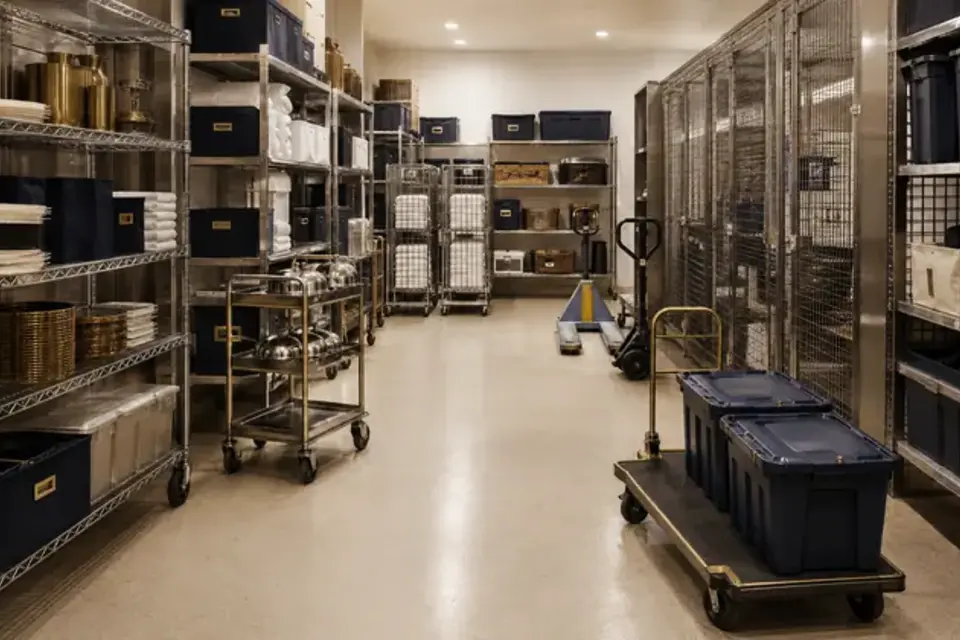


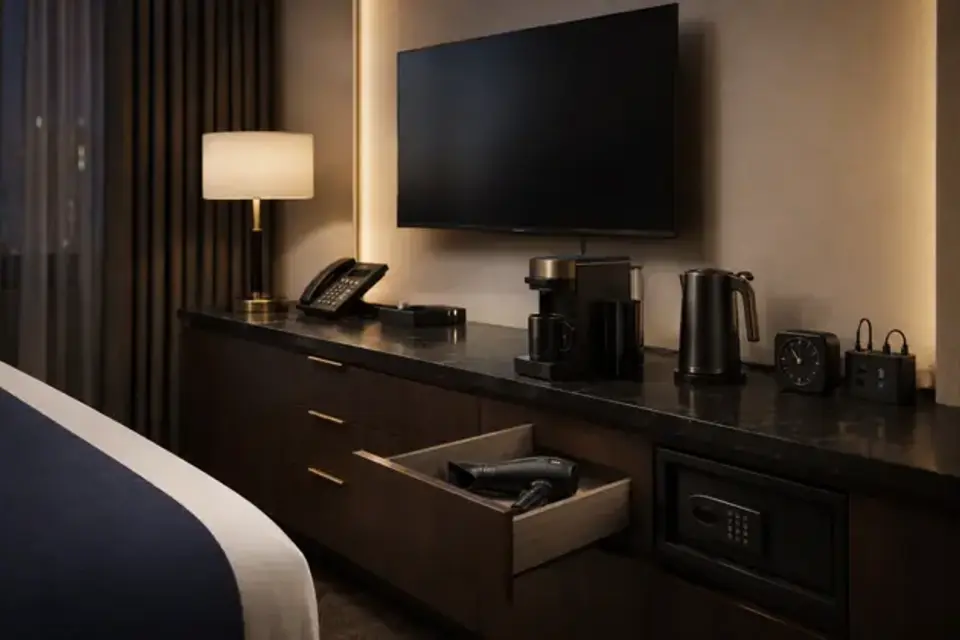
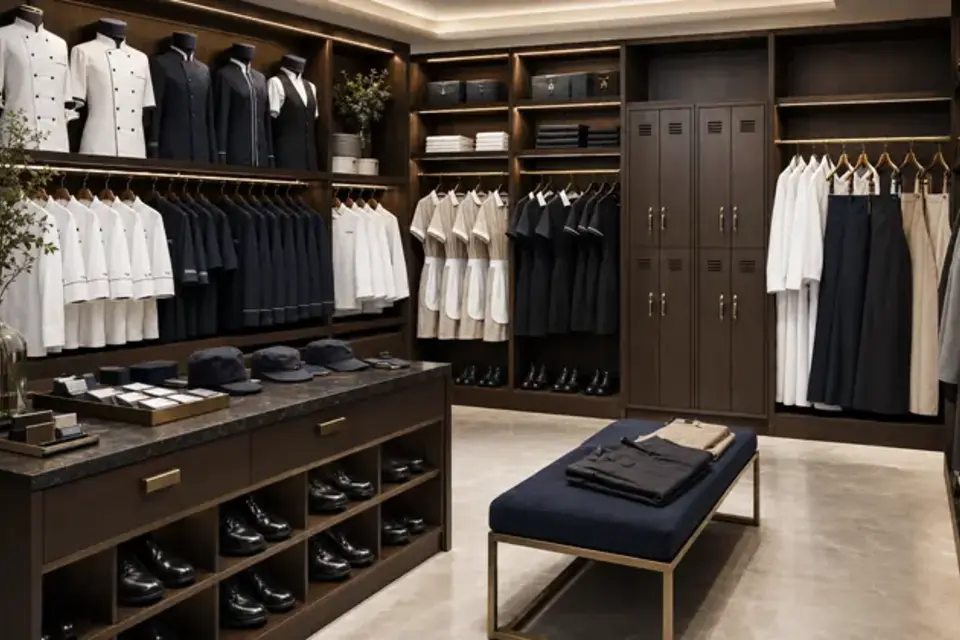
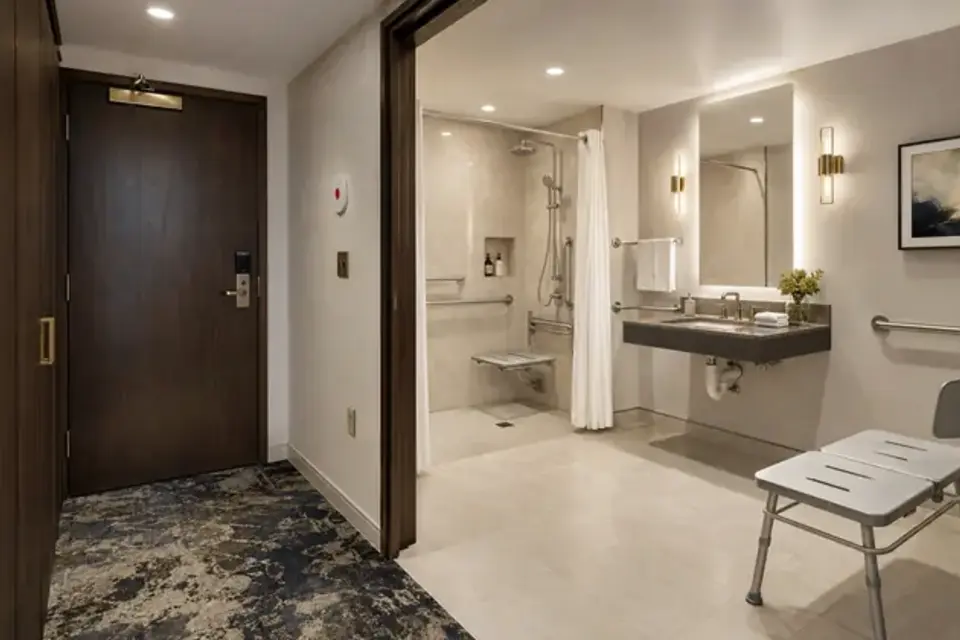
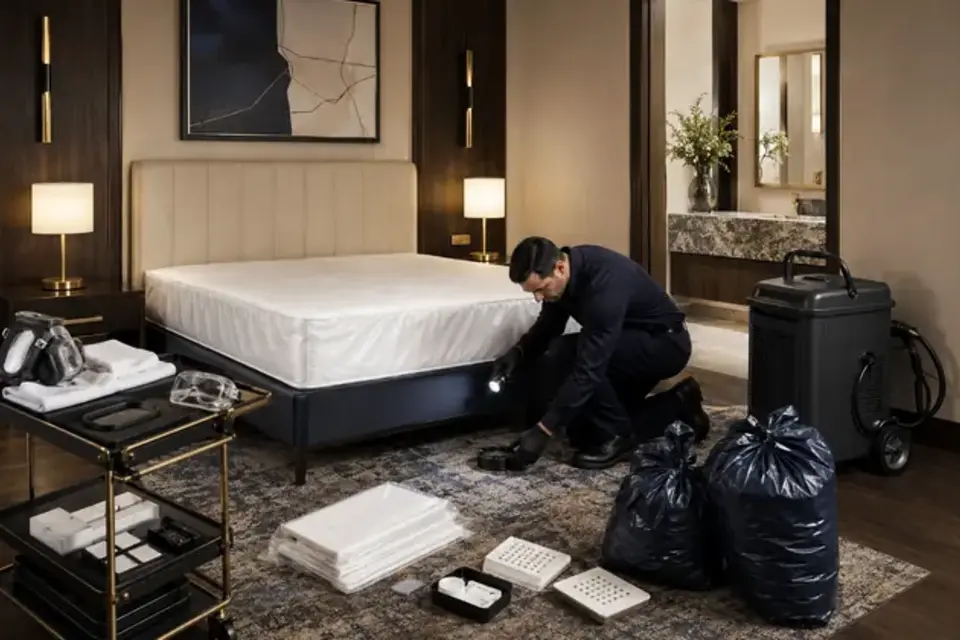
One operation, many property zones
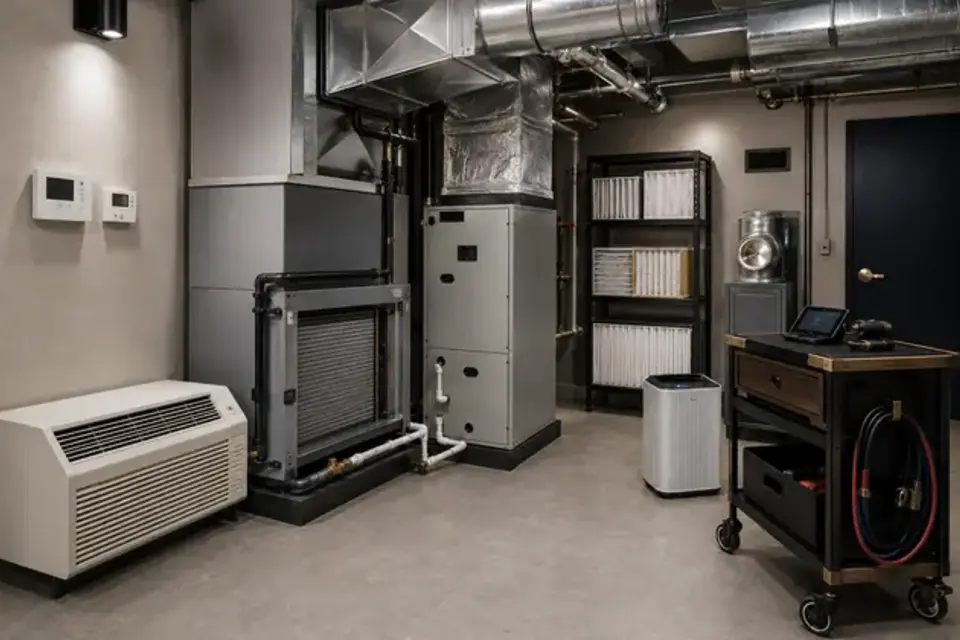
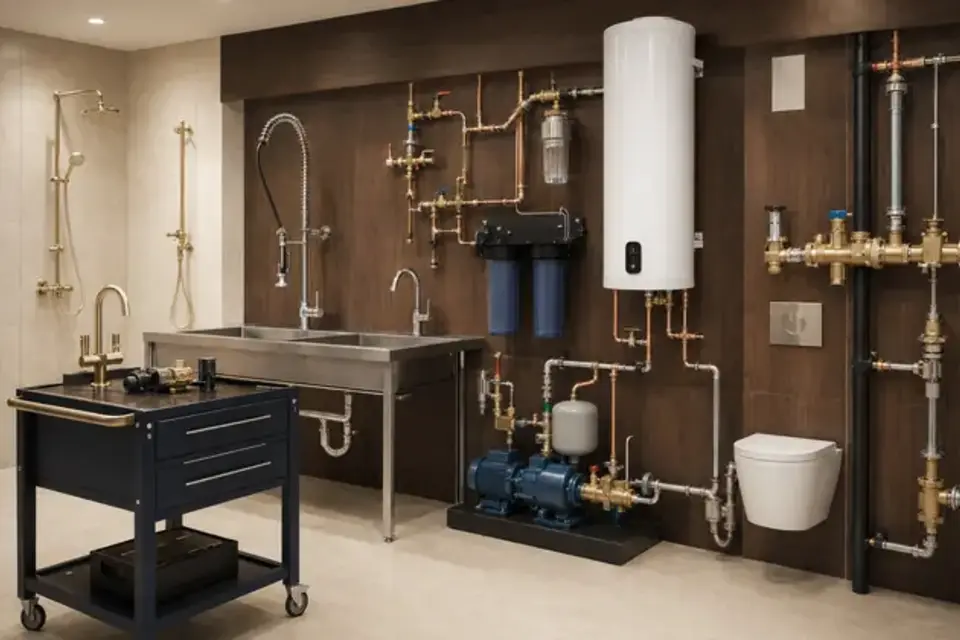
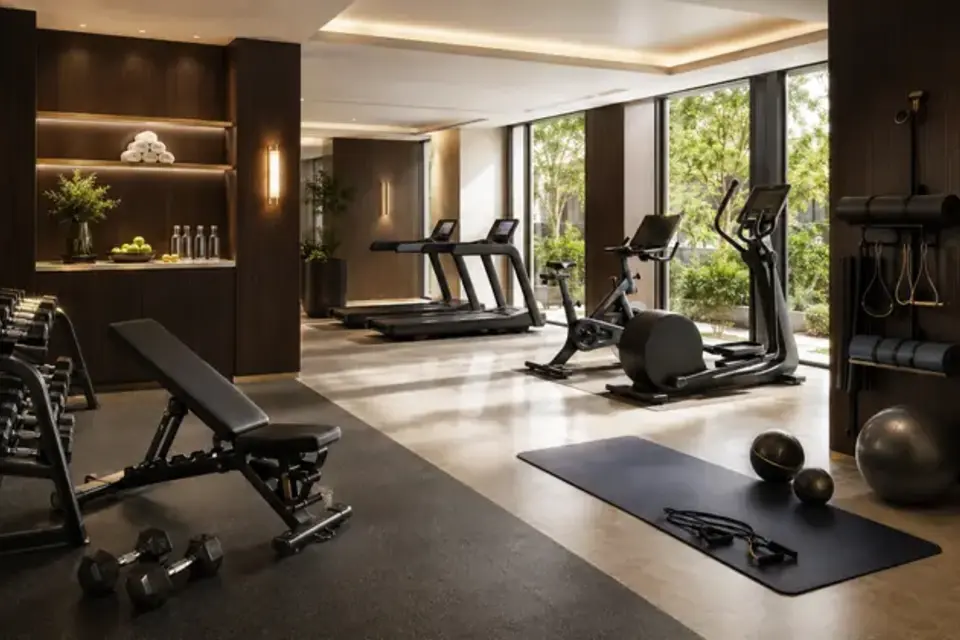
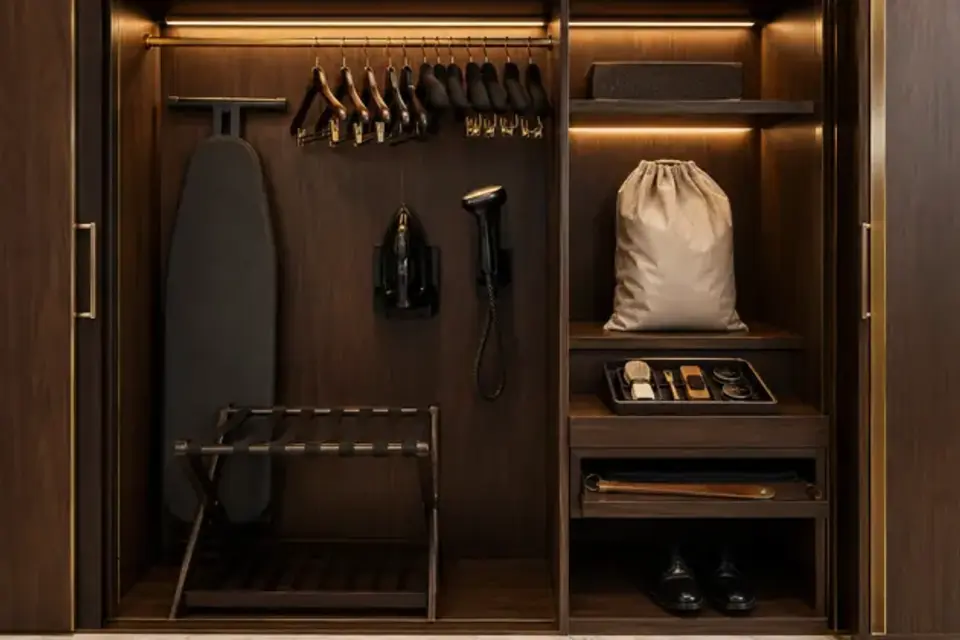
Each zone changes the surface, soil load, access, noise, storage, safety, and presentation requirements. Use the category directory to build a coordinated equipment standard without treating every area as the same cleaning task.













Housekeeping procurement questions
Use these answers to define workload, configuration, compatibility, safety, replenishment, and lifecycle requirements before requesting a quote.
Include property type and location, room count, public-area floor area, surface types, shifts, staffing model, required categories, quantities, preferred materials, machine voltage, noise or storage limits, target delivery date, warranty expectations, and any mandatory safety or hygiene standards.
Estimate by rooms assigned per attendant, number of active floors and shifts, travel distance, elevator access, restocking method, cart storage, linen par, waste volume, and spare allowance. A room-count-only ratio can be misleading when layouts and service models differ.
Compare overall dimensions, empty and loaded weight, shelf and drawer layout, locking storage, bag capacity, wheel diameter and material, bumpers, handle ergonomics, turning radius, elevator fit, cleanability, replacement parts, and the exact accessories included.
Match the mop type, head width, textile, handle, frame, bucket and wringer to the surface, soil level, area, hygiene protocol, laundering process, color-coding plan, staff ergonomics, storage, and required replacement rate.
Consider carpet type, cleaning width, airflow and suction, filtration, sound level, cord or battery runtime, weight, maneuverability, edge tools, bag or bin capacity, brush-roll suitability, maintenance access, spare parts, and how the machine will be stored and moved between floors.
A vacuum removes dry particulate during routine cleaning. An extractor applies and recovers a cleaning solution for periodic deep cleaning or spot treatment. Specify solution and recovery capacity, pump and vacuum performance, drying expectations, chemical compatibility, hose and wand configuration, and operator training.
Use the cleanable area, surface type, obstacles, door and elevator widths, turning space, target productivity, tank capacity, brush or pad system, traction, squeegee recovery, battery runtime and charging, noise, storage, and available maintenance support.
Yes. Color coding can help separate task zones, while fabric construction, weight, edge finish, absorbency, lint performance, laundering temperature, chemical compatibility, shrinkage, and expected wash cycles affect operational suitability and lifecycle cost.
Confirm bottle material, capacity, trigger type, chemical compatibility, dilution method, leak resistance, labeling process, color coding, replacement triggers, storage, and whether local rules require specific identification or safety information. Never assume one bottle is compatible with every chemical.
Define the required pictogram and languages, visibility, color, stability, folded size, carry handle, placement environment, indoor or outdoor use, cleanability, storage method, and whether cones or linked barricades are needed for larger areas.
PPE depends on the task, chemical safety data, exposure route, equipment, local requirements, and risk assessment. It may include task-appropriate gloves, eye protection, protective clothing, footwear, or respiratory protection. Selection and training should follow the actual hazard information rather than a generic kit.
Match the liner to the receptacle dimensions, load type, puncture and tear risk, weight, closure method, color or transparency requirement, case count, dispensing method, storage space, and local waste program. Thickness alone does not establish equivalent performance across resin types and constructions.
Wheel diameter, tread material, bearing, swivel behavior, brakes, load rating, floor marking, noise, debris resistance, bumpers, and replacement availability affect push force, stability, corridor noise, threshold handling, floor protection, and service life.
Many carts, buckets, cloths, handles, bins, bags, and labels can support color coding or other configuration choices. Confirm minimum quantities, available colors, artwork or labeling rules, samples, tolerance, lead time, replacement consistency, and whether customization changes warranty or spare-part availability.
Compare the substitute against every mandatory requirement, including dimensions, capacity, materials, performance, ergonomics, chemical and consumable compatibility, safety documents, noise, runtime, accessories, warranty, serviceability, appearance, availability, and total delivered cost. Approve every deviation before changing the order.
Define authorized users, inspection checklists, calibration or battery checks, secure storage, issue-and-return records, bag numbering or identification, tamper evidence, chain of custody, privacy handling, retention, and the escalation process for valuable or sensitive property.
Review filters, bags, brushes, pads, squeegee blades, hoses, belts, batteries, chargers, seals, wheels, triggers, handles, and any model-specific wear parts. Base the opening stock on usage, service interval, supplier lead time, failure consequence, warranty rules, and local repair capability.
Lead time can depend on stock status, quantity, cart or machine configuration, customization, sample approval, battery or electrical options, raw materials, packaging, export documentation, freight mode, customs clearance, delivery appointments, and phased rollout requirements.
Direct contact
Choose the office and channel that work best for your project. Both teams can help with housekeeping product specifications, sourcing, quotations, samples, and delivery planning.
+1 514 907 1637
+86 155 2127 1637
Your housekeeping sourcing brief starts here
Share the property type, room count, operating areas, surfaces, shifts, quantities, machine requirements, storage constraints, and target delivery date for a more reviewable sourcing request.