
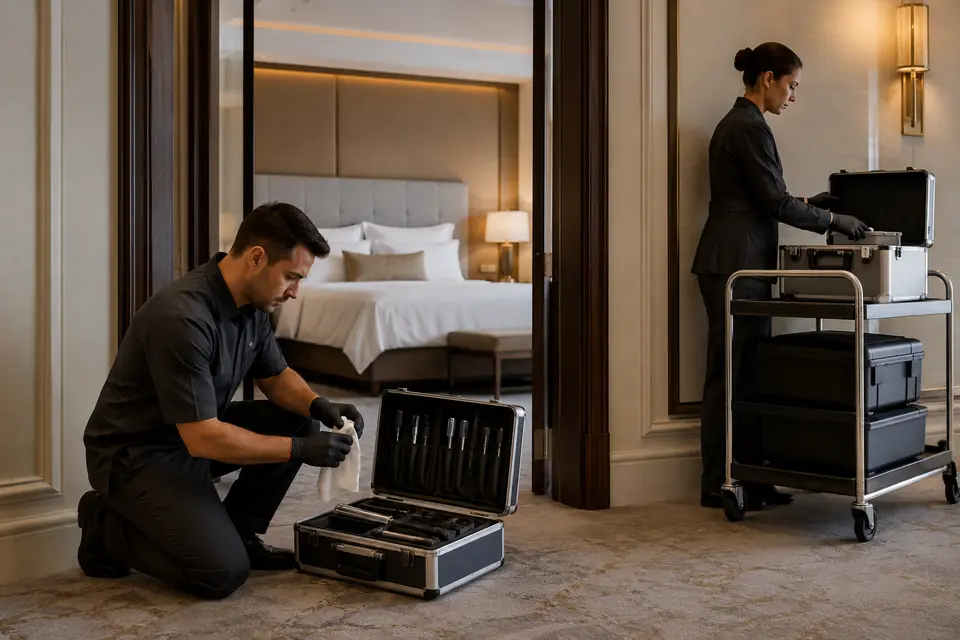
Rapid Incident Response
Prepare room inspection, isolation, monitoring, heat or steam support, and controlled linen-movement equipment for a documented response.
Hospitality pest prevention, organized
Source inspection, monitoring, containment, treatment-support, linen-control, kitchen pest-management, and bird-control equipment through one commercial procurement path.
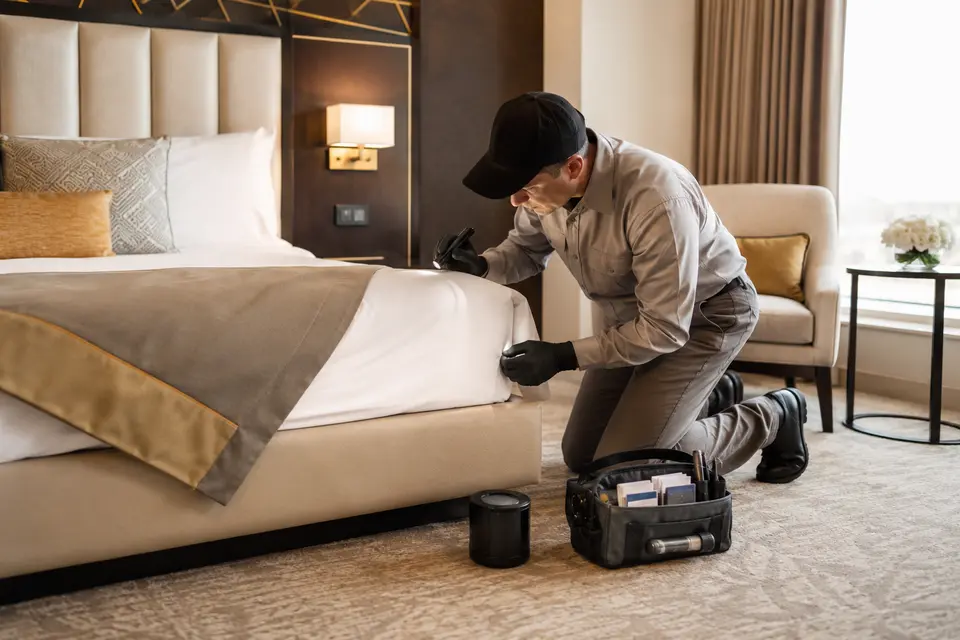
Quick answer for hospitality operators
Hospitality properties can source inspection lights and mirrors, traps and monitors, mattress and pillow encasements, heat and steam equipment, protected linen-transport systems, commercial kitchen insect-control products, rodent stations, and bird-control equipment. Selection should follow the site assessment, applicable label directions, local rules, and the property’s documented pest-management plan.
Start with the operating scenario
Begin with the affected zone, observed evidence, inspection scope, containment needs, and the licensed professional’s treatment plan before selecting equipment.
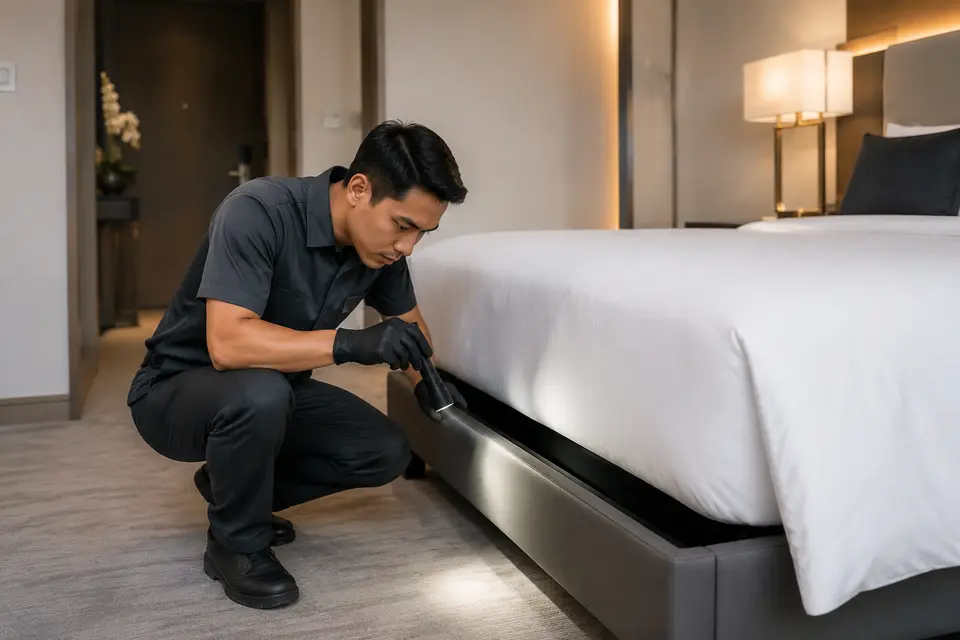
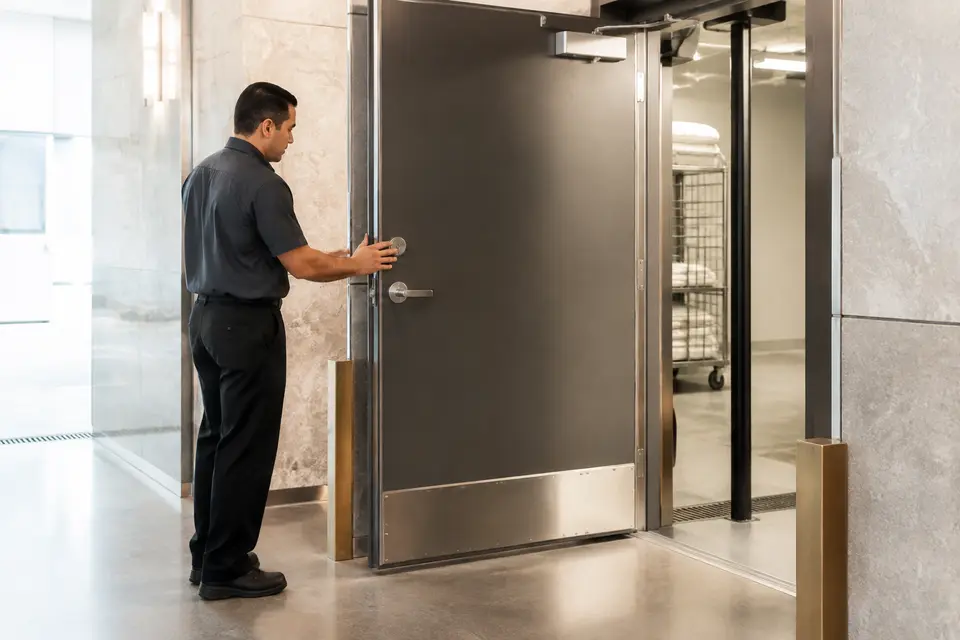
Prepare room inspection, isolation, monitoring, heat or steam support, and controlled linen-movement equipment for a documented response.
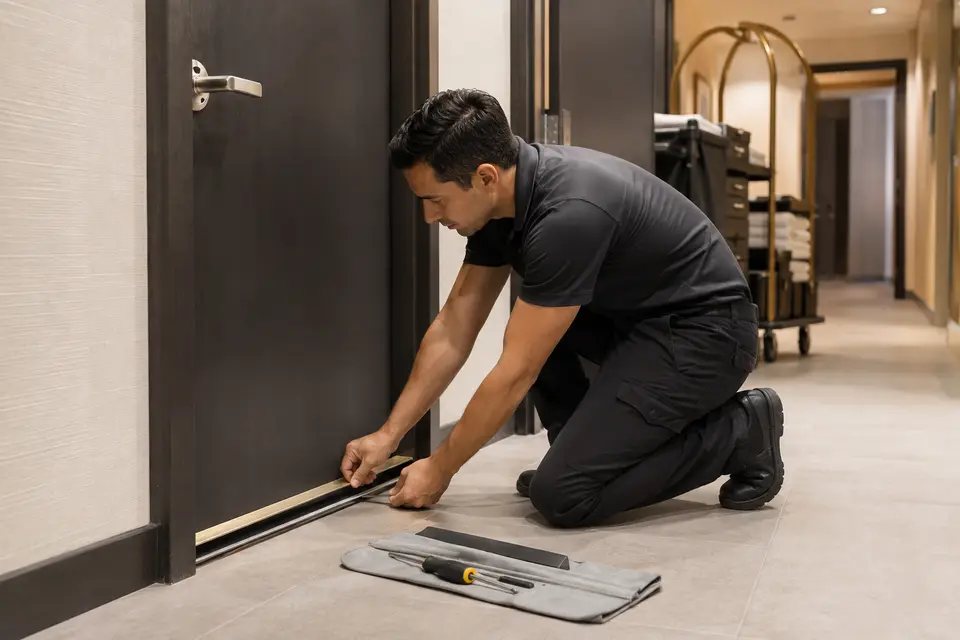
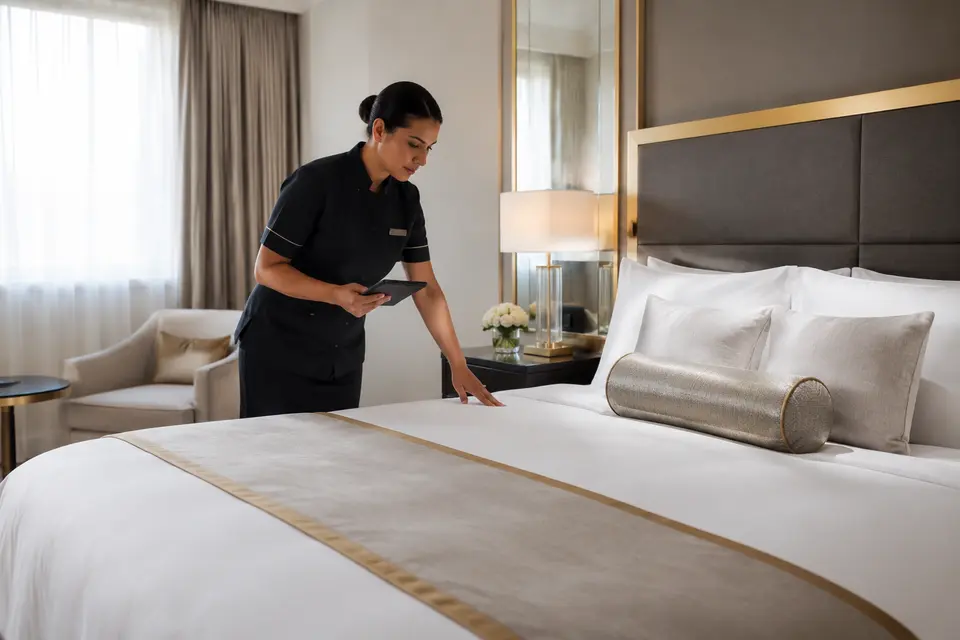
Standardize encasements, interceptors, inspection tools, staff checklists, and replacement stock across guestrooms.

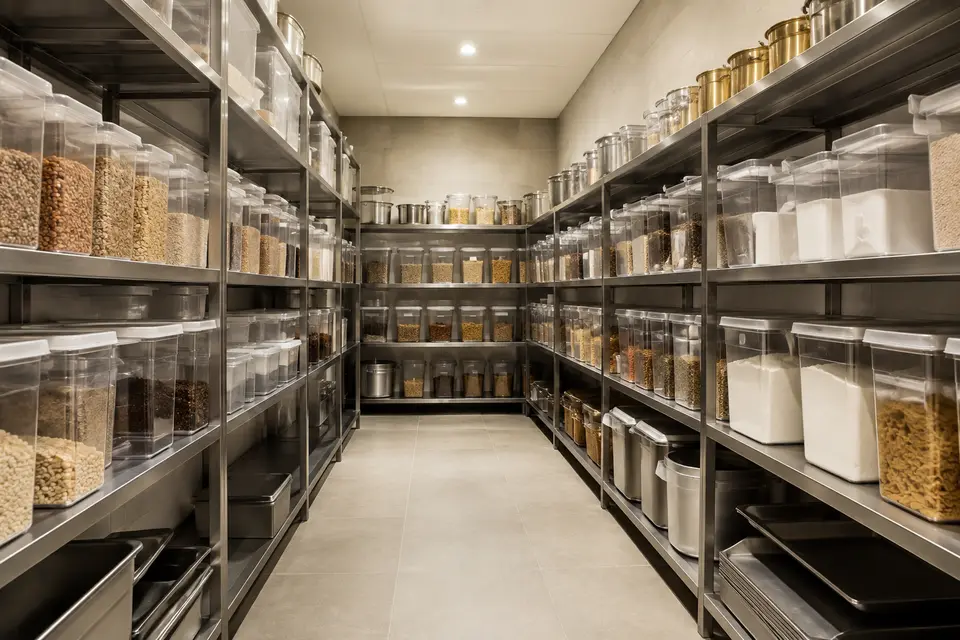
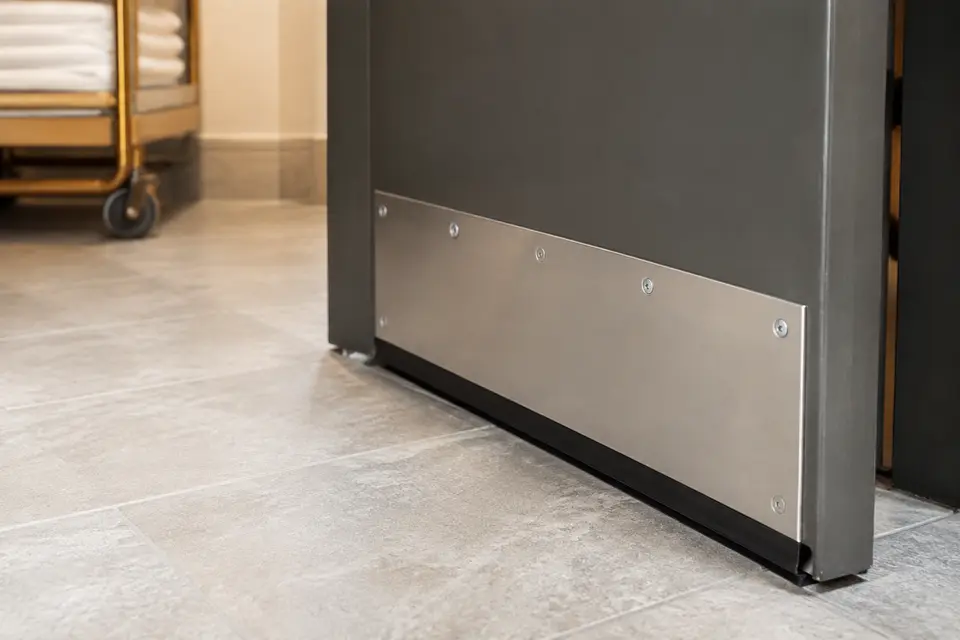
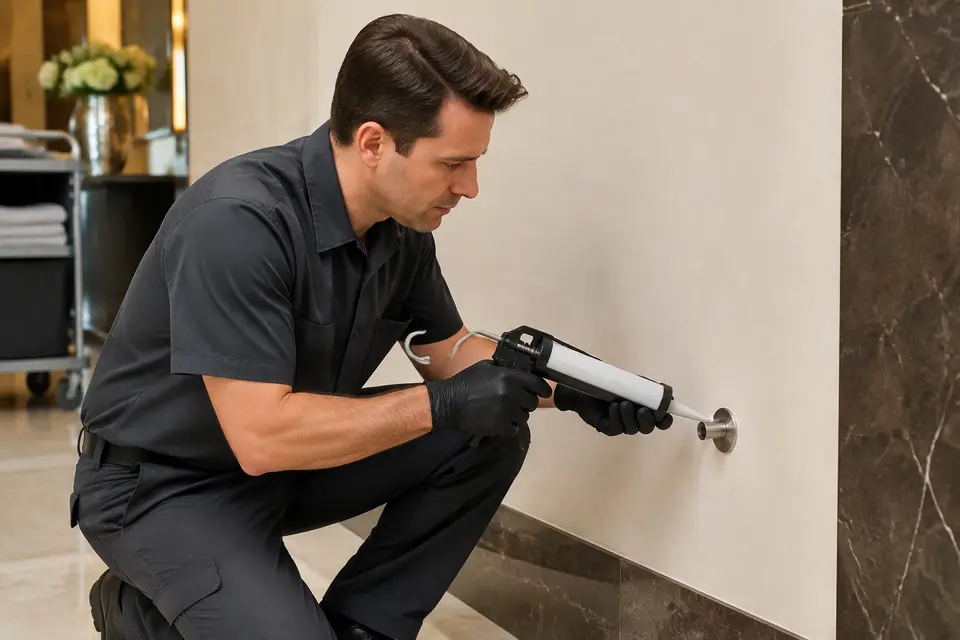
Map insect-light monitoring, drain inspection, rodent control, service-door gaps, storage zones, and sanitation interfaces.
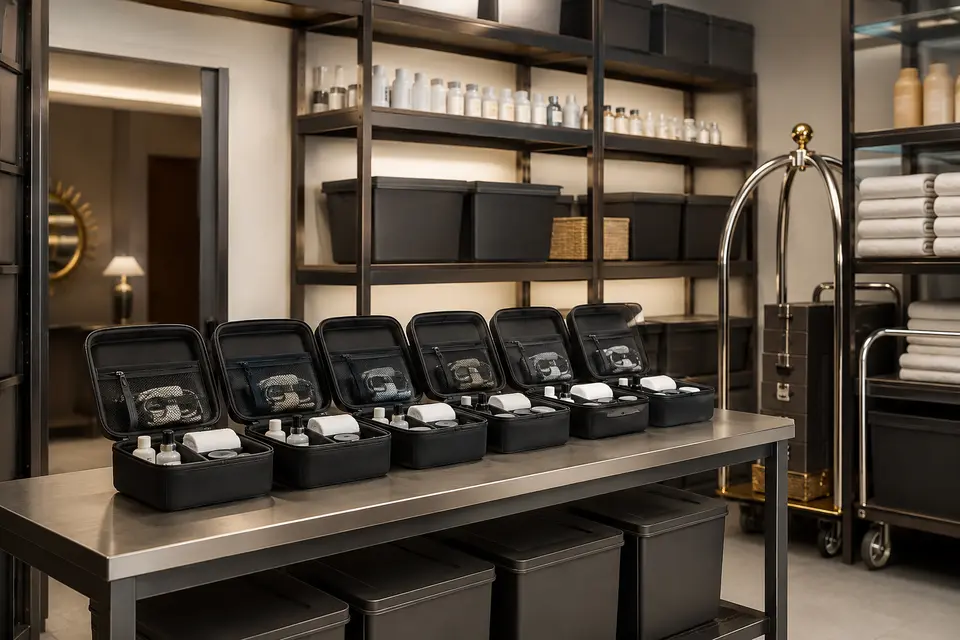
Align approved devices, inspection records, consumables, replacement intervals, and escalation rules across locations.
Complete product directory
Search the directory or filter by control area. Active categories open their focused product page; planned categories are clearly marked as coming soon.


Showing all 14 categories
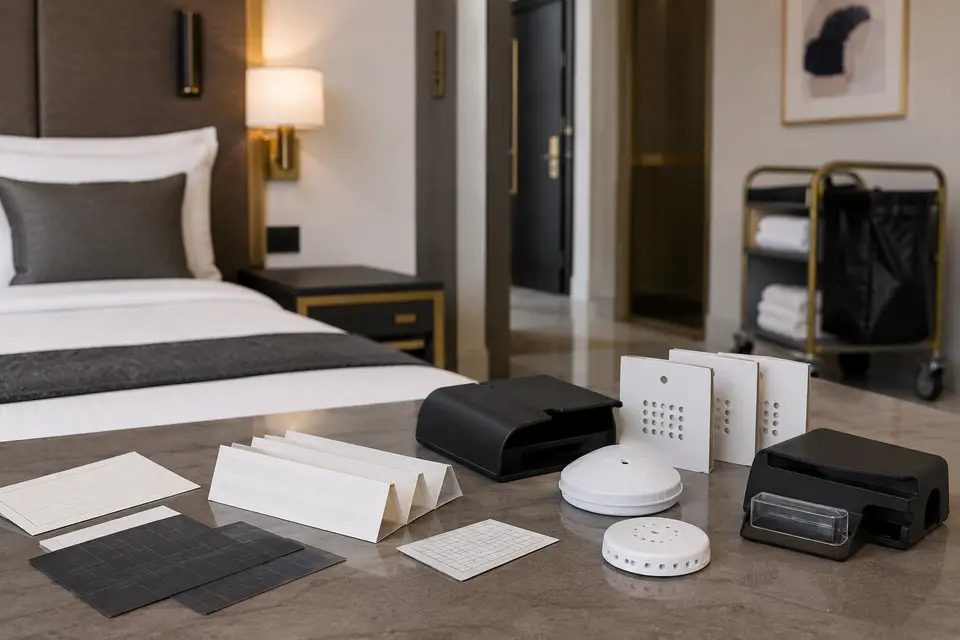 01General PestComing Soon
Glue Boards · Pheromone Traps · Flying-Insect Monitors
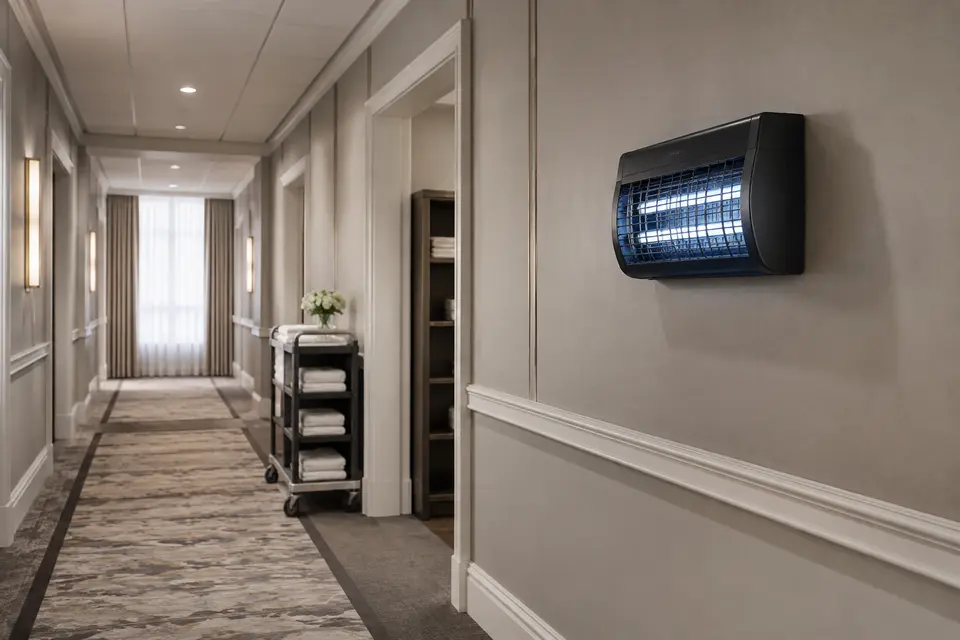 02General PestComing Soon
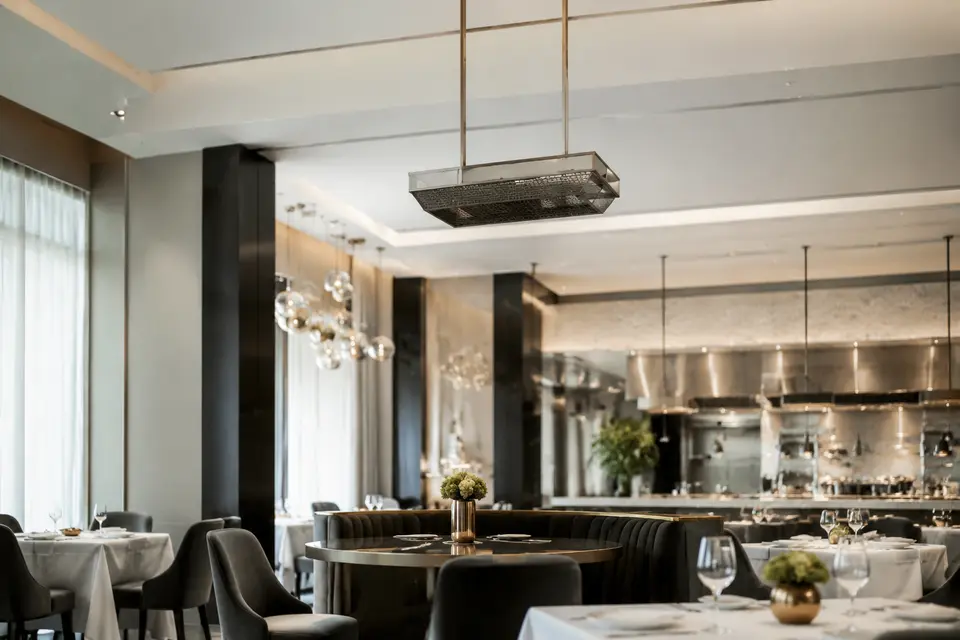
Wall-Mounted Units · Ceiling Units · Glueboard Light Traps
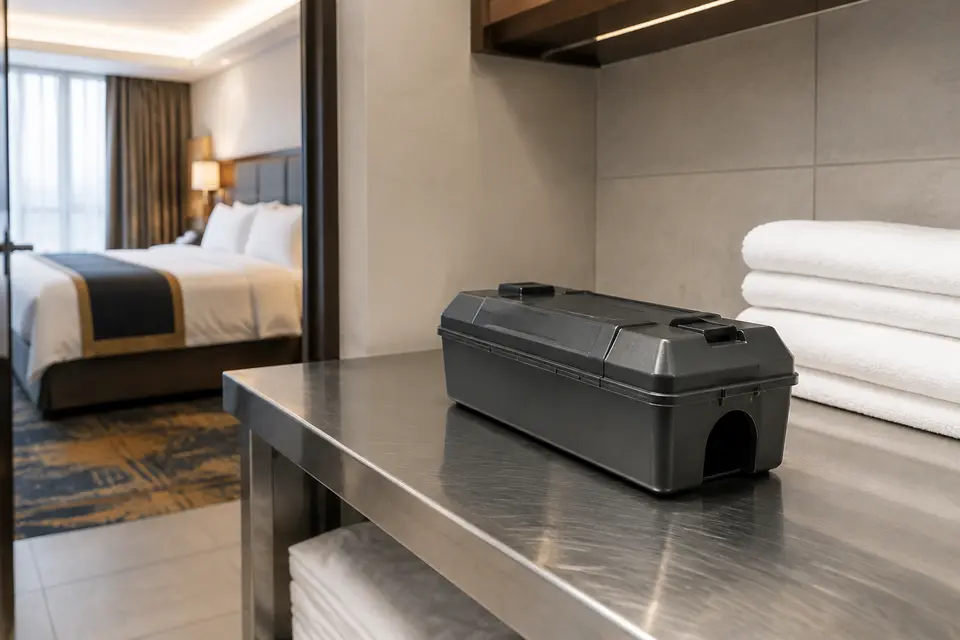 03General PestComing Soon
Snap Traps · Multiple-Catch Traps · Enclosed Traps
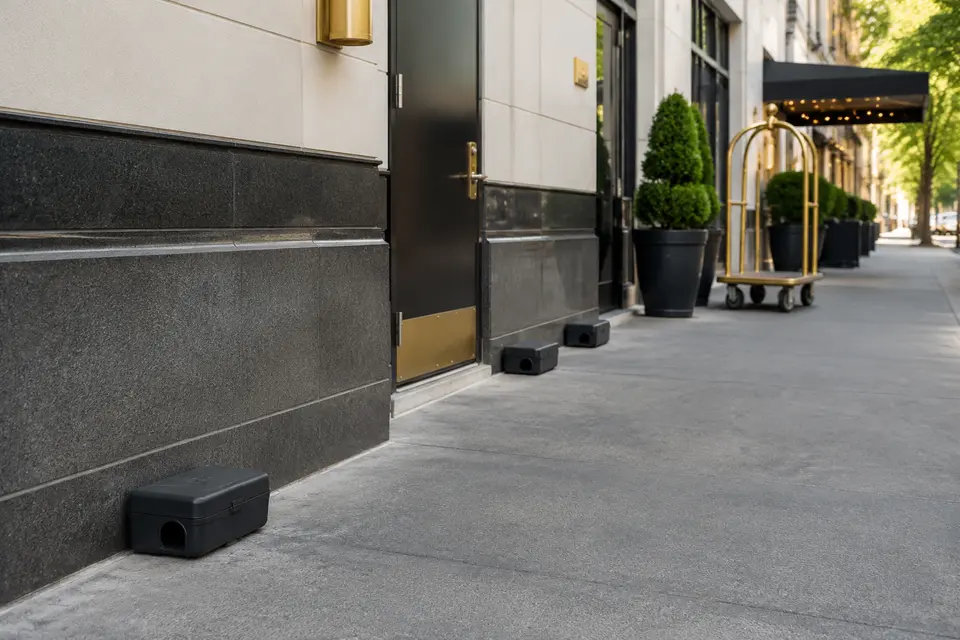 04General PestComing Soon
Tamper-Resistant Stations · Interior Stations · Exterior Stations
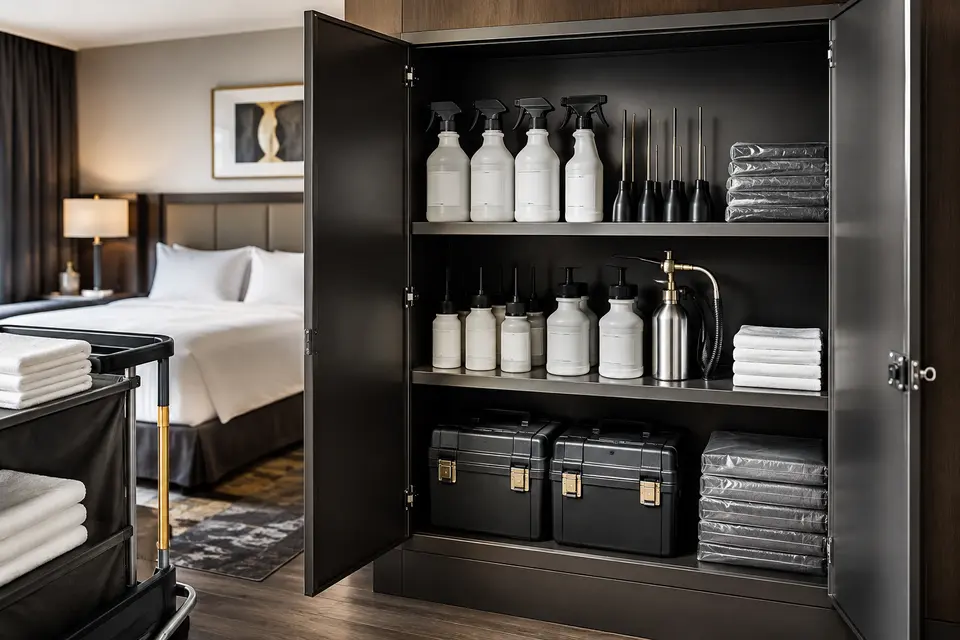 05General PestComing Soon
Precision Applicators · Residual Products · Crack-and-Crevice Formats
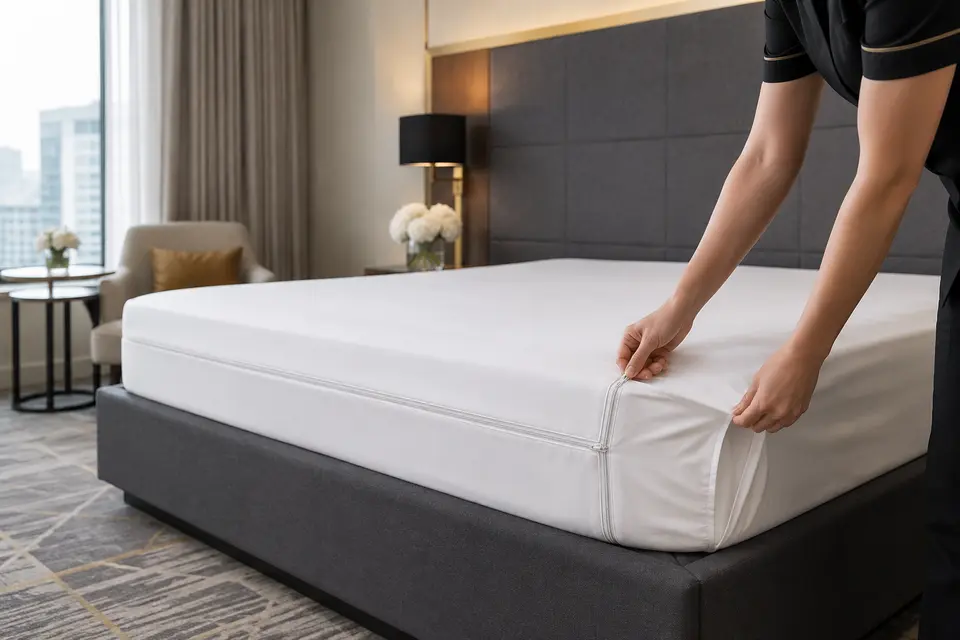 06Bed BugComing Soon
Zippered Encasements · Box-Spring Covers · Commercial Sizes
 07Bed BugComing Soon
Zippered Protectors · Standard Sizes · Washable Formats
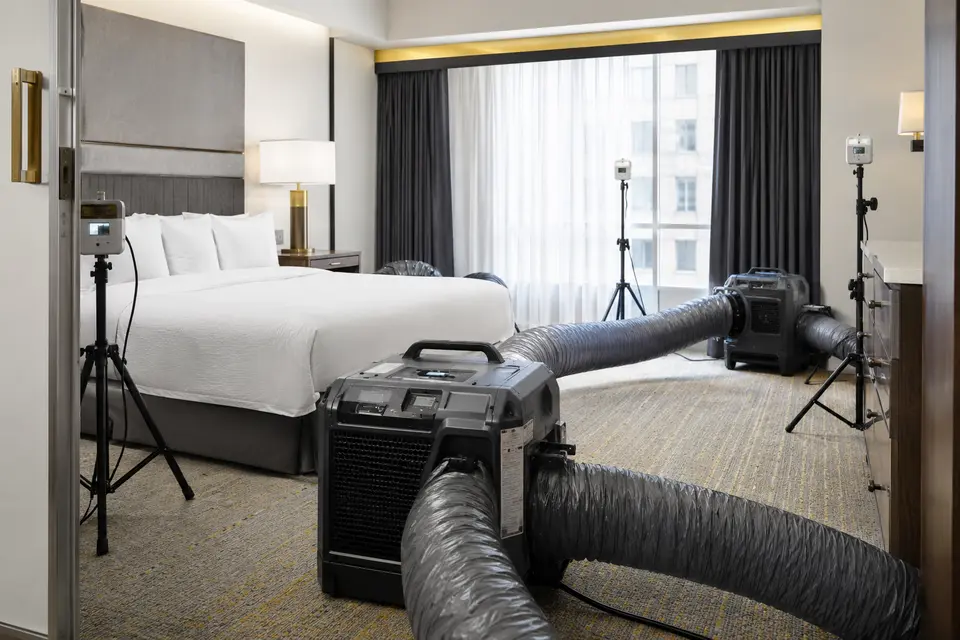 08Bed BugComing Soon
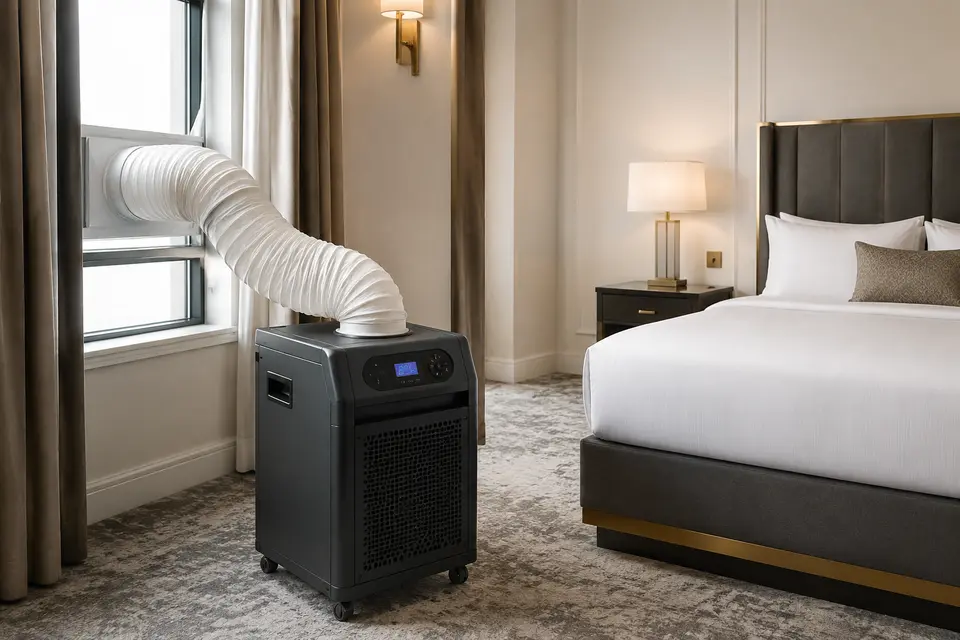
Portable Heaters · Air Movers · Temperature Sensors
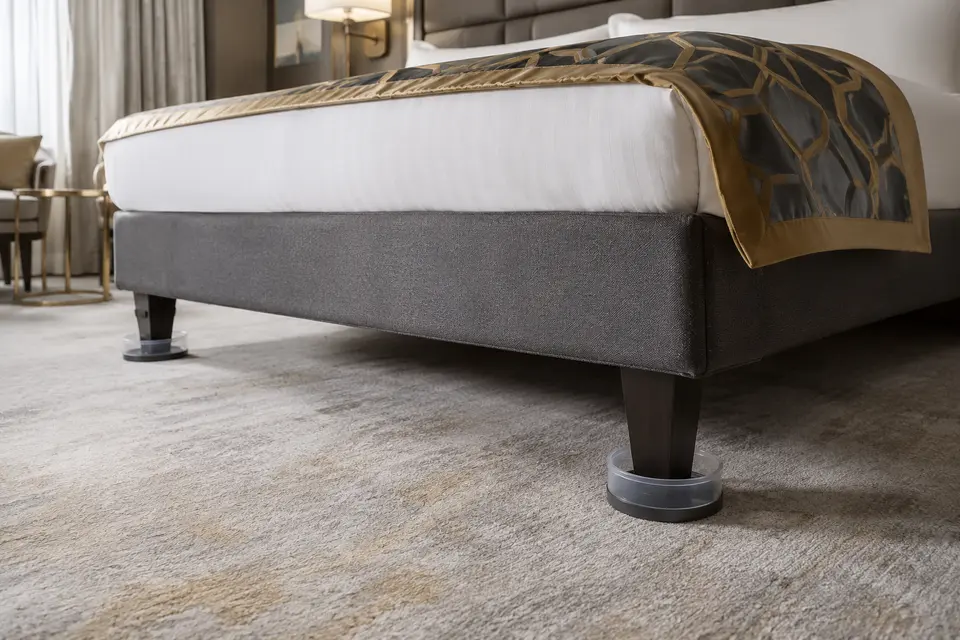 09MonitoringComing Soon
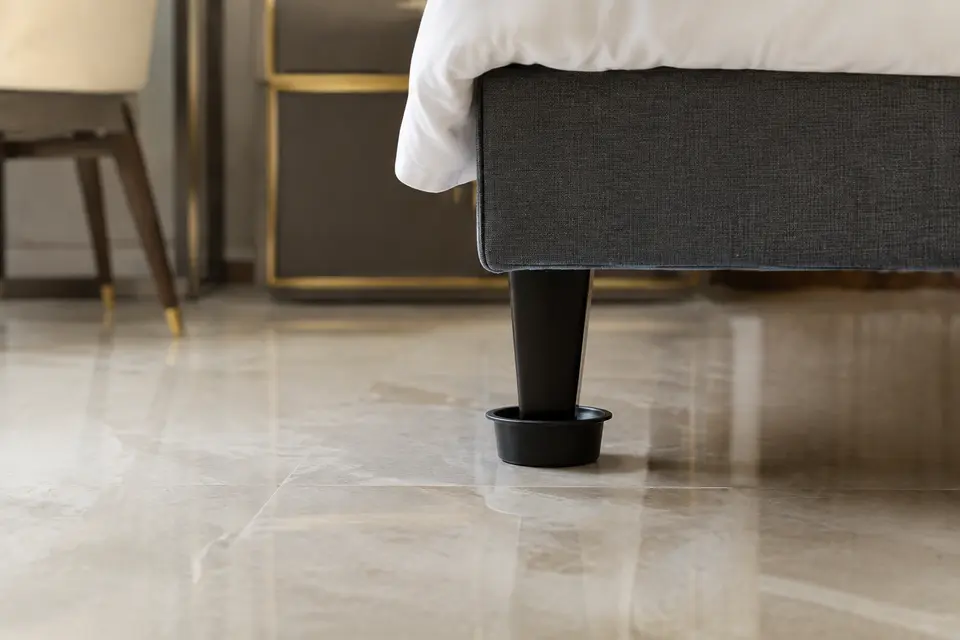
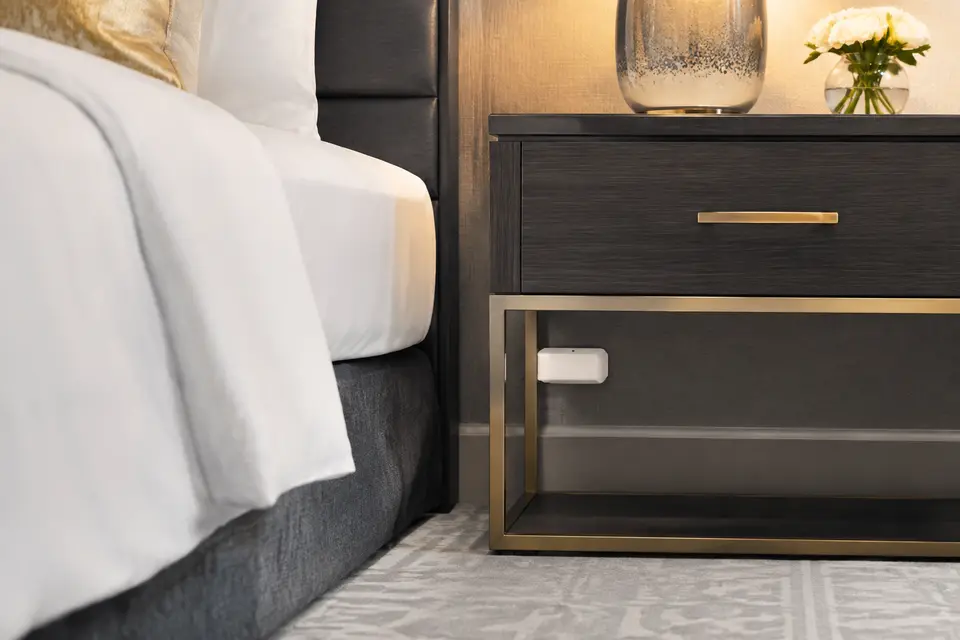
Interceptors · Active Monitors · Passive Monitors
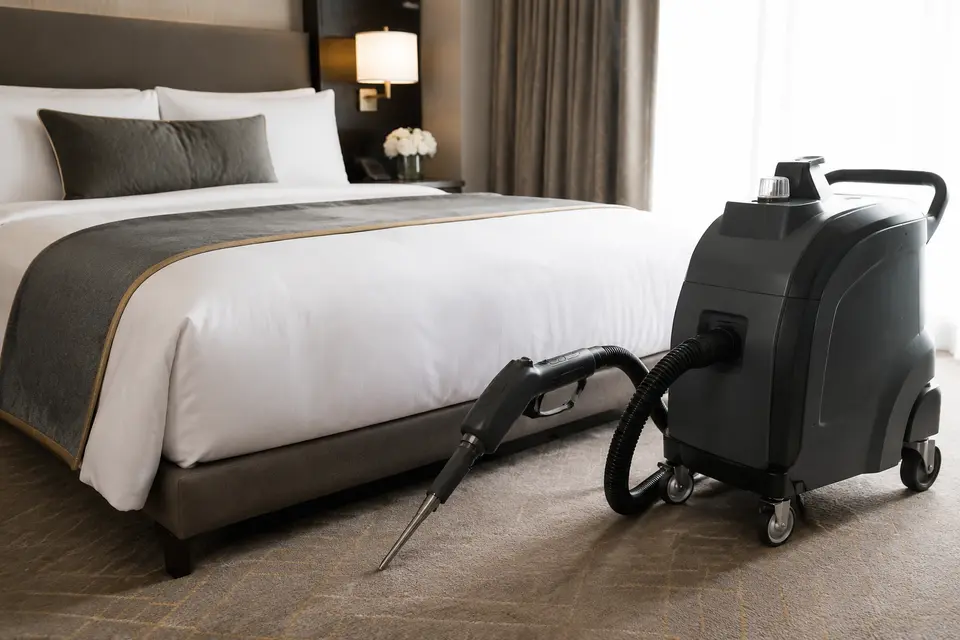 10Bed BugComing Soon
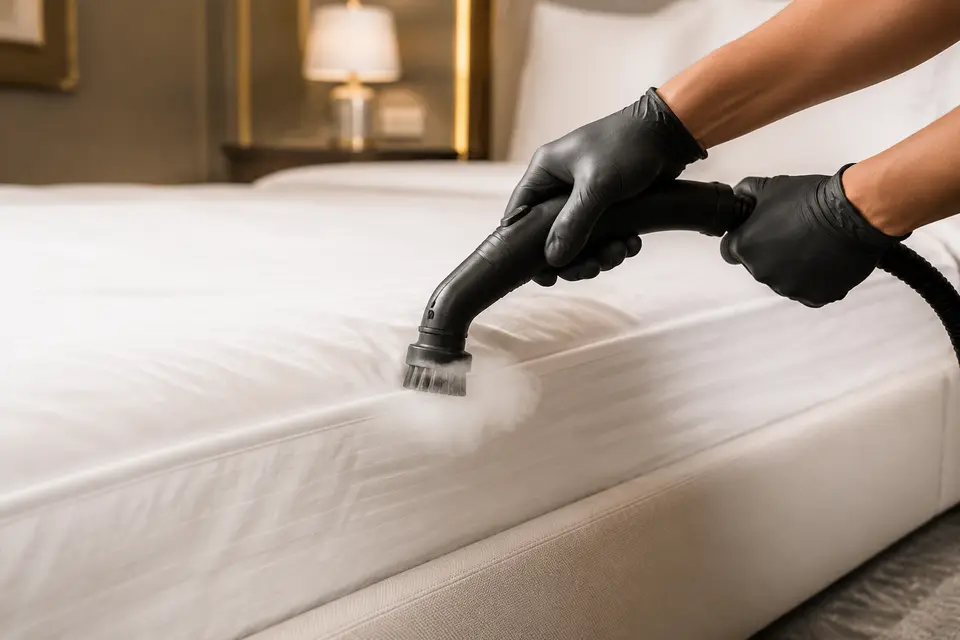
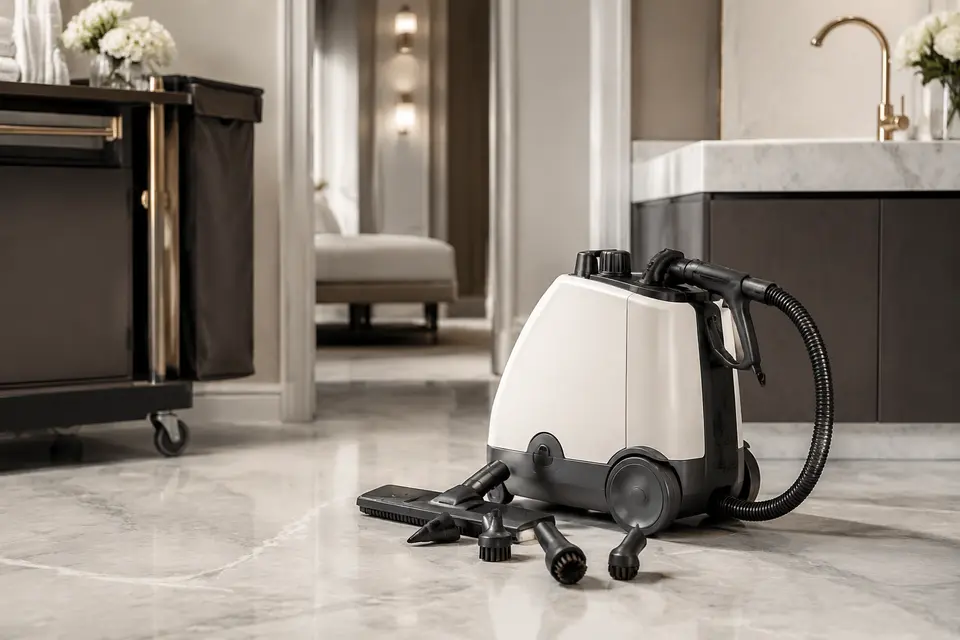
Dry-Steam Units · Precision Nozzles · Commercial Attachments
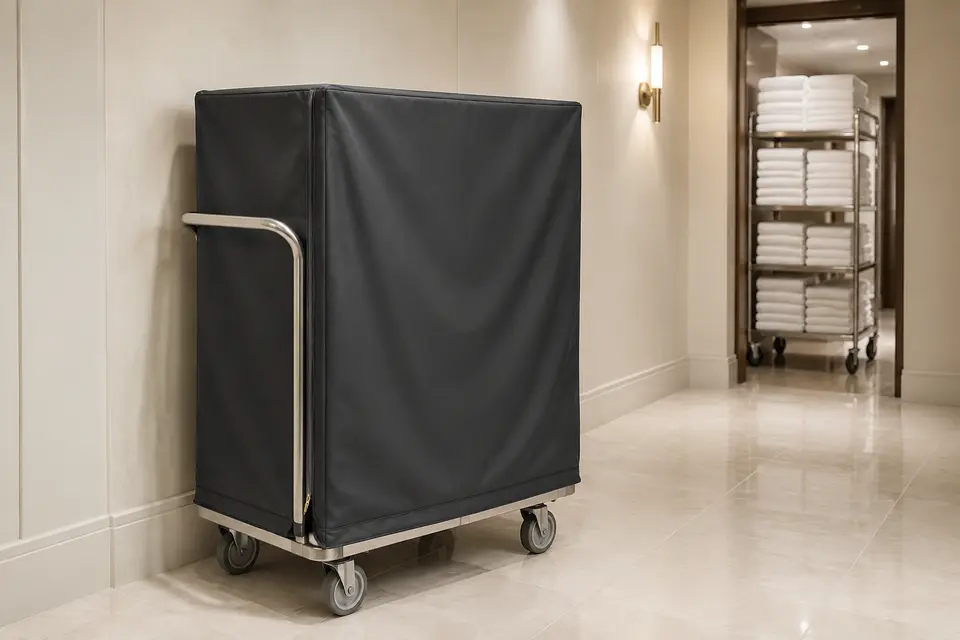 11FacilityComing Soon
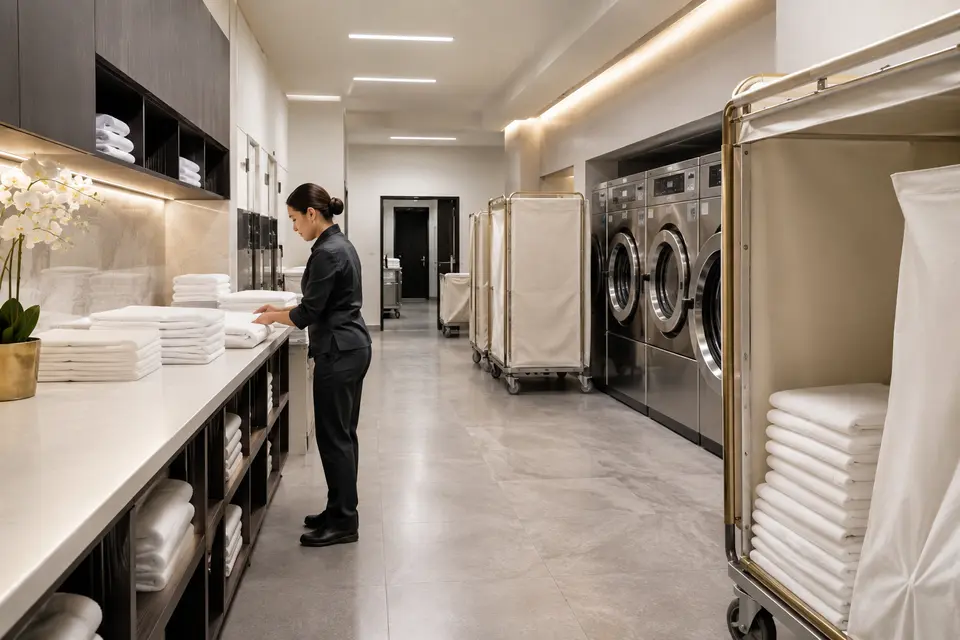
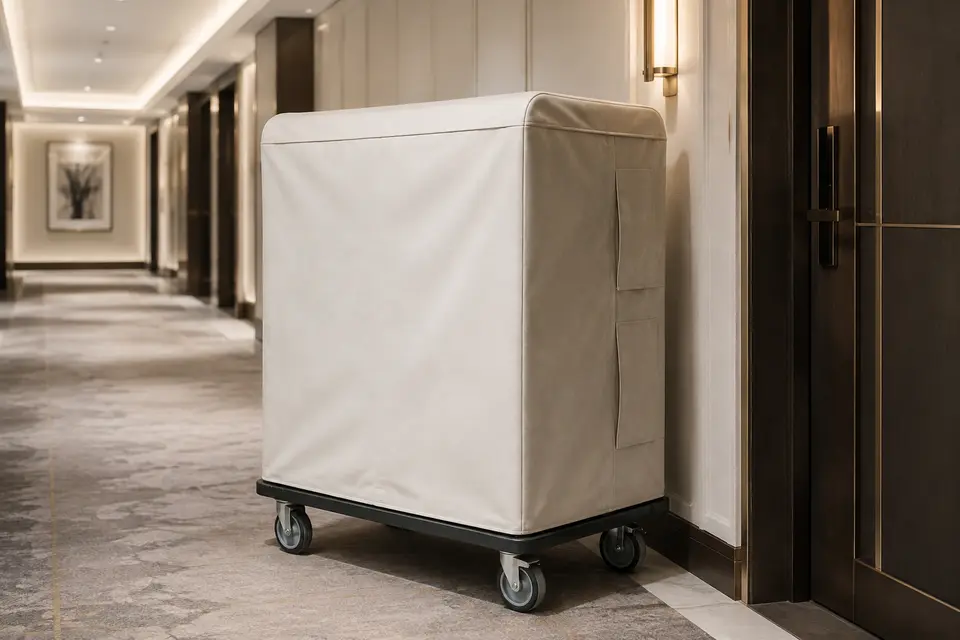
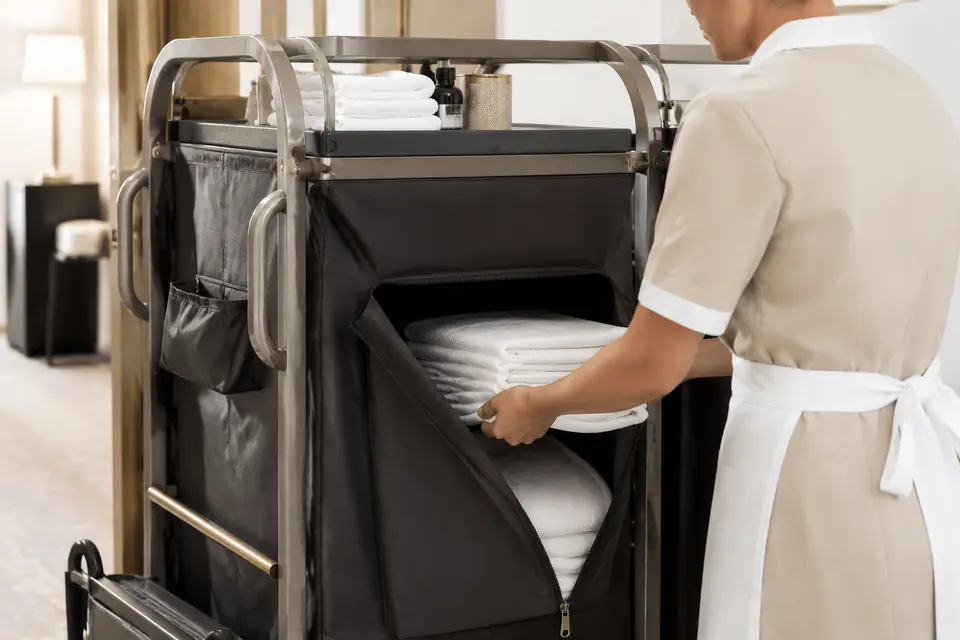
Covered Laundry Carts · Closable Linen Bags · Washable Transport Covers
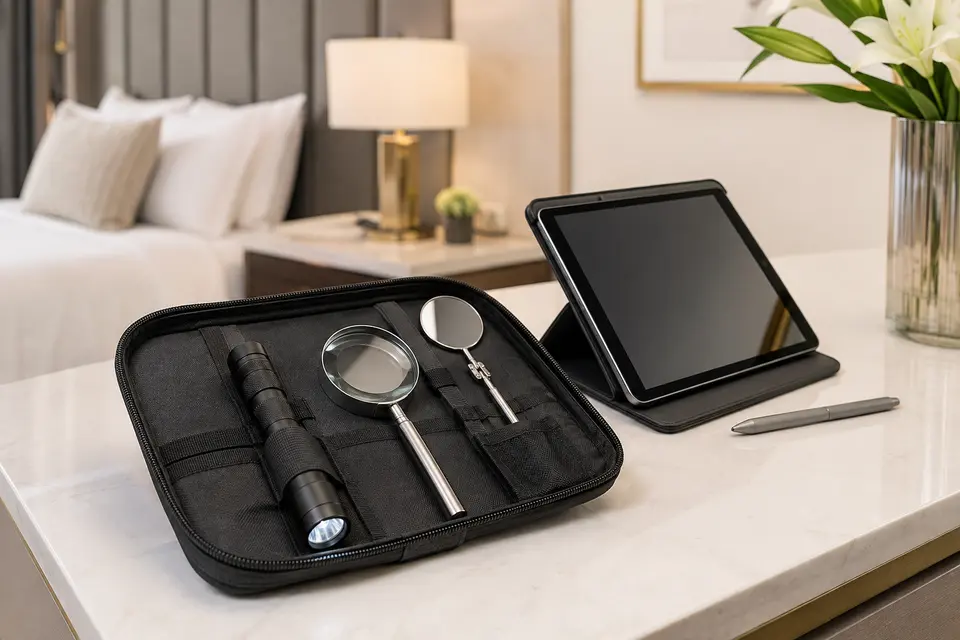 12MonitoringComing Soon
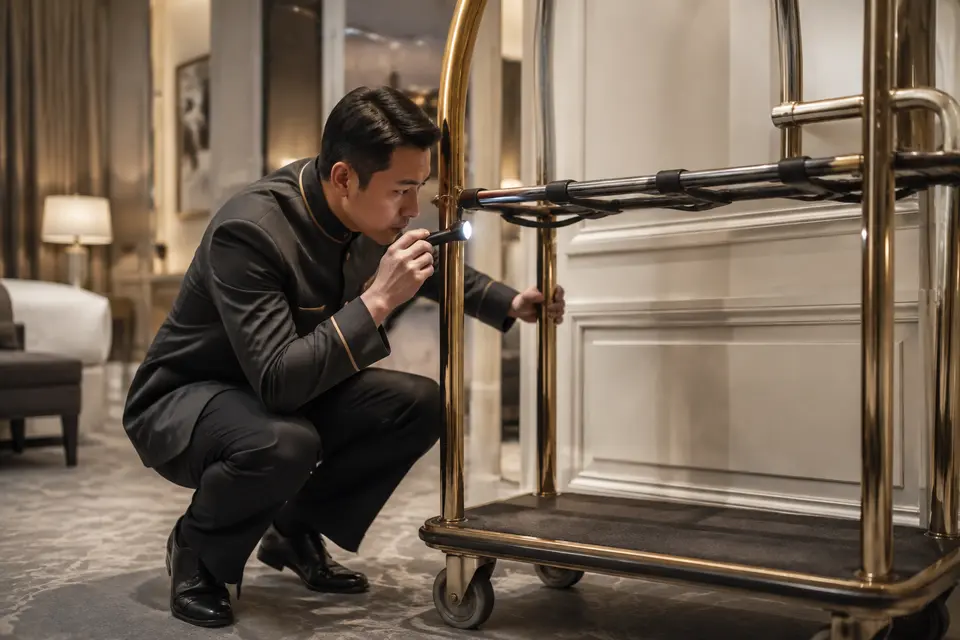
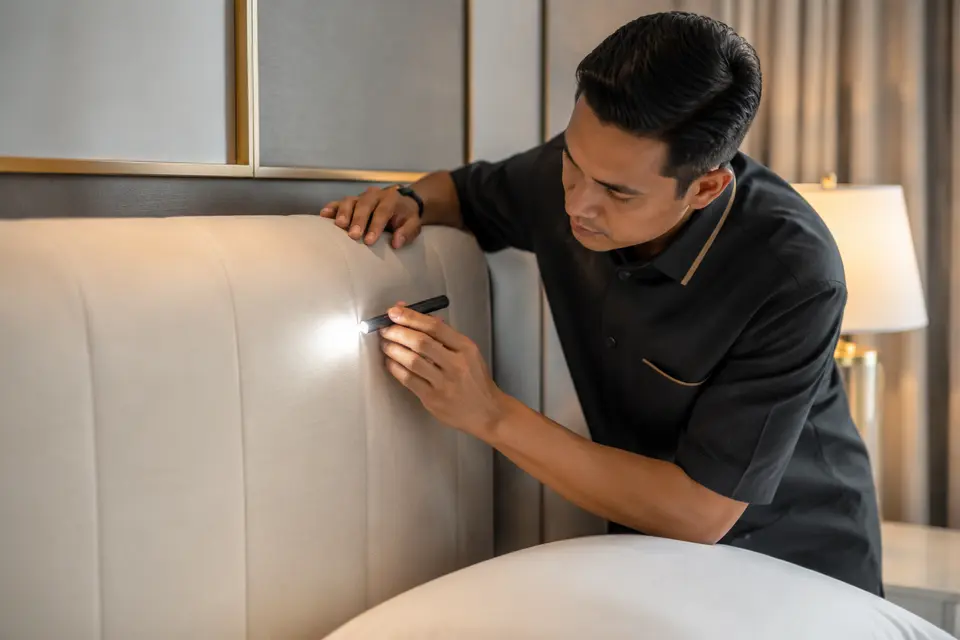
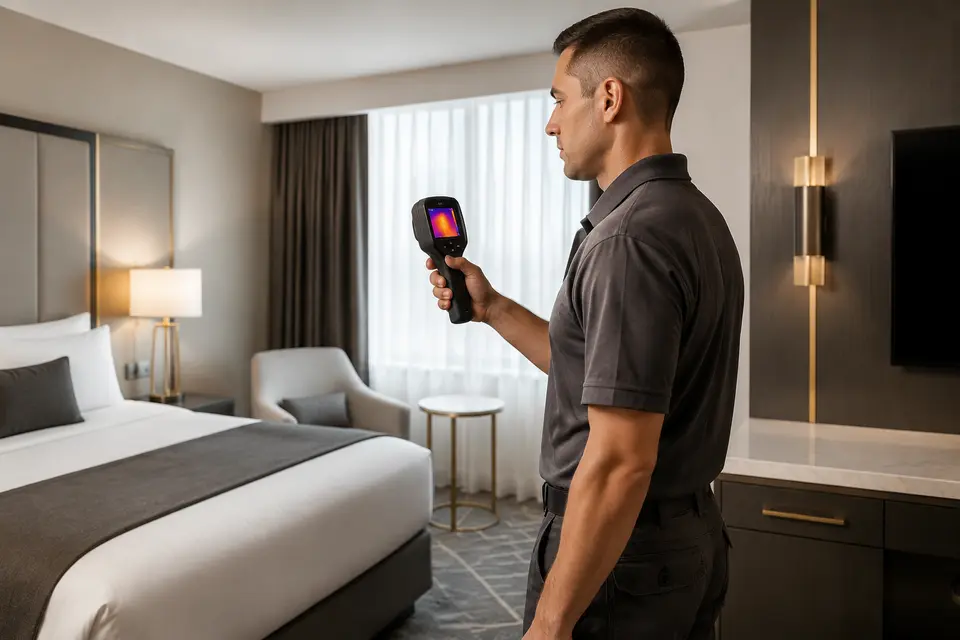
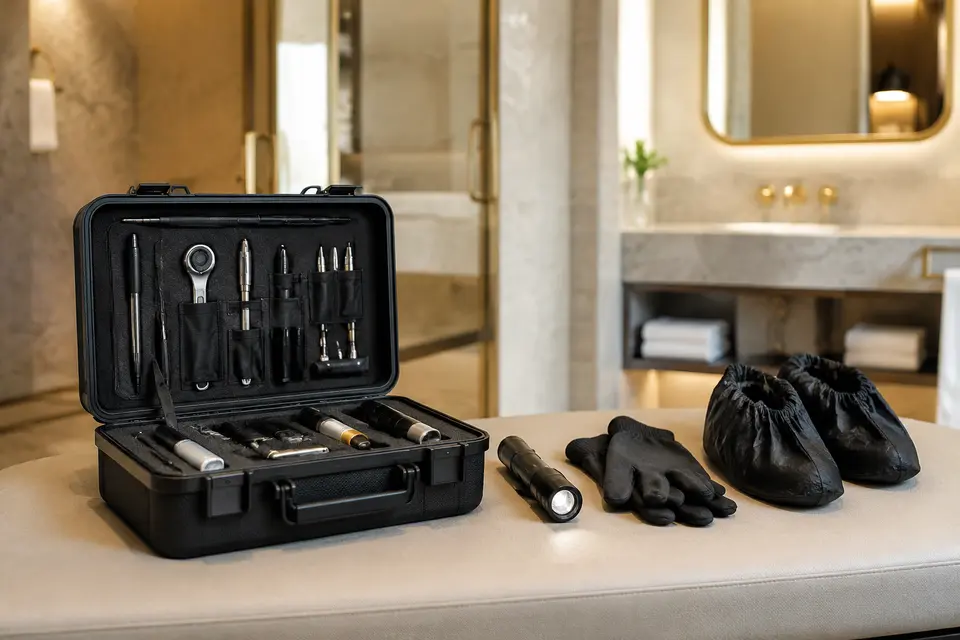
LED Flashlights · Inspection Mirrors · Digital Reporting Tools
 13FacilityComing Soon
Ledge Barriers · Protective Netting · Roofline Systems
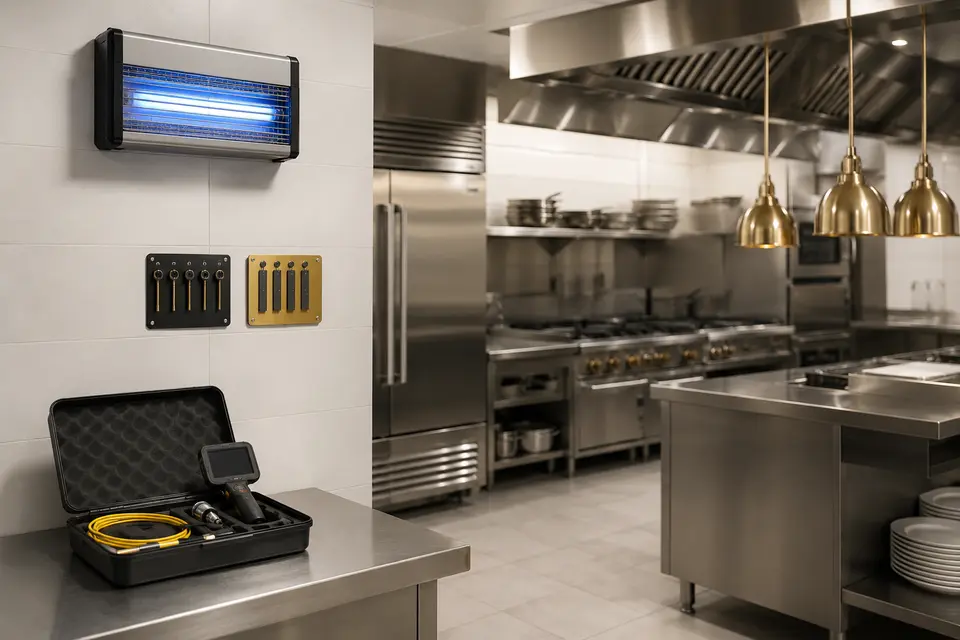 14FacilityComing Soon
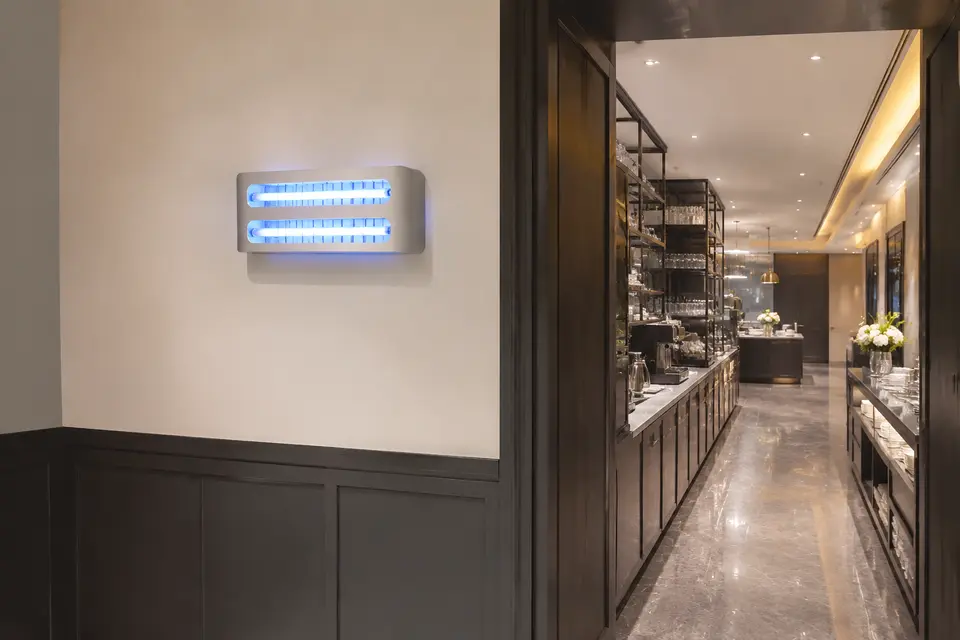
Insect Light Monitors · Drain Inspection Tools · Food-Area Monitors
Try a broader product term or reset the procurement-area filter.
A clearer sourcing workflow
A useful request starts with verified pest evidence, room or facility conditions, the intended control method, applicable regulations, equipment specifications, quantities, and a clear operating procedure.
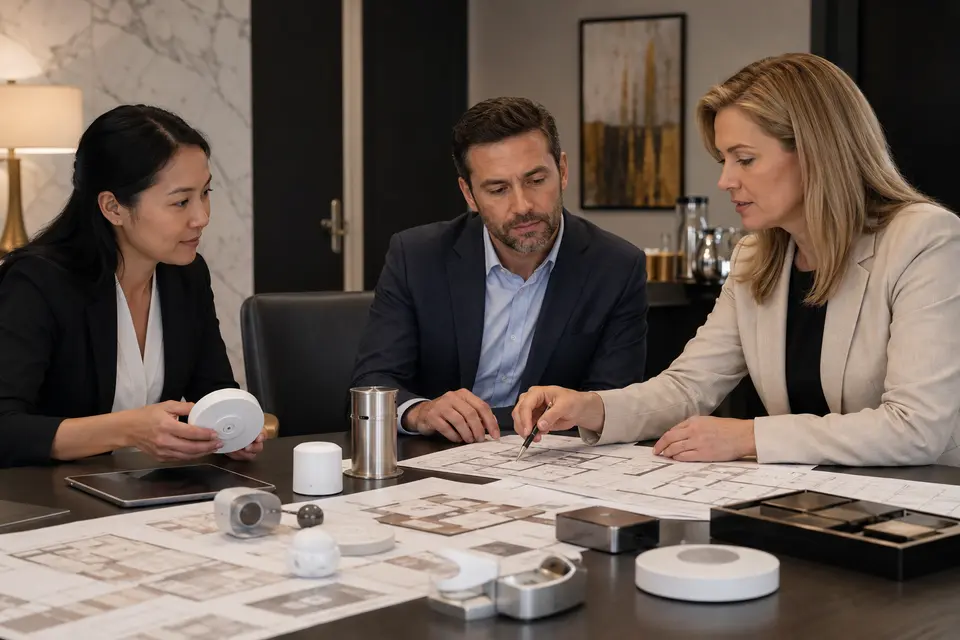
Identify property zones, pest evidence, room status, sanitation conditions, access constraints, and the responsible pest-management professional.
Separate detection, exclusion, containment, heat, steam, trapping, baiting, and chemical-treatment support requirements.
Review dimensions, coverage, power, placement, safety controls, cleaning, consumables, documentation, and local suitability.
Align quantities by zone, installation responsibility, staff training, record keeping, replacement stock, delivery sequence, and escalation contacts.
Practical buyer toolkit
A useful quote should make equivalent options easier to compare. Capture the commercial, technical, operational, and delivery requirements below before the request reaches suppliers.
State the verified pest, life stage where known, room or facility zone, monitoring objective, sensitivity of the area, occupancy constraints, and expected service frequency.
Buyer prompt: Is this item for detection, exclusion, containment, treatment support, or ongoing monitoring?Record installation dimensions, mounting surface, clearance, power supply, circuit load, heat or airflow requirements, drainage, room sealing, and service access.
Buyer prompt: Can the equipment be positioned and operated safely in the intended zone?Confirm applicable product labels, local restrictions, food-area suitability, tamper resistance, temperature safeguards, material compatibility, decontamination, staff PPE, and record requirements.
Buyer prompt: What approvals, labels, procedures, or licensed supervision apply?List rooms or zones covered, units per room, spare ratio, glue boards, lures, covers, bags, sensors, replacement intervals, case packs, and delivery phasing.
Buyer prompt: Which consumables must remain available after the initial deployment?Purchase-order control
Make the inspection plan, approved equipment, purchase order, operating procedure, consumables, documentation, and delivery instructions agree on the same scope.
Request a specification-based quoteReceiving & deployment control
Give the receiving and pest-management teams the purchase order, packing list, quarantine location, inspection priorities, documentation list, and escalation route before delivery.
Photograph the load, pallet wrap, carton condition, labels, and any visible impact before unpacking.
Count cartons and compare item numbers and quantities with the packing list and purchase order.
Note visible shortage or damage on the carrier delivery record before signing; avoid an unqualified clean receipt.
Separate damaged or suspect goods, retain packaging and labels, and do not deploy equipment awaiting technical or claim instructions.
Verify manuals, labels, accessories, sensors, consumables, safety devices, and the approved model before distributing units to rooms or zones.
Designed for commercial buying teams
Coordinate guestrooms, kitchens, laundry movement, service corridors, waste areas, loading zones, roofs, and exterior interfaces within one procurement brief.
From room inspection and encasements to kitchen monitors, rodent stations, controlled linen transport, and bird barriers.
Product examples expose placement, power, coverage, consumable, cleaning, and safety questions before quotation.
Active categories lead to focused pages, while the RFQ route consolidates quantities, destination, and timing.
Search, filters, category links, contact channels, and quote actions remain usable across desktop, tablet, and mobile.

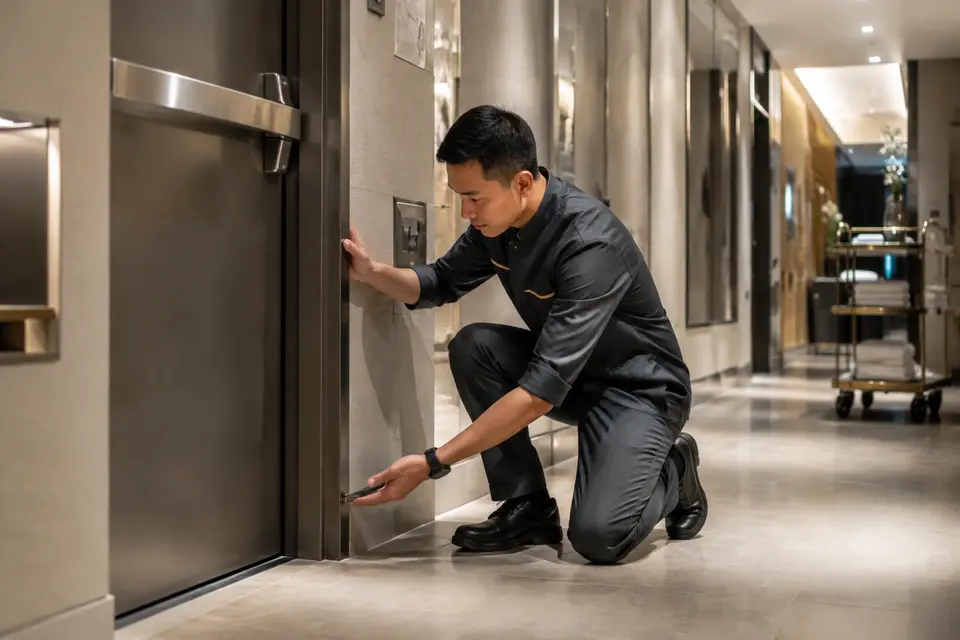
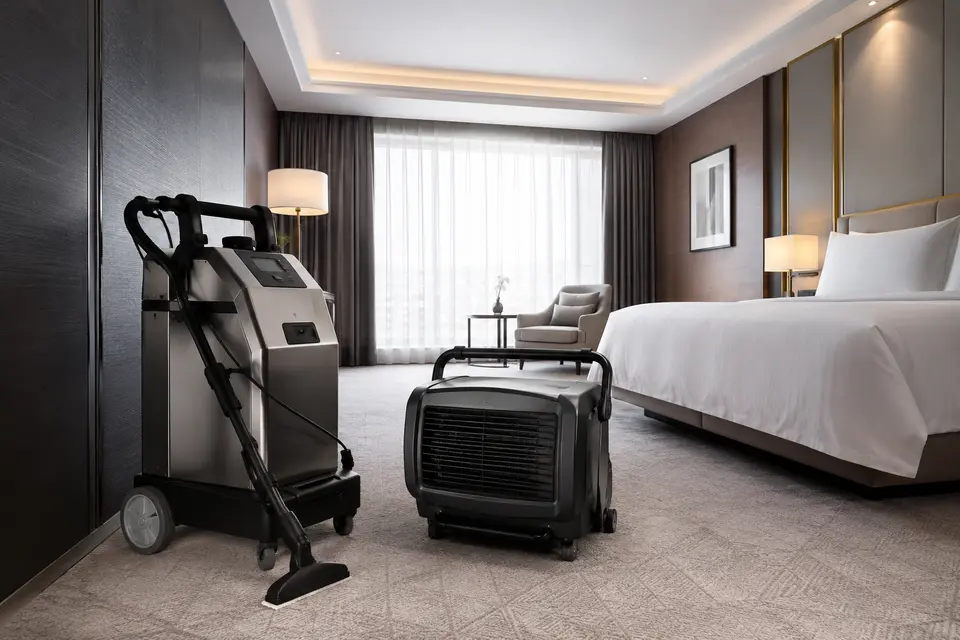
Operational coverage gallery
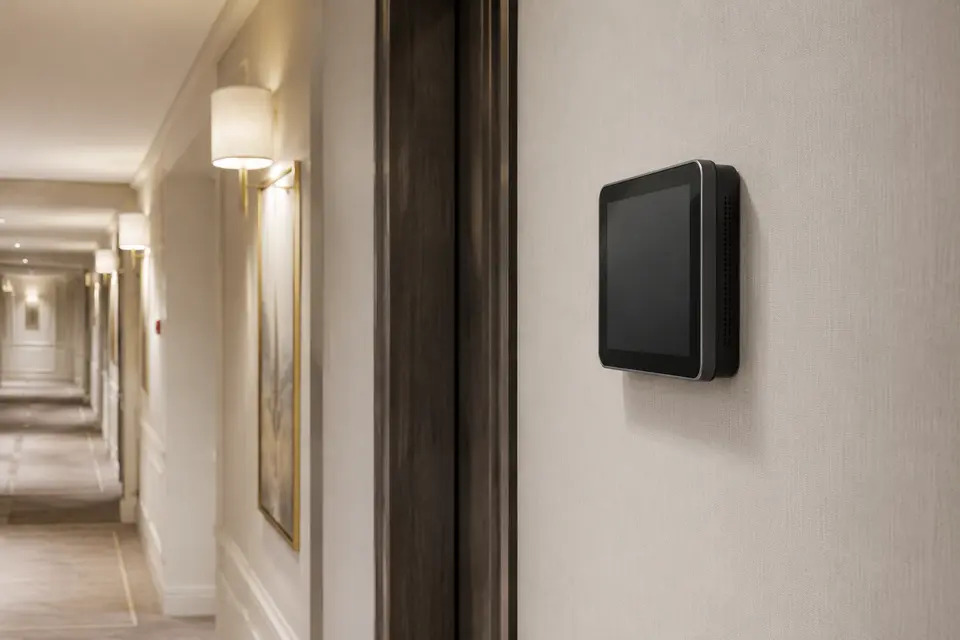
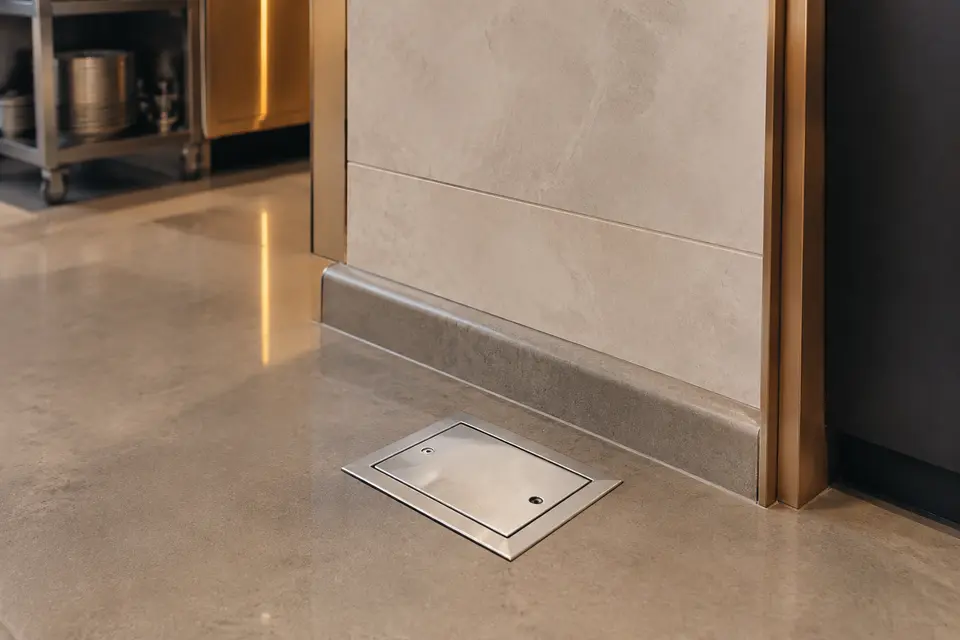
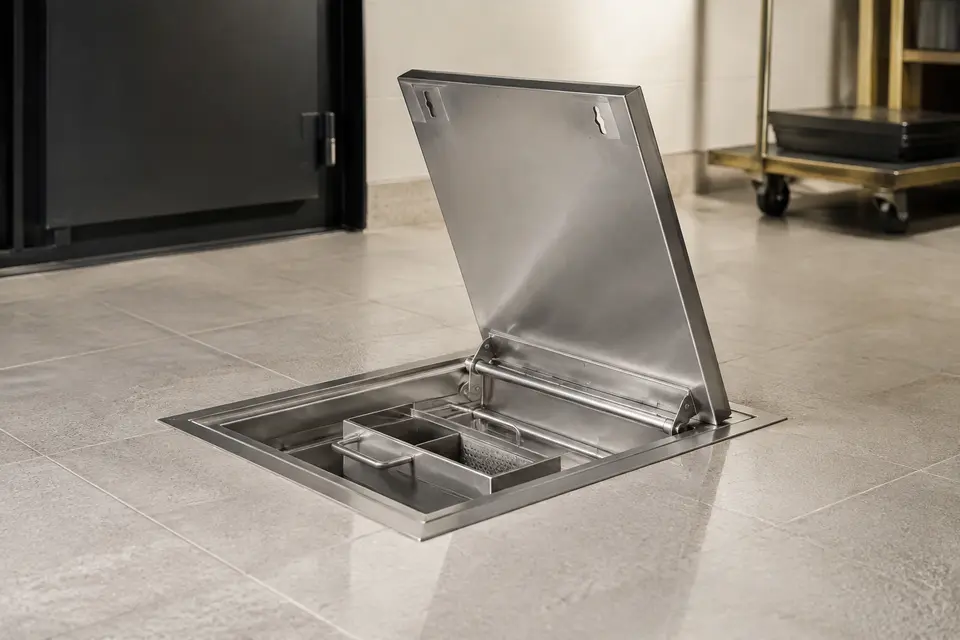
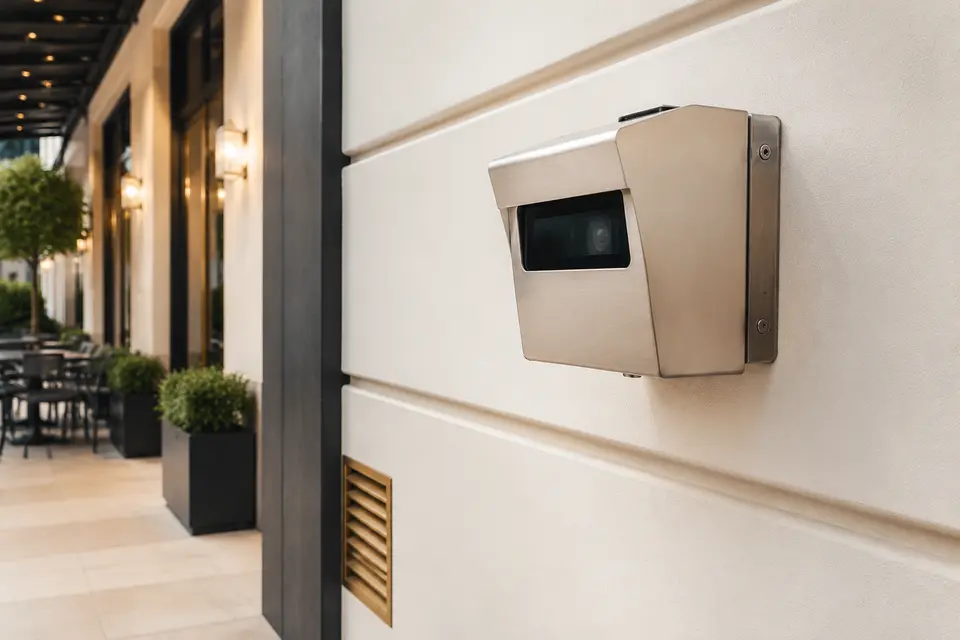
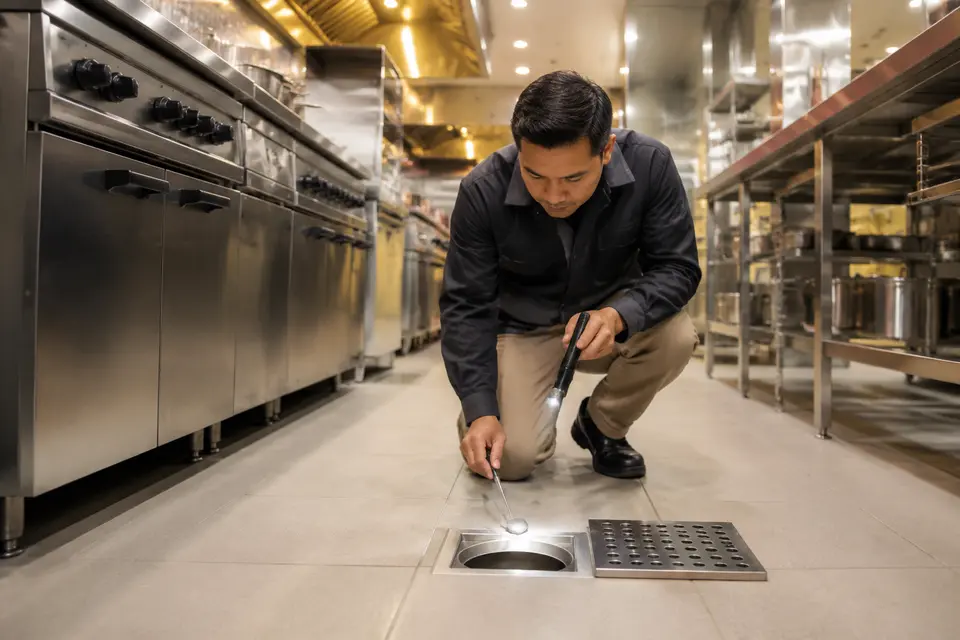
Review representative inspection, monitoring, containment, heat, steam, linen-control, kitchen, exterior, and reporting applications used in a coordinated hospitality program.







Pest-control procurement questions
Use these answers to prepare a more complete request, compare alternatives, and avoid preventable clarification cycles.

Include the property type and location, affected rooms or zones, inspection findings, target pest, intended control method, required categories, quantities, dimensions, power supply, placement constraints, safety requirements, delivery destination, and target deployment date.
No. Encasements can support a wider control plan by protecting mattresses or box springs and simplifying inspection, but they do not replace professional identification, monitoring, room preparation, treatment, follow-up inspection, and property procedures.
Confirm the room volume, construction, heat loss, available voltage and circuit capacity, heater and air-mover layout, sensor count and placement, temperature logging, safety controls, manufacturer instructions, and the trained or licensed personnel responsible for the treatment.
Compare steam quality, operating pressure, outlet temperature, recovery time, tank capacity, hose and nozzle options, safe use on intended surfaces, electrical requirements, portability, maintenance, spare parts, warranty, and operator training.
Placement should follow the site assessment and manufacturer instructions while avoiding food-contact contamination risks, competing light sources, direct visibility from entrances where inappropriate, and locations that interfere with cleaning or service. Local food-safety and pest-management requirements also apply.
Evaluate tamper resistance, anchoring, durability, access control, serviceability, placement environment, compatibility with the documented pest-management plan, label requirements, inspection records, and whether the unit will be used indoors or outdoors.
Follow the property’s written procedure and professional guidance. Use closable bags or covered carts appropriate to the process, minimize movement through public areas, identify the receiving route, prevent cross-contact, and define cleaning or decontamination steps for reusable transport equipment.
A portfolio can use one governance framework, but device type, placement, inspection frequency, escalation threshold, record keeping, sanitation interface, and responsible team should be defined separately for each operating zone.
Inspection frequency depends on the device, pest pressure, property risk, manufacturer instructions, applicable rules, and the professional pest-management plan. Define the service interval, evidence threshold, replacement interval, and escalation action before deployment.
Do not assume so. Product registration, label directions, local law, food-area restrictions, PPE, training, storage, ventilation, re-entry, documentation, and licensed-applicator requirements must be confirmed for the exact product and use case.
Verify model, quantity, voltage, accessories, sensors, safety devices, manuals, labels, consumables, packaging condition, calibration or test records where applicable, and compatibility with the approved deployment plan before distributing equipment.
Yes, when the standard preserves local regulatory requirements and site-specific risk. Define approved models, optional configurations, room or zone quantities, consumables, inspection forms, replacement intervals, staff responsibilities, training, and an exception process.
Direct contact
Choose the office and channel that work best for your project. Our team can route product, sourcing, quotation, and delivery questions.
+1 514 907 1637
+86 155 2127 1637

Your next sourcing brief starts here
Share the property type, affected zones, inspection findings, required categories, quantities, technical specifications, destination, and target deployment date.